
The Trail Secret: Why Pros Always Pack This Natural Deodorizer
- Moisture Is the Real Enemy Hiking boot odor isn't caused by dirty boots — it's caused by trapped sweat that never fully dries, feeding the bacteria that create the smell.
- Prevention Beats Reaction Applying a natural foot powder before your hike stops moisture at the source, which is far more effective than spraying boots after the damage is already done.
- Ingredients Matter More Than Marketing Look for talc-free powders with kaolin clay, zinc oxide, and botanicals like lemongrass — not synthetic fragrances that mask odor without solving it.
- Pack Light, Smell Fresh A travel-sized foot powder, spare insoles, and cedar shoe trees are all you need to keep boots fresh on multi-day trips without adding meaningful pack weight.

You've done everything right. You invested in quality boots, you break them in properly, you wear good socks. But somewhere around mile six — or maybe on the drive home — you get that smell. The kind that makes you peel off your boots outside the car and wonder if the leather is just... done for.
It's not the boots. It's moisture. And most hikers never address it until the damage is already done. For a full breakdown of why sweat-soaked footwear is such a stubborn problem, check out our complete guide on how pro athletes stop shoes from smelling — the same principles that work in locker rooms work just as well on the trail.
But if you want the short version — the actual trail secret that experienced hikers quietly rely on — you're in the right place.
Why Do Hiking Boots Smell So Much Worse Than Regular Shoes?
Hiking boots trap significantly more sweat than everyday footwear because of their insulated, enclosed design and the physical intensity of trail use. This trapped moisture creates the warm, damp environment where odor-causing bacteria thrive fastest.
Think about what happens during a typical hike. Your feet can sweat up to half a pint of fluid per day under normal conditions — and on a hot trail with elevation gain, that number climbs fast. Hiking boots, unlike running shoes or sneakers, are built for protection and durability. That means thicker materials, less breathability, and tighter fits around the ankle.
All that sweat has nowhere to go. It soaks into the insole, works its way into the midsole foam, and settles into the lining. The bacteria that cause the odor — mostly Brevibacterium and Staphylococcus species that naturally live on your skin — feed on that moisture and produce the compounds responsible for that distinct, unpleasant smell. It's a condition sometimes called bromodosis, and it's incredibly common among active people.
So why do some hikers never seem to have this problem? They're managing the moisture before it gets out of hand. And the best tool for doing that isn't a spray — it's a powder.
What You'll Need
- Cedar shoe trees (for overnight moisture absorption)
- Moisture-wicking merino wool or synthetic hiking socks
- Natural Foot Powder Check Price →
- Spare replacement insoles for rotation on multi-day trips
What Makes a Natural Deodorizer Actually Work for Hiking Boots?
An effective natural deodorizer for hiking boots works by absorbing sweat before it can saturate boot materials, while using plant-based ingredients to neutralize the odor compounds that bacteria produce.
Not all "natural" products do the same job. There's a big difference between masking a smell with fragrance and actually stopping the source of that smell. Here's what to look for:
Moisture Absorption Is the Real Priority
Baking soda gets a lot of attention online, but it's mostly reactive — it neutralizes odor that already exists. If you want to stop the smell from forming in the first place, you need something that pulls moisture out of the boot environment before bacteria have a chance to feed on it.
Kaolin clay and arrowroot powder are two plant-mineral ingredients that do this well. They're naturally absorbent, silky in texture (no caking, no residue), and safe for skin contact. Kaolin clay, specifically, outperforms traditional talc on multiple fronts — including safety, since talc has been linked to lung concerns and isn't something you want to be applying daily.
Active Botanical Ingredients That Neutralize Odor
The best natural foot powders pair those absorbers with botanicals that have known odor-neutralizing properties. Lemongrass oil is one standout — it's been studied for its ability to inhibit the bacteria responsible for foot odor. Tea tree oil is another. These aren't just pleasant-smelling additions; they're doing real work at the source of the problem.
Zinc Oxide for Skin Protection
Long hikes mean long hours of friction. A good natural powder also contains zinc oxide, which protects skin from chafing and moisture-related irritation. If you've ever gotten a blister or raw spot from damp socks rubbing against your skin, you already know why this matters. Zinc oxide is often the overlooked ingredient that separates a basic powder from a genuinely useful one for active use.
Most hikers focus on treating the inside of the boot, but the insole is where 80% of the odor actually lives. Pull your insoles out every night and treat them separately — stand them upright against a rock or tent wall so air can circulate on both sides. A powder dusted on the underside of the insole (the side that touches the boot, not your foot) dries out the foam core much faster than just leaving the insole inside the boot. This single habit can cut deep-set boot odor almost entirely on trips longer than two days.
How Should You Actually Use Foot Powder on a Hike?

Apply foot powder directly to clean, dry feet before putting on your socks, and dust a small amount inside each boot. This creates a moisture barrier at the source — your skin — rather than just treating the boot after the fact.
Most people who try foot powder and don't love it are using it wrong. They shake it into the boot at the end of the day as a deodorizer, which is fine, but they're missing the real benefit: using it as a preventative barrier before the hike even starts.
Here's the routine that works:
- Before you put on your socks: Dust a light, even layer of Lumi's natural foot powder over your feet, focusing on the arch, heel, and between the toes. These are the highest-sweat zones on the foot.
- A small amount inside the boot: Tap a little powder into the toe box and heel of each boot. You don't need a lot — a fine dusting is enough to help the insole stay dry.
- After the hike: Remove insoles if possible, dust the inside of the boots again, and let them air out. This prevents overnight moisture buildup, which is when a lot of the long-term odor damage happens.
On multi-day trips, bring the powder with you. It's compact, lightweight (important when you're watching pack weight), and takes up a fraction of the space of a spray bottle. You can reapply at camp before the next day's start.
One more thing: your socks matter. The American Podiatric Medical Association recommends moisture-wicking fabrics — merino wool or synthetic blends — over 100% cotton, which holds sweat against the skin rather than pulling it away. Pairing good socks with a quality powder makes a noticeable difference on longer days.
What Are the Best Natural Ingredients to Look for in a Hiking Boot Deodorizer?

The most effective natural deodorizers for hiking boots combine a moisture-absorbing base (like kaolin clay or arrowroot) with active botanicals such as lemongrass, tea tree, or eucalyptus oil that target the source of odor at a molecular level.
If you're reading an ingredient label and wondering what to look for (or avoid), here's a practical breakdown:
What You Want to See
- Kaolin clay or arrowroot powder — absorbent, skin-safe, silky texture
- Zinc oxide — chafe prevention, skin barrier protection
- Lemongrass oil — odor-neutralizing, pleasant scent
- Tea tree oil — well-studied for targeting odor-causing bacteria
- Baking soda (sodium bicarbonate) — helpful as a secondary neutralizer, but not as a primary absorber
What You Want to Avoid
- Talc — outdated ingredient with safety concerns; no reason to use it when better alternatives exist
- Synthetic fragrances — these mask odor without solving it, and many people find them irritating on long wear
- Aluminum compounds — common in conventional antiperspirants, but unnecessary and potentially irritating for foot use. There are real benefits to going aluminum-free that most people don't think about.
- Parabens or synthetic preservatives — not necessary in a dry powder formula and worth avoiding if you're health-conscious
The cleanest natural foot powders keep the ingredient list short and purposeful. If you need a chemistry degree to decode the label, that's probably not what you want putting on your skin for eight hours on the trail.
Does Foot Powder Really Work Better Than Spray for Hiking Boots?
For hiking specifically, powder outperforms spray as a preventative tool because it creates an active moisture barrier before sweat accumulates — spray is better suited for deodorizing boots after the fact.
Both have their place, and serious hikers who deal with persistent odor often use both. But if you have to pick one to pack, powder wins for active trail use. Here's why:
Spray works by neutralizing odor compounds that already exist in the boot lining. It's great for a refresh the night before a hike or after you get home. But it doesn't prevent new sweat from soaking in during the day — it's reactive, not proactive.
Powder, applied to your feet before you start, actually reduces the amount of sweat that reaches the boot in the first place. Less moisture in the boot means fewer bacteria, which means less smell building up over the course of the day. On a three-day backcountry trip where you're wearing the same pair of boots every day, that compounding prevention makes a real difference by day two and three.
That said, if you're dealing with boots that already have a serious odor problem — maybe from a past trip where you didn't treat them — a spray like the Extra Strength Lemon & Eucalyptus Spray is the right tool to reset the situation before the powder can take over as your maintenance strategy. The powder and spray bundle is worth it if you want both covered — you use the spray to knock out existing odor and the powder to prevent new odor from forming.
We compared natural powder against chemical aerosol sprays on the core things that matter for hikers. The difference isn't subtle:
| Feature | Natural Foot Powder | Chemical Aerosol Spray |
|---|---|---|
| Works Preventatively | Yes — applied before hiking to stop sweat | No — spray-on after odor already forms |
| Safe for Daily Skin Contact | Yes — talc-free, plant and mineral based | Often contains synthetic fragrance and propellants |
| Controls Chafing | Yes — zinc oxide creates a protective skin barrier | No — spray-only formula offers no chafe protection |
| Trail-Packable | Yes — compact, lightweight, no pressurized can | Bulky aerosol can, restricted on some transport |
| Scent Approach | Natural lemongrass oil — neutralizes at source | Synthetic fragrance — masks odor temporarily |
| Price Per Use | Low — a little goes a long way | Moderate — aerosols deplete faster |
How Do You Get Rid of Odor That's Already Set Into Hiking Boots?
To remove deep-set odor from hiking boots, remove and air out the insoles separately, sprinkle foot powder inside the boot and leave overnight, then use a natural deodorizer spray on both the insole and boot interior before reassembling.
If your boots are already at the point where the smell hits you when you open the closet door, you need a reset — not just maintenance. Here's what actually works:
- Pull the insoles out. Most hiking boot odor lives in the insole foam, which is densely packed and holds moisture deep inside. You can't treat what you can't access. Remove them and let them air flat in a well-ventilated area for at least 24 hours.
- Use newspaper or cedar shoe trees. Both are excellent at drawing residual moisture out of the boot shell. Cedar has a mild natural scent that helps, and it absorbs moisture passively over time. Pack the boots tightly with crumpled newspaper and leave overnight. Replace the newspaper if it gets damp.
- Dust powder inside the boot. Once the boots are dry, dust foot powder into the toe box and heel, and let it sit. The absorbing agents will pull any remaining moisture from the lining.
- Treat the insoles separately. Lightly spray the surface of the insole with a natural deodorizer spray and let dry completely before reinstalling. Don't put a damp insole back into a boot.
If the odor is severe or the boots are older, the insoles may need to be replaced entirely. Most hiking boot insoles are replaceable, and a fresh aftermarket insole can make an old boot feel (and smell) like new. There are hidden reasons shoes keep smelling even after you've cleaned them — understanding those helps you break the cycle instead of just treating symptoms.
Is the natural route perfect? Mostly, but it does require consistency. Here's the honest breakdown:
- Stops odor before it starts by absorbing sweat at the source
- Talc-free and skin-safe — no concerns about daily use
- Zinc oxide genuinely reduces chafing on long trail days
- Compact and lightweight enough to pack without a second thought
- Natural lemongrass scent is subtle, not overpowering
- Requires consistent daily application to see the best results — skip a day and the sweat catches up
- Powder can clump slightly in high humidity if the container isn't sealed between uses
What Should Every Hiker Pack for Boot Freshness on Multi-Day Trips?
For multi-day hikes, pack a travel-sized natural foot powder, a spare pair of moisture-wicking insoles, and cedar shoe trees or a newspaper stash for overnight drying — these three items prevent the compounding odor buildup that makes boots unusable by day three.
Weight and space are always the constraint. Here's a minimal kit that actually does the job without adding much to your pack:
- Natural foot powder — small, lightweight, applies in seconds each morning. This is the non-negotiable item. Apply before socks every day.
- Spare insoles — a backup pair that can rotate in while the other pair airs out. On a three-plus-day trip, this alone significantly extends how fresh your boots feel.
- Cedar shoe trees or newspaper — use at camp each night. Cedar trees are heavier but reusable; newspaper is free and effective but single-use. Either works for keeping overnight moisture from settling permanently into the boot.
A few other habits that make a difference on longer trips: change your socks at midday if possible, rinse your feet at water crossings (and dry them before continuing), and air your boots out during rest breaks whenever weather allows. Small habits, done consistently, prevent the kind of deep moisture saturation that creates serious odor problems.
For more ways to tackle stubborn odor in athletic footwear, these seven proven methods translate well beyond sneakers to trail gear. And if you have sensitive skin or specific health considerations around foot care products, this guide on skin-safe shoe sprays is worth reading before you choose your trail kit.
Fresh boots make every trail better. It's that simple. And the hikers who figured this out aren't doing anything complicated — they're just consistent about one small, smart step before every single hike. Now you know the secret too.
For the full picture on keeping all your athletic footwear odor-free long-term, revisit our complete guide on how pro athletes tackle shoe odor — it's the most thorough resource we've put together on this topic.
Ready to stop coming home from the trail with boots you're afraid to bring inside?
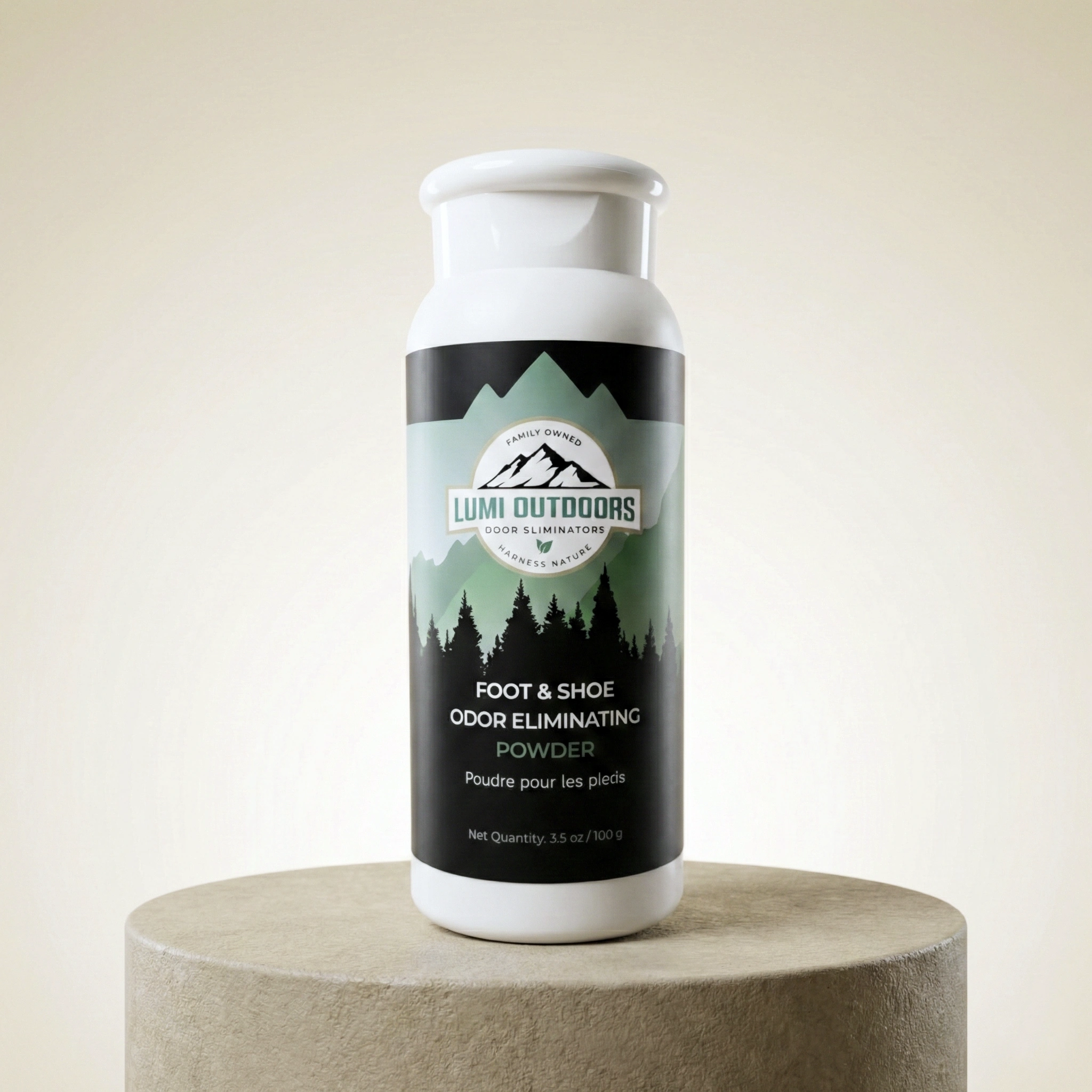
The best way to fight odor is to stop it before it starts. Our all-natural, talc-free foot powder is your first line of defense against mois...
- ABSORBS SWEAT & NEUTRALIZES ODOR
- ALL-NATURAL & TALC-FREE FORMULA
- PROUDLY FAMILY-OWNED & MADE IN UTAH
- THE "FRESH CONFIDENCE" GUARANTEE