

5 Top-Rated Diabetic Safe Shoe Spray Options for Sensitive Skin
- Ingredients Matter for Diabetic Feet Harsh alcohols and synthetic fragrances can irritate sensitive or neuropathic skin — always choose plant-based, chemical-free formulas.
- Remove Insoles First Pulling insoles out after every wear is the single most effective habit for reducing shoe odor in diabetic footwear.
- DIY Options Work, But Require Effort Baking soda and diluted vinegar are safe occasional tools, but a ready-made natural spray is the most practical daily solution.
- Plant-Based Sprays Are the Easy Button A tea tree or eucalyptus-based shoe spray neutralizes odor at the source without any harsh chemicals that could harm at-risk feet.

If you or someone you love is managing diabetes, you already know how seriously foot health needs to be taken. The American Diabetes Association notes that foot complications are among the most common and serious issues for people with diabetes — and that means every product that touches your feet, your socks, or the inside of your shoes actually matters.
But here's the frustrating part: most shoe sprays on the market are packed with harsh chemicals, synthetic fragrances, and alcohols that can irritate sensitive skin. And if you have neuropathy or reduced circulation, you might not even notice irritation until it becomes a real problem.
So we put together this list of exactly 5 approaches to shoe odor control that are safe, gentle, and actually work. You'll find DIY methods and a ready-to-go spray that checks every box — plant-based, chemical-free, and effective enough to handle even stubborn odors.
Let's get into it.
1. What Makes a Shoe Spray Safe for Diabetic Feet?
A diabetic safe shoe spray avoids harsh alcohols, synthetic fragrances, and chemical propellants that can dry out or irritate sensitive skin — instead relying on plant-derived ingredients like essential oils and natural enzymes to neutralize odor at the source.
Before we get to the actual options, it's worth understanding what you're avoiding. People with diabetes and peripheral neuropathy often have reduced sensation in their feet, which means skin irritation or dryness from harsh chemicals can go unnoticed and worsen over time.
The big offenders in most commercial sprays? Denatured alcohol (drying and harsh), synthetic perfumes (packed with phthalates and allergens), and chemical propellants like isobutane. None of these do anything good for at-risk skin. What you want instead: natural essential oils (like tea tree, eucalyptus, and lavender), plant-derived enzymes that break down odor molecules, and a water-based carrier that won't strip moisture from skin or shoe liners.
That's the baseline. Keep it in mind as we go through the list.
What You'll Need
- Removable insoles (for separate treatment and drying)
- Soft-bristled shoe brush (to clear debris before spraying)
- Extra Strength Shoe Deodorizer Spray Check Price →
- Small fan or shoe dryer (to speed up drying time after spraying)
2. How Does Removing the Insole Help Control Shoe Odor for Sensitive Feet?
Removing insoles after every wear lets moisture escape the shoe's interior before odor-causing bacteria can multiply — and gives you the chance to treat both the insole and the shoe shell separately, which doubles the effectiveness of any spray you use.
This is the step most people skip, and it makes a bigger difference than you'd think. When you leave the insole in, you're basically sealing in a warm, damp environment where odor compounds thrive. Pull it out. Set it somewhere with airflow. Even just doing this one thing consistently will reduce how often you need to reach for a spray.
For diabetic footwear specifically — therapeutic shoes, wide-toe-box sneakers, orthopedic inserts — the insoles are often thicker and hold more moisture. They need more time to dry out. If you've been struggling with smell even after spraying, there's a good chance the insole is where it's hiding. Check out our deeper look at 3 Hidden Reasons Your Shoes Smell Bad Even After Washing — the answer might surprise you.
When you do spray, hit both the insole AND the interior of the shoe shell. Don't just spray in and call it done.
For people managing diabetes, the real odor problem often isn't the shoe — it's the moisture that builds up between the sock and the insole during wear. Rotating between two pairs of shoes daily (instead of wearing the same pair back-to-back) gives each shoe a full 24-hour dry cycle, which dramatically reduces the conditions where odor develops. Pair this with a natural spray and you'll notice the difference within a week.
3. Does White Vinegar Work as a Diabetic-Friendly Shoe Deodorizer?

Diluted white vinegar (one part vinegar to two parts water) can neutralize odor-causing compounds in shoes, but it must be fully dry before the shoe is worn — and it should never be used undiluted on diabetic footwear or orthotic liners, as the acidity can degrade materials over time.
White vinegar is one of those classic DIY solutions that actually has some science behind it. The acetic acid disrupts the conditions that allow odor compounds to persist. Spritz a diluted mixture into the shoe, let it air dry completely — and we mean completely, at least 8 hours — and the smell usually fades noticeably.
The catch: it smells like vinegar while it's drying. Not exactly pleasant. And if your diabetic footwear has special cushioning, moisture-wicking liners, or custom orthotics, you'll want to be careful. Repeated vinegar exposure can break down adhesives and degrade foam over time. Use this one occasionally, not daily.
Also — and this is important — never let vinegar solution pool in the toe box where it could stay damp. Trapped moisture is exactly the problem you're trying to fix.
4. Can Baking Soda Safely Absorb Odor in Diabetic Shoes?
Baking soda is a safe, chemical-free option for absorbing odor in diabetic shoes when used as a dry powder left overnight — but it must be shaken out completely before wearing, as any residue can create uneven pressure points on sensitive feet.
Sprinkle a small amount of baking soda into each shoe before bed. Leave it overnight. Shake it all out in the morning — and really shake it out. Every last bit. For someone managing diabetes, even a small lump of powder under the foot can create friction or pressure that becomes a blister or sore.
Baking soda works by absorbing moisture and neutralizing the acidic odor compounds that bacteria produce. It's gentle, widely available, and costs almost nothing. The downside is that it doesn't have any lasting effect — you're starting fresh each time rather than treating the underlying source of odor. For a deeper read on managing moisture at the foot level, our guide on Zinc Oxide Foot Powder — The Secret Ingredient You're Probably Missing is worth a look.
Think of baking soda as a maintenance tool, not a cure.
5. What Is the Easiest Diabetic Safe Shoe Spray to Use Daily?

A ready-to-use plant-based shoe spray with natural essential oils — like tea tree, lavender, or eucalyptus — is the easiest daily option for people with diabetes because it requires no preparation, leaves no residue, and uses gentle ingredients that won't irritate sensitive skin or damage therapeutic footwear.
Here's the truth: DIY methods work, but they take time and effort. Mixing dilutions, waiting for baking soda to absorb, remembering to pull insoles out every single night — it's a lot to keep up with, especially when you've already got a lot to manage.
A good ready-made spray removes all of that friction. You just spray, let it dry for a minute, and you're done. For diabetic footwear, you want something that's specifically free of harsh alcohols, synthetic dyes, and chemical fragrances. Plant-based essential oils like tea tree and eucalyptus naturally disrupt odor at the source without the harsh side effects.
Our top pick for daily diabetic shoe care is the Extra Strength Shoe Deodorizer Spray — a lemon and eucalyptus formula that's 100% plant-based, free from harsh chemicals and parabens, and gentle enough for daily use on therapeutic footwear. It's also our best-seller for a reason: it handles the toughest odors without a single ingredient you'd need to worry about. And if you want a scent that's a bit softer and more calming — think lavender and herbal notes rather than citrus — the Natural Lavender Tea Tree Shoe Deodorizer Spray is an excellent alternative that's just as gentle on sensitive skin.
We tested our natural spray against standard aerosol brands to see how the chemistry actually compares. The difference isn't just in the ingredients — it shows up in how long freshness lasts too:
| Feature | Extra Strength Shoe Deodorizer Spray | Standard Aerosol Shoe Spray |
|---|---|---|
| Ingredients | 100% plant-based essential oils | Chemical propellants & synthetic fragrance |
| Safe for Sensitive Skin | Yes — no harsh alcohols or dyes | Often no — contains irritants |
| Odor Elimination | Neutralizes at the source | Masks odor with fragrance |
| Safe for Orthopedic Materials | Yes — water-based, non-degrading | Risk of foam/adhesive breakdown |
| Scent Duration | Hours of fresh herbal scent | Short burst, fades quickly |
| Free of Parabens & Phthalates | Yes | No |
Nothing's perfect. The natural route does require a bit of consistency — one spray isn't going to undo months of buildup overnight. Here's the honest breakdown:
- Completely plant-based — no harsh chemicals that irritate sensitive or diabetic skin
- Neutralizes odor at the source rather than covering it up
- Safe for all diabetic footwear including orthotics and therapeutic shoes
- Easy daily use — spray and let dry, no prep or cleanup required
- Extra strength formula works on stubborn built-up odors
- Natural formulas require consistent use — one spray won't reverse months of odor buildup overnight
- The lemon-eucalyptus scent is strong and may not appeal to everyone (a lavender alternative is available)
Which Diabetic Safe Shoe Spray Should You Actually Buy?
For most people managing diabetes, the Extra Strength Shoe Deodorizer Spray is the most practical daily choice — but if you prefer a softer herbal scent, the Natural Lavender Tea Tree Shoe Deodorizer Spray is equally gentle and just as effective.
The five approaches we've covered each have their place. Pulling out insoles costs nothing and should be a daily habit. Baking soda and diluted vinegar are solid occasional tools. But if you want something you can actually stick with long-term — something that doesn't involve mixing solutions or remembering to shake powder out of your shoes — a ready-made natural spray is the way to go.
And if you've got multiple people in the household dealing with different odor situations — athletic shoes, work boots, dress shoes — the Variety Bundle | 3-Pack (Lemon Eucalyptus, Citrus, Lavender) gives you a spray for every scenario at a better price per bottle. Keep one by the door, one in the gym bag, one in the closet. You're covered.
For more on how sprays compare to other formats for different shoe types, our guide on How to Pick Spray vs Powder Barefoot Shoes for All-Day Moisture Control breaks it all down clearly.
Foot health and fresh shoes aren't competing priorities — the right spray handles both at once.
Ready to Keep Your Diabetic Footwear Fresh — Without the Harsh Chemicals?
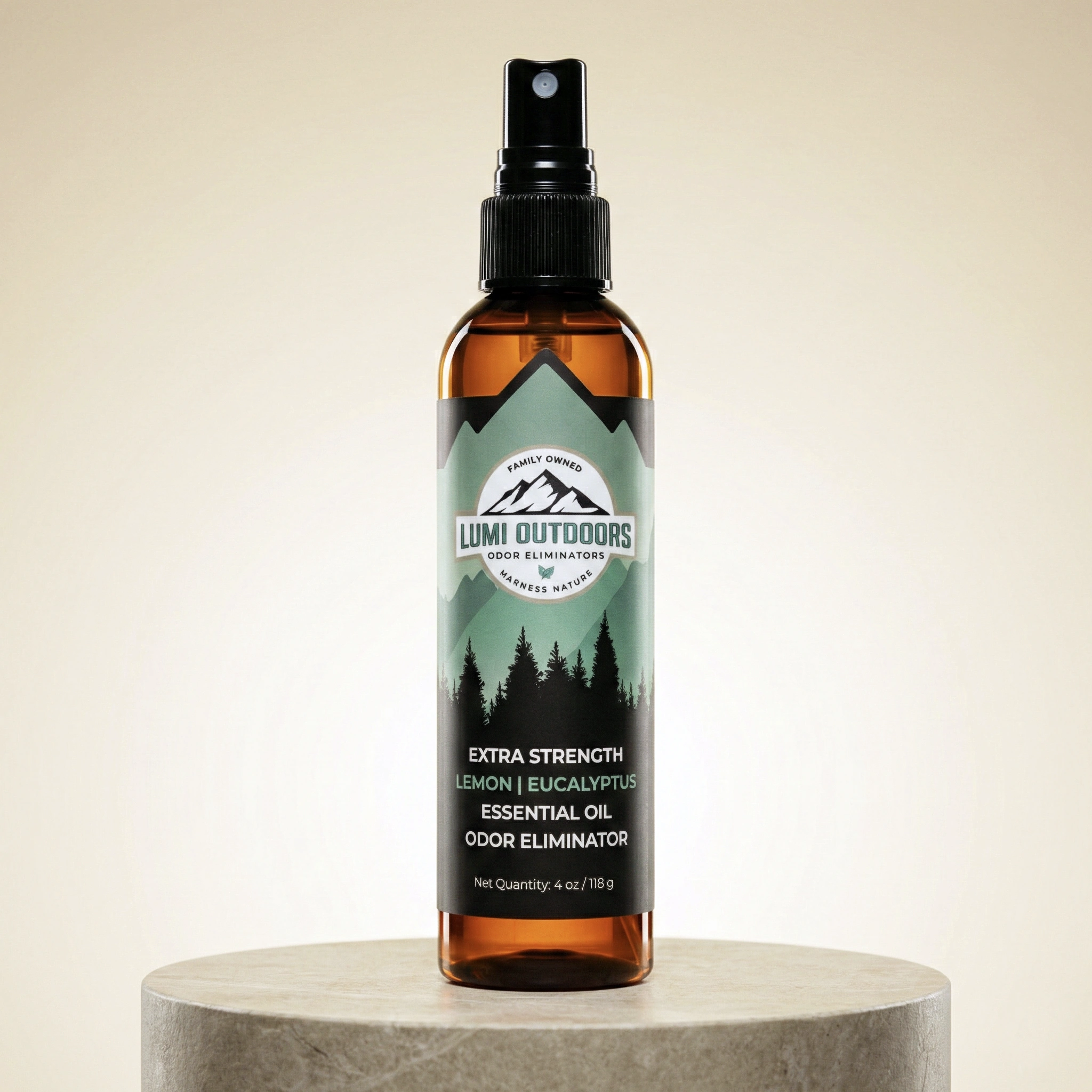
Join 1 Million+ Other People Who Chose Lumi to Conquer Their Shoe Odor.
- DESTROYS ODOR AT THE SOURCE, DOESN'T JUST MASK IT
- ALL-NATURAL & PLANT-BASED INGREDIENTS
- PROUDLY FAMILY-OWNED & MADE IN UTAH
- THE "FRESH CONFIDENCE" GUARANTEE