
Zinc Oxide Foot Powder — The Secret Ingredient You’re Probably Missing
- Stop Blaming Sweat Foot odor isn't caused by sweating itself — it's caused by moisture sitting trapped in a shoe with nowhere to go, creating the conditions for odor-producing bacterial activity.
- Baking Soda Isn't the Answer Popular DIY remedies like baking soda and talc-based baby powder don't absorb moisture fast enough for active feet and don't address the root cause of the smell.
- Zinc Oxide + Kaolin Clay Is the Real Fix This mineral combination absorbs sweat at the source, keeps skin dry throughout the day, and is talc-free — making it safe and effective even for kids and sensitive skin.

You've tried baking soda. You've tried baby powder. Maybe you've even tried that trick with the dryer sheets stuffed inside the cleats. And every single morning, the smell is still there. Waiting for you.
Here's what nobody tells you: most of those popular home remedies aren't actually solving the problem. They're just masking it — briefly — before the odor comes roaring back by lunchtime. The reason your feet still smell isn't a lack of effort. It's that you've been given bad advice about what actually works at a chemical level.
So let's talk about what's actually going on inside your shoes, why the popular fixes keep failing you, and why zinc oxide foot powder is the ingredient your foot-care routine has been missing all along.
Why Do Sweaty Feet Smell So Bad in the First Place?
Foot odor — clinically called bromodosis — is caused by sweat-soaked environments inside shoes where bacteria thrive, break down dead skin cells, and release odorous byproducts like isovaleric acid. The smell is a byproduct of that organic breakdown process, not the sweat itself.
Your feet have roughly 250,000 sweat glands. That's more sweat glands per square inch than almost anywhere else on your body. Stuff those feet into a closed shoe for eight to ten hours, and you've created the perfect warm, dark, moist environment for odor to build up fast.
The real problem isn't that your feet are sweating. Sweat is supposed to happen. The problem is moisture that has nowhere to go. When sweat pools inside a shoe and can't evaporate, it feeds the bacterial activity that creates the smell. That's the mechanism you actually need to address.
Baking soda helps a little because it can temporarily neutralize acid-based odors. But it doesn't absorb moisture at any meaningful rate. Baby powder (talc-based) does absorb some moisture, but the safety concerns around talc have pushed consumers and doctors away from it. Neither one addresses the root mechanism the way mineral-based powders do.
If you're dealing with especially active feet — a kid in soccer cleats, a construction worker in steel-toed boots, or someone with hyperhidrosis — you need something that can keep up with the volume of moisture being produced. Generic pantry fixes just aren't built for that.
What You'll Need
- Cedar shoe inserts
- Clean dry towel for foot prep
- Natural Foot Powder Check Price →
- Breathable cotton socks
What Is Zinc Oxide and Why Does It Work So Well for Sweaty Feet?
Zinc oxide is a naturally occurring mineral compound that absorbs excess moisture, soothes irritated skin, and creates an environment that disrupts the conditions odor-causing bacteria need to thrive — without harsh chemicals or synthetic fragrances.
You've probably seen zinc oxide before. It's the white stuff in sunscreen and diaper rash cream. Doctors have used it topically for over a century because it's gentle enough for sensitive skin, including a baby's, while still being effective at protecting and conditioning the skin barrier.
On feet specifically, zinc oxide does two important things at once. It helps absorb the excess surface moisture that would otherwise sit between your toes and on your soles. And it provides a mild soothing effect on the skin, which matters more than people realize — because repeatedly sweaty, irritated skin can become compromised skin, which actually worsens odor over time.
Think of it less like a perfume spray and more like a strategic moisture barrier. You're not covering up a smell. You're changing the conditions that create it.
Most people apply foot powder in the morning and call it done. But the highest-impact moment to apply it is actually the night before, after a shower — right before bed. Your feet are clean, dry, and not about to sweat. The zinc oxide has hours to condition the skin and create a dry barrier before your feet ever hit the shoe the next morning. Try it for a week and compare the difference to your morning-only routine.
What Is Kaolin Clay and How Does It Make Foot Powder More Effective?

Kaolin clay is a fine, naturally occurring white clay that acts as a powerful moisture-absorbing agent in foot powders. It pulls sweat away from the skin surface, keeps the foot dry longer than cornstarch alternatives, and has a silky texture that prevents the cakey, clumpy residue other powders leave behind.
If zinc oxide is the active mineral doing the heavy lifting, think of kaolin clay as the delivery system that makes it work better and feel better.
Here's the practical difference. Cornstarch — another common ingredient in DIY foot powder recipes — actually gets sticky when it's wet. And when you're talking about feet, wet is the whole problem. So you end up with a gluey paste between your toes, which is uncomfortable and does almost nothing for moisture control.
Kaolin clay doesn't behave that way. It draws moisture in and holds it, without clumping. The texture stays smooth even as it absorbs sweat. That's why it shows up in professional-grade powder formulations and not just the stuff you'd mix at home from a YouTube video.
The zinc oxide + kaolin clay combination is genuinely complementary. Zinc oxide addresses the skin-level conditions that make odor possible. Kaolin clay handles the moisture absorption that keeps those conditions from returning through the day. Together, they're more effective than either ingredient alone — and far more effective than the baking soda and cornstarch pastes people are still making from Pinterest posts.
For athletes dealing with post-run foot smell, the science is similar to what's explained in this piece on neutralizing Frito feet smell after marathon runs — it always comes back to controlling moisture before the bacterial breakdown process gets going.
What's Wrong With Baking Soda and Baby Powder for Foot Odor?
Baking soda provides only temporary odor neutralization without absorbing meaningful moisture, while talc-based baby powder carries documented health concerns and lacks the mineral properties needed to address the actual cause of foot odor. Neither targets the moisture problem at its source.
Let's be honest about baking soda first. It's a legitimate deodorizer for some applications — your fridge, your carpet, a litter box. In those situations, it's exposed to open air and can do its job over time. But inside a shoe, you're asking it to work in a closed, humid, high-traffic environment. It can't keep up. And if you're sprinkling it on your feet before putting on socks, you're essentially just making a paste that provides zero moisture control.
Baby powder is a different problem. Many conventional baby powders use talc as their base, and the safety questions around talc — particularly around long-term, repeated inhalation — are real enough that the FDA has been actively reviewing talc-based products for years. Even setting aside the safety debate, talc isn't especially good at managing the volume of sweat an active foot produces during a full day in enclosed footwear.
The myth that persists is that any powder = dryness = no odor. But not all powders behave the same way, and the ingredient quality matters enormously. A talc-free mineral powder built around zinc oxide and kaolin clay is a fundamentally different product than shaking baby powder into a sneaker and hoping for the best.
If you're maintaining performance footwear like running shoes or cleats, the material choice in your powder actually matters for the shoe too — here's a useful breakdown on why carbon plate foam makes running shoes smell and what to do about it.
We compared natural powder against conventional big-brand options head to head. The difference isn't just in how they smell — it's in how long the moisture protection lasts and what's actually in the formula:
| Feature | Natural Foot Powder | Conventional Talc-Based Powder |
|---|---|---|
| Base Ingredient | Zinc oxide + kaolin clay | Talc or cornstarch |
| Moisture Absorption | Draws and holds sweat without clumping | Gets sticky when wet — clumps |
| Talc-Free Formula | Yes — no talc safety concerns | Often talc-based |
| Safe for Kids | Yes — gentle mineral formula | Check label — varies by brand |
| Odor Prevention Approach | Targets moisture at the source | Masks odor temporarily |
| Texture on Skin | Silky, smooth, non-cakey | Can feel chalky or powdery |
How Do You Actually Use Zinc Oxide Foot Powder Correctly?

For best results, apply zinc oxide foot powder directly to clean, dry feet before putting on socks, paying attention to the spaces between toes and the heel. A second light dusting inside the shoe provides an additional layer of moisture absorption throughout the day.
Most people who try foot powder and give up on it are doing it wrong. Not because they're careless — because the instructions on most packaging are vague to the point of being useless.
Here's the actual process:
Step 1: Start with dry feet. If you apply powder right after a shower without drying thoroughly, the powder just absorbs the surface water and is already spent before you've even put your socks on. Dry completely, especially between the toes, before applying.
Step 2: Apply to the foot, not just the shoe. Shake or tap a moderate amount — think light dusting, not snowfall — directly onto the bottom of each foot, between the toes, and along the sides. This is where sweat originates. Treating the shoe alone is reactive; treating the foot is preventative.
Step 3: Add a light dusting to the shoe interior. A small amount worked into the toe box and heel of the shoe extends your protection. For particularly sweaty days — game days, long work shifts — this step makes a real difference.
Step 4: Repeat after prolonged activity. If you're removing shoes midday or changing into a fresh pair, re-apply. Think of it the same way you'd reapply sunscreen — one application at the start of the day isn't always enough for extreme conditions.
Cedar shoe inserts are another useful tool to have on hand. After taking shoes off at the end of the day, cedar naturally draws out residual moisture and keeps the shoe environment drier overnight, which means the powder you apply the next morning starts from a better baseline. If you want to see how layered odor prevention works for low-ventilation footwear, the guide on deodorizing slippers without washing them walks through a similar approach.
Who Actually Needs a Zinc Oxide Foot Powder — and Who Doesn't?
Zinc oxide foot powder is most effective for people with high-sweat output — athletes, those on their feet all day, and anyone with hyperhidrosis. For occasional mild foot odor, simpler solutions may be enough, but for persistent or extreme cases, the mineral-based formula is the clear step up.
Let's be straight here. Not everyone needs a specialized foot powder. If your feet sweat lightly, you wear well-ventilated shoes, and the odor is minimal, you might be perfectly fine with a light daily routine of airing out your shoes and changing socks mid-day.
But if you recognize yourself in any of these situations, a zinc oxide powder is going to make a noticeable difference:
- Your teenager's cleats clear the room when they come through the door
- Your partner's work boots are too far gone for the mudroom
- You've got a runner or triathlete in the house who goes through two pairs of socks a day
- You personally have hyperhidrosis and regular antiperspirant products haven't kept up
- Your feet sweat through socks visibly during a normal workday
For extreme odor cases tied to specific shoe types, the principles in this article about eliminating triathlon shoe odor after races are worth reading alongside your powder routine — high-performance sport puts specific demands on moisture management that require more than one tool.
And if your concern is more about social situations — think dress shoes at an event, formal flats that can't be washed — there's a different flavor of this same problem covered in the guide on neutralizing odor in formal footwear. The zinc oxide approach works across shoe types, which is one of its real practical advantages.
The Natural Foot Powder from Lumi is built around this exact user profile — proactive people who want to stop the problem at the source rather than react to it after the fact. The formula is talc-free, which matters both for safety reasons and because talc-free mineral powders simply perform better in high-moisture conditions.
Nothing's perfect. Here's what worked and what didn't after using this approach consistently:
- Targets the actual cause of foot odor — trapped moisture — not just the smell
- Zinc oxide + kaolin clay combination outperforms baking soda and cornstarch DIY recipes
- Talc-free formula is safe for children, athletes, and anyone with sensitive skin
- Works on feet AND inside shoes for layered protection
- Smooth texture that doesn't clump, cake, or get sticky when wet
- Requires consistent daily application to see results — skipping days lets moisture build back up
- Won't fully resolve odor on its own if shoes are already deeply saturated and haven't been treated
Tired of fighting foot odor every single morning?
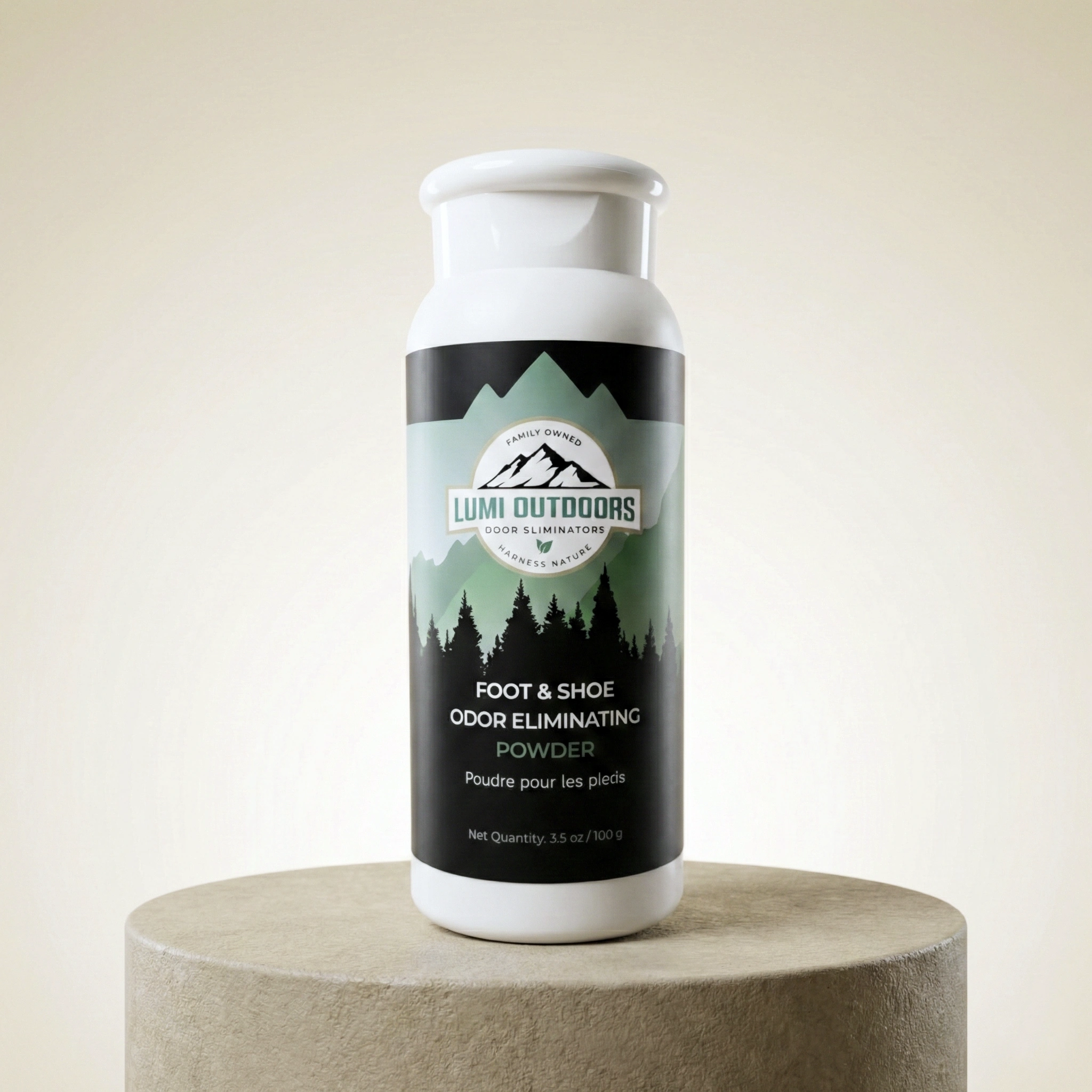
The best way to fight odor is to stop it before it starts. Our all-natural, talc-free foot powder is your first line of defense against mois...
- ABSORBS SWEAT & NEUTRALIZES ODOR
- ALL-NATURAL & TALC-FREE FORMULA
- PROUDLY FAMILY-OWNED & MADE IN UTAH
- THE "FRESH CONFIDENCE" GUARANTEE