

3 Hidden Reasons Your Shoes Smell Bad Even After Washing [2026 Guide]
- Insoles Are the Real Problem Leaving insoles inside during a wash traps moisture in the thickest part of the shoe, keeping bacteria alive and the smell coming back.
- Drying Method Matters Heat and enclosed spaces seal in dampness. Air drying with good ventilation for 24-48 hours is the only method that fully works.
- Washing Alone Is Not Enough A wash removes dirt but not odor-causing bacteria. A direct enzyme-based spray treatment after drying is what actually breaks the odor cycle.

You pulled them out of the washing machine, let them dry, and felt pretty confident you'd finally handled it. Then you put them on—or worse, someone else walked past them—and the smell hit you like a wall. Sound familiar?
Washing your shoes seems like the logical fix. But here's the thing: for a lot of people, it actually makes the problem worse. Not because they're doing something obviously wrong, but because of three specific mistakes that almost nobody talks about.
This guide breaks down exactly what's going wrong—and what to do instead. No complicated science. No expensive gadgets. Just the actual fixes that work.
Why Do Shoes Still Smell Bad Even After Washing Them?
Shoes retain odor after washing because the root cause isn't dirt—it's moisture and the odor-producing bacteria that live deep inside foam insoles and fabric linings that a standard wash cycle can't fully reach or dry out.
Most people assume shoe smell is a cleanliness problem. It's not. It's a moisture problem. Bacteria that produce odor thrive in warm, damp environments—and your shoe's interior is basically a perfect habitat for them. The foam in your insoles soaks up sweat like a sponge, and a single wash cycle rarely dries that foam all the way through.
So the smell comes back. Every time.
The good news? Once you know which three mistakes are driving the cycle, you can break it fast.
What You'll Need
- Baking soda
- Dry newspaper or clean cloth
- Extra Strength Shoe Deodorizer Spray Check Price →
- Mesh laundry bag
1. Are You Leaving the Insoles Inside When You Wash?
Leaving insoles inside during a wash traps moisture in the thickest, most odor-prone part of the shoe, making it nearly impossible for the interior to dry fully—and that leftover dampness is what keeps the smell coming back.
This is the big one. The insole is where most of the sweat gets absorbed during a day of wear. It's thick, dense foam, and it holds onto liquid for a long time. When you wash your shoes with the insoles still in, you're essentially soaking a sponge and then wondering why it still smells damp two days later.
Pull the insoles out before every wash. Wash them separately—either by hand with a little dish soap and warm water, or on a gentle cycle in a mesh laundry bag. Then let them air dry completely before putting them back. We're talking 24 hours minimum, not just until they feel "mostly dry" to the touch.
If your insoles are older than six months and the smell is baked in, it's worth replacing them entirely. A fresh set of insoles can make a shoe that seemed ruined smell totally normal again. It's one of the quickest, cheapest wins in shoe care—and almost nobody tries it.
For more detail on how moisture builds up inside different shoe types, check out why carbon plate foam makes running shoes reek—the same foam-and-sweat dynamic plays out in almost every athletic shoe.
Here's something most guides miss: the smell often lives in the tongue of the shoe, not just the insole. Bacteria accumulate in the stitching and fabric folds of the tongue because sweat channels there during wear and it almost never dries fully. When you treat your shoes, fold the tongue back and spray directly into that crease. It takes two extra seconds and makes a noticeable difference—especially in running shoes and high-tops.
2. Is Your Drying Method Trapping the Odor In?

Drying shoes in a dryer, in direct sunlight, or in an enclosed space can warp the materials and seal in bacteria before the shoe is fully dry—low-heat air drying in a ventilated area is the only method that reliably works.
The dryer feels like a logical choice. Hot air, fast turnaround. But here's what actually happens: the high heat can break down the glues and foam inside athletic shoes, and it creates a hot, humid microclimate inside the drum that doesn't fully ventilate. You get shoes that feel dry on the outside but are still damp where it counts—deep in the toe box and heel cup.
Same problem with stuffing wet shoes in a closet or tossing them in a gym bag after washing. No airflow means no drying. Bacteria keep going.
The fix is simple. After washing, stuff your shoes loosely with dry newspaper or a clean cloth to help them hold their shape and pull moisture outward. Then set them somewhere with good airflow—near a fan works well—and let them sit for a full 24 to 48 hours. If you're in a humid climate, point a small fan directly at them. The goal is air movement, not heat.
Baking soda is also worth keeping in your arsenal here. While the shoes are drying, sprinkle a generous amount inside each one. It absorbs residual moisture and helps neutralize the smell during the drying window. Tap it out completely before wearing.
3. Are You Skipping the One Step That Actually Stops the Smell at Its Source?
Washing removes surface dirt but doesn't neutralize the odor-causing bacteria deep in shoe materials—you need a dedicated odor-neutralizing treatment applied directly inside the shoe after drying to actually break the odor cycle.
This is the step that most people skip, and it's the reason the smell always comes back. A wash gets the shoe visually clean. But the bacteria responsible for the odor are living in the fibers, the foam, the stitching—places that soap and water don't fully penetrate. You might reduce the smell temporarily, but you haven't addressed what's actually causing it.
Think of it like this: washing is like mowing a lawn. It looks better for a few days, but the roots are still there.
What actually breaks the cycle is a direct treatment applied inside the shoe after it's fully dry. That's where a product like Extra Strength Shoe Deodorizer Spray earns its place. It uses natural enzymes to go after the odor at its source—not to cover it up with a heavy fragrance, but to actually neutralize what's causing the smell. A few sprays inside each shoe after they've dried, let it sit overnight, and you're dealing with the problem directly instead of just masking it.
We compared our natural spray against the big-brand aerosols. The difference isn't just in the smell—it's in the chemistry.
| Feature | Extra Strength Shoe Deodorizer Spray | Generic Brand Aerosol Spray |
|---|---|---|
| Odor Neutralization Method | Natural enzymes target odor at the source | Heavy fragrance masks the smell temporarily |
| Ingredients | 100% plant-based, no harsh chemicals | Chemical propellants, synthetic fragrances |
| Safe for Kids & Pets | Yes — free from parabens and aluminum | Not recommended around children or pets |
| Scent After Application | Clean lemon & eucalyptus, fades naturally | Strong chemical scent that can linger |
| Works on All Shoe Materials | Yes — safe for foam, fabric, leather, rubber | Can stain or discolor delicate materials |
For shoes that get intense daily use—cleats, work boots, gym shoes—a one-time treatment isn't enough. That's where a preventative approach changes everything. The Natural Foot Powder and Extra Strength Shoe Deodorizer Spray bundle gives you both sides of the equation: the powder goes on your feet before you put the shoes on to absorb sweat throughout the day, and the spray handles odor neutralization after. It's a proactive and reactive system working together, and for anyone dealing with chronic shoe odor, it's the most effective approach we've found.
You can also learn more about choosing between spray and powder formats in this breakdown on spray vs. powder for all-day moisture control.
What's the Fastest Way to Get Rid of Shoe Smell Right Now?
The fastest immediate fix is removing the insoles, sprinkling baking soda inside the shoes and on the insoles separately, letting them air out overnight in a ventilated space, then applying an enzyme-based deodorizer spray before reassembling.
If you need results fast, here's the exact sequence to follow tonight:
- Pull the insoles out. Set them on a clean surface away from the shoes so both can air independently.
- Sprinkle baking soda inside each shoe and on both insoles. Be generous. Leave it overnight—at least 8 hours.
- Tap out all the baking soda in the morning. Don't skip this step; leftover powder gets caked into the foam.
- Spray the interior of each shoe with an enzyme-based deodorizer. Focus on the toe box and heel. Let it air dry for 30 minutes before putting the insoles back.
- Reassemble and air out for another hour before wearing.
This won't undo months of odor buildup in one shot—nothing does that honestly—but it will get you to a noticeably better place by morning. And if you keep up the habit of treating the inside of your shoes after every few wears, the problem stops coming back.
If you've got a specific shoe type that's been particularly stubborn, some materials need a gentler approach. Suede, for example, can't handle moisture the same way. Check out this guide to deodorizing suede shoes without damage before spraying anything on delicate materials.
How Do You Prevent Shoe Odor From Coming Back After Washing?

Prevention comes down to controlling moisture consistently—using foot powder before wearing, allowing shoes to fully dry between uses, and treating the interior with a deodorizing spray every few days stops the odor cycle before it restarts.
Once you've done the hard work of getting your shoes smelling clean again, the last thing you want is to be back in the same situation in two weeks. Prevention is a lot easier than remediation, and it takes maybe 30 seconds a day.
The Natural Foot Powder is one of the smartest tools here. Apply it directly to your feet before putting your shoes on. It's talc-free and made from plant and mineral-based ingredients, so it's safe for daily use and won't leave a cakey residue. What it does is create a drier environment inside the shoe from the moment you put it on—less sweat means less bacterial activity means less odor. It's stopping the problem before it starts rather than chasing it after the fact.
Also: rotate your shoes. Wearing the same pair every day doesn't give the interior enough time to dry between uses. Even a simple one-day rotation makes a real difference. And always loosen the laces and open up the shoe after you take it off. Leaving them cinched tight traps humidity inside.
For shoes that get heavy use—like game-day cleats or running shoes that see daily mileage—check out these pro hacks for eliminating running shoe odor after races. The same principles apply, but the intensity of use means you need to be more consistent about it.
Nothing's perfect. Here's what worked and what didn't:
- Removes odor at the source rather than masking it with fragrance
- Plant-based formula is safe for the whole family, including kids and pets
- Works across all shoe types—cleats, work boots, dress shoes, sneakers
- Fast and easy to use—a few sprays and done
- For very severe, long-standing odor, you may need 2-3 consecutive treatments before seeing full results
- Natural scent (lemon and eucalyptus) may not appeal to everyone, though it fades quickly
The Bottom Line on Shoes That Still Smell After Washing
The smell isn't coming back because you're not trying hard enough. It's coming back because washing alone doesn't fix the actual problem. The bacteria live deep in the foam and fabric, moisture keeps them going, and a standard wash cycle can't reach the places that matter most.
Pull out the insoles. Dry properly. Treat the inside directly. Those three steps, done consistently, are what actually break the cycle.
And if you want to make the whole thing easier on yourself, a dedicated enzyme-based spray does the heavy lifting in about 10 seconds. That's worth a lot more than another wash cycle that leaves you back where you started.
Still fighting shoe odor even after washing? Here's the fix.
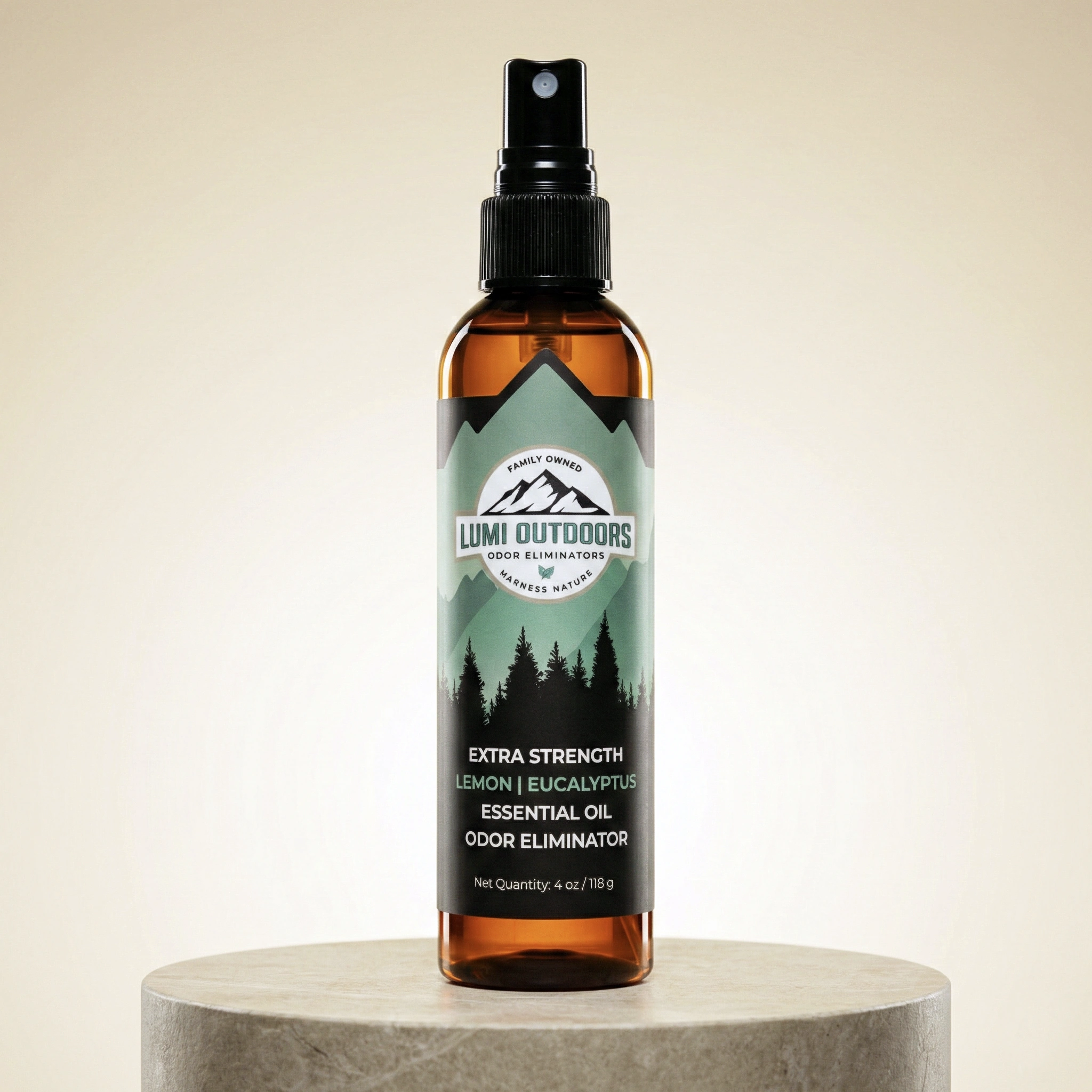
Join 1 Million+ Other People Who Chose Lumi to Conquer Their Shoe Odor.
- DESTROYS ODOR AT THE SOURCE, DOESN'T JUST MASK IT
- ALL-NATURAL & PLANT-BASED INGREDIENTS
- PROUDLY FAMILY-OWNED & MADE IN UTAH
- THE "FRESH CONFIDENCE" GUARANTEE