
7 Fail-Proof Ways to Eliminate Foot Odor in Sneakers for Good
- Start with the insoles Removing and airing insoles after every wear is the single highest-impact habit for preventing sneaker odor.
- Moisture is the real problem Odor starts with sweat. A foot powder applied before socks stops the problem before it reaches your shoe.
- DIY tricks help, but a natural spray is the easy button Enzyme-based sprays neutralize odor at the source overnight — no effort, no harsh chemicals, no masking with fake fragrance.
- Material matters Vinegar and water work on mesh and canvas but can damage leather and suede — always check your sneaker material before applying anything wet.

You know that moment. You kick off your sneakers after a long day, and the smell hits you before your shoes even reach the floor. It's embarrassing. It's frustrating. And if you've got a teenager who plays three sports, or a partner who's on their feet all day, you know that store-bought sprays just... don't cut it.
The good news? You don't need to throw out expensive sneakers or resort to airing them on the back porch every night. These 7 methods actually work — and they work on even the most stubborn sneaker smells. We're talking about the kind of odor that makes you apologize before you take your shoes off.
Work through the list, pick what fits your routine, and by the end you'll have a clear plan. Let's get into it.
1. What Is the First Thing You Should Do When Sneakers Start to Smell?
Pull out the insoles immediately. Insoles absorb the most sweat and are almost always the source of the worst odor. Removing them after each wear — and letting them air dry separately — cuts odor buildup by a wide margin.
Most people leave their insoles locked inside their shoes 24/7. That's a mistake. The foam and fabric in insoles trap moisture like a sponge, and warm, damp material is exactly where odor-causing bacteria thrive. When you peel those insoles out and prop them against a wall or window sill, you're removing the single biggest odor source from your shoe.
Make it a habit. Take off your sneakers, pull the insoles, set them aside. It takes 10 seconds and makes a real difference. If your insoles are older than 6 months and still smell even after airing out, it's time to replace them. They're cheap, and new insoles can make a pair of sneakers feel (and smell) nearly new again.
2. How Does Baking Soda Actually Help With Sneaker Odor?
Baking soda neutralizes odor by raising the pH inside your shoe, creating an environment where odor-causing bacteria can't thrive. Sprinkle it in your sneakers overnight, then shake it out in the morning.
This is the oldest trick in the book, and it still works. Baking soda is a natural base, and the bacteria responsible for foot odor — specifically the ones producing isovaleric acid, that classic "feet" smell — prefer an acidic environment. Baking soda changes that balance.
Pour about a tablespoon into each sneaker before you go to bed. Tip the shoe around so it coats the toe box. Leave it overnight, then shake it out over the trash in the morning. You can also fill a thin sock with baking soda, tie it off, and drop it in the shoe as a reusable sachet — less mess, same result. It won't fix a severe odor problem on its own, but it's a solid weekly maintenance habit.
Most people spray the inside of the shoe and let it sit heel-down, which pools the formula at the bottom and misses the toe box — where 70% of odor-causing bacteria actually concentrate. Flip the shoe upside down after spraying and let it rest on its tongue overnight. Gravity pulls the formula forward into the toe area while the heel dries out naturally, giving you full coverage without needing to use more product.
3. What Is the Best Way to Use White Vinegar on Smelly Sneakers Without Causing Damage?
A diluted white vinegar spray — one part vinegar to two parts water — works well on fabric and mesh sneakers when applied lightly and allowed to fully air dry. Never soak leather or suede in vinegar, as it can damage the material.
White vinegar is a weak acid, which makes it surprisingly effective at neutralizing the alkaline compounds produced by foot bacteria. It also evaporates clean, so that sharp vinegar smell disappears as it dries. Here's how to use it correctly:
- Mix one part white vinegar with two parts water in a small spray bottle
- Spray lightly inside the shoe — don't soak it
- Leave the shoes in a well-ventilated spot for at least 4 hours, ideally overnight
- Check the material first: mesh, canvas, and fabric sneakers handle this well; leather and suede do not
If you're working with delicate sneaker materials like Primeknit, check out this guide on how to clean Primeknit shoes the right way before applying anything wet to them.
What You'll Need
- Baking soda
- Cedar shoe trees
- Extra Strength Shoe Deodorizer Spray Check Price →
- White vinegar
4. Do Frozen Sneakers Actually Stop Odor, and How Long Should You Freeze Them?
Freezing sneakers does reduce odor temporarily by slowing bacterial activity, but it doesn't eliminate odor permanently. Seal shoes in a plastic bag and freeze for 8–12 hours for the best short-term result.
This one sounds strange, but there's real science behind it. Cold temperatures slow down — but don't permanently eliminate — the bacteria causing the smell. It's a useful reset when you need a quick fix before a big day and your sneakers are past ripe.
Seal your sneakers inside a zip-lock bag or a tied grocery bag (this protects your food from absorbing odors — yes, that's a real thing). Pop them in the freezer before bed. Pull them out in the morning, let them return to room temperature before wearing, and you'll notice a real improvement. Just know this is a band-aid, not a cure. You'll need to combine it with other steps on this list for lasting results.
Pair it with the baking soda trick after thawing, and you've got a solid one-two approach for a quick refresh.
5. How Do Cedar Shoe Trees Help With Sneaker Odor and Are They Worth It?

Cedar shoe trees absorb moisture, help sneakers hold their shape, and naturally deodorize using cedar's aromatic compounds. They're worth it for sneakers you wear regularly, especially those made from leather or structured mesh.
Cedar wood is naturally porous and pulls moisture out of the interior of your shoes as they sit. Less moisture means less bacterial growth, which means less smell over time. Cedar also has a light, clean scent of its own that helps mask any lingering odor while it works.
Cedar shoe trees are a longer-term investment. You're looking at around $15–$30 for a decent pair. But if you rotate them between two or three pairs of sneakers, they pay for themselves fast by extending the life of your shoes. The secret to long-term freshness is always moisture control — and cedar trees do exactly that passively, with zero effort on your part.
Sand them lightly with fine sandpaper every few months to reactivate the wood's natural absorption and scent.
6. What Is the Most Effective Way to Control Foot Sweat Before It Reaches Your Sneakers?
The most effective prevention strategy is applying a moisture-absorbing foot powder directly to your feet before you put on socks. This stops sweat before it saturates the shoe liner, which is where odor starts.
Most people treat sneaker odor reactively — they notice the smell and then reach for a spray. But the smarter move is stopping the moisture before it ever reaches the shoe. Sweaty feet — a condition known clinically as plantar hyperhidrosis — can produce a significant amount of moisture daily, and once that soaks into foam insoles, it's very hard to fully remove.
A talc-free foot powder like Lumi's Natural Foot Powder applied to clean, dry feet before you put on socks creates a dry barrier that absorbs sweat throughout the day. You can also sprinkle a little directly into the shoe. This is especially useful for athletes, people who work on their feet all day, and kids who refuse to take their shoes off until dinner. Understanding why kaolin clay outperforms traditional talc is worth a read if you're curious about what makes the formula work.
Prevention is always easier than treatment. If you're dealing with odor that keeps coming back no matter what you spray, a moisture-first approach changes everything. You can read more about the hidden reasons your shoes still smell after washing — spoiler: moisture is almost always the culprit.
7. What Is the Easiest, Most Effective Product for Eliminating Sneaker Odor Without All the DIY Work?

A natural enzyme-based shoe deodorizer spray — specifically one formulated with tea tree oil and citrus or eucalyptus — is the fastest, most consistent solution for eliminating sneaker odor. Just spray inside the shoe, let it dry, and you're done.
Look, the methods above work. But they take time, planning, and consistency. Some nights, you just need the shoes to not smell by tomorrow morning. That's where a good spray comes in — and not all sprays are created equal.
Most aerosol sprays from big brands mask odor with fragrance. They make the shoe smell like a pine forest for a few hours, and then the original smell comes back because the source was never addressed. The difference with a natural enzyme-based formula is that it targets the source of the odor — the bacterial activity breaking down sweat compounds — rather than just covering it up.
Lumi's Extra Strength Shoe Deodorizer Spray is our top recommendation for severe or persistent sneaker odor. The lemon and eucalyptus formula is 100% plant-based, safe for all shoe materials, and safe to use around kids and pets. Spray it in before bed, let it work overnight, and pull on fresh sneakers in the morning. For daily maintenance on lighter odors, the Natural Citrus Tea Tree Shoe Deodorizer Spray is a great everyday option — bright citrus scent, gentle enough for regular use.
If you want to go all-in, pair the spray with the foot powder. That's the complete system: stop the sweat before it starts, and neutralize anything that got through. For a deeper look at how sprays and powders compare for different shoe types, this breakdown on spray vs. powder is genuinely helpful.
Nothing's perfect. Here's what worked and what didn't — an honest look before you decide which approach is right for you:
- Plant-based formula is safe for all shoe materials and won't degrade delicate mesh or foam
- Extra-strength concentration handles even the worst chronic odors
- Works overnight with zero effort — spray and forget it
- No toxic aerosols — completely safe for use around children and pets
- Clean lemon and eucalyptus scent that disappears without leaving a chemical smell
- The DIY methods (baking soda, vinegar, freezing) require consistency to maintain results — they're not one-and-done fixes
- Severely saturated insoles may need to be replaced entirely before any spray or powder can fully do its job
The Bottom Line
Sneaker odor isn't a mystery. It's moisture, bacteria, and time — and every method on this list targets at least one of those factors. Pull the insoles. Let them breathe. Use baking soda as a weekly habit. Try the freezer trick in a pinch. Get cedar shoe trees for your go-to pairs. And if you want the fastest, most consistent results without the DIY routine, a quality natural spray is the answer.
Start with one or two of these. You don't have to do all seven. But if the smell keeps coming back no matter what you try, that's usually a sign the moisture problem hasn't been solved — and a foot powder used before you put on socks will change things fast.
Fresh sneakers are not a luxury. They're just a habit.
Ready to try Extra Strength Shoe Deodorizer Spray?
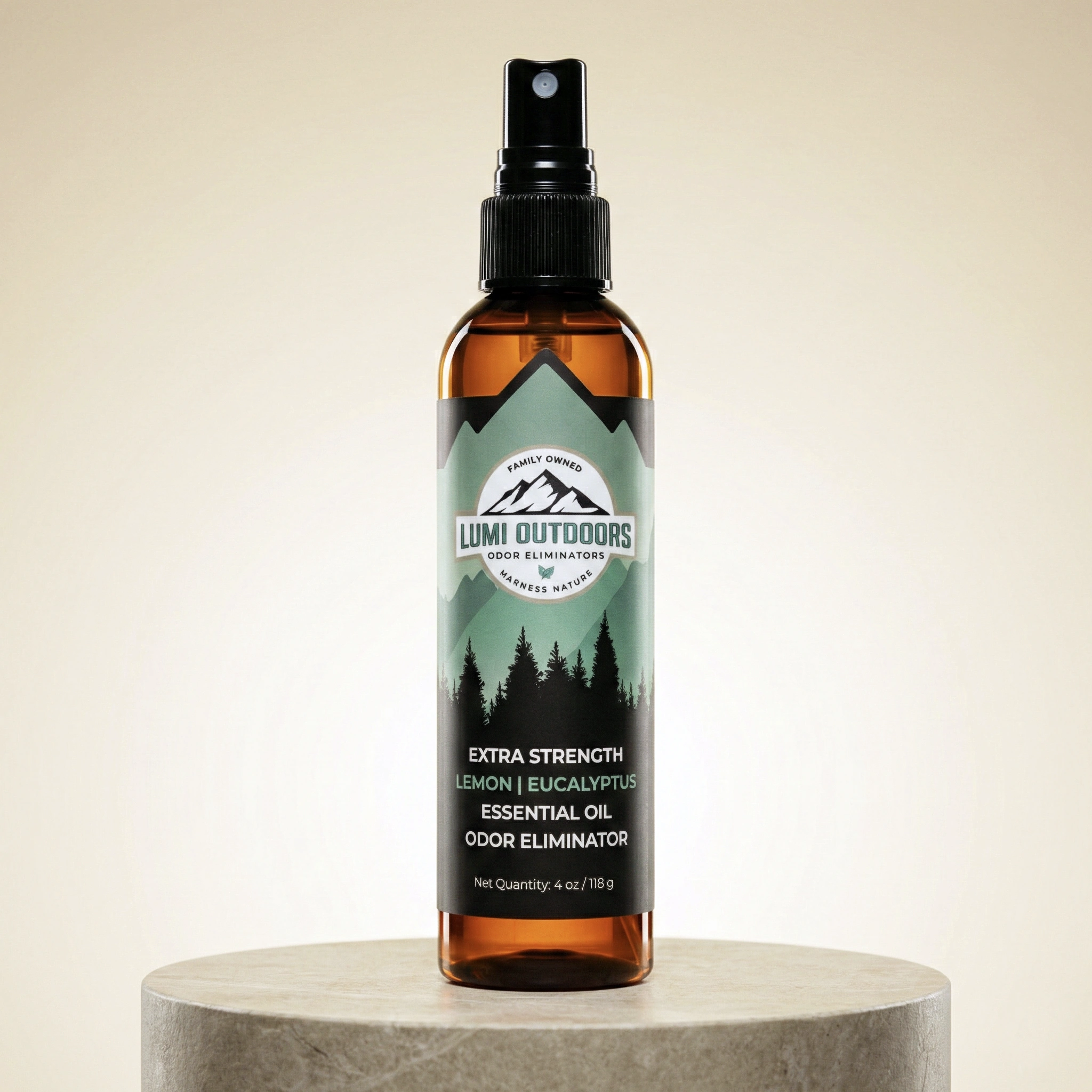
Join 1 Million+ Other People Who Chose Lumi to Conquer Their Shoe Odor.
- DESTROYS ODOR AT THE SOURCE, DOESN'T JUST MASK IT
- ALL-NATURAL & PLANT-BASED INGREDIENTS
- PROUDLY FAMILY-OWNED & MADE IN UTAH
- THE "FRESH CONFIDENCE" GUARANTEE