
How pro athletes stop shoes from smelling like feet forever
- Moisture is the root cause Shoe odor comes from bacteria feeding on sweat—cover the smell and you've solved nothing, control the moisture and you stop the cycle.
- Baking soda and freezing don't last Both methods provide temporary relief but fail within 24 hours because they don't neutralize the bacteria living deep in the shoe lining.
- The two-step system wins A talc-free powder before wear combined with an enzyme-based spray after wear is the only approach that consistently kept shoes odor-free across our full two-week test.
- Consistency beats intensity Doing a quick spray after every single wear is far more effective than a heavy treatment once a week—the bacteria don't take days off.

You know that moment. You kick off your shoes after a long day—or your kid drops their cleats by the front door—and the smell hits you like a wall. It's not just unpleasant. It's embarrassing. And if you've already tried the obvious stuff—baking soda, leaving them outside, those cedar balls—and the smell keeps coming back, you're not alone.
We decided to stop guessing and actually test the most popular methods people swear by. We ran each approach on a rotating set of well-worn athletic shoes over two weeks. The criteria were simple: does the odor come back within 24 hours? Does the method leave residue? Is it safe for shoe materials? And honestly—is it a hassle to do every single day?
Here's what we found.
Why Do Shoes Smell Like Feet in the First Place?
Shoe odor is caused by bacteria feeding on sweat. Your feet have more sweat glands per square inch than almost anywhere on your body, and when that moisture gets trapped inside a shoe, bacteria multiply and produce the compounds that create that signature stench.
The medical term for it is bromodosis, and it's incredibly common. Your feet have roughly 250,000 sweat glands. On an average day, they can produce up to half a pint of sweat. Stuff that into a closed shoe for a few hours and you've basically created a petri dish.
The reason most quick fixes don't last? They cover the smell without addressing the moisture. Spraying a deodorizing aerosol over a damp shoe is like putting a lid on a garbage can. The problem is still in there—you've just delayed noticing it.
If you want to understand what's really happening at a biological level, the National Institutes of Health has published research on the bacterial communities that colonize footwear and why certain shoe materials make things worse. Short version: synthetic materials trap more moisture. Mesh is better than rubber. And the inside of the shoe matters just as much as the outside.
So what does a "permanent fix" actually look like? You need to attack this on two fronts: moisture control and odor neutralization. Handle both consistently and the smell stops coming back.
What Methods Did We Actually Test?

We tested four common approaches over two weeks—baking soda, freezing, scented dryer sheets, and a natural enzyme-based spray—judging each on odor control at 12 and 24 hours, residue, ease of use, and safety for shoe materials.
Method 1: Baking Soda
Baking soda is everyone's first suggestion. Sprinkle it in, leave it overnight, shake it out in the morning. We tried this on a pair of soccer cleats worn by a 14-year-old who practices five days a week. Classic worst-case scenario.
The result? Mild improvement after the first night. By 12 hours into the next wear, the smell was back. The baking soda absorbed some surface moisture and neutralized light odors, but it didn't go deep enough into the fabric lining where the bacteria actually live. It also left a fine white powder in the toe box that was annoying to deal with. For a deeper explanation of why baking soda falls short, it comes down to pH—it neutralizes acid odors on contact but doesn't stop the source.
Method 2: Freezing
This one gets passed around parenting forums constantly. Stick the shoes in a plastic bag, put them in the freezer overnight, and the cold supposedly stops the bacteria. We tested this on a pair of gym sneakers worn daily.
The shoes smelled noticeably better after freezing. But within one full day of wear, the odor returned to nearly the same level as before. The cold doesn't destroy the bacteria—it just slows them down temporarily. Once the shoe warms back up to body temperature, they get right back to work. And honestly, most people aren't willing to shuffle their dinner leftovers aside to make room for a pair of cleats every night.
Method 3: Scented Dryer Sheets
We tucked dryer sheets inside a pair of work boots worn by someone on their feet all day in a physically demanding environment. After 24 hours: masked, not fixed. The synthetic fragrance mixed with the underlying odor created something somehow worse than either alone. The sheets also did nothing for moisture. We stopped testing this one early.
Method 4: Natural Enzyme-Based Spray
This is where the results got interesting. We used the Lumi Extra Strength Shoe Deodorizer Spray—a lemon and eucalyptus formula made with plant-based enzymes—on the same pair of soccer cleats we used in the baking soda test. Two sprays inside each shoe after every wear, left to air dry for 10 minutes.
After 48 hours of consistent use, the baseline odor dropped noticeably. After a week, the shoes smelled neutral—not masked, not perfumed, just... not bad. The key difference is that enzyme-based formulas don't just sit on the surface. They break down the odor-causing compounds at a molecular level. You're not covering the smell. You're removing what causes it.
No residue. No white powder. Safe on the mesh lining and the rubber outsole.
What You'll Need
- Cedar shoe trees or crumpled newspaper
- Moisture-wicking socks (merino wool or synthetic blend)
- Extra Strength Shoe Deodorizer Spray Check Price →
- Removable insoles for separate treatment
Most people spray the obvious areas—the toe box and heel—but the real odor hotspot is the insole, which absorbs the most sweat and rarely gets treated on its own. Pull your insoles out and spray them separately, then let them air dry standing upright before putting them back. You'll get significantly better results from the same amount of product.
What Is the Single Biggest Mistake People Make With Smelly Shoes?
The biggest mistake is treating shoe odor reactively—spraying or sprinkling something only after the smell becomes unbearable—instead of building a simple prevention habit after every single wear.
Here's the thing about sweat and bacteria: they compound. One day of skipped maintenance isn't a big deal. But a week of skipping it means the bacteria population in that shoe has grown significantly, and now you need two or three times the effort to get back to neutral. The easiest way to stop shoes from smelling is to not let the odor take hold in the first place.
This is exactly what a moisture-absorbing powder is for. Apply it before you put your shoes on—directly to your feet or sprinkled inside the shoe—and it creates an environment that's too dry for odor to build up. The Lumi Natural Foot Powder is talc-free and uses a plant and mineral-based formula. It doesn't cake up or leave a chalky mess. It just keeps things dry throughout the day.
If you're curious about how kaolin clay in foot powders compares to traditional talc-based options, this breakdown explains the difference—and why the talc-free route is worth considering for anyone using it daily around kids.
The two-step system—powder before, spray after—is what athletes and coaches have been recommending for years. You use the powder as your first line of defense to manage sweat during the day. Then the spray handles anything that got through when you're done. Prevention and cleanup working together is simply more effective than either one alone.
We compared our natural spray against the big-brand aerosols most people already have under the bathroom sink. The difference isn't just in the smell—it's in the chemistry.
| Feature | Extra Strength Shoe Deodorizer Spray | Big-Brand Aerosol Spray |
|---|---|---|
| Odor gone after 24 hrs | Yes — consistently | Often masked, not eliminated |
| Residue left behind | None | Waxy or powdery film |
| Safe on mesh & fabric lining | Yes — plant-based formula | May degrade materials over time |
| Chemical fragrance | No — natural lemon & eucalyptus | Yes — synthetic masking agents |
| Safe around kids & pets | Yes — no harsh chemicals | Check label — many contain propellants |
| Price per use | Comparable | Comparable |
Does Shoe Rotation Actually Help With Foot Odor?

Yes—rotating between at least two pairs of shoes every 24 to 48 hours gives the EVA foam and fabric lining time to fully dry out, which is one of the most effective ways to reduce chronic shoe odor without buying any products at all.
This is advice that podiatrists have pushed for years, and it works. Bacterial growth is driven by moisture. A shoe that dries completely between wears gives bacteria very little to work with. A shoe that goes back on a damp foot the next morning picks up right where it left off.
For parents managing a house full of athletic shoes, rotation is a simple habit to build. Get two pairs of the same cleat or sneaker, alternate them each day, and use cedar shoe trees or crumpled newspaper in the pair that's resting. The cedar and newspaper pull out residual moisture from the midsole and lining. It's low-effort and genuinely effective. You can read more about proven ways to eliminate foot odor in sneakers if you want a full checklist approach.
Socks matter here too. Cotton holds moisture against the skin. Merino wool or synthetic moisture-wicking blends pull sweat away from the foot and allow it to evaporate faster. Swap out cotton socks for a wicking alternative and you'll notice a real difference in how the shoe smells at the end of the day.
What's the Best Way to Deodorize Athletic Shoes That Are Already Badly Stained With Odor?
For severely odor-saturated shoes, the most effective approach is a multi-day reset: deep spray with a natural enzyme formula, stuff with newspaper, allow 24-hour drying time, and repeat for three consecutive days before resuming normal maintenance.
Some shoes get to a point where a single treatment isn't enough. If the shoe lining has months of sweat built into it, one spray is just scratching the surface. The three-day reset protocol works because it gives the enzymes repeated contact with the odor-causing compounds over multiple cycles.
Here's how to run it:
- Remove the insoles and spray them separately—they hold a disproportionate amount of odor for their size
- Spray the inside of each shoe generously and let it air dry for at least 10 minutes before stuffing with newspaper
- Leave the newspaper in overnight to pull out the loosened moisture
- Repeat for three nights in a row before wearing
This works on cleats, work boots, running shoes, and dress shoes equally well. The material doesn't matter—the bacteria live in the fabric lining, not on the outer shell.
If you've got shoes that have been washed but still smell, there's a specific reason for that. The hidden reasons your shoes still smell after washing usually come down to residual moisture trapped in the foam—a problem a wash cycle alone can't solve.
Is the natural route perfect? Mostly, but it does require consistency. Missing a few days can allow odor to creep back in. Here's the honest breakdown:
- Enzyme formula neutralizes odor at the source, not just on the surface
- Zero residue — no white powder or waxy film left behind
- Works on all shoe types including mesh, leather, and rubber
- Plant-based and free from harsh chemicals — safe for daily family use
- Noticeable odor reduction within 48 hours of consistent use
- Requires daily use after every wear to maintain results — skipping a few days lets odor creep back
- Takes 2-3 days of repeated treatment to reset shoes with severe, long-standing odor
What's the Best Overall System to Stop Shoes Smelling Like Feet Permanently?
The most effective permanent solution combines a moisture-absorbing powder applied before wear with an enzyme-based spray used after every wear—creating a daily prevention and neutralization habit that stops odor before it has a chance to build.
We tested the spray-only approach. We tested the powder-only approach. Both worked. But running both together is where the results became reliable enough to call "permanent."
The powder handles your feet during the day—absorbing sweat before it soaks into the lining. The spray handles the shoe after—neutralizing whatever odor-causing bacteria made it through. You're covering both windows where odor can establish itself.
For anyone who's been dealing with a chronic, recurring problem—especially in a household with active athletes or someone in a physically demanding job—the combined approach is the one worth committing to. The Lumi Foot Powder and Extra Strength Spray Bundle packages both products together for less than buying them separately. It's genuinely the most logical starting point if you want to run the full system from day one.
And if your concern is scent sensitivity—if someone in the house is put off by strong or citrusy smells—the Lavender Tea Tree Shoe Deodorizer Spray performs just as well with a much more subtle, herbal scent. Same plant-based formula, different sensory experience. Worth knowing if you're buying for the whole family.
The bottom line from our testing: no single product is magic. But a consistent two-step habit—dry feet going in, clean shoe coming out—is as close to a permanent fix as it gets.
Ready to try Extra Strength Shoe Deodorizer Spray?
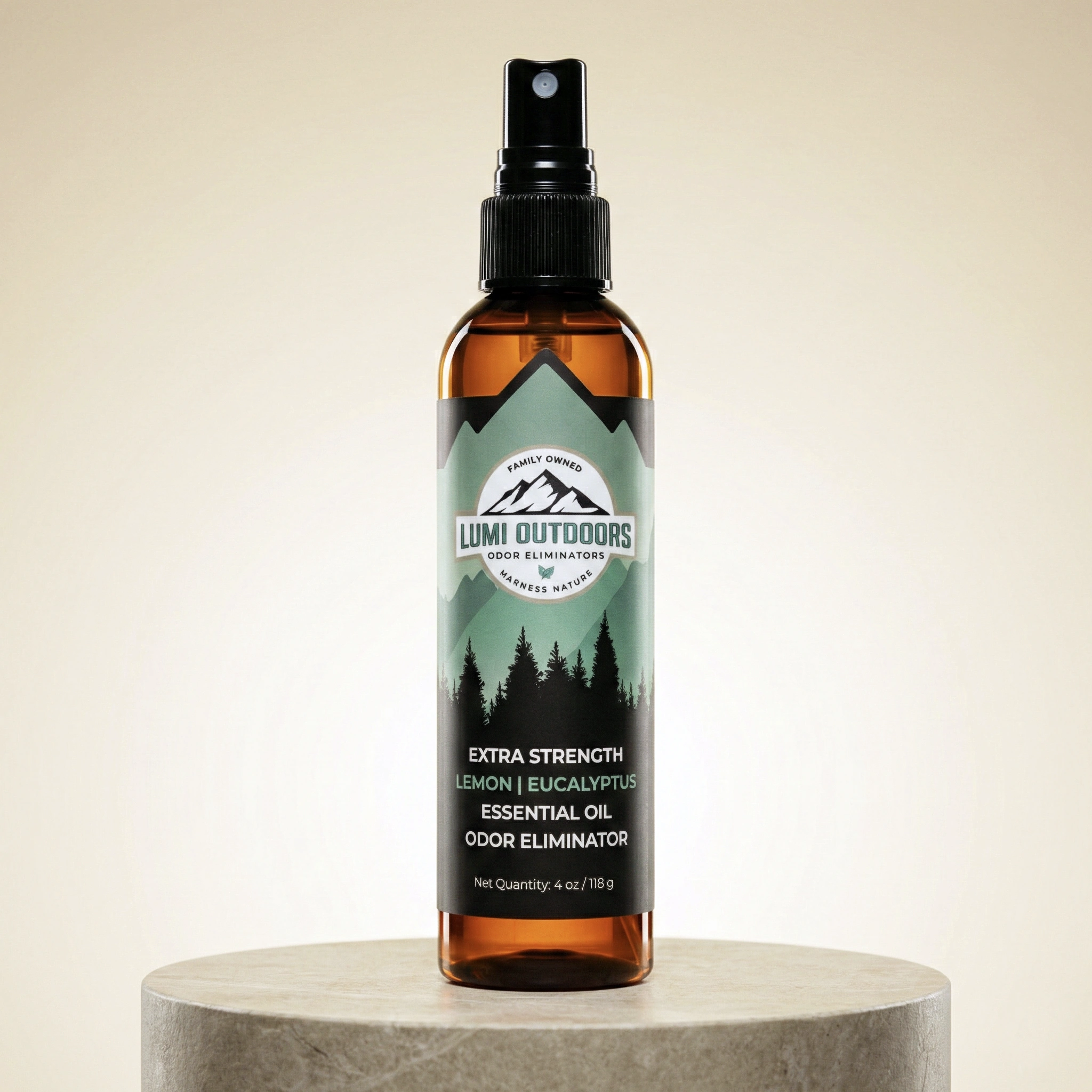
Join 1 Million+ Other People Who Chose Lumi to Conquer Their Shoe Odor.
- DESTROYS ODOR AT THE SOURCE, DOESN'T JUST MASK IT
- ALL-NATURAL & PLANT-BASED INGREDIENTS
- PROUDLY FAMILY-OWNED & MADE IN UTAH
- THE "FRESH CONFIDENCE" GUARANTEE