
The 3-Step Masterclass to Freshen Gym Shoes After Your Run Effortlessly
- Moisture is the root cause Running shoe odor starts with trapped sweat — address the moisture first and the smell has nothing to feed on.
- Timing is everything The 5 minutes right after you take your shoes off are the most important window — act then, not the next morning.
- Masking vs. neutralizing Aerosol sprays cover the smell temporarily; plant-based enzyme formulas actually break down the odor compounds at the source.
- Consistency beats intensity A 3-minute daily routine prevents buildup far more effectively than an occasional deep-clean rescue mission.

You've just finished a solid run. Maybe it was 5 miles on the trail, or a hard 45-minute treadmill session before work. You feel great. You peel off your shoes, and then — the smell hits you. Or worse, it hits everyone else in the locker room before it hits you.
That moment of fumbling to stuff your shoes into your bag before anyone notices? Yeah. We've all been there. And if you're a parent with a teenager who runs cross-country, you already know that a single pair of running shoes can clear a room faster than a fire alarm.
The good news: this is a completely solvable problem. And you don't need a cabinet full of chemical sprays to fix it. Here's the 3-step system that actually works — and the science behind why it does.
Why Do Gym Shoes Smell So Bad After a Run?
The odor from running shoes isn't caused by sweat itself — it's caused by moisture-loving microorganisms that feed on sweat and dead skin cells inside your shoe, releasing the sulfurous, sour compounds that create that unmistakable locker-room smell.
Your feet have roughly 250,000 sweat glands — more per square inch than almost anywhere else on your body. During a run, a single foot can produce up to half a cup of sweat. That moisture soaks directly into the foam midsole, the insole, and the fabric lining of your shoe. And it doesn't evaporate quickly.
Modern running shoes are designed to be lightweight and flexible. That's great for performance. But that same snug, cushioned construction also traps warm, damp air inside the shoe — which is exactly the environment where odor-causing organisms thrive. The condition is medically known as bromodosis, and it's far more common than most people admit.
Most people reach for baking soda or a drugstore aerosol spray. Both are short-term fixes at best. Baking soda absorbs some moisture but does nothing to address the source of the odor. Aerosol sprays mask the smell with fragrance — and that fragrance wears off in about 20 minutes. If you want to understand exactly why baking soda fails and what actually works instead, we've broken that down in detail.
The right approach targets the moisture first, then addresses the odor directly. That's what the 3-step system does.
Most runners spray the insole and call it done — but the real odor reservoir in a running shoe is the foam midsole and the heel cup, not the insole itself. Pull the insole out completely before spraying, and direct 1–2 sprays into the heel cup area where sweat pools most heavily. Leaving the insole in during application blocks the formula from reaching the most saturated part of the shoe.
What Do You Actually Need to Freshen Gym Shoes After a Run?

You need three things: something to pull moisture out of the shoe, something to neutralize the existing odor compounds, and something to prevent the cycle from starting again the next day.
Before we get into the steps, let's talk about what you'll want to have on hand. Nothing exotic here — just the right tools used in the right order.
Cedar shoe trees are your first line of defense. Real cedar (not plastic, not cardboard) pulls moisture out of the shoe while also helping it hold its shape. Slip them in the moment you take your shoes off, and they start working immediately. You'll find step-by-step guidance on how to use them below.
A microfiber towel is for wiping down the inside of the shoe before anything else. A quick 10-second wipe removes the surface-level sweat so your other tools can work more effectively. It sounds small, but skipping this step means you're applying deodorizer on top of a wet surface — which dilutes the formula and slows it down.
Newspaper is an old trick that still works. Crumpling a few sheets and stuffing them into the toe box before you insert the cedar trees helps draw out excess moisture from the deepest parts of the shoe first. Use it as a primer — stuff, wait 10 minutes, remove, then go in with the cedar trees.
And then there's the spray. This is where most people underinvest. A plant-based formula with natural essential oils doesn't just cover the smell — it neutralizes the compounds causing it. You want a spray that works on the source, not just the surface.
If you're dealing with a serious, persistent odor problem — the kind that's survived a few washes and three different sprays — you need something with real strength behind it. That's exactly what this is built for:
What You'll Need
- Cedar shoe trees
- Microfiber towel
- The Variety Bundle | 3-Pack (Lemon Eucalyptus, Citrus, Lavender) Check Price →
- Newspaper (for moisture-drawing)
What Is the 3-Step Method to Freshen Gym Shoes After a Run?
The 3-step method is: wipe and air immediately after your run, insert cedar shoe trees with a newspaper primer to draw out deep moisture, then apply a plant-based deodorizer spray and let it work overnight.
Step 1: The First 5 Minutes Matter Most
Most people take their shoes off and immediately stuff them in a bag or a closet. This is the single biggest mistake. The shoe is still warm and wet — which means every minute it spends sealed up is another minute of ideal conditions for odor to deepen and set in.
Do this instead: the moment you take your shoes off, pull out the insoles and set them aside separately. They need air just as much as the shoe does. Take a microfiber towel — even a corner of your gym towel works — and give the inside of each shoe a quick wipe. You're not scrubbing; you're just removing the surface moisture.
Then leave the shoes somewhere with airflow. Not in a bag. Not in your trunk. A locker room bench, the passenger seat floor, or a gym bag with the zipper open. Even five minutes of open-air exposure makes a measurable difference in how much moisture is left for the next steps to deal with.
Step 2: The Overnight Moisture Draw
When you get home, crumple two or three sheets of newspaper — the black-and-white kind, not glossy magazine pages — and stuff them firmly into the toe box of each shoe. Newspaper is highly absorbent and will pull residual moisture out of the foam and fabric layers. Leave it for about 10 minutes.
Remove the newspaper, then insert your cedar shoe trees. Push them all the way in so they're making contact with the toe box. Cedar is naturally hygroscopic, meaning it actively draws moisture toward itself. It also releases a light, clean woodsy scent as it does. Real cedar trees aren't expensive — a decent pair runs about $15–$20 and lasts for years if you condition them occasionally with light sandpaper.
Leave the cedar trees in overnight, or for at least 6–8 hours. This is where the real restoration happens.
Step 3: The Spray That Does the Heavy Lifting
With the moisture addressed, now you treat the odor directly. This is where the right spray makes all the difference.
Remove the cedar trees. Hold the bottle about 6 inches from the opening of the shoe and give each shoe 2–3 sprays directly inside. Tilt the shoe slightly to get coverage toward the toe box. Then let the shoes air-dry completely before wearing them again — ideally overnight.
The Extra Strength Shoe Deodorizer Spray uses lemon and eucalyptus oils in a natural enzyme-based formula that neutralizes the odor compounds rather than just covering them. There's no aerosol propellant, no harsh chemicals, no synthetic fragrance masking a still-bad smell underneath. It's safe on all shoe materials — mesh, leather, suede — and completely safe around kids and pets.
For runners who want even more protection, the Natural Foot Powder and Extra Strength Shoe Deodorizer Spray bundle adds a proactive layer: apply the foot powder before your run to reduce sweat output at the source, then use the spray after. It's the approach serious runners use when a spray alone isn't cutting it. If you want a deeper look at how kaolin clay powder compares to traditional talc for this purpose, this breakdown is worth reading.
How Often Should You Treat Running Shoes to Prevent Odor Buildup?
Treat your running shoes after every single use — not once a week, not when they smell bad. Consistency is the whole game. Odor buildup is exponential: the more it sets in, the harder it is to fully clear.
This is the part most guides skip over. They give you a cleaning method but don't tell you that the method only works if you do it consistently. Think of it like brushing your teeth — doing it twice a week doesn't get you the same result as doing it daily.
The 3-step routine takes about 3 minutes total after your first week of practice. Wipe, stuff with newspaper, insert cedar trees, spray. That's it. The shoes sit overnight and you wake up to footwear that smells like a citrus grove instead of a gym locker.
If you run more than three times a week, rotate between two pairs. Giving each pair a full 48 hours between uses makes a significant difference. Running shoes that never fully dry out between wears will develop a permanent odor baseline that's genuinely difficult to reverse — we've broken down the 3 hidden reasons shoes smell even after washing if you're already fighting that battle.
We tested our natural spray against conventional aerosol brands side-by-side. The difference isn't just in the scent — it's in whether the odor comes back the next day. Here's what we found:
| Feature | The Variety Bundle | 3-Pack (Lemon Eucalyptus, Citrus, Lavender) | Standard Aerosol Shoe Spray |
|---|---|---|
| Odor Neutralization | Natural enzymes break down odor compounds at the source | Synthetic fragrance masks smell temporarily |
| How Long It Lasts | Odor stays gone after a single overnight treatment | Fragrance fades within 20–30 minutes; odor returns |
| Shoe Material Safety | pH-neutral; safe on all materials including mesh and suede | Aerosol propellants can degrade adhesives and fabrics over time |
| Ingredients | 100% plant-based; no parabens, aluminum, or harsh chemicals | Synthetic fragrance, aerosol propellants, chemical preservatives |
| Safe Around Kids & Pets | Yes — completely family-safe formula | Not recommended for use around young children or pets |
| Price Per Use | Highly cost-effective with a concentrated formula | Cans empty quickly; higher cost for equivalent coverage |
Are Natural Shoe Sprays Actually Safe for All Running Shoe Materials?
Yes — plant-based sprays formulated without alcohol, bleach, or synthetic solvents are safe for mesh, knit, leather, suede, and foam materials commonly used in running shoes. Aerosol sprays with propellant chemicals can degrade adhesives and fabrics over time.
This matters more than people realize. Running shoes are expensive. A good pair of daily trainers costs $130–$180. Trail shoes run higher. If your deodorizer is degrading the foam or weakening the glue at the midsole, you're shortening the life of the shoe in the process of trying to maintain it.
Plant-based sprays with essential oils don't have that problem. They're pH-neutral and contain no solvents. If you have a pair of Primeknit or knit-upper shoes, the same principle applies — the care guide for Primeknit shoes specifically recommends against solvent-based products for exactly this reason.
One more thing worth knowing: if you or someone in your household has sensitive skin or is managing a condition that requires careful product selection, aluminum-free formulas matter. There's a real difference between aluminum-based powders and plant-based alternatives — the benefits of aluminum-free shoe fresheners are worth understanding before you buy anything.
Nothing's perfect, and consistency does require some habit-building. Here's the honest breakdown:
- Plant-based formula neutralizes odor at the source — not just masks it
- Safe on all running shoe materials including mesh, knit, and suede
- No harsh chemicals, aerosols, or synthetic fragrance
- Works overnight with minimal effort — spray and leave
- Family-safe and pet-safe for everyday household use
- Requires consistent daily use to stay ahead of buildup — skipping days reduces effectiveness
- For very severe, long-standing odor, the powder + spray bundle may be needed before the spray alone shows full results
What's the Best Way to Handle Gym Bag Odor Along With the Shoes?

Treat your gym bag as part of the same odor system — wet shoes sitting inside an enclosed bag transfer odor and moisture to the bag lining, which then re-contaminates clean shoes placed inside it later.
This is one of those things nobody mentions in standard shoe care articles, but it's a real problem. You do everything right with your shoes, and then you drop them back into the same bag where they've been stewing for three days. The bag itself becomes the odor source.
A few habits fix this completely. First, never put wet shoes directly into a closed bag — use a mesh shoe bag or just carry them by hand until they've aired out. Second, give your gym bag a spray once a week, focusing on the inner lining and any pockets where shoes or socks have sat. A citrus or eucalyptus spray works well here because the scent is clean and neutral — not floral or perfumey in a way that's out of place in a gym bag.
If you want one spray that handles shoes, bag, and any other gear in rotation, the Variety Bundle | 3-Pack (Lemon Eucalyptus, Citrus, Lavender) makes practical sense. Keep one bottle in your locker, one by the door at home, one in the bag itself. You'll never be without it. And if different people in the house have different scent preferences — some people genuinely can't stand eucalyptus — having three options solves that problem immediately. Over 31,000 families have made the switch to natural home odor solutions for exactly this reason: here's what drove that decision for most of them.
Also: if you use the spray on your running shoes, it works equally well on gym gloves, boxing gloves, cleats, and neoprene gear. Same principle, same formula. Worth knowing if you're dealing with persistent sneaker odor across multiple pairs.
The goal isn't to wage a constant war against shoe smell. It's to build a 3-minute routine that keeps the problem from ever becoming a problem again. That's what this system does — and once it's a habit, you'll wonder why it took you this long to start.
Ready to end the post-run smell for good?
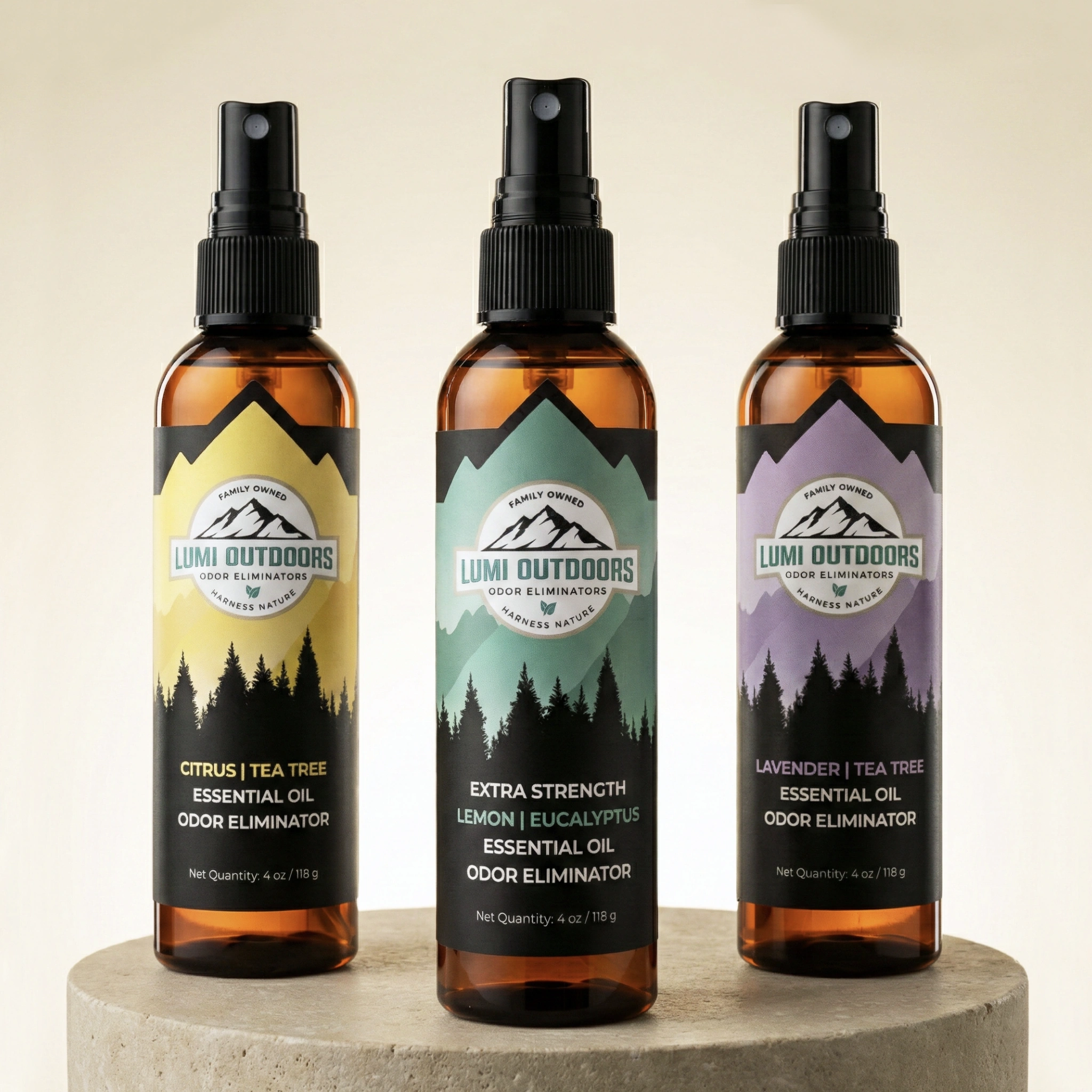
Join 1 Million+ Other People Who Chose Lumi to Conquer Their Shoe Odor.
- THE BEST VALUE: STOCK UP & SAVE
- DISCOVER YOUR FAVORITE SCENT
- PROUDLY FAMILY-OWNED & MADE IN UTAH
- THE "FRESH CONFIDENCE" GUARANTEE