
Why Baking Soda Fails and Tea Tree Oil Destroys the Stench
- Baking Soda Only Masks It neutralizes acidic odor molecules temporarily but does nothing to stop bacteria from generating new ones — so the smell always returns.
- Tea Tree Oil Works at the Source The terpinen-4-ol compound in tea tree oil penetrates shoe materials and disrupts the bacterial activity that produces odor in the first place.
- Your Shoes Need Both Defense and Offense A tea tree spray handles existing odor, but pairing it with a moisture-control powder before each wear is what breaks the cycle for good.

You've been there. The shoes come off, the smell hits you from across the room, and your first instinct is to reach for the baking soda. Maybe you read it somewhere, or maybe your mom swore by it. Either way, baking soda has become the default answer to smelly shoes — right up there with "let them air out" and "try dryer sheets."
But here's the thing: most of the advice you've heard about smelly shoes is either incomplete, mildly damaging, or just plain wrong. And if you've been using baking soda for months without seeing real results, there's a reason for that. It's not your shoes. It's the method.
This article breaks down exactly why baking soda fails to fix the problem long-term, what's actually happening inside a smelly shoe at the molecular level, and why a tea tree shoe deodorizer does what baking soda simply can't.
Why Does Baking Soda Fail to Eliminate Shoe Odor Permanently?
Baking soda temporarily masks shoe odor by neutralizing acidic compounds, but it doesn't address the moisture-rich environment that continuously generates new odor — so the smell always comes back.
Baking soda (sodium bicarbonate) is a pH neutralizer. It's great at pulling acidic odors out of a carpet or fridge. In a dry, static environment, it works fine. But the inside of a shoe is not a fridge shelf. It's a warm, moist, enclosed space that gets repopulated with sweat every single day.
Think about what actually causes shoe odor. Your feet have around 250,000 sweat glands — more per square inch than anywhere else on your body. That sweat itself is mostly odorless. The stench comes from bacteria that live on your skin and inside your shoe's lining, breaking down sweat compounds into volatile fatty acids and isovaleric acid — the stuff that smells like old cheese.
Baking soda can pull some of those acidic molecules out of the air temporarily. But once you put your sweaty foot back in that shoe? The bacteria get right back to work. You haven't changed the environment. You've just cleaned up the last round of odor while the next round gets started.
And here's the part most people don't know: if you're using baking soda on leather shoes or suede, you're actively doing damage. Baking soda is alkaline, and over time, it dries out natural fibers, breaks down leather conditioners, and causes the material to crack or stiffen. The short-term smell fix is costing you long-term shoe life. If you've already noticed this with your leather boots, the 3 Hidden Reasons Your Shoes Smell Bad Even After Washing guide is worth a read — it covers exactly why surface-level fixes keep failing.
What Actually Causes Shoe Odor at the Source?

Shoe odor is caused by bacteria breaking down sweat inside a warm, moist shoe. The real fix isn't masking the smell — it's disrupting that bacterial activity and removing the moisture that feeds it.
The medical name for chronic foot odor is bromodosis, and it's incredibly common. It's not a hygiene failure — it's biology. Feet sweat. Shoes trap that moisture. Bacteria thrive. Repeat.
What makes this cycle so hard to break is that the bacteria doing the damage aren't on the surface of your shoe. They're embedded in the foam insole, the fabric lining, and the stitching. A quick spritz of something that just smells nice doesn't reach them. You need something with actual chemistry behind it — compounds that can penetrate those surfaces and disrupt the bacterial process at a molecular level.
This is where tea tree oil changes the equation entirely.
Tea tree oil (derived from the Melaleuca alternifolia plant) contains terpinen-4-ol, a compound that works by destabilizing bacterial cell membranes. It doesn't just sit on top of the smell — it works at the source, interfering with the biological process that generates the odor in the first place. The National Institutes of Health has published research confirming tea tree oil's effectiveness against a wide range of odor-causing bacteria at the cellular level.
The difference matters. Baking soda reacts with odor molecules already in the air. Tea tree oil works on the source — the bacteria producing those molecules continuously.
The biggest mistake people make is spraying their shoes and then immediately putting them in a closet or gym bag. Enclosing a damp shoe traps moisture and actually slows the formula's absorption. Always let shoes sit open and uncovered for at least 20-30 minutes after spraying — ideally overnight in a ventilated area. The drying phase is where the active compounds do most of their work.
How Does a Tea Tree Shoe Deodorizer Actually Work?
A tea tree shoe deodorizer uses the terpinen-4-ol compound in tea tree oil to penetrate shoe materials and disrupt odor-causing bacteria at the source, rather than simply masking existing smell.
The application process is straightforward, but the chemistry happening inside your shoe afterward is pretty interesting. Here's what you're actually doing when you spray a tea tree-based deodorizer inside a shoe:
The spray distributes fine droplets of tea tree oil (along with supporting botanicals like rosemary and lavender, depending on the formula) deep into the shoe's interior surfaces. Because the molecules in plant-based oils are significantly smaller than those in synthetic fragrance compounds, they actually absorb into foam and fabric rather than sitting on top of them. That means they're reaching the bacteria where they live, not just covering the smell with something that fades in an hour.
The odor neutralization happens in two stages. First, the natural acids in the formula react with and break down existing odor compounds. Second, the tea tree oil's active compounds create an environment where bacterial activity is significantly reduced — so the odor-generation cycle slows down rather than just getting temporarily interrupted.
And unlike baking soda, a properly formulated plant-based spray won't dry out your shoe materials. It's not alkaline, it doesn't leave a powdery residue that abrades leather, and it won't cause the material stiffness that baking soda is quietly causing to your nice shoes right now.
If you're dealing with cleats specifically, the enclosed plastic shell makes this even more pronounced — check out 5 Ways to Use a Soccer Cleats Odor Eliminator Without Washing for how to apply this correctly.
If you want to stop the odor before it even starts — not just react to it after the damage is done — you need a spray that works at the source. This is the one we keep by the door:
What You'll Need
- Cedar shoe trees
- Soft-bristled shoe brush
- Extra Strength Shoe Deodorizer Spray Check Price →
- Clean dry cloth
Is Tea Tree Oil Safe for All Shoe Materials?
Yes — diluted tea tree oil in a properly formulated spray is safe for leather, suede, mesh, synthetic fabrics, and rubber. Unlike baking soda or alcohol-based sprays, it won't dry out or degrade shoe materials with regular use.
This is a fair concern, and it's worth being direct about. Undiluted essential oils can absolutely damage some materials — that's a real thing. But a commercial tea tree shoe deodorizer uses diluted concentrations specifically designed for fabric and leather contact.
Here's how it compares to the most common DIY alternatives:
Baking soda: Alkaline pH slowly breaks down leather conditioning oils and can cause cracking over time. The powder also builds up in stitching and insole seams.
Rubbing alcohol: Effective at disrupting bacteria short-term, but deeply drying to leather and can strip dye from colored suede. Repeated use degrades the material structure. If you're wondering about specific materials, the Primeknit care guide covers how harsh chemicals interact with modern knit shoe materials.
Vinegar: Temporarily effective on odor, but the acetic acid can be harsh on adhesives and some synthetic materials, and the vinegar smell itself can linger.
Tea tree spray: pH-balanced, plant-derived, and formulated at concentrations that are effective without being corrosive. You can use it on leather dress shoes, mesh running shoes, rubber-soled cleats, and even the inside of ski boots — without worrying about material damage.
We tested both side-by-side against the big-name aerosol sprays. The difference isn't just in the smell — it's in the chemistry. Here's how the natural formula holds up:
| Feature | Extra Strength Shoe Deodorizer Spray | Baking Soda (DIY) |
|---|---|---|
| Odor Source Treatment | Penetrates foam and lining to disrupt bacteria at the source | Reacts with acidic odor molecules already in the air |
| Lasting Results | Breaks the odor cycle with consistent use | Smell returns once bacteria resume activity |
| Safe on Leather | pH-balanced formula, safe for all materials | Alkaline residue dries and cracks leather over time |
| Ease of Use | 2-second spray, no mess, no residue | Pour, wait, shake out — leaves white powder residue |
| Ingredient Safety | 100% plant-based, safe for kids and pets | Generally safe but can irritate airways in fine powder form |
What's the Best Way to Use a Tea Tree Shoe Deodorizer for Maximum Results?

For best results, spray the inside of shoes immediately after wearing them, allow to fully dry before storing, and use a complementary foot powder for moisture control during wear — this two-step approach addresses both the cause and the symptoms.
The spray works hardest when the shoe is still slightly warm from wear. That warmth helps the plant-based compounds penetrate deeper into the foam and lining. So don't wait until morning to spray — do it right when you take the shoes off.
Here's a simple routine that actually works:
Step 1: Shake the bottle before each use. Plant-based formulas can separate slightly, and a quick shake ensures even distribution of the active ingredients.
Step 2: Spray 2-3 times into each shoe, directing the nozzle toward the toe box and heel where odor concentration is highest. You don't need to drench the shoe — a light, even coat is enough.
Step 3: Let the shoes air dry completely before putting them back in a bag or closed closet. If you're storing them overnight, leave them in an open area. Cramming damp shoes into an enclosed space just restarts the moisture cycle you're trying to break.
Step 4: Apply a natural foot powder to the inside of the shoes before your next wear. This addresses the moisture side of the equation — and it's the step most people skip. Our Natural Foot Powder is talc-free, uses plant and mineral-based ingredients, and creates a dry environment inside the shoe before sweat has a chance to accumulate. It's a proactive defense rather than a reactive cleanup.
For a deeper explanation of why the spray-and-powder combination works so much better than either product alone, the spray vs. powder guide breaks it down clearly.
You'll also want to keep these items on hand for the full routine:
- A clean, dry cloth — useful for wiping out excess powder residue or lining buildup before spraying fresh shoes
- Cedar shoe trees — these absorb residual moisture between wears and help maintain shoe shape while the spray does its work
- A shoe brush with soft bristles — for clearing out dried powder buildup from insoles and keeping the lining surface open to absorb the spray properly
Which Tea Tree Shoe Deodorizer Formula Is Right for Your Situation?
Choose the Extra Strength formula for athletic gear and work boots, the Citrus version for daily maintenance, and the Lavender formula if you prefer calming herbal scents or have sensitivity to strong citrus or chemical smells.
Not every shoe problem is the same, and the right formula matters.
If you're dealing with cleats that have been baking in a sports bag all week, or work boots that have been through a full construction shift — that's a job for the Extra Strength Shoe Deodorizer Spray. The lemon and eucalyptus formula is the most potent option and handles deeply embedded odors that lighter sprays won't touch. It's the one that earns its "extra strength" label.
For everyday maintenance — the sneakers your kid wears to school, your own gym shoes, casual footwear that gets regular use but isn't extreme — the Natural Citrus Tea Tree Shoe Deodorizer Spray is a great daily driver. The bright citrus formula freshens without overpowering, and it's gentle enough for repeated use on all materials.
And if you or someone in your household is sensitive to strong scents — or you just want something with a more spa-like, calming quality — the Natural Lavender Tea Tree Shoe Deodorizer Spray delivers the same odor-fighting chemistry with a softer, herbal finish. A lot of parents find this one works better when they're spraying kids' shoes in a shared space — it's effective without being overwhelming.
For the most serious cases — athletes, construction workers, anyone with chronic odor that never fully clears — the Natural Foot Powder and Extra Strength Shoe Deodorizer Spray bundle is the most complete approach. You get proactive moisture defense from the powder and reactive odor elimination from the spray. It's the two-sided solution that addresses both the cause and the result. Also worth reading: 5 Non-Toxic Sneaker Sprays That Actually Neutralize Tough Cleat Stench for context on how natural formulas compare across the category.
Nothing's perfect. Here's the honest breakdown of what works and where you'll need to stay consistent:
- Addresses the bacterial source of odor, not just the smell itself
- Safe for all shoe materials including leather and suede
- Plant-based formula with no harsh chemicals or synthetic fragrances
- Multiple scent options to match different preferences and sensitivities
- Works fast — noticeable difference overnight with consistent use
- Requires a consistent daily routine to break the odor cycle — a one-time spray won't fix a deeply embedded problem
- The extra-strength formula has a potent eucalyptus scent that some find too strong in enclosed spaces
What Should You Stop Doing and Start Doing Instead?
Stop relying on baking soda, dryer sheets, and one-time treatments. Start using a tea tree-based spray immediately after wear, combined with a moisture-control powder before wear, for consistent results that last.
The pattern with baking soda — and most of the other DIY hacks — is that they treat the symptom rather than the system. You're cleaning up the odor that's already there, but you're not changing anything about the environment that keeps producing it.
The shift is simple. Instead of treating your shoes once they smell, treat them right after every wear. A 2-second spray while they're still warm. Let them dry. Powder them before the next use. That's it. You're disrupting the bacterial cycle at the point where it starts, not after it's already running for eight hours.
The people who see the most dramatic results are the ones who commit to the routine for a week. The first day or two, you'll notice the spray doing its immediate job. By day five or six, you start to notice the baseline odor level dropping — because you've broken the cycle rather than just cleaning up after it repeatedly.
If you've got winter boots with trapped moisture causing issues, the 5 Proven Hacks for Winter Boot Smell Removal and Deep Dryness has targeted guidance for those. And for a direct look at how Lumi's natural formula compares to the pharmacy brands, Lumi Outdoors vs. Dr. Scholl's is worth reading before you decide.
Baking soda had a good run. But now you know why it keeps failing — and what the actual fix looks like.
Ready to actually break the shoe odor cycle — not just cover it up?
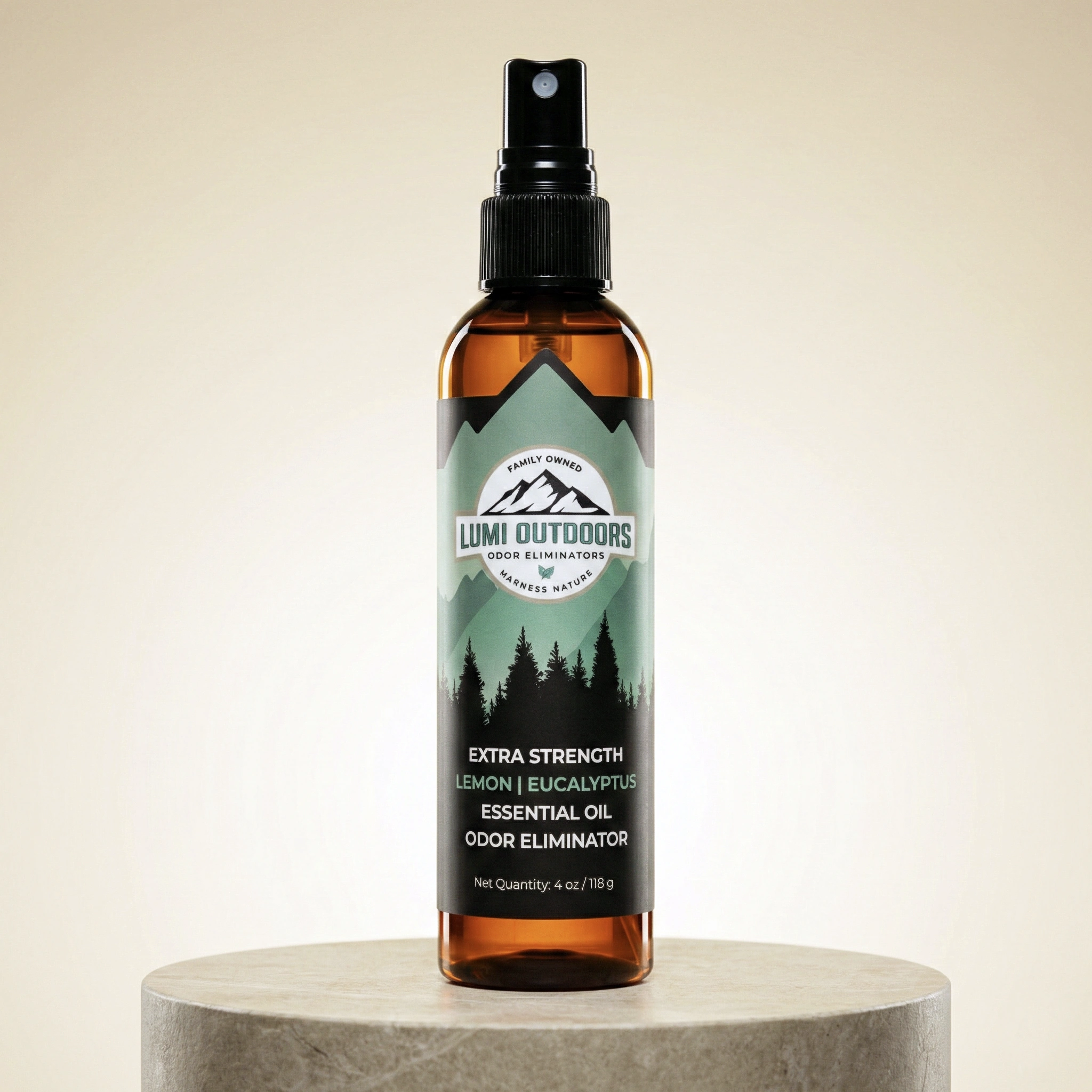
Join 1 Million+ Other People Who Chose Lumi to Conquer Their Shoe Odor.
- DESTROYS ODOR AT THE SOURCE, DOESN'T JUST MASK IT
- ALL-NATURAL & PLANT-BASED INGREDIENTS
- PROUDLY FAMILY-OWNED & MADE IN UTAH
- THE "FRESH CONFIDENCE" GUARANTEE