
5 Proven Hacks for Winter Boot Smell Removal and Deep Dryness
- Pull the Insoles Insoles hold most of the moisture and odor—removing them after every wear is the most impactful single habit you can build.
- Dry Before You Treat Baking soda, cedar, and sprays all work better in a dry boot—newspaper first, then treatment.
- Enzymes Beat Masking A plant-based enzyme spray neutralizes odor compounds in the lining rather than just covering them with a stronger scent.
- Stack the System The fastest and longest-lasting results come from combining foot powder before wear with a deodorizer spray after—targeting moisture and odor separately.

You walk in the door after a long day, kick off your winter boots, and then—there it is. That thick, wet-wool-meets-something-died smell that seems to radiate from the entryway like it has its own personal gravity. Sound familiar?
Winter boots are a special kind of odor problem. Unlike regular sneakers, they're built with heavy insulation, thick liners, and deep toe boxes that trap heat and moisture for hours. Your foot sweats, the sweat soaks into the lining, and then those boots spend the night sitting there in the dark, damp and warm—which is basically a perfect environment for odor-causing bacteria to run wild. By morning, you've got a serious situation on your hands.
The good news? You don't need to throw those boots out or spray them with something that smells like a chemical factory. These 5 hacks actually work. And the last one does all the heavy lifting for you.
1. Why Should You Always Pull the Insoles Out First?
Removing the insoles after every wear is the single most effective habit for winter boot smell removal because insoles absorb the majority of sweat directly from your foot and never fully dry while trapped inside a closed boot.
This is the step most people skip, and it's the reason most other methods only half-work. Insoles are thick, absorbent, and completely sealed off from airflow when they're inside the boot. Even if you leave your boots by an open door all night, the insoles are still sitting in a dark, damp pocket. Pull them out and lay them flat. Do this every single time you take your boots off.
Once they're out, give them a light scrub with a stiff-bristled brush and a small amount of white vinegar diluted in water. Vinegar is one of the most researched natural odor neutralizers available, and it's already in your kitchen. Let the insoles air dry completely—propped up, not flat on the ground—before you put them back in. If they're still damp come morning, leave them out another few hours. A damp insole going back into a boot is just resetting the problem.
2. How Does Newspaper Actually Help with Wet Boot Odor?
Crumpled newspaper packed tightly inside wet winter boots draws out moisture from the lining and insulation, which stops the humid environment that makes odors worse overnight.
This one sounds too simple, but the physics are real. Newspaper is surprisingly absorbent, and when you stuff it firmly into the boot—all the way down to the toe—it pulls moisture out of the fabric lining and the insulation layer. That's the layer that really traps smell in winter boots. Thinsulate, wool, and fleece liners absorb sweat like a sponge and hold it close to your foot all day.
Change the newspaper after an hour or two if the boots were soaked. One round isn't always enough for a boot that's been through slush and a full day of work. And yes, black-and-white newsprint works fine—the ink is typically soy-based these days and won't stain the liner. Do this before you reach for any spray or powder. Dry first, treat second. That order matters.
Most people treat the inside of the boot, but skip the insole entirely — which is the single most bacteria-saturated surface in the whole boot. When you spray, lay the insole flat and coat both the top surface and the edges where it meets the boot wall. That border zone stays damp the longest because airflow never reaches it. Give those edges an extra pass and let the insole air dry separately before reassembling.
3. What Is the Best Way to Use Baking Soda for Boot Deodorizing?
Sprinkling baking soda directly inside dry boots—not damp ones—neutralizes acid-based odor compounds in the lining and can be left overnight for a deeper refresh.
Baking soda is sodium bicarbonate, and it works because most of the volatile compounds responsible for that sour boot smell are acidic. The baking soda reacts with those acids and neutralizes them at a chemical level. That's not a marketing claim—it's basic chemistry backed by well-documented bicarbonate chemistry.
But here's the thing most articles get wrong: baking soda only works well in a dry boot. If you dump it into a wet boot, it clumps, doesn't distribute evenly, and does almost nothing. Use the newspaper trick first, wait until the boot feels dry to the touch, then tap about two tablespoons of baking soda into each boot, tilt the boot back and forth to coat the interior, and leave it overnight. In the morning, shake it out over a trash can and tap the soles together to dislodge any residue. For boots with a removable liner, sprinkle some on the liner directly. That's where most of the bacteria lives. If you deal with persistent odors in other footwear too, this same approach works well for slippers and closed-toe shoes that can't go in the wash.
4. How Do Cedar Shoe Trees Help Remove Smell from Winter Boots?

Cedar shoe trees maintain the boot's shape while the natural oils in the cedar wood continuously absorb moisture and release a light, clean scent that counteracts boot odor between wears.
Cedar isn't just an old-fashioned trick. The wood contains natural terpene compounds that actively absorb moisture from the surrounding environment. For winter boots specifically, where the interior can stay damp for hours after you've removed them, a cedar shoe tree is quietly doing real work. And unlike a moisture packet or a silica gel insert, cedar is reusable forever—you just sand the surface lightly once a year to refresh it.
Make sure you're getting full-foot cedar shoe trees, not just the small rounded plugs. Those little plugs are better than nothing, but for a big winter boot that extends to the ankle or higher, you want something that actually reaches into the toe box and holds the sides of the boot open. This improves airflow dramatically. Pair cedar trees with the newspaper method on heavy-wear days and you'll notice a real difference within a week. It's one of those habits that seems minor until you stop doing it and the smell comes back fast.
We tested our natural spray against the big-brand aerosol cans that most people grab at the hardware store. The difference isn't just in the smell—it's in what they're actually made of and how long the effect lasts:
| Feature | Extra Strength Shoe Deodorizer Spray | Generic Aerosol Shoe Spray |
|---|---|---|
| Odor Elimination Method | Natural enzymes break down odor compounds | Fragrance masks odor temporarily |
| Ingredients | 100% plant-based, no harsh chemicals | Synthetic chemicals, propellants, parabens |
| Safe Around Kids & Pets | Yes — completely family-safe | Not recommended near children or animals |
| Scent Profile | Fresh lemon & eucalyptus, fades clean | Heavy artificial fragrance that lingers |
| Works After Drying | Yes — enzymes continue working overnight | No — effect stops when spray evaporates |
| Safe for Boot Materials | Yes — all liners, suede, leather, synthetics | May discolor delicate materials |
5. How Does a Natural Deodorizer Spray Make Winter Boot Smell Removal Effortless?

A plant-based enzyme deodorizer spray neutralizes odor at the molecular level rather than just masking it, and it takes about 10 seconds per boot—making it the most time-efficient method on this list.
All four hacks above are solid. But if you're a parent managing a household with multiple pairs of boots, or your partner comes home after 10 hours in work boots that could clear a room, you need something that actually does the heavy lifting without a 45-minute process every night.
The Extra Strength Shoe Deodorizer Spray is built for exactly this situation. It uses natural enzymes and a lemon-eucalyptus formula to get into the fibers of the boot lining and break down the compounds causing the smell—not just cover them up with fragrance. Two or three sprays inside each boot, let it air dry for a few minutes, and you're done. No residue. No chemical smell. Safe around kids and pets.
What makes it work especially well for winter boots is that the enzyme formula keeps working even after it dries. So if your boots are going back in the closet until tomorrow, they're still getting treated overnight. Pull the insoles out, hit the boot interior and the insoles separately with a few sprays, and let everything breathe. That's it.
If you want to attack the problem from both ends—stop the sweat before it starts AND neutralize the smell that's already there—the Natural Foot Powder and Extra Strength Shoe Deodorizer Spray bundle is how you do it. Dust the foot powder into your socks or directly on your feet before you put the boots on. It creates a dry environment that slows down odor production from the start. Then the spray handles anything that builds up during the day. That one-two approach is especially useful if you're dealing with boots that see hard daily use—construction work, long outdoor shifts, or a teenager in snow boots five days a week.
You can learn more about choosing between a spray and powder approach for daily use in this breakdown on spray vs. powder for all-day moisture control—the principles apply directly to winter boots.
For anyone dealing with boots that have seen months of abuse—ski season, job sites, or just a particularly rough winter—nothing short of an extra-strength formula is going to cut through the layers of odor baked into the lining. That's what this product is designed for. It's Lumi's best-seller for a reason.
If you want to stop winter boot odor before it even starts, you need something that tackles moisture and smell together. This is what we keep by the door:
What You'll Need
- Stiff-bristled scrub brush (for cleaning insoles before treating)
- Cedar shoe trees (for maintaining shape and absorbing residual moisture)
- Extra Strength Shoe Deodorizer Spray Check Price →
- Newspaper (for drawing out deep moisture before spraying)
Nothing on this list is perfect for every situation, and we're not going to pretend that one spray fixes boots that have been neglected for an entire season without some extra effort first. Here's the honest breakdown:
- Enzyme formula neutralizes odor rather than masking it
- Plant-based and completely safe for all family members and pets
- Works on all boot types — insulated liners, leather, synthetic
- Continues working after it dries, so overnight treatment is effective
- Lemon & eucalyptus scent is fresh without being overpowering
- Heavily neglected boots may need 2–3 consecutive treatments before odor is fully gone
- Works best as part of a routine — occasional use on severe odors takes more time than daily prevention
What Is the Fastest Way to Get Smell Out of Winter Boots Overnight?
The fastest overnight method combines pulling out the insoles, packing the boots with newspaper for an hour, then spraying the interior with an enzyme-based deodorizer and letting them air dry before morning.
If you've got guests coming over or you need those boots fresh by 6 a.m., stack these steps together rather than doing them one at a time. Remove the insoles first—always. Stuff with newspaper for 30–60 minutes while the boots are still slightly damp. Then remove the newspaper, spray the interior, spray the insoles separately, and leave everything out with the boots propped open. By morning you'll have a noticeably different situation.
For boots that have been storing up smell for months, you might need to repeat this two or three nights in a row before the odor is fully gone. That's normal—the smell is in the fibers of the lining, and each treatment gets a little deeper. Consistency wins here. Once you're past the reset phase, a quick spray every few wears keeps things under control. If you have other types of footwear fighting the same battle, these same enzyme-based approaches work well for athletic shoes with dense foam and enclosed structures too.
Done with winter boots that clear the room every time you take them off?
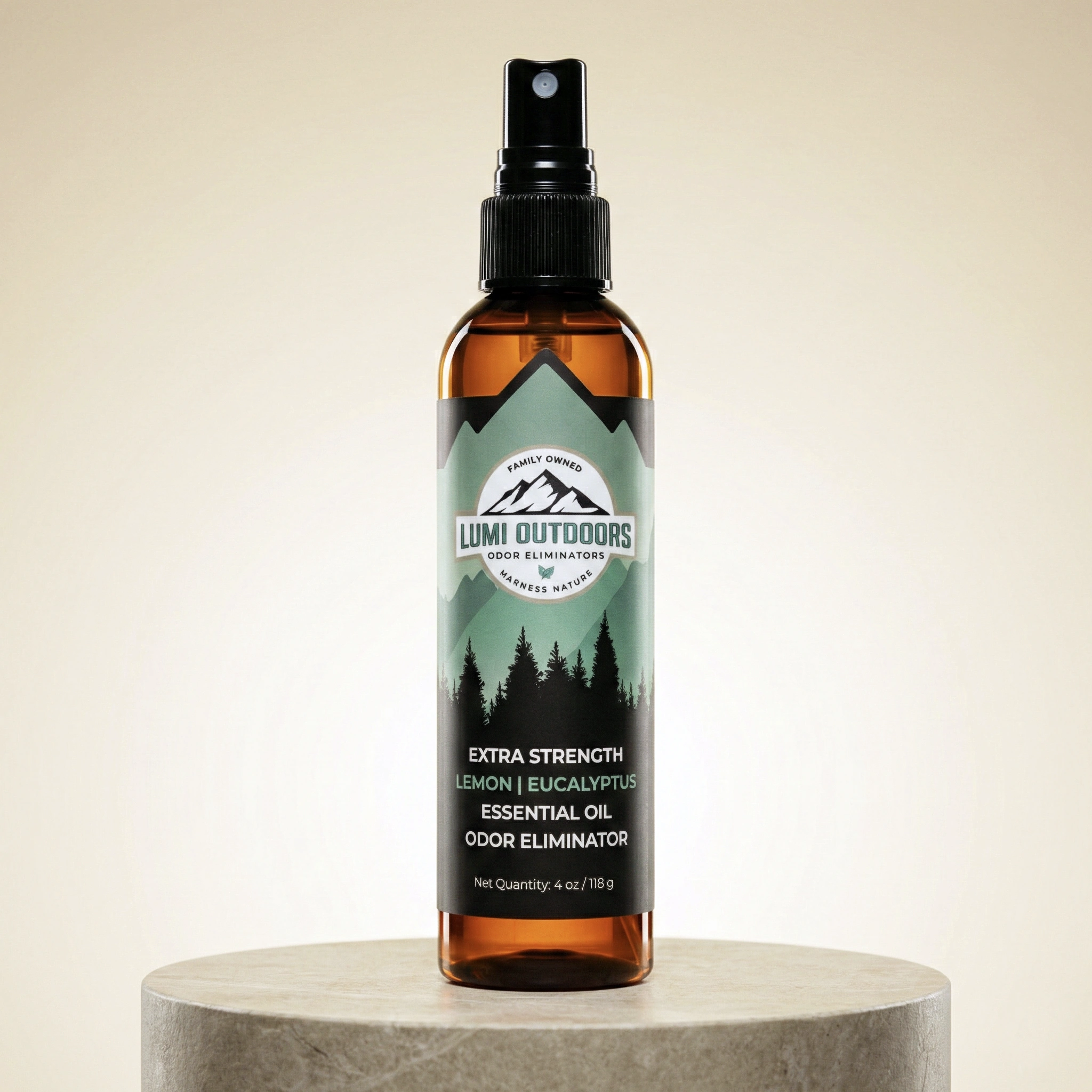
Join 1 Million+ Other People Who Chose Lumi to Conquer Their Shoe Odor.
- DESTROYS ODOR AT THE SOURCE, DOESN'T JUST MASK IT
- ALL-NATURAL & PLANT-BASED INGREDIENTS
- PROUDLY FAMILY-OWNED & MADE IN UTAH
- THE "FRESH CONFIDENCE" GUARANTEE