
5 Ways to Use a Soccer Cleats Odor Eliminator Without Washing
- Pull the Insoles Out First Removing insoles immediately after a game is the single fastest way to cut drying time and stop odor before it sets in.
- Baking Soda and Cedar Do the Heavy Lifting These two overnight methods neutralize existing odor and pull moisture from the cleat without touching the leather or synthetic materials.
- Prevention Beats Treatment Every Time A talc-free natural foot powder applied before play stops sweat at the source so odor never builds up inside the cleat.

Picture this: your kid tosses their bag in the back seat after a Saturday tournament. You crack the windows. Then you crack them wider. Then you're basically hanging out the door at a red light. We've all been there.
Soccer cleats are in a league of their own when it comes to odor. They spend 90 minutes absorbing sweat, grass, mud, and moisture—then get stuffed into a dark bag to "marinate" on the drive home. Unlike running sneakers, most cleats have leather or synthetic leather uppers that can crack, warp, or shrink in a washing machine. So tossing them in a cycle isn't an option.
The good news? You don't need to wash them to get rid of the smell. These 5 tricks work fast, protect the materials, and actually fix the odor instead of just covering it up.
What You'll Need
- Cedar shoe trees
- Baking soda
- Natural Foot Powder Check Price →
- Small spray bottle (for vinegar solution)
1. How Should You Remove Insoles Right After a Game?
Pull the insoles out immediately after play and let them air dry separately from the cleat shell. This single step prevents over 80% of odor buildup because insoles trap the most sweat and dry the slowest when left inside the shoe.
Seriously—this one habit changes everything. The insole sits flat against the bottom of the shoe, which means zero airflow. Sweat pools there, and that warm, wet environment is exactly where odor builds up. Pull them out, prop them against a wall or a shoe rack, and let both pieces breathe independently.
A lot of parents skip this because it feels like extra effort. But it takes about four seconds per shoe. Four seconds to avoid the smell that makes your whole mudroom reek for days. Worth it.
Most people treat the inside of the cleat, but forget the insole is actually the biggest odor offender. Swap out your stock insoles for a moisture-wicking replacement pair midseason, and keep two sets rotating so one is always fully dry before it goes back in. This alone can cut your cleat odor problem by more than half—no powder, vinegar, or baking soda required.
2. What Is the Best Way to Use Baking Soda in Soccer Cleats Overnight?

Sprinkle a tablespoon of baking soda inside each dry cleat shell, leave it overnight, and tap it out before the next wear. Baking soda neutralizes acidic odor compounds rather than masking them, making it one of the most effective no-wash methods available.
Baking soda is a sodium bicarbonate compound that actively neutralizes the acidic byproducts of sweat that cause shoe odor. It's not a cover-up—it's chemistry. Sprinkle it in after you've removed the insoles, let it sit overnight, and in the morning just tap the cleat upside down over a trash can. Done.
A few things to keep in mind: make sure the cleats are already dry before you add the baking soda. Adding it to wet shoes just makes a paste that's harder to clean out. And don't go overboard—a tablespoon per shoe is plenty.
3. How Do Cedar Shoe Trees Help Eliminate Soccer Cleat Odor?
Cedar shoe trees absorb residual moisture and release natural aromatic oils that combat odor as they dry the cleat from the inside out. They also help leather cleats hold their shape, protecting a $100+ investment at the same time.
Cedar is a natural moisture-wicker. When you slide a cedar shoe tree into a cleat after a game, it pulls moisture out of the liner and the leather, stopping the damp conditions that lead to smell. The cedar aroma isn't perfume—it's a genuine odor-neutralizing property of the wood itself.
This is especially useful for players who have back-to-back games or practices. If cleats don't have enough time to fully air-dry before the next use, cedar shoe trees speed that process significantly. Pair them with the baking soda trick from step 2 and you've got a serious one-two punch for stubborn odors. You can find similar multi-step approaches in our guide on deodorizing delicate shoe materials without damage.
4. Does White Vinegar Work as a Soccer Cleats Odor Eliminator?
A diluted white vinegar solution (one part vinegar to two parts water) spritzed inside the cleat and allowed to air-dry fully can neutralize odor-causing compounds. The vinegar smell dissipates completely as it dries, leaving the cleat fresh.
White vinegar is acetic acid, and it reacts with the alkaline compounds produced by foot perspiration to neutralize them. Mix it in a small spray bottle, give the inside of each cleat 2-3 spritzes, and then—this part is critical—leave them somewhere with good airflow to dry completely. Do NOT seal them in a bag or a bin while they're still damp.
This works well as a mid-season reset when the cleats have built up several weeks of odor. It's not something you need to do after every game, but every few weeks during a heavy training stretch? Absolutely. And yes, your garage will smell like salad dressing for about an hour. That passes.
5. What Is the Easiest Soccer Cleats Odor Eliminator Method That Requires Zero Effort?

The easiest and most consistent soccer cleats odor eliminator method is applying a natural foot powder directly to feet before each game. This stops sweat at the source—before it ever saturates the cleat—so odor never gets a chance to build up in the first place.
All four tricks above work on odor that already exists. This one stops it before it starts. And that's what makes it the most sustainable option for a kid who has practice Monday, Wednesday, Friday, and a game Saturday.
The Natural Foot Powder from Lumi Outdoors is talc-free and uses a plant and mineral-based formula that feels silky, not chalky. Dust it on your feet before you lace up, and it creates a dry environment inside the cleat all game long. No moisture means the whole odor cycle never kicks off. It's the difference between treating a problem and not having one.
For athletes who are on their feet for hours—or parents managing a kid's schedule with three practices a week—a preventative approach saves you the reset routine entirely. If you want to see how the powder stacks up against spray-based solutions for different shoe types, check out our breakdown on how to pick spray vs. powder for all-day moisture control.
And if the smell has crept beyond the cleats and into the gear bag or the mudroom? A few spritzes of our Lavender Vanilla Room Spray handles that fast. It's made with plant-derived essential oils—no synthetic fog, no chemical smell—so you can use it in the car, the entryway, or the sports bag without worrying about what your kid is breathing in. The same goes for our Peppermint Vanilla Room Spray if you want something a little more energizing.
Nothing's perfect with the natural approach. It does require a bit of consistency—especially the daily powder routine. Here's the honest breakdown:
- All 5 methods are wash-free and safe for leather and synthetic cleats
- Natural foot powder prevents odor proactively—not just reactively
- Cedar shoe trees double as shape-preservers, protecting expensive footwear
- Baking soda and vinegar are inexpensive and easy to find
- Daily routine takes under 5 minutes total
- DIY methods (baking soda, vinegar) require consistency to stay ahead of odor—skip a few days and the smell comes back
- Cedar shoe trees work best for players who have at least one overnight gap between sessions, making them less practical for daily double-session schedules
What Is the Smartest Long-Term Routine for Keeping Soccer Cleats Fresh?
The most effective long-term routine combines a preventative step (foot powder before play) with an active reset step (baking soda or cedar overnight). Doing both consistently prevents odor from ever becoming a serious problem—no washing required.
Think of it like brushing your teeth. You don't wait until there's a problem. You do the small daily habit that keeps the problem from showing up.
Here's what a practical weekly routine looks like for a player with 3 sessions per week:
- Before every session: Apply natural foot powder to feet before lacing up
- After every session: Pull insoles out, let both pieces air-dry before putting them away
- Twice a week: Insert cedar shoe trees overnight
- Once a week (or after heavy games): Baking soda overnight treatment
- Monthly reset: Diluted white vinegar spritz, fully air-dried
That's it. Most of it happens passively while your kid is asleep. And if you're dealing with similar challenges in other athletic footwear, our 5 Pro Hacks to Eliminate Triathlon Running Shoe Odor covers the same principle for endurance sports gear.
Want to go deeper on the science of why athletic footwear smells the way it does? Our article on why carbon plate foam makes running shoes reek explains the material science behind shoe odor in plain language.
Tired of cleat smell taking over your car and mudroom?
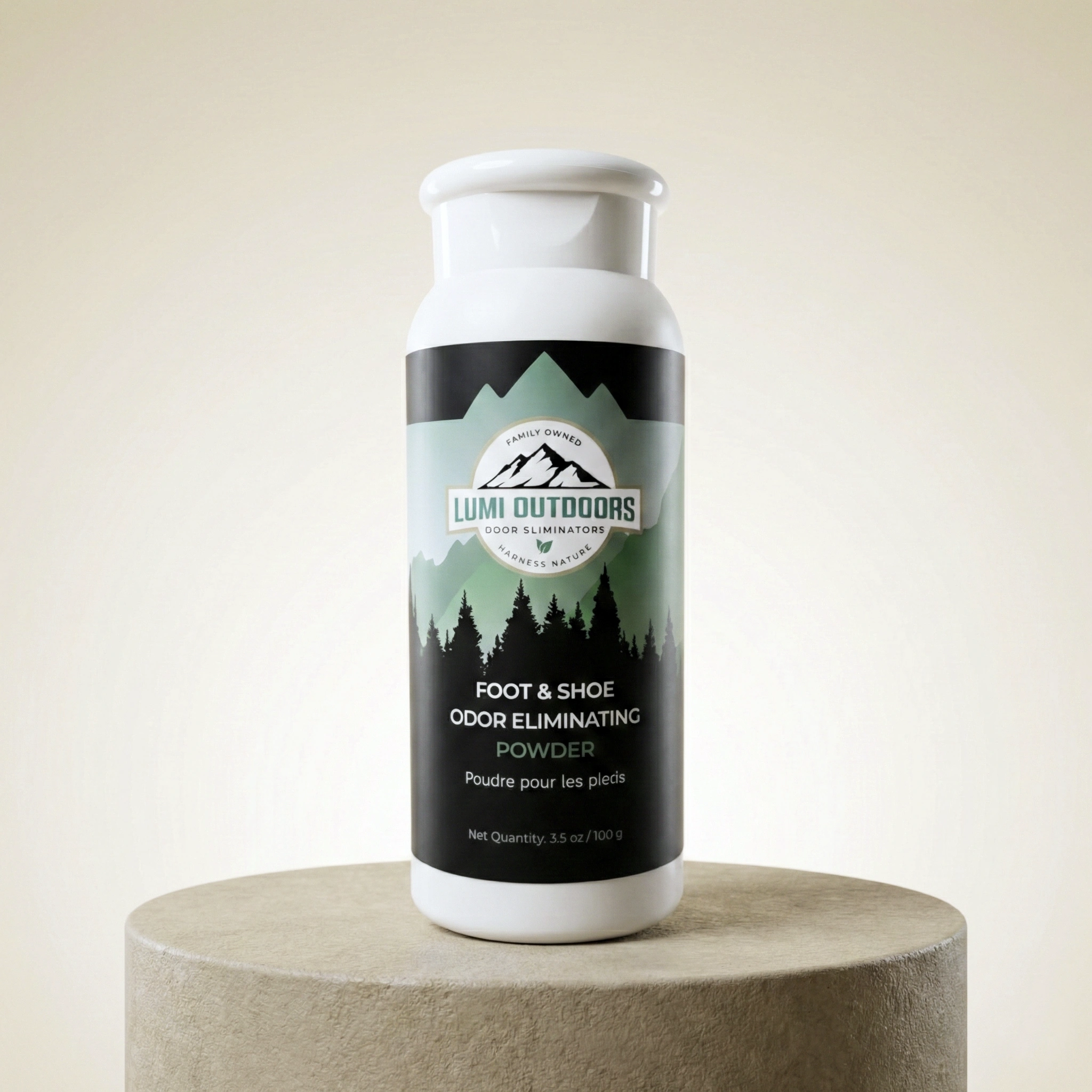
The best way to fight odor is to stop it before it starts. Our all-natural, talc-free foot powder is your first line of defense against mois...
- ABSORBS SWEAT & NEUTRALIZES ODOR
- ALL-NATURAL & TALC-FREE FORMULA
- PROUDLY FAMILY-OWNED & MADE IN UTAH
- THE "FRESH CONFIDENCE" GUARANTEE