
5 Ways to Use a Non-Toxic Shoe Odor Remover for Fresh Flats
- Pull the Insoles First The insole holds most of the odor — treat it separately or you're just masking the smell, not fixing it.
- Skip Harsh Sprays on Delicate Linings Alcohol-based aerosols stain satin, dry out leather, and degrade the glued seams inside flats — plant-based formulas are the safe choice.
- Moisture is the Root Cause Airflow, cedar inserts, and foot powder address the moisture that causes odor — a spray alone won't solve a chronic problem.
- The Easiest Fix A natural citrus and tea tree spray takes two seconds per shoe and is safe on every flat lining material.

You love your flats. You wear them everywhere — running errands, heading into the office, chasing kids around the school pickup line. And that's exactly the problem. Flats have almost zero airflow and sit right against bare skin all day. The result? An odor that builds up fast and gets trapped inside a shoe that wasn't exactly designed for ventilation.
But here's what makes flats tricky: the inner lining. Most flats are made with delicate fabrics — satin, suede, thin leather, or synthetic materials that stain, warp, or absorb discoloration at the first sign of a harsh chemical spray. So before you reach for that bleach-based aerosol under the sink, stop. There's a smarter way to do this, and it won't ruin the shoes you just paid good money for.
These 5 methods are ordered from simple and free to fast and done-for-you. Pick the ones that fit your routine — or use all five together for the best results.
1. How Do You Remove Insoles to Deodorize Flats Without Spreading the Smell?
Pull the insoles out of your flats before any treatment. The insole holds the bulk of the sweat and odor, and treating it separately means you're attacking the actual source instead of just masking the smell inside the shoe.
This step sounds basic, but most people skip it. They spray into the shoe, the product coats the interior, and a week later the smell is back — because the insole was never touched. That thin foam pad soaks up moisture like a sponge every time you wear your shoes without socks. It's where the odor lives.
Pull the insoles out and let them air on a clean surface for at least a few hours. If they're machine-washable, run them through on a gentle cycle and let them air dry completely before putting them back. If they're not washable — which is common with glued or shaped insoles — sprinkle a small amount of baking soda on them, let it sit for 30 minutes, then tap it off. This alone can make a surprising difference. For a deeper refresh, pair this with your odor elimination routine for even better results.
2. How Can You Use Baking Soda to Freshen Flats Without Leaving White Residue?

Place baking soda in a small sachet, old sock, or coffee filter — never pour it loose into flats — to absorb odors overnight without leaving a white powder mess on the lining.
Baking soda is a solid odor absorber, but it has one big flaw: pour it directly into a flat and you'll end up with a white residue baked into the lining by morning. That's especially bad for dark-colored or fabric-lined shoes. The fix is simple — put the baking soda into a small breathable pouch before you drop it in.
A coffee filter tied with a rubber band works perfectly. Fill it with two tablespoons of baking soda, tuck it inside each shoe, and leave it overnight. The powder absorbs the moisture and the smell without touching the interior directly. Pull the pouches out in the morning and your shoes are ready to go. That said, baking soda only absorbs — it doesn't neutralize. If the odor is well-established, you'll need more firepower than baking soda alone. Here's exactly why baking soda falls short and what actually handles the root cause.
Most people spray the insole or the toe box — but the real odor hotspot in flats is the heel cup. That's where skin contact is highest and airflow is lowest. Give the heel cup an extra half-second of spray and tilt the shoe so the formula pools slightly toward the back before it dries. You'll notice a bigger difference than spraying the whole interior evenly.
3. What's the Right Way to Air Out Flats to Stop Odor from Coming Back?
After every wear, remove your flats and set them upright in a spot with good airflow — not in a closed shoe box or stuffed in a bag. Moisture is what feeds odor, and giving shoes time to dry out between wears is one of the most effective things you can do.
This one costs nothing. And yet, most people stuff their flats right back into a bag, a box, or a dark closet the second they take them off. Trapped moisture is the direct cause of that sour, musty smell. According to research referenced by the American Podiatric Medical Association, the simple act of rotating footwear and allowing 24–48 hours of drying time between wears can dramatically reduce odor buildup.
If you wear the same pair of flats every day, consider keeping two pairs in rotation. On the days you're not wearing a pair, stuff them loosely with newspaper to help draw out the residual moisture. It sounds old-fashioned, but newsprint is genuinely effective at wicking dampness from the interior without any heat that could warp the shape. You can also set them near a fan — not in direct sunlight, which can fade or crack the material.
4. How Do Cedar Shoe Trees Protect Flat Shoe Linings While Controlling Odor?
Cedar shoe trees absorb moisture and naturally freshen shoe interiors while helping flats hold their shape — but you need to find ones sized for flats specifically, since standard shoe trees are too wide and will stretch the toe box.
Cedar is genuinely good at this. The wood naturally absorbs moisture and releases a light, clean scent that keeps shoes smelling better between wears. It also helps flats keep their shape, which matters because flats are often made from soft materials that crease and collapse when stored empty.
The key detail most people miss: get shoe trees designed for flats or ballet shoes. Standard cedar shoe trees taper toward the toe, but flats have a much shallower interior. Using a shoe tree that's too large will stretch the toe box and misshape the heel — which defeats the whole purpose. Look for flat-specific cedar inserts, or split cedar shoe trees that can be adjusted for depth. Pair them with the baking soda sachet method from tip #2 and you've got a solid passive odor-control system that works while your shoes sit in the closet. For more detail on why natural ingredients outperform synthetic fillers, check out this breakdown on natural powder ingredients.
If you want to go further and tackle the moisture problem before it even starts, a talc-free foot powder applied to your feet before you slip on your flats makes a real difference. Lumi's Natural Foot Powder uses a plant and mineral-based formula — no talc, no synthetic fragrances — that keeps feet dry throughout the day and dramatically reduces how much moisture transfers into the shoe in the first place.
5. What Is the Best Non-Toxic Shoe Odor Remover Spray for Delicate Flat Linings?

A plant-based spray formula — one free from bleach, alcohol, and synthetic aerosol propellants — is the safest and most effective option for deodorizing flats without staining fabric linings or degrading glued seams.
All four of the previous tips are worth doing. But they take time. You need the right materials, you need to plan ahead, and you need to do it consistently. Sometimes you need something that just works — right now, before you leave the house.
That's where a good natural spray earns its place. The problem is most commercial shoe sprays are loaded with harsh chemicals and alcohol that can discolor satin linings, dry out leather, and leave a sticky residue that attracts more dirt. They also smell artificial — which doesn't actually fix anything, it just covers it temporarily.
We compared our natural spray against the big-brand aerosols. The difference isn't just in the smell — it's in the chemistry. Natural plant-based formulas neutralize the odor molecules instead of masking them, which means the result actually lasts.
| Feature | Natural Citrus Tea Tree Shoe Deodorizer Spray | Standard Chemical Aerosol Spray |
|---|---|---|
| Safe on Flat Linings | Yes — gentle on satin, leather, and fabric | Risk of staining and material degradation |
| Odor Neutralization | Neutralizes at the source using plant-based oils | Masks odor temporarily with synthetic fragrance |
| Residue After Use | None — quick-dry, no white marks | Can leave sticky or powdery residue |
| Scent Duration | Lasts 24–48 hours with natural citrus oils | Fades quickly, often within a few hours |
| Ingredient Safety | Plant-based, no harsh chemicals or propellants | Often contains alcohol, synthetic fragrance, aerosol propellants |
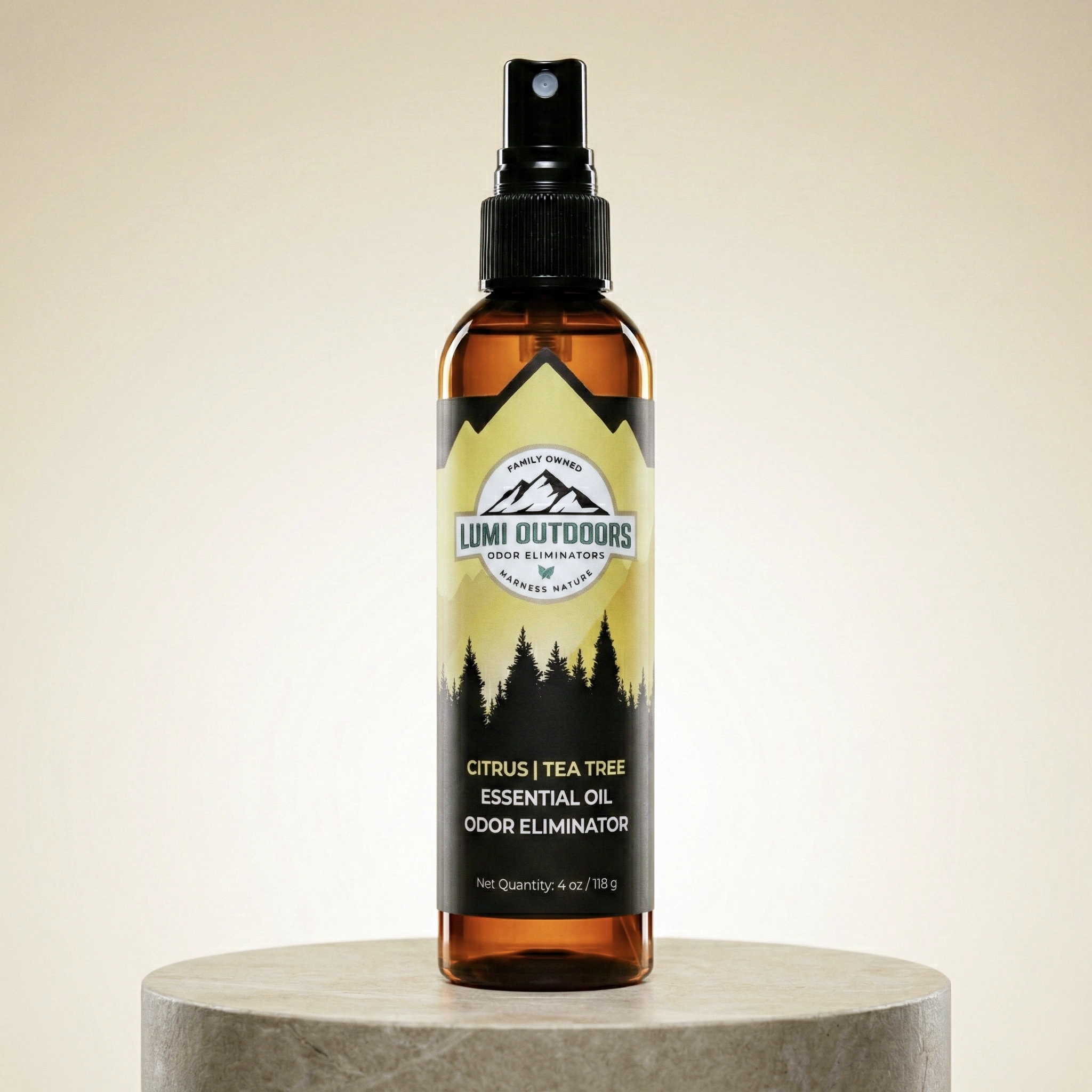
If you want a single spray you can keep in your closet, your bag, or by the front door, the Natural Citrus Tea Tree Shoe Deodorizer Spray is exactly that. It's made with lemon, orange, and tea tree oils — all plant-based, no harsh chemicals — and it's gentle enough to use directly on the interior lining of flats without worry. A light 2-second spritz from about 6 inches away, let it air dry for a minute, and you're done. No residue, no white marks, no overwhelming perfume smell. Just clean.
For families dealing with odor across multiple types of shoes — kids' sneakers, work boots, dress shoes, and flats all at once — the Variety Bundle 3-Pack makes even more sense. You get Lemon Eucalyptus, Citrus, and Lavender in one order, so you can keep a bottle in different spots around the house and match the scent to whoever's shoes you're treating. It's the kind of thing you buy once and stop thinking about. If you have sensitive skin or prefer something less citrus-forward, the gentle formula options are worth a look too.
If you want to understand why some shoe sprays contain aluminum and others don't — and why that matters for daily use — this article on aluminum-free shoe fresheners is a quick, helpful read.
If you want to be truly proactive, pair the spray with the Natural Foot Powder and Extra Strength Spray Bundle. Use the powder on your feet before you put your flats on, then spray the shoes after each wear. That's the full system — prevention plus treatment — and it's the approach that keeps flats smelling fresh long-term, not just for a day or two.
Is the natural route perfect? Mostly, but it does require consistency. Here's the honest breakdown:
- Plant-based formula is safe on all flat lining materials — satin, leather, fabric, and synthetic
- Neutralizes odor at the source rather than covering it with synthetic fragrance
- Fast-drying with no residue, staining, or discoloration risk
- Genuinely pleasant citrus scent that doesn't smell like a chemical lab
- Works immediately — no overnight wait required
- For chronic or heavily embedded odors, one spray won't fully solve it — you'll need the full routine (insole removal, airflow, powder) for lasting results
- The spray bottle cap can loosen in a bag if not stored upright — best kept in a closet or entryway
What's the Best Routine for Keeping Flats Fresh Every Day?
The most effective routine combines moisture prevention (foot powder or cedar inserts) with a daily spray after each wear and proper airflow storage. Each step takes under 60 seconds and the combined effect is far better than any single method alone.
You don't need to do all five tricks every single day. Here's a simple routine that's easy to stick with:
- Before you put your flats on: Dust a small amount of natural foot powder on your feet. This keeps moisture from transferring into the shoe in the first place.
- When you take them off: Pull out any insoles, give each shoe a 2-second spritz with your natural spray, and set them somewhere with airflow — not in a bag or box.
- Once a week: Drop in a baking soda sachet overnight or swap in your cedar inserts to draw out any residual moisture.
That's it. Five minutes a week, total. And your flats stay guest-ready without needing a deep clean every time.
The real reason shoes smell even after washing is that most people treat the symptom and not the source. Moisture control is the source. Get that right, and the odor problem mostly takes care of itself.
Want your flats to smell fresh every single day without ruining the lining?
Join 1 Million+ Other People Who Chose Lumi to Conquer Their Shoe Odor.
- DESTROYS ODOR AT THE SOURCE, DOESN'T JUST MASK IT
- ALL-NATURAL & PLANT-BASED INGREDIENTS
- PROUDLY FAMILY-OWNED & MADE IN UTAH
- THE "FRESH CONFIDENCE" GUARANTEE