
5 Stinky Athletic Shoes Remedy Hacks: Natural Fixes for Gym Gear
- Air Out the Insoles Removing insoles after every wear cuts drying time and stops moisture from setting in overnight.
- Prevention Beats Reaction A talc-free natural foot powder applied before wearing stops sweat before it becomes odor.
- Enzyme Sprays Go Deeper Plant-based enzyme sprays neutralize odor at the source rather than masking it with fragrance.
- The Bundle Is the Smarter Buy For families with multiple types of footwear, a variety spray pack covers every situation without overpaying.

You walk into the mudroom, and it hits you before you even get the lights on. That smell. The one that seems physically impossible for a pair of shoes to produce. And yet, there it is—rising from your kid's gym bag like a warning sign.
If you've got a runner, a soccer player, a CrossFit fanatic, or just someone who sweats more than most, you already know that regular shoes can get bad. Athletic shoes? They're in a category of their own. The foam, the mesh, the insoles—they trap moisture and warmth, and that combination creates the perfect condition for odor to settle in deep.
The good news: you don't need a hazmat suit or a cabinet full of chemical sprays to fix it. These five remedies are fast, natural, and they actually work. We've ranked them from the basics to the one that handles the worst-of-the-worst cases. Let's get into it.
1. What Happens If You Don't Remove and Air Out the Insoles?
Leaving insoles inside sweaty athletic shoes traps moisture against the foam, accelerating odor buildup. Removing them after every wear and airing them separately cuts drying time dramatically and is the single most impactful daily habit for shoe freshness.
Most people just kick their shoes off and leave them. That's it. The insoles stay in, the moisture stays sealed, and the whole shoe turns into a warm, damp environment overnight. Pull those insoles out. Set them on a ventilated surface—not crammed into a bag, not piled on top of each other.
It takes about five seconds and genuinely changes how fast your shoes dry. If your insoles are older than six months and have seen serious use, it might be worth swapping them out entirely. Old foam holds odor even after it dries.
2. Does Baking Soda Actually Work on Athletic Shoe Odor?
Baking soda works as a short-term odor absorber by neutralizing acidic odor compounds, but it doesn't address the moisture source and needs to be reapplied consistently to stay effective.
Baking soda is the classic go-to, and it's not wrong—it just has limits. Sprinkle a generous amount inside each shoe before bed. By morning, it will have absorbed a fair amount of moisture and softened the smell. Tap it out over a trash can or sink before wearing.
The thing is, baking soda doesn't actually do anything about the root cause. It's more like a cover-up than a fix. And if you want to understand exactly why baking soda can fall short on its own, this breakdown on why baking soda fails is worth a read. Still useful? Yes. The whole solution? No.
Here's something most guides skip: the temperature of the shoe when you treat it matters. Spray or apply powder while the shoe is still warm from wear — within 15 minutes of taking it off. Warm foam is more porous and absorbs the treatment deeper into the material. Waiting until the shoe is cold and stiff means the formula mostly sits on the surface rather than penetrating where the odor actually lives.
3. How Do Cedar Shoe Trees Help With Athletic Shoe Smell?

Cedar shoe trees absorb moisture through the wood's natural properties while releasing a mild, fresh scent that counteracts odor. They're most effective when inserted immediately after wearing, while the shoe is still warm.
Cedar isn't just for dress shoes. Slip a pair of cedar shoe trees into your athletic shoes as soon as you take them off, while there's still heat in the shoe. The cedar absorbs moisture quickly at that stage—if you wait until the shoe is already cold and damp, you've missed the window.
They're reusable, last for years, and work silently in the background. Lightly sand them with fine-grit sandpaper every few months to refresh the wood's absorbency. It's a low-effort habit with real payoff, especially for expensive running shoes or cleats you want to last.
Cedar works on moisture. But if the smell is already set in, you're going to need something that goes after the odor at a deeper level. That's where the next few hacks come in.
4. Can a Natural Foot Powder Prevent Shoe Odor Before It Starts?
Yes. A talc-free natural foot powder applied to feet or inside shoes before wearing creates a dry environment that stops odor-causing conditions from developing in the first place—making it a proactive remedy rather than a reactive one.
Here's the thing about shoe odor: it's mostly a moisture problem. Sweat itself doesn't smell bad. The smell happens when sweat sits in a warm, enclosed space long enough for bacteria to break it down. Cut off the moisture, and you cut off the odor cycle before it even starts.
A good talc-free powder applied to your feet before a workout, or sprinkled into shoes before you put them on, absorbs sweat as it happens. According to research on hyperhidrosis and sweat-related conditions, excessive moisture on the skin is a primary driver of odor development—and managing that moisture proactively is far more effective than treating the odor after the fact.
If your athlete sweats heavily, or if you're on your feet all day at work, prevention is the move. You want to stop it from becoming a problem rather than scrambling to fix it every night.
If you want a product that does exactly this—absorbs sweat, stays natural, and skips the talc—the Natural Foot Powder from Lumi is what we keep in rotation. It's all-natural, lemongrass-scented, and safe for kids and adults alike. Apply it directly to feet or sprinkle it into the shoes themselves. Either way, it works.
Want to go deeper on why kaolin clay (one of the active ingredients) outperforms traditional talc? This article breaks it down clearly.
What You'll Need
- Cedar shoe trees
- Baking soda
- Natural Foot Powder Check Price →
- Fine-grit sandpaper (for refreshing cedar trees)
5. What's the Fastest Way to Eliminate Serious Athletic Shoe Odor With a Natural Spray?

A plant-based enzyme spray applied inside the shoe after each wear neutralizes odor at the molecular level rather than masking it—and it's the fastest, most consistent solution for persistent athletic shoe odor.
Everything above this on the list takes effort. Cedar trees, baking soda, powder applications—they all require a habit and some planning. This one is simple: spray it, leave it, done.
But not all sprays are equal. Chemical-based aerosols mask the smell with fragrance while leaving the source untouched. What you want is a formula built on plant-based enzymes that actually breaks down the odor compounds—not just covers them up. The difference is whether the smell comes back tomorrow or doesn't.
We tested our natural spray against big-brand aerosols for a week. The results weren't just about smell—they were about what was actually in each bottle. Here's the breakdown:
| Feature | Natural Foot Powder | Big-Brand Aerosol Spray |
|---|---|---|
| Odor Elimination Method | Plant-based enzymes break down odor compounds | Synthetic fragrance masks the smell |
| Ingredients | 100% plant-based, no harsh chemicals | Chemical propellants, artificial fragrance |
| Safe Around Kids & Pets | Yes — free from parabens and aluminum | Not recommended for direct skin contact |
| Scent Duration | Fresh, natural scent that fades cleanly | Strong artificial scent that can linger |
| Works on Stubborn Odors | Yes — extra strength formula available | Inconsistent on deep-set odors |
| Eco-Friendly | Yes — no aerosol propellants | Aerosol can, not recyclable |
For day-to-day freshness and maintenance on sneakers, running shoes, and gym shoes, the Natural Citrus Tea Tree Shoe Deodorizer Spray is a clean, bright option. But if you're dealing with the serious, deep-set smell that's been living in a pair of cleats or work boots for months? Go straight to the extra strength formula. It's built for that exact situation.
And if you've got multiple types of shoes in the house—kids' cleats, your running shoes, a partner's work boots—the Variety Bundle | 3-Pack (Lemon Eucalyptus, Citrus, Lavender) gives you a different strength and scent for each situation without paying full price on every bottle. Keep one in the mudroom, one by the gym bag, one in the closet.
For families dealing with a range of shoe odor situations at once, that bundle is genuinely the smartest buy. You're not guessing which scent works—you've got all three, ready when you need them. And if you're curious about what's inside these formulas and why aluminum-free matters, this piece on aluminum-free shoe fresheners is worth two minutes of your time.
Nothing is perfect, though. The natural route requires some consistency, and heavy-duty odors may need more than one application before they're fully gone. Here's the honest breakdown:
- DIY hacks like cedar trees and baking soda cost almost nothing
- Natural powder prevents odor before it starts — no reactive scrambling
- Enzyme sprays eliminate the smell rather than just masking it
- The bundle pack covers every shoe type and odor severity in the house
- All solutions are free from harsh chemicals and safe for kids and pets
- DIY methods like baking soda require nightly consistency to stay effective
- Deep-set odors in older athletic shoes may need multiple spray applications before fully clearing
How Do You Keep Athletic Shoes Fresh Long-Term?
Long-term freshness comes from combining daily habits—airing out insoles, using cedar trees, and applying a deodorizing spray after each wear—rather than relying on one single fix.
No single hack stays effective forever on its own. The people with genuinely fresh gym gear are doing a few things consistently: they're pulling insoles out after every wear, they've got something absorbing moisture overnight (cedar or powder), and they're using a spray to target odor a few times a week.
It sounds like a lot, but the whole routine takes under two minutes. And once it's a habit, you stop thinking about it—you just never have to deal with that smell again.
If you've got a serious athlete in the house or you're just tired of the shoes-near-the-door problem, check out these 7 ways to eliminate foot odor in sneakers for good for a complete long-term playbook.
And if you're dealing with shoes that still smell after washing—which is more common than people expect—this guide on why shoes smell bad even after washing explains the hidden reasons that most cleaning guides miss.
Start with the hacks. Build the habits. And when you want the easy button, the spray handles the rest.
Tired of athletic shoes that smell no matter what you try?
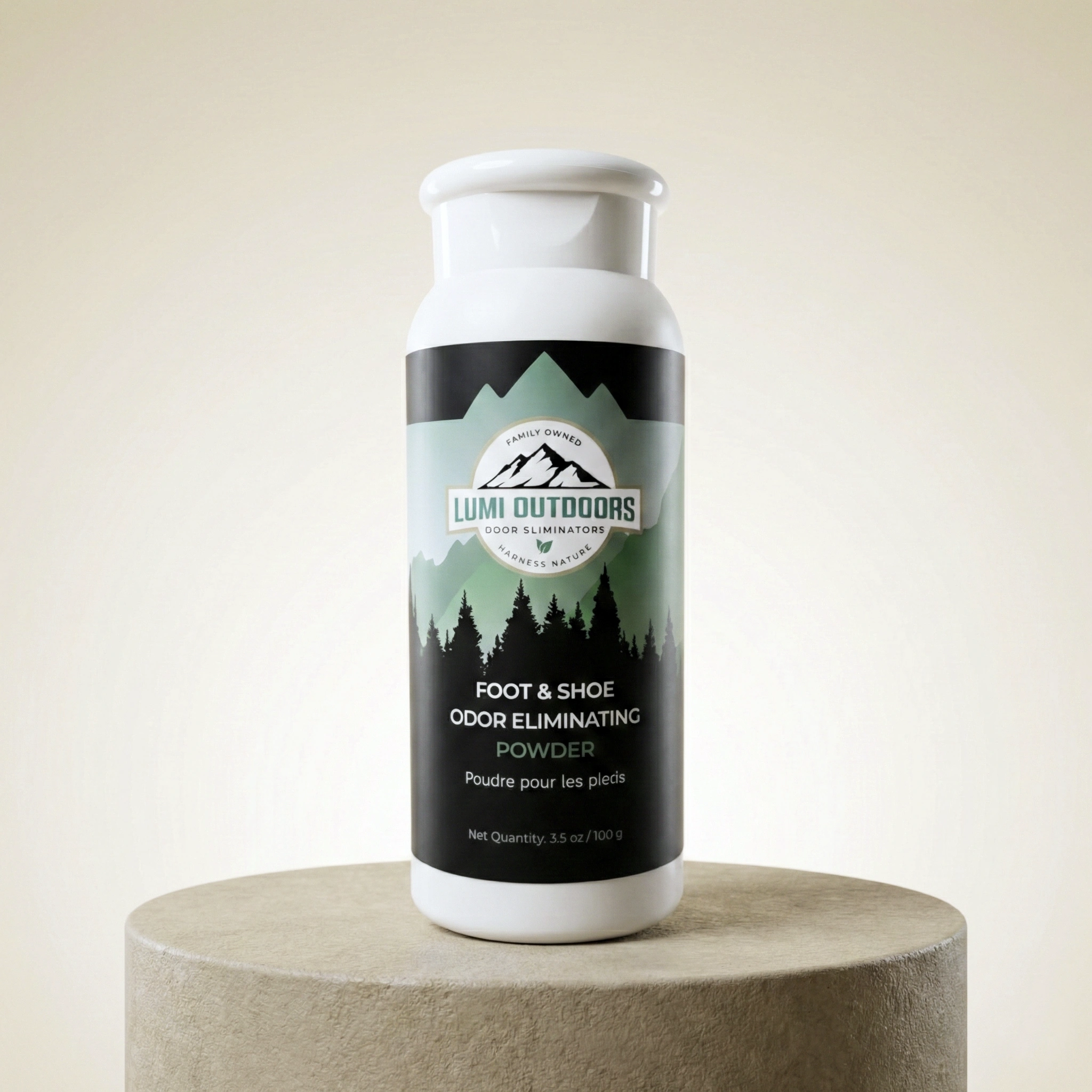
The best way to fight odor is to stop it before it starts. Our all-natural, talc-free foot powder is your first line of defense against mois...
- ABSORBS SWEAT & NEUTRALIZES ODOR
- ALL-NATURAL & TALC-FREE FORMULA
- PROUDLY FAMILY-OWNED & MADE IN UTAH
- THE "FRESH CONFIDENCE" GUARANTEE