
Why Do Rothy's Smell After Washing? Understanding the Plastic Knit Odor
- It's the plastic, not the dirt Rothy's recycled PET knit is oil-attracting by nature, which means bacteria anchor deep in the fibers where detergent can't reach them.
- Washing makes it worse short-term Machine washing rehydrates dormant bacteria and the long air-dry window lets them multiply before the shoe is fully dry.
- Pre-treating and fast drying are the fix Apply a targeted spray before washing and use a fan during drying to close the bacterial growth window — that's what actually breaks the cycle.

Rothy's smell after washing because the recycled plastic knit traps skin oils and bacteria in microscopic fiber gaps that standard detergent can't fully penetrate. Machine washing removes surface dirt, but the bacteria responsible for odor survive as biofilms anchored deep in the synthetic fibers — and they reactivate the moment the material gets wet again during a wash cycle. That's why your shoes can smell worse coming out of the machine than they did going in.
Here's what you should actually know about the mechanism, and how to break the cycle for good.
Why Does the Recycled Plastic Knit Hold Onto Smell?
Rothy's are made from recycled PET (polyethylene terephthalate) — the same plastic used in water bottles — and that material is inherently hydrophobic (it repels water) but lipophilic (it attracts oils and fats). So every time you wear them sockless, your foot deposits a thin layer of skin oil, sweat, and dead skin cells directly into a material that is chemically primed to hold onto it. Detergent is water-based. The oils don't fully release.
This is the structural problem. And standard washing doesn't solve it.
Bacteria like Brevibacterium linens and Staphylococcus epidermidis — the main organisms behind foot odor — don't just float freely in your shoe. They form biofilms: structured communities of microorganisms encased in a self-produced matrix that adheres to surfaces, including synthetic fibers. Biofilms are significantly more resistant to cleaning agents than free-floating bacteria. A gentle cold-water cycle with standard laundry detergent — which is exactly what Rothy's recommends — simply isn't strong enough to break that matrix.
Compare this to a natural fiber like merino wool, which has a lanolin coating and a cellular structure that naturally resists bacterial adhesion. (The research on this is consistent — wool really does outperform synthetics for odor control.) Rothy's knit, despite being technically impressive engineering, has none of those inherent defenses. The fibers are smooth and dense, which creates thousands of microscopic nooks where biofilm bacteria can anchor safely.
Why Does the Smell Get Worse Right After Washing?
The "post-wash stink" happens because washing rehydrates dormant bacteria and then the prolonged air-drying window gives them ideal conditions — warmth, moisture, and a food source — to multiply before the shoe is fully dry. Rothy's cannot go in a dryer, so they air-dry. Depending on airflow and humidity, that drying process can take four to eight hours. That's a long window.
Think of it like this: the wash cycle doesn't kill the biofilm — it disturbs it just enough to stir up volatile organic compounds (the actual molecules your nose is detecting as "smell") while re-introducing the moisture those bacteria need to thrive. The result is a shoe that smells actively worse for the first hour or two after coming out of the machine.
This is also why the common "just wash them again" instinct fails repeatedly — you're treating the symptom (surface contamination) without addressing the underlying bacterial colony embedded in the fiber structure.
Most people spray the inside of their Rothy's and then set them upright on a shelf to dry — but that traps moisture at the toe box where airflow is worst. Instead, prop the shoes open-end-down against a wall at a 45-degree angle with a small fan running. This lets gravity pull moisture away from the insole area and dramatically cuts the window where odor-causing bacteria can re-establish. Two hours of fan-assisted drying beats eight hours of passive drying every time.
How Do You Actually Get Rid of Rothy's Odor for Good?

The most effective approach combines pre-treating the insole separately, applying a targeted odor-neutralizing spray before washing, and aggressively optimizing the drying process to close the bacterial growth window. Washing alone is a maintenance step, not a cure. You need to address the biofilm layer directly.
Start with the insole. Rothy's insoles are removable, and they absorb the majority of the sweat and oils from direct foot contact. Pull them out and treat them separately — a paste of baking soda and a few drops of white vinegar applied to the foam surface for 30 minutes before rinsing does a surprisingly good job of breaking down surface organic compounds. Let the insole air-dry completely (ideally overnight) before putting it back.
For the knit upper, a targeted spray applied before or after the wash cycle is the step most people skip entirely. The goal is to reach the odor that detergent misses — specifically, a formula that can penetrate the knit and neutralize odor-causing compounds at the fiber level. Lumi's Extra Strength Shoe Deodorizer Spray is what I'd reach for here — spray it into the interior, let it sit for five minutes, and then run the wash cycle. The eucalyptus scent is noticeable for the first 10 minutes after drying, then fades to neutral.
A free DIY alternative that genuinely works: white vinegar diluted 1:1 with water, sprayed into the shoe interior and allowed to dry fully before washing. Vinegar's acetic acid disrupts biofilm formation without damaging the knit. It won't eliminate an established odor as effectively as a targeted spray, but it's a solid weekly maintenance step that costs almost nothing.
Finally: the drying process matters more than most people realize. After washing, stuff the shoes loosely with newspaper to wick internal moisture and place a small fan blowing directly into the opening. This can cut drying time from six hours to under two, which dramatically reduces the bacterial growth window. Don't seal them in a closet to dry. That's the single most common mistake.
Can You Stop Rothy's From Smelling If You Never Wear Socks?
Wearing Rothy's without socks significantly accelerates oil and sweat transfer directly into the knit, but you can manage the odor with a consistent preventative routine even without adding socks to your wardrobe. The key is stopping the moisture-bacteria-oil cycle before it starts, not just cleaning up after it.
Direct skin-to-synthetic-knit contact is the fastest route to a deep-seated odor problem — there's more on the mechanics of that in this piece on why sockless sneakers smell so much worse. The short version: every step without a sock deposits oils and skin cells directly into the fiber, bypassing any absorption buffer.
The most practical prevention method is applying a talc-free foot powder to the bottom of your feet before putting on your Rothy's. Arrowroot powder and kaolin clay — the base of most natural foot powders — absorb sweat at the skin level before it ever reaches the knit. Lumi's Natural Foot Powder uses exactly this combination and goes on silky rather than chalky, which matters if you're going sockless and bare skin is touching the interior.
As a maintenance schedule: refresh the shoe interior every three to four wears with a light spray or a small amount of baking soda (tap it out before wearing). Run a full wash cycle every two to three weeks, not more frequently — over-washing accelerates the wear on the knit and doesn't give the bacterial population less time to recover, because the biofilm re-establishes itself within 48 hours regardless. What matters is the pre-treatment, not the wash frequency.
And if you're already past the point where routine maintenance is keeping up — if the odor returns within one or two wears after washing — that's worth reading about in the context of why shoe odor keeps coming back after treatment. At that stage, the biofilm is established enough that you need a dedicated elimination step before any maintenance routine can hold.
Ready to stop rewashing Rothy's that still come out smelling?
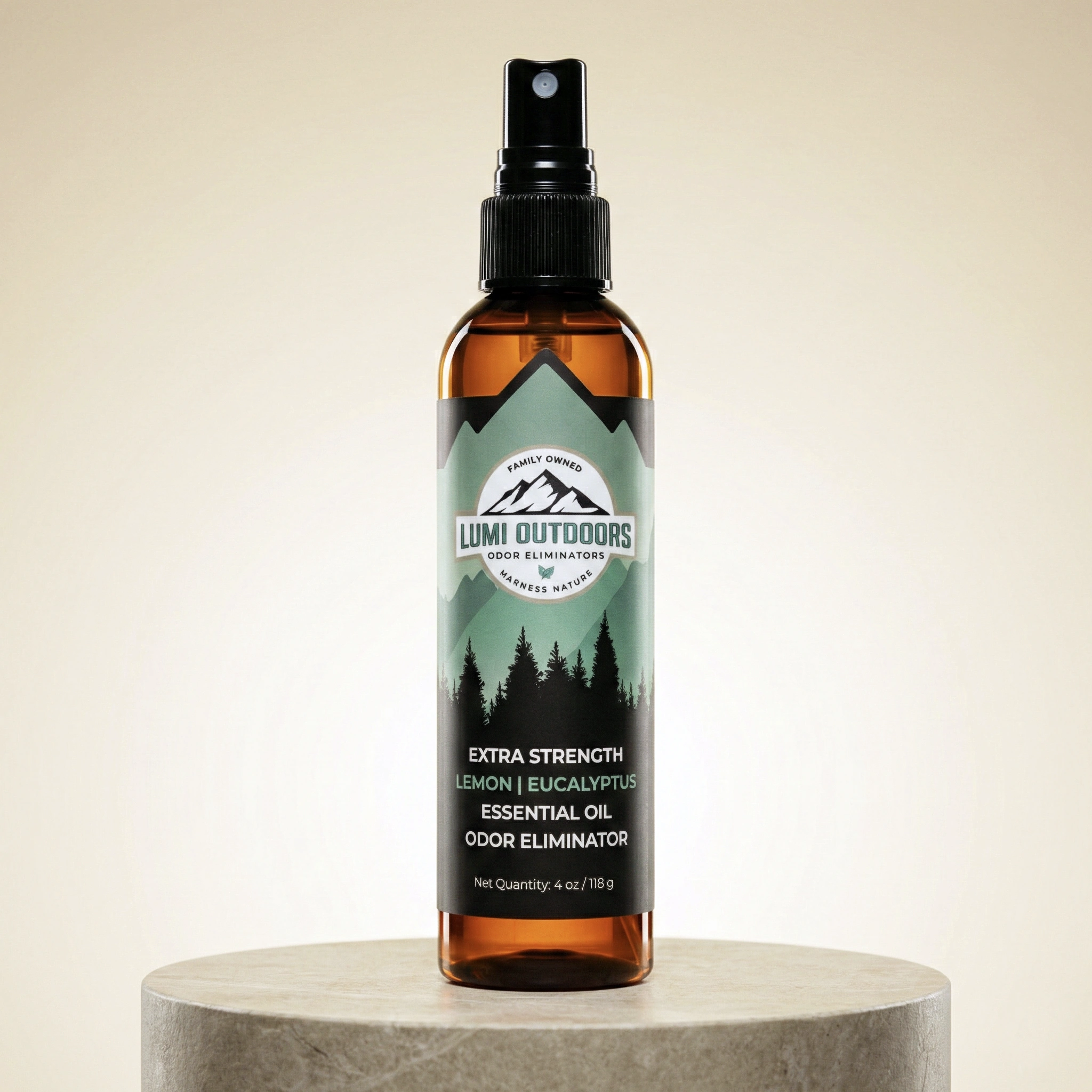
Join 1 Million+ Other People Who Chose Lumi to Conquer Their Shoe Odor.
- DESTROYS ODOR AT THE SOURCE, DOESN'T JUST MASK IT
- ALL-NATURAL & PLANT-BASED INGREDIENTS
- PROUDLY FAMILY-OWNED & MADE IN UTAH
- THE "FRESH CONFIDENCE" GUARANTEE