
I Wear My Sneakers Without Socks — Is That Why They Smell So Bad?
- Yes, sockless wear is the cause Without socks, up to half a pint of daily foot sweat absorbs directly into your shoe's foam and lining, feeding the bacteria that produce the smell.
- The bacteria are the real culprit Brevibacterium and Staphylococcus epidermidis eat sweat proteins and release the vinegary, cheesy compounds you're smelling — sweat alone is nearly odorless.
- You don't have to give up the look Daily foot powder, an immediate post-wear spray, and a strict 24-hour rotation between pairs will control the smell without a single sock required.

Yes — going sockless is almost certainly the main reason your sneakers smell. Socks act as a disposable moisture barrier, absorbing sweat before it reaches the shoe. Without them, your foot deposits up to half a pint of sweat per day directly into the foam, fabric, and lining of the shoe itself, creating an environment where odor-causing bacteria multiply fast.
The fix isn't necessarily giving up the sockless look. It's understanding what's actually happening inside your shoe — and working with a few targeted habits that change the chemistry.
Why Does Going Sockless Make Sneakers Smell So Much Worse?
Without socks, your shoe absorbs sweat, skin oils, and dead skin cells directly into its materials — creating a bacterial environment that's nearly impossible to fully remove with surface cleaning.
Think of a sock as a disposable liner you wash every night. It traps the moisture and the biology before either reaches your shoe. Remove the sock and the shoe becomes the liner. Except you can't throw your sneaker in a hot wash after every wear.
The inner materials of most sneakers — EVA foam midsoles, synthetic mesh, jersey fabric linings — are porous. They soak up sweat and organic material the way a sponge does. Over time, this builds into what microbiologists call a biofilm: a dense community of bacteria embedded in the material itself, protected by a self-produced gel-like matrix. Surface sprays and airing out don't fully reach it. That's why the smell comes back within an hour of putting them on, even after you've "cleaned" them.
That's the real problem.
A pair of socks doesn't just absorb sweat — it mechanically removes the bacteria and dead skin from the shoe environment every time you take them off. Going sockless skips that daily reset entirely.
What's Actually Causing the Smell? (It's Not Just Sweat)
The odor from sockless sneakers is produced by specific bacteria — primarily Brevibacterium linens and Staphylococcus epidermidis — that metabolize the proteins and fatty acids in sweat, releasing compounds like isovaleric acid (the "vinegary/cheesy" smell) and methanethiol.
Sweat itself is almost odorless when it leaves your body. The bacteria do the work. Your feet have roughly 250,000 sweat glands — more per square inch than anywhere else on your body, according to the American Academy of Dermatology. That's an enormous daily output of moisture concentrated in a warm, dark, poorly ventilated space.
The scientific term for foot odor is bromodosis, and it's driven entirely by this bacteria-sweat interaction. Brevibacterium linens — the same species responsible for the smell of aged cheeses like Limburger — thrives in exactly the pH and temperature range found inside a sneaker. Most synthetic shoe materials make it worse, because they trap heat and moisture instead of dispersing them.
Leather and natural materials like canvas are more breathable and less hospitable to bacterial growth. That's partly why a quality leather loafer worn sockless often smells less offensive than a synthetic mesh sneaker after the same amount of wear — the material itself manages moisture better. If you want to understand more about why odors tend to return even after treatment, this breakdown on persistent shoe odor explains the biofilm cycle in detail.
Most people spray their shoes and immediately drop them back into the closet or a shoe rack against the wall — but an enclosed space traps the moisture you're trying to evaporate. Pull the tongue fully open, point the opening outward, and leave them in moving air for at least 30 minutes before storing. A small desk fan pointed at the pair for 20 minutes does more for drying than 8 hours in a closed closet.
How Do You Actually Fix It Without Giving Up the Sockless Look?

The most effective approach combines daily moisture control (before you wear) with a targeted spray (after you wear) and a strict 24-hour rotation — none of which requires ever putting on a sock.
Here's what actually works:
The "dry barrier" method: Dust a natural foot powder onto your feet and directly into the shoe before wearing. This does two things — it absorbs sweat before it saturates the lining, and it creates a drier environment that bacteria struggle to colonize. Talc-free formulas with cornstarch and baking soda are the DIY standard. Cedar shoe inserts are another passive option — cedar is naturally moisture-wicking and mildly acidic, which discourages bacterial growth.
The overnight reset: Spray the inside of your sneakers with a targeted shoe deodorizer immediately after you take them off. Not the next morning — right away, before the bacterial community has time to multiply overnight. Let the shoes dry with the tongue pulled open in a ventilated space. Stuffing them with crumpled newspaper accelerates moisture absorption significantly. For a complete daily system that handles both moisture prevention and odor neutralization, Lumi's Foot Powder and Extra Strength Spray bundle gives you both tools in one — it's what I'd reach for if I were committed to the sockless lifestyle long-term.
The free option is real and worth mentioning: a tablespoon of baking soda inside each shoe overnight, shaken out in the morning, genuinely reduces odor-causing acidity. It won't break down the biofilm already embedded in older shoes, but for relatively fresh pairs it's a solid maintenance habit.
The 24-hour rotation rule: Never wear the same sockless sneakers two days in a row. Full stop. EVA foam needs 24 hours to fully off-gas moisture — wearing them back-to-back prevents this and compounds the bacterial load fast. Even rotating between two pairs makes a measurable difference. This is the same principle behind rotating work boots, and the research on why it works holds up across shoe types.
Why Do Some People Go Sockless With Zero Smell?
Some people genuinely produce less sweat or have a less odor-producing microbial profile — but the more common explanation is that they're doing something right with material choice and foot hygiene without thinking about it.
Hyperhidrosis — excessive sweating — affects roughly 5% of the population according to the International Hyperhidrosis Society. If your feet sweat heavily, you're fighting a steeper bacterial battle than someone with drier feet. That's not a character flaw. It just means your maintenance habits need to be more active. Using a foot antiperspirant (yes, that's a real thing) on the soles can reduce sweat output significantly — there's a good explanation of how that works here.
Material also matters more than most people realize. High-end leather sneakers and shoes made from natural materials like hemp or canvas allow moisture to evaporate rather than collecting in the lining. Synthetic mesh looks breathable but often traps heat and humidity against the skin. If you're committed to sockless wear, this is worth factoring into your next shoe purchase.
The biggest differentiator, though? Washing your feet with actual intention. Scrubbing between the toes and under the foot — not just letting shower water run over them — removes the bacterial load before it ever enters the shoe. It sounds obvious, but most people don't actually do it consistently.
Not even close to enough people do.
One more thing most generic guides skip: washing your feet right before bed (not just in the morning) dramatically reduces the overnight bacterial buildup on skin. Less bacteria on the foot going in means less bacteria transferred to the shoe.
Committed to the sockless look but done with the smell?
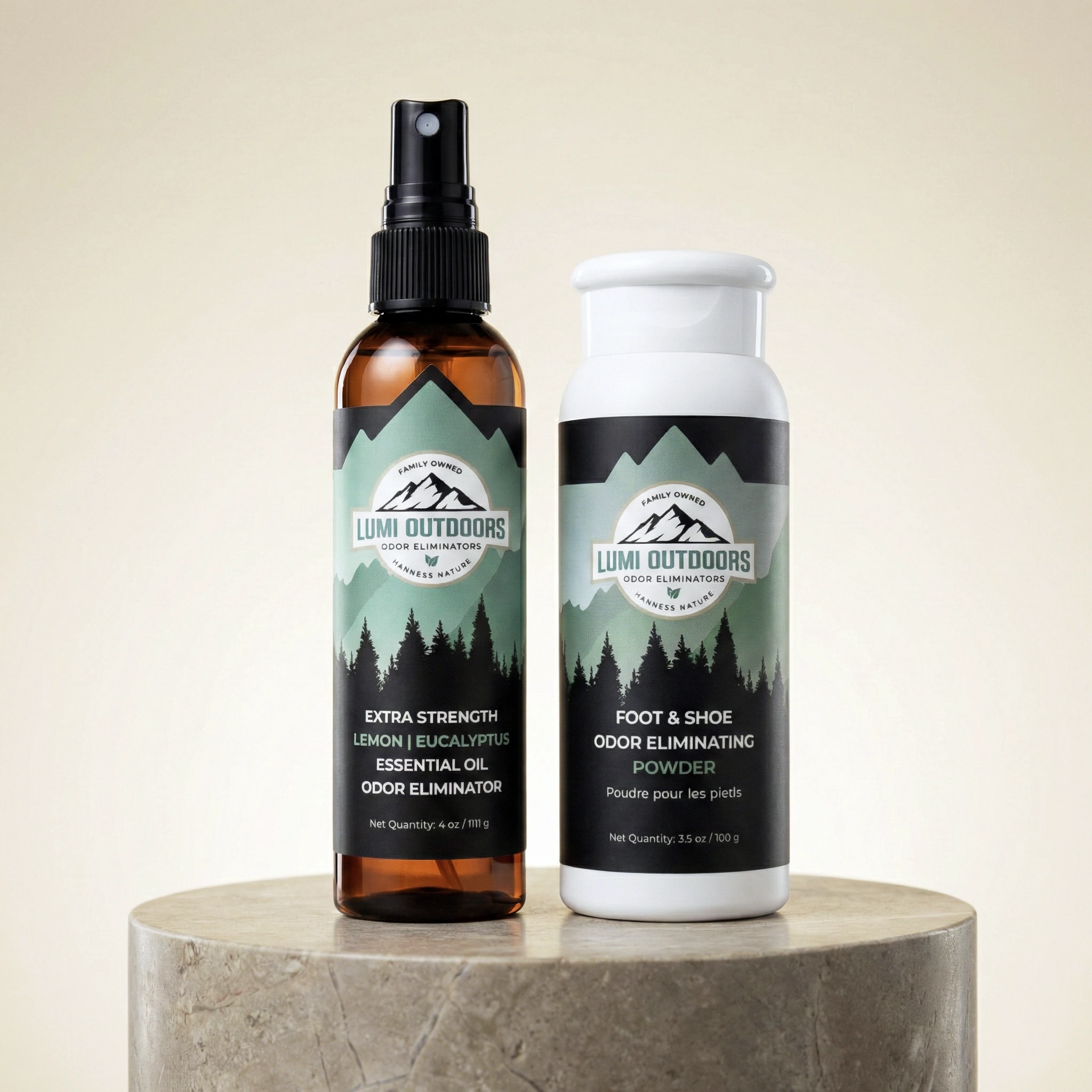
Join 1 Million+ Other People Who Chose Lumi to Conquer Their Shoe Odor.
- THE ULTIMATE 1-2 PUNCH AGAINST ODOR
- A COMPLETE KIT FOR SHOES, BAGS & GEAR
- PROUDLY FAMILY-OWNED & MADE IN UTAH
- THE "FRESH CONFIDENCE" GUARANTEE