
Are Wool Socks Actually Better for Foot Odor Than Cotton?
- Wool wins, definitively Merino wool absorbs moisture as vapor before sweat pools on skin, while cotton soaks up liquid sweat and holds it — feeding the bacteria that cause odor.
- The fiber structure is the reason Wool's keratin protein binds to some odor-causing compounds; cotton's cellulose structure does nothing to neutralize bacterial byproducts.
- Pair wool with foot powder Apply a talc-free foot powder to bare skin before pulling on wool socks for a two-layer moisture barrier that extends freshness significantly longer than either method alone.

Yes — wool socks are genuinely better than cotton for foot odor, and it's not close. Wool absorbs moisture in its vapor state before sweat ever pools against your skin. Cotton soaks up liquid sweat and holds it there, creating the warm, wet environment that odor-causing bacteria like Brevibacterium linens need to thrive.
The mechanism matters, and so does the fix. Here's why wool works — and exactly how to use it.
Why Does Cotton Make Foot Odor Worse?
Cotton is a cellulose fiber, which means it absorbs liquid sweat eagerly and releases it slowly — keeping your foot in prolonged contact with moisture and the bacteria that feed on it. A soaked cotton sock can hold up to 27 times its weight in water. That's impressive for a towel. It's a disaster for your shoe.
Brevibacterium linens — the same organism responsible for the smell of aged cheese — is the primary culprit behind that sharp, eye-watering foot odor. It thrives in exactly the conditions cotton creates: dark, warm, and wet. The longer your foot stays damp, the longer that bacteria reproduces. And because cotton doesn't release moisture easily, the sweat that soaks in during your morning commute is still there at lunch.
That's the real problem.
Cotton also has almost no natural odor resistance. The fiber itself is inert — it doesn't interact with bacterial byproducts or absorb the volatile compounds (like isovaleric acid, the molecule responsible for the sharp, sour "gym locker" smell) that bacteria produce. It just sits there, wet, being a breeding ground.
What Makes Wool Fibers Different at a Structural Level?
Wool — especially merino — is a keratin-based protein fiber with a complex, scaly structure that manages moisture in a fundamentally different way than cotton does. It absorbs water vapor directly from the air around your foot before sweat becomes liquid on your skin. This "vapor transport" mechanism is why your foot stays drier in wool even when you're working hard.
According to research published through the Woolmark Company, merino wool can absorb up to 35% of its own weight in moisture vapor without feeling wet to the touch. Cotton, by comparison, feels damp almost immediately once moisture enters the fabric. That single difference changes the entire odor equation.
The keratin structure of wool also plays a direct role in odor resistance. Keratin contains sulfur-containing amino acids — cysteine being the most relevant — that chemically bind to and neutralize some of the volatile fatty acids that bacteria produce. It's not a perfect filter, but it measurably slows odor buildup compared to cotton's passive cellulose structure. A 2019 study published in the Journal of the Textile Institute found that merino wool fabrics retained significantly less odor after 24 hours of wear than cotton equivalents, even at equal bacterial load.
Wool also self-regulates temperature better than cotton, which matters more than people realize. Feet that overheat sweat more; excess sweating accelerates bacterial growth. The bromodosis cycle — sweat, bacterial growth, odor — is slower in wool because your foot stays in a more stable thermal environment throughout the day.
It's not magic. It's fiber physics.
Most people wash their wool socks inside-out as an afterthought, but it's actually the most important laundry step you can take. The interior surface is where Brevibacterium concentrates — washing inside-out exposes that layer directly to detergent agitation. Do this every wash, not just occasionally, and your wool socks will retain their odor resistance noticeably longer between replacements.
How Do You Actually Switch to Wool Socks for Better Odor Control?

The most effective approach is a high-percentage merino wool blend (ideally 75–85% merino) paired with a talc-free foot powder, applied before you put the socks on — not after. That sequence matters: powder goes on bare, dry skin first, then the sock goes on over it, creating two layers of moisture defense instead of one.
Don't reach for 100% wool. It sounds like the obvious choice, but pure wool wears through faster and doesn't hold its shape as well as a blend. Look for merino blends that include a small percentage of nylon (around 15–20%) for durability. Brands like Darn Tough and Smartwool use this approach and their socks hold up under real working conditions.
For the powder layer: arrowroot-based, talc-free formulas work best because they absorb moisture without caking or leaving residue in the sock. Lumi's Natural Foot Powder is worth keeping in your gym bag or work locker for exactly this — apply it to clean, dry feet before pulling on your wool socks and it significantly extends the interval before any odor develops. If you'd rather go fully DIY, arrowroot powder from the baking aisle is a genuine, zero-cost alternative that does the same basic job.
Laundering your wool socks correctly is just as important as wearing them correctly. Turn them inside out before washing — that's where the bacterial buildup concentrates. Use cold water, not warm. High heat breaks down the keratin structure over time, reducing the very properties that make wool worth buying. Air-dry flat when possible; tumble drying on low is acceptable, but avoid high heat cycles. For more on keeping feet and footwear fresh through the full workday, this piece on changing socks mid-shift covers some surprisingly effective tactics most people overlook.
Will Wool Socks Make My Feet Overheat in Summer?
No — and this is the most persistent myth about wool, especially among athletes and anyone who runs hot. Lightweight merino wool (150–200 gsm fabric weight) actively wicks moisture away from the skin and releases it as vapor through the fabric, which has a cooling effect. That's the opposite of what cotton does in heat.
Cotton feels cool to the touch, which is why it has the "summer fabric" reputation. But that initial cool feeling disappears the moment the fabric absorbs sweat. Then it clings, stays wet, and traps heat against your skin. Wicking beats cooling for actual temperature regulation — and for odor prevention, wicking isn't even a competition.
Ultralight merino socks from brands like Injinji or Icebreaker are specifically engineered for high-heat, high-output use. Runners and hikers who've made the switch overwhelmingly report less odor and less blistering (drier skin also means less friction). The American Podiatric Medical Association recommends moisture-wicking socks as a first-line approach for patients dealing with persistent foot odor and hyperhidrosis — not cotton.
If you're skeptical, start with a single pair for your most active use case. One long shift or one long run in a lightweight merino sock versus your usual cotton is usually enough to convert people permanently. And if you want a deeper look at which foot powders work best inside work boots specifically, this breakdown of work boot foot powders covers the options in real working conditions.
The switch is low-risk and the upside is significant.
Want to stop foot odor before it even starts?
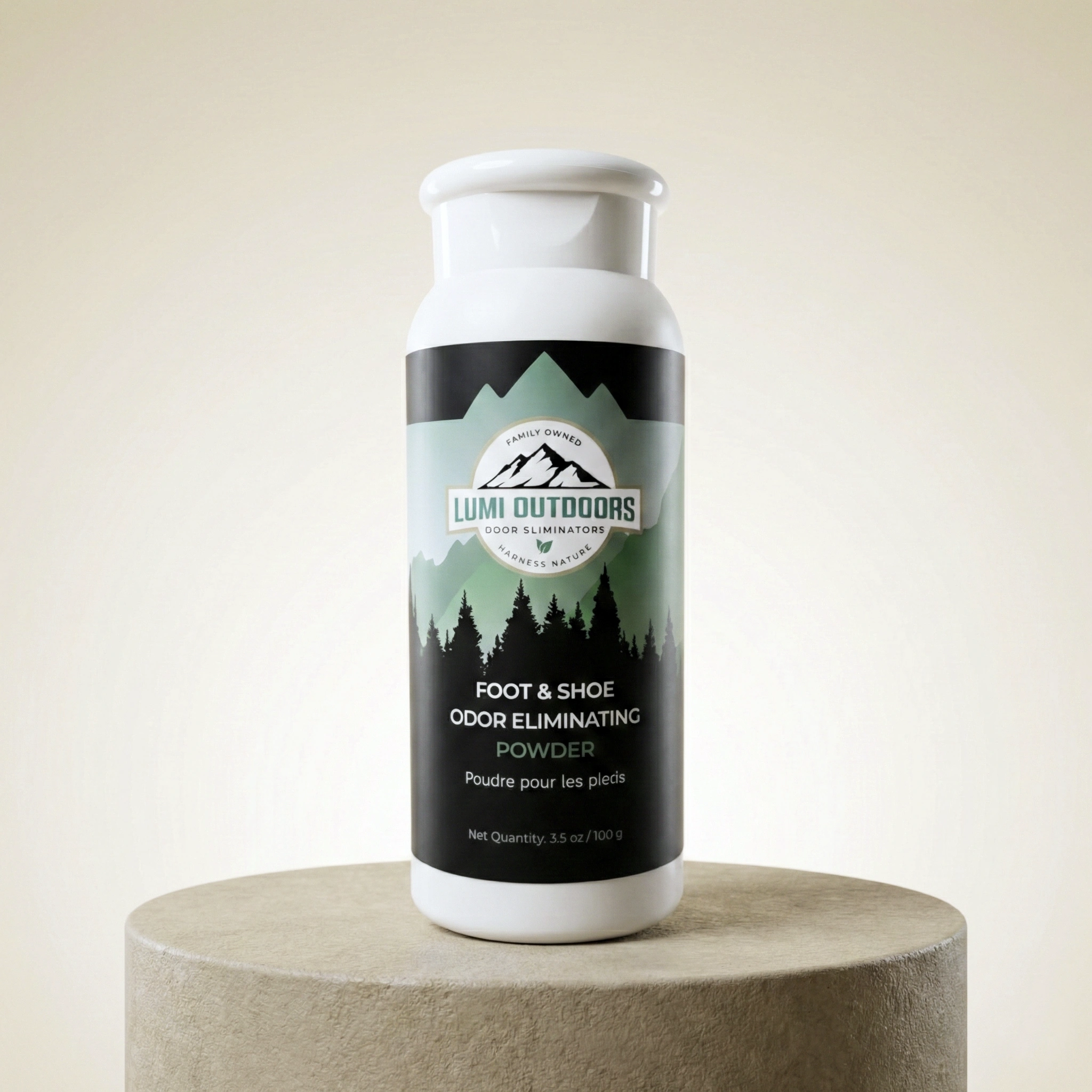
The best way to fight odor is to stop it before it starts. Our all-natural, talc-free foot powder is your first line of defense against mois...
- ABSORBS SWEAT & NEUTRALIZES ODOR
- ALL-NATURAL & TALC-FREE FORMULA
- PROUDLY FAMILY-OWNED & MADE IN UTAH
- THE "FRESH CONFIDENCE" GUARANTEE