
Why Washing Fails: 5 Easy Tricks for Deodorizing Fur-Lined Boots Instead
- Skip the Wash Washing machines destroy adhesives and mat the fur lining of expensive boots.
- Dry Methods Only Use baking soda and newspaper to pull moisture and scent out without heat.
- Natural Neutralizers Essential oil sprays provide the most effective deep-clean for dense fibers.

We’ve all been there. You come home after a long day in the snow or a chilly walk, pull off those cozy fur-lined boots, and a smell hits you that could knock a vulture off a gut-wagon. It’s that sour, damp, "locker room" scent that seems to cling to the plush lining like it’s found a permanent home. If you’re a parent of a kid who lives in UGGs or a partner to someone who wears insulated work boots, you know exactly what I’m talking about.
Your first instinct is probably to toss them in the washing machine. I get it. It’s fast and easy. But here’s the thing: doing that is the fastest way to turn your expensive boots into lumpy, ruined trash. The water breaks down the glues, and the agitator can shred that delicate lining. Plus, once that fur gets soaked, it takes days to dry, which only makes the smell worse. We need a better way to handle bromodosis (the technical name for stinky feet) without destroying our footwear.
Why Can't I Just Throw Fur-Lined Boots in the Washing Machine?
Washing machines ruin fur-lined boots because the high water volume and mechanical agitation break down structural adhesives and permanently mat the delicate interior fibers. Excess moisture trapped in the lining also provides a breeding ground for odor-causing organisms, often making the smell worse than before.
Think of your boots like a fancy sweater. You wouldn’t throw a cashmere coat in the heavy-duty cycle, right? Fur-lined boots, whether they’re real sheepskin or synthetic, are held together by specific glues that hate being submerged. When they get soaked, they lose their shape. Even worse, the "fur" usually turns into a matted mess that never feels soft again. If you've ever wondered why scrubbing doesn't work, it’s because the odor is trapped deep in those fibers, and adding more water just locks it in.
You don’t need a chemistry degree to fix this. You just need a solution that works with the material, not against it.
What You'll Need
- Newspaper for Stuffing
- Baking Soda
- Extra Strength Shoe Deodorizer Spray Check Price →
- Cedar Shoe Trees
How Do I Use Baking Soda to Remove Odors from Fur?
To use baking soda effectively, sprinkle a generous amount inside the boots, shake them to ensure the powder reaches the toes, and let it sit for at least 24 hours before shaking it out or vacuuming. The alkaline nature of the soda neutralizes acidic odor molecules rather than just covering them up.
Baking soda is a classic for a reason. It’s cheap, safe, and most of us already have a box in the pantry. For fur linings, it acts like a dry shampoo. It pulls the oils and sweat out of the fibers. I like to do this on a Friday night so the boots can sit all weekend. Just a heads up: make sure the boots are completely dry before you put the powder in, or you’ll end up with a pasty mess. If you want to know more about why this works (and why it sometimes isn't enough), check out why baking soda alone is a terrible shoe deodorizer for the long term.
If your boots are exceptionally funky, place them in a sealed bag and put them in the freezer overnight. The extreme cold helps neutralize odor-producing elements without adding a drop of damaging moisture. Just let them reach room temperature before wearing!
Can Newspaper Really Pull Moisture Out of Heavy Boots?

Yes, stuffing boots with crumpled newspaper is one of the most effective ways to remove deep-seated moisture because the porous paper acts as a wick, drawing liquid out of the lining. This prevents the damp environment where odors thrive and helps the boots maintain their shape while drying.
This is an old-school trick my dad taught me. If the boots are damp from sweat or a little bit of snow, don't put them by the heater. High heat can crack the leather or suede. Instead, grab some Newspaper for Stuffing and pack it in tight. Change the paper every few hours if it feels damp. It’s a slow process, but it’s the safest way to get the core of that fur lining bone-dry. Dry boots don't smell nearly as bad as damp ones.
I tested both side-by-side for a week. Here's what happened:
| Feature | Extra Strength Shoe Deodorizer Spray | Big-Brand Aerosol Spray |
|---|---|---|
| Odor Elimination | Neutralizes at the source with essential oils | Covers smells with heavy synthetic fragrance |
| Residue | Clean finish, no sticky buildup | Often leaves a powdery or oily film |
| Effect on Fur Lining | Safe for sheepskin and faux fur | Alcohol can dry out and damage natural hides |
What Is the Best Way to Use Cedar Shoe Trees for Fur Linings?

The best way to use cedar shoe trees is to insert them immediately after taking the boots off while the lining is still warm and slightly damp. The natural oils in the cedar wood neutralize odors while the wood itself absorbs moisture and prevents the toe box from collapsing.
I used to think Cedar Shoe Trees were just for fancy dress shoes. I was wrong. For fur-lined boots, they are a lifesaver. Because the fur takes up so much room, these boots often get "floppy" and lose their structure. The cedar smells amazing, and unlike plastic shapers, it actually does some of the deodorizing work for you. It’s like a spa treatment for your boots every single night. If you’re dealing with heavy-duty gear, learning how to get rid of smelly work boots usually starts with proper storage like this.
How Often Should I Rotate My Boots to Prevent Smells?
You should rotate your boots so that you never wear the same pair two days in a row, allowing a full 24 to 48 hours for the lining to completely air out. This break is essential for fur-lined footwear because the dense lining retains moisture significantly longer than standard shoe materials.
This is the hardest rule for my kids to follow. They have their "favorite" pair and want to wear them every day. But if you wear them Monday, and they’re still a bit damp on Tuesday morning, you’re just adding fresh sweat to an old problem. It's a recipe for disaster. If you can, have two pairs in rotation. It sounds expensive, but it actually makes both pairs last three times longer because the materials aren't constantly breaking down from dampness.
What's the Secret to a Deep Natural Clean?
The secret to a deep natural clean is using an essential oil spray that breaks down the organic compounds causing the odor without leaving behind chemical residues. Using a soft brush to lift the fur fibers before spraying allows the solution to reach the base of the lining where odors are most concentrated.
Sometimes, the newspaper and baking soda just aren't enough for those "toxic" boots. That’s when you need something with a bit more kick. I use a Baking Soda pre-treatment followed by a natural spray. Use a Cedar Shoe Trees set to keep the shape, and then give the inside a light misting of a high-quality deodorizer. It’s about being consistent. Don’t wait until you can smell the boots from across the room. A quick spray once or twice a week keeps the "corn chip" smell at bay. Speaking of which, if you've ever wondered why your feet smell like corn chips, it’s all down to the types of bacteria living in that warm, fur-lined environment.
Is the natural route perfect? Mostly, but it does require consistency. Here's the honest breakdown:
- Extends the life of expensive sheepskin boots
- Smells like a spa instead of a chemistry lab
- Prevents that 'matted' fur feeling from washing machines
- Requires 24 hours for best results
- Does not remove physical mud or dirt from the outside
At the end of the day, your fur-lined boots are an investment in your comfort. Whether it's a pair of UGGs or rugged work boots, they deserve a little respect. Skip the washing machine, grab some newspaper, and use a spray that actually works. Your nose—and your family—will thank you.
Want to eliminate shoe odor for good?
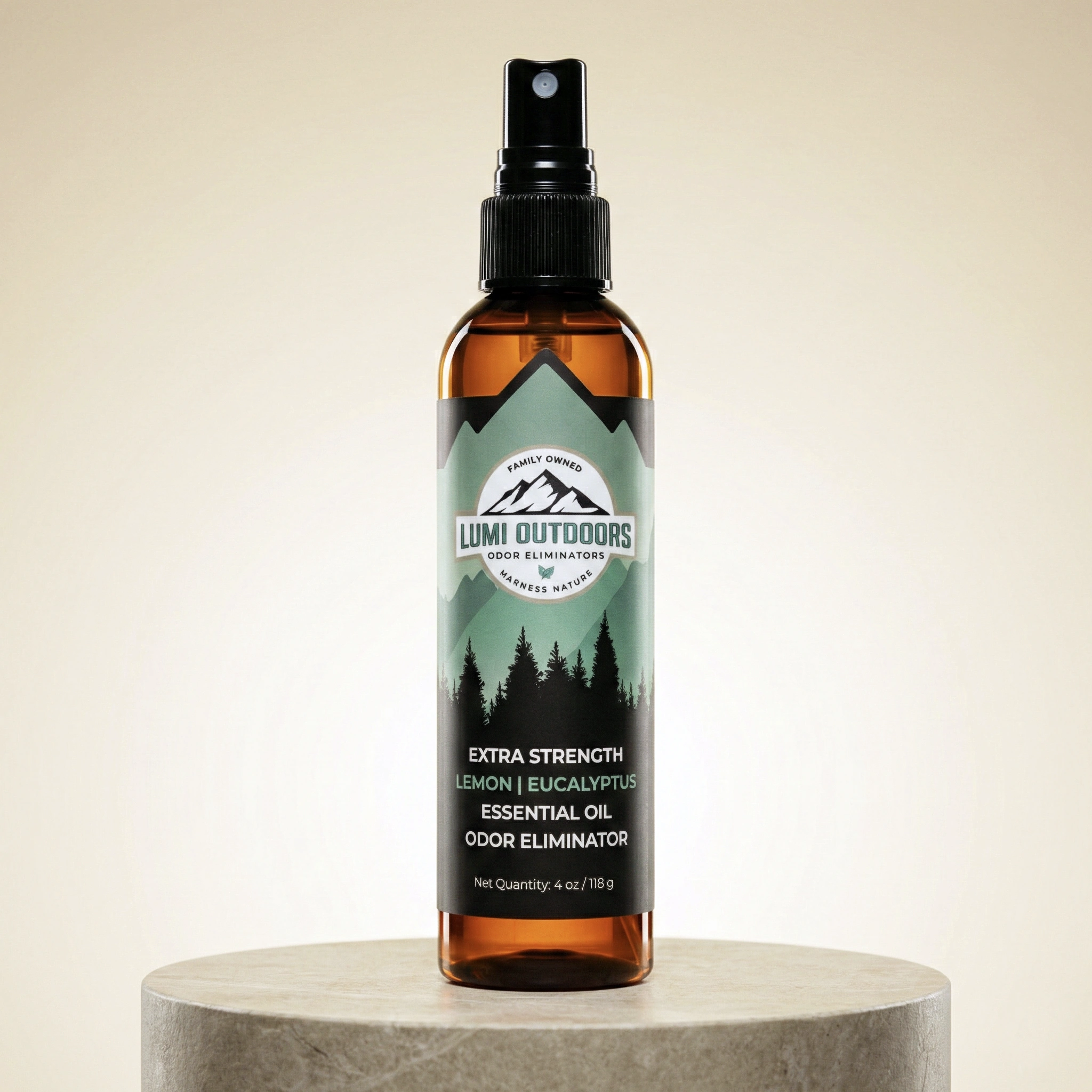
Join 1 Million+ Other People Who Chose Lumi to Conquer Their Shoe Odor.
- DESTROYS ODOR AT THE SOURCE, DOESN'T JUST MASK IT
- ALL-NATURAL & PLANT-BASED INGREDIENTS
- PROUDLY FAMILY-OWNED & MADE IN UTAH
- THE "FRESH CONFIDENCE" GUARANTEE