

Stop Youth Cleat Stink! 5 Proactive Tips for Football Moms
- Moisture Control Airflow and manual drying with newspaper are safer and more effective than using high-heat dryers.
- Skip the Wash Washing machines melt the glue and ruin the structure of expensive athletic footwear.
- Be Proactive Spray cleats immediately after use to stop the smell before it sets into the fabric.

You know that smell. It’s that thick, heavy, unmistakable "stink" that hits you the second your son opens the car door after practice. It’s not just sweat; it’s like something crawled into those cleats and decided to stay a while. As a mom, you’re stuck between wanting them to work hard on the field and wanting to keep your car and hallway from smelling like a locker room.
I’ve been there. I’ve tried the "leave them in the garage" method, only to have the smell follow us inside anyway. Those cleats are expensive, and tossing them out every month isn’t an option. But here's the thing: you can't just wait for the smell to happen and then try to fix it. You need a game plan. You need to be proactive. If you don't stay ahead of it, the odor gets trapped in the synthetic fibers and leather, making it almost impossible to remove.
So, how do we stop the funk before it takes over your life? It’s simpler than you think. You don't need a lab or harsh chemicals. You just need a few smart habits. Let’s look at the five best ways to keep those cleats fresh and save your nose from the post-practice car ride.
1. Why Do Youth Football Cleats Smell So Bad So Fast?
Youth football cleats smell quickly because the combination of intense sweat, heat from the athlete's foot, and synthetic materials creates a perfect environment for odor-producing organisms to thrive. Without proper airflow, moisture stays trapped in the fabric, leading to persistent smells.
Kids play hard. When they’re running drills for two hours, their feet produce a significant amount of moisture. Football cleats are usually made of plastic, synthetic leather, or heavy knits designed for durability, not breathability. This means the sweat has nowhere to go. It stays inside the shoe, gets warm, and starts to break down. This process is technically known as bromodosis, and it’s the root cause of that "rotten" scent.
If you let those wet cleats sit in a dark, cramped gym bag overnight, you’re basically giving the odor a head start. The key is to break that cycle as soon as they step off the turf. Before you even head home, have them loosen the laces. It sounds small, but letting a little air in immediately makes a difference.
If you want to stop the moisture before it starts, you need a heavy-duty absorber. This is the one we keep by the door:
What You'll Need
- Newspaper for stuffing
- Microfiber cloth for wiping mud
- Extra Strength Shoe Deodorizer Spray Check Price →
- Removable insoles for airflow
2. Should You Wash Football Cleats in the Washing Machine?
You should never put football cleats in the washing machine because the heat and agitation can melt the adhesives holding the sole together and warp the synthetic materials. The best way to clean them is by hand using a damp cloth and mild soap.
It’s tempting to just toss the whole mess into the wash and hope for the best. But please, don't do it. I’ve seen parents ruin a $150 pair of cleats in one cycle. The machine is too violent for the delicate structure of an athletic shoe. Instead, take a microfiber cloth and some warm water. Wipe down the outside to get rid of the mud and grass. Mud is a hidden culprit of odor because it traps moisture against the shoe material.
If the cleats are particularly gross, use a soft brush to scrub the studs and the edges. Keeping the outside clean prevents grime from seeping into the pores of the shoe. It’s a bit more work, but it keeps the shoes functional for the whole season. If you're dealing with different types of shoes, like leather boots, the rules are even stricter. For example, you have to be careful not to ruin waterproof leather with the wrong cleaning methods.
We compared our natural spray against the big-brand aerosols. The difference isn't just in the smell—it's in the chemistry.
| Feature | Extra Strength Shoe Deodorizer Spray | Generic Aerosol Sprays |
|---|---|---|
| Natural Ingredients | 100% Plant-Based Oils | Synthetic Fragrances & Alcohol |
| Odor Elimination | Destroys odors at the source | Masks smells with heavy perfume |
| Longevity | Over 700 sprays per bottle | Runs out quickly |
3. How Can You Dry Cleats Quickly Without Damaging the Material?

To dry cleats quickly without damage, remove the insoles and stuff the shoes with crumpled newspaper to soak up internal moisture. Avoid using direct heat sources like hair dryers or radiators, as these can crack the leather and damage the foam cushioning.
Airflow is your best friend. As soon as your kid gets home, the first step is to pull out the removable insoles. Most people forget this part, but the space between the insole and the bottom of the shoe is where most of the moisture hides. Set the insoles aside to air out separately. Then, grab some old newspaper. Crumple it up and stuff it all the way into the toes of the cleats.
The Car Ride Rule: Never let your athlete leave their cleats tied and stuffed in a bag for the ride home. Have them unlace completely and pull the shoe tongue all the way forward as soon as they reach the car. This 30-second habit starts the drying process before you even pull out of the parking lot.
The paper acts like a sponge, drawing the sweat out of the fabric. Change the paper after an hour if the cleats are soaked. This is a much safer way to dry them than putting them near a heater. High heat is the enemy of modern athletic foam. If you’ve ever wondered why your vegan leather boots reek, it's often because they were never allowed to dry properly, and the materials started to degrade.
4. What Are the Best Natural Remedies for Cleat Odor?

The best natural remedies for cleat odor include baking soda, white vinegar sprays, and essential oils like tea tree or peppermint. These ingredients help neutralize the pH levels inside the shoe and stop the odor-causing organisms from multiplying.
If the smell is already there, you can reach for things in your pantry. A little baking soda sprinkled inside overnight can help, though it can be messy to clean out. Another trick is a 50/50 mix of white vinegar and water. Lightly mist the inside of the cleats and let them dry completely. The vinegar smell disappears as it dries, taking a lot of the funk with it.
Essential oils are also great. A few drops of eucalyptus or lemon oil on a cotton ball left inside the shoe can make a huge difference. These natural options are much better for your kid's skin than the heavy chemical perfumes found in grocery store sprays. You want something that actually deals with the problem rather than just masking it with a "mountain breeze" scent that ends up smelling like "mountain breeze and gym socks."
5. What Is the Most Effective Way to Prevent Cleat Odor Proactively?
The most effective proactive method is using a high-quality, plant-based deodorizer spray immediately after every use. By treating the shoes while they are still warm and slightly damp, you stop the odor from setting into the fabric.
Consistency is the secret. If you wait until Saturday to clean the cleats from Tuesday's practice, you've already lost. The most successful football moms I know have a "bag-to-door" routine. The cleats come out of the bag, the mud gets wiped off, and they get a quick spray of a natural deodorizer. This prevents the smell from ever reaching that "emergency" level.
Using something like the Extra Strength Shoe Deodorizer Spray makes this routine take about ten seconds. It’s 100% plant-based, which is important when you think about your kid's feet being pressed against that material for hours. It doesn't just hide the smell; it uses plant-based essential oils to destroy the source of the odor. It's the "easy button" for busy parents who don't have time to mess around with vinegar or newspaper every single night.
Is the natural route perfect? Mostly, but it does require consistency. Here's the honest breakdown:
- Uses high-quality essential oils
- Massive 8oz bottle lasts the whole season
- Actually eliminates smells instead of masking them
- Requires daily consistency for best results
- Bottle is too large for most small pockets
At the end of the day, managing youth sports gear is a full-time job. Between the laundry, the carpooling, and the snacks, the last thing you want to deal with is a house that smells like a locker room. By setting up a simple proactive routine—drying the cleats, using natural sprays, and keeping them out of the bag—you can extend the life of that expensive gear and keep your home fresh. Ready to take the first step toward a better-smelling season?
Tired of that locker room smell in your car?
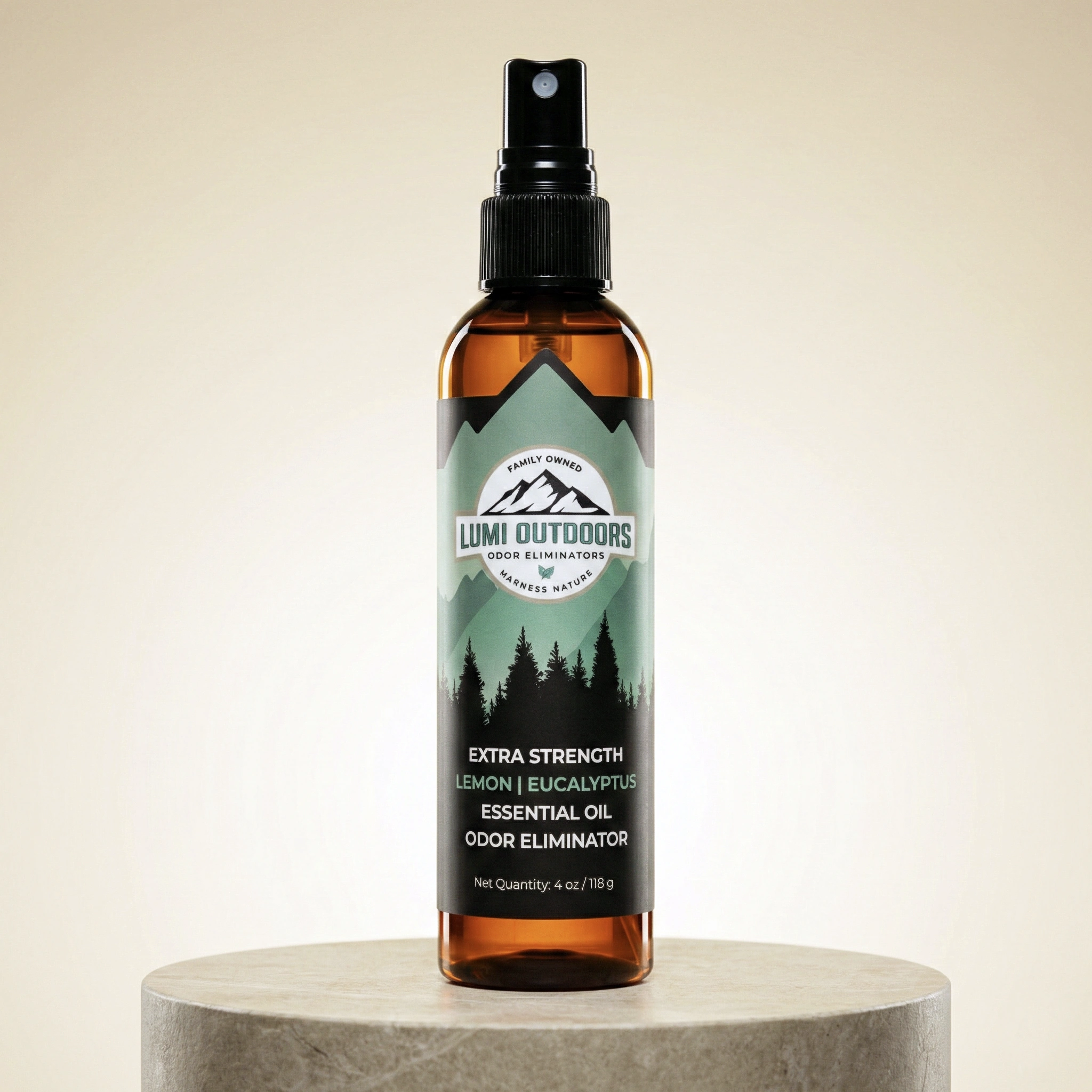
Join 1 Million+ Other People Who Chose Lumi to Conquer Their Shoe Odor.
- DESTROYS ODOR AT THE SOURCE, DOESN'T JUST MASK IT
- ALL-NATURAL & PLANT-BASED INGREDIENTS
- PROUDLY FAMILY-OWNED & MADE IN UTAH
- THE "FRESH CONFIDENCE" GUARANTEE