

Stop Your Shoe Closet From Ruining Your Home Naturally
We’ve all had that moment. You walk through the front door after a long day, ready to kick back, and then it hits you. A wall of scent that definitely isn't fresh-baked cookies. It’s the "shoe smell." It’s that funky, heavy aroma that seems to live in the entryway, courtesy of your kid’s soccer cleats, your partner’s work boots, and your own gym sneakers.
As a parent, I know the struggle. You want a home that feels clean and welcoming, not like a locker room. But you also don't want to drown your living space in synthetic perfumes that just mask the problem. Here is the good news: you can reclaim your entryway without using harsh stuff. It’s all about managing moisture and using the right natural tools.
- Moisture is the Enemy Smells thrive in damp environments so drying shoes is the first step to a fresh home.
- Choose Plant-Based Natural citrus and eucalyptus oils neutralize odors without using harsh synthetic chemicals.
- Consistency Wins A daily spray and weekly storage cleanup prevents odors from ever taking hold.

Why Does the Entryway Always Smell Like Shoes?
Entryways smell because they act as a collection point for moisture and sweat trapped inside footwear, which creates the perfect environment for odors to grow. Without proper airflow, these smells become concentrated in small closets or mudrooms and eventually drift into the rest of the house.
Think of your shoes like little sponges. Throughout the day, they soak up sweat. When you toss them into a dark, cramped closet, that moisture has nowhere to go. It just sits there, getting weirder by the hour. Most entryways are small and don't have great windows or fans, so the air stays still. That’s why you notice the smell the second you turn the key in the lock.
I used to think my kids just had exceptionally stinky feet. And while that might be true, the real issue was how we were storing the shoes. We were piling them up, which meant they never actually dried out. If you want to fix the smell, you have to fix the storage. You don't need a chemistry degree to fix this. You just need a high-performance natural solution that actually works.
What You'll Need
- Old Newspaper
- Baking Soda
- Extra Strength Shoe Deodorizer Spray Check Price →
- Mesh Laundry Bag
How Can I Make My Entryway Smell Better Naturally?
To make an entryway smell better naturally, use plant-based deodorizers like lemon and eucalyptus sprays and place moisture-absorbing materials like baking soda inside shoes. Establishing a "shoes-off" policy and ensuring footwear is completely dry before storage prevents the buildup of deep-seated odors.
Natural solutions are often better because they don't just cover up the scent; they address the source. I'm a big fan of using citrus. Lemon and orange oils are great at cutting through that heavy "gym bag" smell.
Another trick is to use what you already have in the pantry. Baking soda is a classic for a reason. It's cheap and it works. I keep a small jar of it near the shoe rack. If a pair of boots feels particularly damp, a quick sprinkle inside can help soak up the worst of it. Just remember to shake them out before the kids put them back on, or you'll have white footprints all over the carpet!
Try the '24-Hour Rotation' rule. Never wear the same pair of shoes two days in a row. Giving footwear a full day to breathe between uses allows moisture to evaporate completely, cutting down on odor-causing buildup by half.
What Are the Most Effective Ways to Dry Out Wet Shoes?

The most effective way to dry shoes is to remove the insoles and stuff the interiors with crumpled newspaper to pull moisture from the fabric. Keeping shoes in a well-ventilated area with consistent airflow is much safer and more effective than using direct heat sources like radiators.
Wet shoes are the biggest culprit in a smelly house. Whether it's rain, snow, or just heavy sweat from a long run, moisture is the enemy. I’ve learned the hard way that putting shoes directly on a heater can ruin the glue and crack the leather. It’s better to be patient. Grab some old newspaper, ball it up, and shove it deep into the toes. The paper acts like a wick, pulling the water out of the material.
For sneakers, you can also toss them in a mesh laundry bag and let them air out on a porch or near a fan. If you're dealing with serious weather gear, check out these 7 tips to deep clean rain gear. The key is to never let them sit in a pile while they are still damp.
How Do I Stop Shoe Odors From Spreading Through the House?
Stopping the spread of odors requires a combination of routine cleaning, using charcoal inserts to trap scents, and applying a strong natural deodorizer daily. Creating a physical barrier by keeping shoes in a dedicated cabinet or cubby with breathable doors also helps contain smells.
If you feel like the smell is following you into the kitchen, it's time to get aggressive. According to experts at the Mayo Clinic, foot odor is often caused by the breakdown of sweat, so keeping the environment dry is your first line of defense. I like to use a "clean zone" approach. Shoes stay in the entryway, and they get sprayed as soon as they come off.
One of our customers, Sarah, told us: "My son’s hockey bag used to make the whole garage smell. Since we started using the Extra Strength spray, I can actually breathe again when I go out there. It’s a lifesaver." It really is about being consistent. If you let the smell build up for a month, it's much harder to get rid of than if you handle it every day.
We compared our natural spray against the big-brand aerosols you find at the grocery store. The difference isn't just in the smell—it's in the ingredients and how they react with the fabric.
| Feature | Extra Strength Shoe Deodorizer Spray | Big-Brand Aerosol Spray |
|---|---|---|
| Ingredients | Essential Oils | Synthetic Fragrance & Alcohol |
| Odor Action | Neutralizes at the source | Masks with heavy perfume |
| Scent Profile | Bright Lemon & Eucalyptus | Chemical \"Fresh\" scent |
Is It Better to Use a Spray or a Powder for Shoe Odor?
Sprays are better for immediate odor neutralization and refreshing the scent of the shoe, while powders are superior for long-term moisture absorption and preventing odors from developing during wear. Using both in a system provides the most comprehensive protection against stubborn smells.
This is the age-old question. If you’re in a rush and need to kill a smell right now, a spray is your best friend. It’s fast and covers the whole interior easily. But if you have someone in the house with "swamp feet"—you know who I mean—a powder is the secret weapon. It goes in before the shoes are even put on to keep sweat from soaking into the soles in the first place.
I usually recommend the Natural Foot Powder and Extra Strength Shoe Deodorizer Spray combo for the heavy hitters. You use the powder in the morning and the spray at night. It’s like a 24-hour defense system for your closet. You can read more about 5 pro methods to make shoes stop stinking if you want to see how the pros handle the really tough cases.
How Often Should I Refresh My Shoe Storage Space?

You should refresh your shoe storage area at least once a week by wiping down shelves and rotating shoes to ensure they have 24 hours of rest between uses. For high-traffic entryways, a daily spritz of a natural citrus spray keeps the air light and prevents odors from settling into the floor or walls.
Entryways are high-traffic zones. Dirt, moisture, and smells are constantly coming in. I make it a habit to do a quick "shoe shuffle" every Sunday. I check which shoes need a deep clean, which ones need to be moved to the back, and I give the whole rack a quick wipe. Keeping the actual storage surface clean is just as important as cleaning the shoes themselves.
Is the natural route perfect? Mostly, but it does require a bit more consistency than just masking things with heavy perfumes. Here is the honest breakdown:
- Instantly cuts through heavy shoe and closet funk
- Prevents smells from spreading to the rest of the house
- Value-focused bottles last for weeks of daily use
- Requires daily application for the best long-term results
- Natural scent is bright but does not linger as long as synthetic perfumes
At the end of the day, your home should be your sanctuary. You shouldn't have to hold your breath when you walk through the door. By focusing on keeping things dry and using high-quality natural ingredients, you can keep your entryway smelling like a home, not a gym. It takes about thirty seconds of effort a day, but the payoff of a fresh-smelling house is totally worth it. Your nose (and your guests) will thank you.
Ready to reclaim your entryway from the funk?
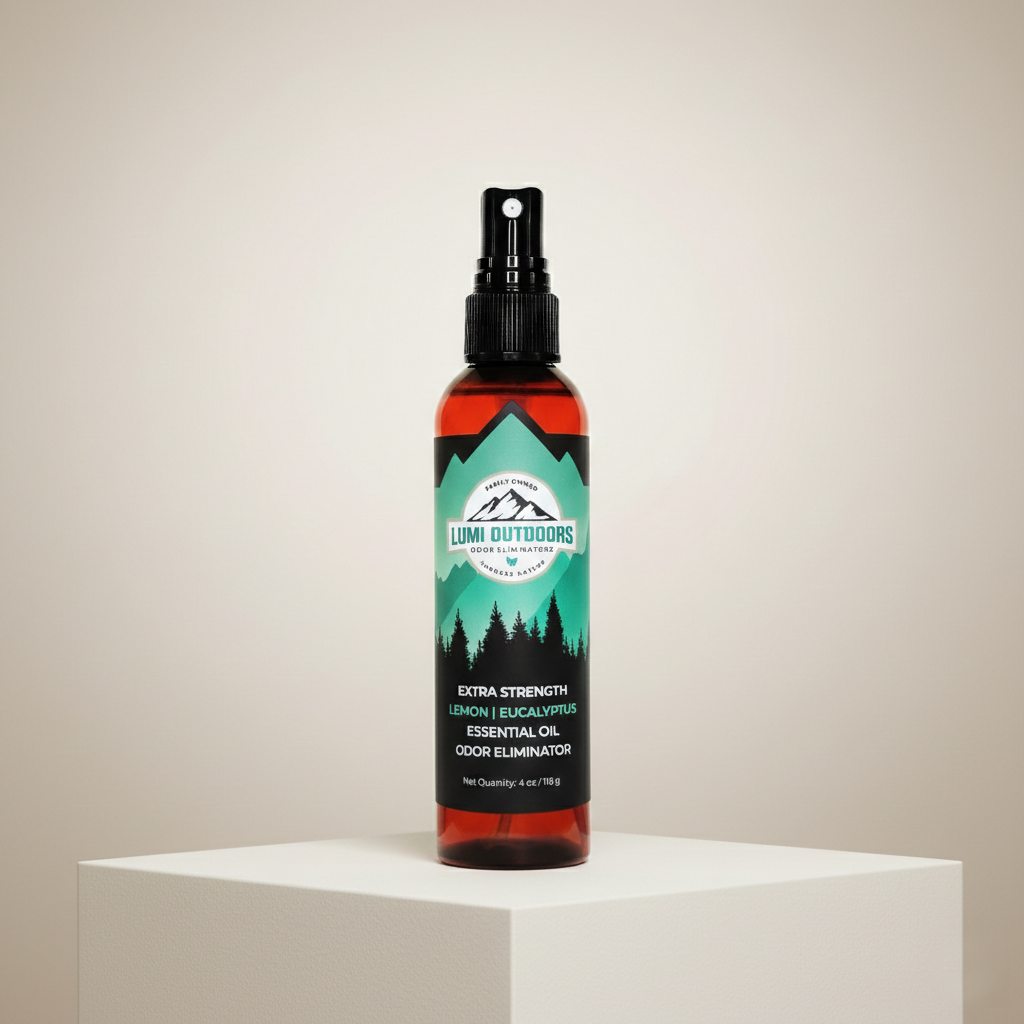
Join 1 Million+ Other People Who Chose Lumi to Conquer Their Shoe Odor.
- DESTROYS ODOR AT THE SOURCE, DOESN'T JUST MASK IT
- ALL-NATURAL & PLANT-BASED INGREDIENTS
- PROUDLY FAMILY-OWNED & MADE IN UTAH
- THE "FRESH CONFIDENCE" GUARANTEE