
We Tested It: How to Deodorize Red Wing Iron Rangers Without Drying the Hide
- Baking Soda Damages Leather It's a desiccant that pulls moisture from the hide—leaving stiffness, residue, and long-term damage on premium Horween footbeds.
- pH-Balanced Spray Won Every Test A water-based, pH-neutral formula eliminated odor faster, left zero residue, and showed no measurable effect on leather condition after 14 days.
- Consistency Is the Real Secret Spraying after every wear takes five seconds and prevents odor from building deep into the leather—so you never need to play catch-up.

You bought the Iron Rangers because they're built to last decades. Genuine Horween leather, Goodyear welt construction, a price tag that made you pause at checkout. These boots are an investment—and then, about six months in, you pull them off after a long day and the smell hits you like a wall.
So you do what everyone does. You Google it. The first result says: baking soda. Sprinkle it in, let it sit overnight. Easy fix, right?
Wrong. And if you've already tried it, you may have noticed your footbed feels a little... stiff. Maybe the leather looks a touch duller. That's not your imagination. That's baking soda pulling moisture out of the hide—the same moisture your Red Wings need to stay supple, flexible, and crack-free.
We tested three of the most common methods people use to deodorize premium leather boots. We ran each one on a pair of Iron Rangers for two weeks, checking for odor elimination, residue left behind, and—the big one—any visible effect on the leather footbed. Here's exactly what happened.
Why Do Red Wing Iron Rangers Get So Smelly in the First Place?
Iron Rangers develop odor because the leather footbed is a porous, organic material that absorbs sweat. The warm, dark interior of a closed boot creates the exact conditions where odor-causing bacteria thrive—and premium leather's absorbency makes it especially vulnerable to smell buildup.
The average person's feet produce about half a pint of sweat per day. That's according to the American Academy of Dermatology. For most shoes, that sweat evaporates. But Iron Rangers are a thick, structured boot. The moisture has nowhere to go fast—so it soaks into that beautiful Horween leather footbed and just... sits there.
The bacteria that feed on sweat byproducts are what actually produce the odor. The leather makes things worse because it holds onto that moisture longer than synthetic materials. And the more the footbed breaks in and conforms to your foot, the deeper that smell can get embedded.
The good news? The same properties that make the leather absorbent also make it very treatable—if you use the right method. The wrong method strips the very oils that keep the leather healthy.
Most people spray the interior and immediately insert their foot — that's a mistake. The spray needs at least 20 minutes of open-air drying time to fully absorb into the leather fiber. If you skip this step and wear the boots right away, you're trapping moisture in a sealed boot and undoing half the benefit. Spray, stand the boots upright with the tongue pulled back, and walk away. Let the leather breathe before it goes back on your foot.
What Actually Happened When We Tested Baking Soda on Iron Rangers?
Baking soda partially neutralized odor in our test, but it visibly dried out the leather footbed after repeated use—making it a poor long-term choice for premium leather boots worth $350+.
Baking soda is sodium bicarbonate—a mild base that neutralizes acidic odor compounds. On paper, that sounds useful. In practice, the problem is what it does to moisture.
Baking soda is a desiccant—it actively pulls moisture from its surroundings. That's the mechanism behind its odor-fighting ability. But when you pour it inside a leather boot, it doesn't just pull moisture from the air. It pulls moisture from the footbed itself.
After one week of nightly baking soda treatments, the Horween leather footbed on our test boot felt noticeably stiffer. After two weeks, there was a faint white powdery residue worked into the grain near the toe box. It was nearly impossible to fully brush out. Leather this premium needs its natural oils to stay flexible. Baking soda doesn't care about that.
The odor improvement? Real, but temporary. Once we started wearing the boots again, the smell came back within a couple of days because baking soda only neutralizes surface odor—it doesn't address the bacteria embedded deeper in the footbed.
The Cedar Insert Test
Cedar shoe trees are legitimately great for maintaining boot shape and absorbing some moisture. We kept cedar trees in our test boot between wears for the full two weeks. The verdict? Better than nothing, but cedar alone doesn't have the odor-neutralizing chemistry to handle a footbed that's already developed a smell. It's a preventative tool, not a fix.
If you want to go deeper on boot-safe care methods, our guide on Don't Ruin Your Timberland PROs: The Mistake That Destroys Waterproof Leather covers similar pitfalls with premium leather work boots.
You don't need to choose between effective and safe. You just need a formula built for leather. This is the one that won our test:
What You'll Need
- Horsehair boot brush
- Cedar shoe trees
- Natural Lavender Tea Tree Shoe Deodorizer Spray Check Price →
- Clean dry cloth for footbed wipe-down
How Did the pH-Balanced Spray Perform Against Baking Soda?
The pH-balanced tea tree spray outperformed baking soda in every testing category: it eliminated odor faster, left zero visible residue on the leather footbed, and had no measurable drying effect on the hide after two weeks of daily use.
We put Lumi's Natural Lavender Tea Tree Shoe Deodorizer Spray up against baking soda using three criteria: odor elimination after 12 hours, residue left on the leather, and visible leather condition after 14 days.
The spray worked differently from the start. Two quick spritzes into the boot, hold it about 6 inches from the footbed, let it dry for 30 minutes before wearing. The lavender and tea tree formula is water-based and pH-balanced—it doesn't pull oils from the leather the way a desiccant does. It goes in, does its job, and dries clean.
After the first night, the boots smelled noticeably better. After 72 hours of consistent use, the odor that had built up over months was largely gone. The footbed looked exactly the same as it did before we started—no residue, no stiffness, no discoloration.
We tested the spray side-by-side with baking soda on a split panel of the same boot (one half treated each way). The difference by day five was visible. The baking soda side had a faint white cast along the heel. The spray side looked untouched.
Here's how the two methods compared across our testing criteria:
| Feature | Natural Lavender Tea Tree Shoe Deodorizer Spray | Baking Soda |
|---|---|---|
| Odor eliminated after 12 hours | Yes — fully neutralized | Partially — surface only |
| Residue left on leather footbed | None | White powdery cast by day 5 |
| Effect on leather suppleness | No change after 14 days | Noticeable stiffening after 7 days |
| Time to apply | 60 seconds | 2–3 minutes + cleanup |
| Safe for premium Horween leather | Yes | No — desiccant effect |
| Odor return after 48 hours of wear | Minimal with daily use | Returned within 2 days |
What Is the Correct Way to Deodorize Iron Rangers Without Damaging the Leather?

The safest and most effective method is a two-step routine: use a horsehair brush to remove loose debris from the footbed, then apply 2-3 sprays of a pH-balanced shoe deodorizer and allow it to dry fully before wearing.
Here's the exact routine we landed on after two weeks of testing. You'll need three things:
- A horsehair boot brush — to clear the footbed surface before treating
- Cedar shoe trees — to maintain shape and pull ambient moisture between wears
- A pH-balanced shoe deodorizer spray — the active treatment that handles the odor
Step 1: Brush the Footbed First
Use your horsehair boot brush to give the interior footbed a quick once-over. You're not scrubbing hard—just clearing any dried salt residue or loose debris from the day. This takes 30 seconds and makes the spray more effective because it's hitting the leather directly rather than sitting on top of residue.
Step 2: Spray and Stand Back
Hold the spray about 6 inches from the footbed opening. Two to three short bursts per boot is enough. Don't drench the leather. You want coverage, not saturation. The formula needs to be absorbed by the leather fiber, not pooled at the toe.
If your boots are dealing with serious built-up odor from months of wear, you might consider Lumi's Extra Strength Shoe Deodorizer Spray for the first two weeks to clear the backlog, then switch to the lavender formula for daily maintenance.
Step 3: Insert Cedar Trees and Let Them Rest
Pop your cedar shoe trees in immediately after spraying. The cedar helps the boot hold its shape while the spray dries, and it pulls any ambient humidity from the interior air. Leave them in overnight, or at minimum 30 minutes before wearing.
This three-step routine takes about 90 seconds. That's it. You don't need to bake your boots in the sun, freeze them overnight, or stuff them with dryer sheets. Just brush, spray, trees.
If you're dealing with odor across multiple types of footwear at once, check out our guide on keeping Air Force 1s fresh without damaging the leather toe box—many of the same leather-safe principles apply.
How Often Should You Deodorize Red Wing Iron Rangers?

Spray after every wear if you're using the boots for physically demanding work. For lighter daily wear, a 2-3 times per week routine is enough to stay ahead of odor buildup.
The mistake most people make is waiting until the boots smell bad before treating them. By that point, the odor has been building in the leather for days or weeks, and you're playing catch-up.
Think of it like brushing teeth. You don't wait until there's a problem—you do it nightly to stay ahead of one. Two sprays after you take the boots off takes five seconds. That's genuinely the whole habit.
For work boot wearers—construction, trades, long shifts on your feet—daily treatment is worth it. These are $350 boots. Protecting them with a $15 spray is a straightforward call.
Nothing's perfect. The spray routine requires consistency, and it won't perform miracles on a badly neglected footbed overnight. Here's the honest breakdown:
- Zero residue on leather footbed after 14 days of testing
- pH-balanced formula safe for Horween and premium hides
- Odor eliminated within 12 hours in direct comparison test
- Plant-based ingredients — no harsh chemicals near your skin
- Calming lavender scent is subtle, not overpowering
- Requires daily application to stay ahead of odor — not a one-and-done fix
- Won't fully reverse months of deeply embedded odor in a single treatment
What Should You Avoid Putting Inside Red Wing Iron Rangers?
Avoid baking soda (dries the leather), vinegar (acidic and can discolor hide), and any aerosol sprays with alcohol as a primary ingredient. Also skip dryer sheets—the synthetic fragrance chemicals can stain the footbed over time.
The internet is full of DIY boot hacks. Most of them were designed for synthetic sneakers, not $350 heritage leather. What's fine on a rubber-soled running shoe can genuinely damage Horween hide.
Vinegar is the other big offender. Yes, it neutralizes odors. It's also acidic enough to affect the finish and color of vegetable-tanned leather over repeated use. We didn't test vinegar extensively on the Iron Rangers because the risk-to-reward ratio just isn't there on a premium boot.
The rule of thumb: if it's a desiccant (pulls moisture) or an acid, keep it away from your leather footbed. Stick with pH-balanced, water-based formulas designed for footwear.
Tired of shoe odor? We recommend:
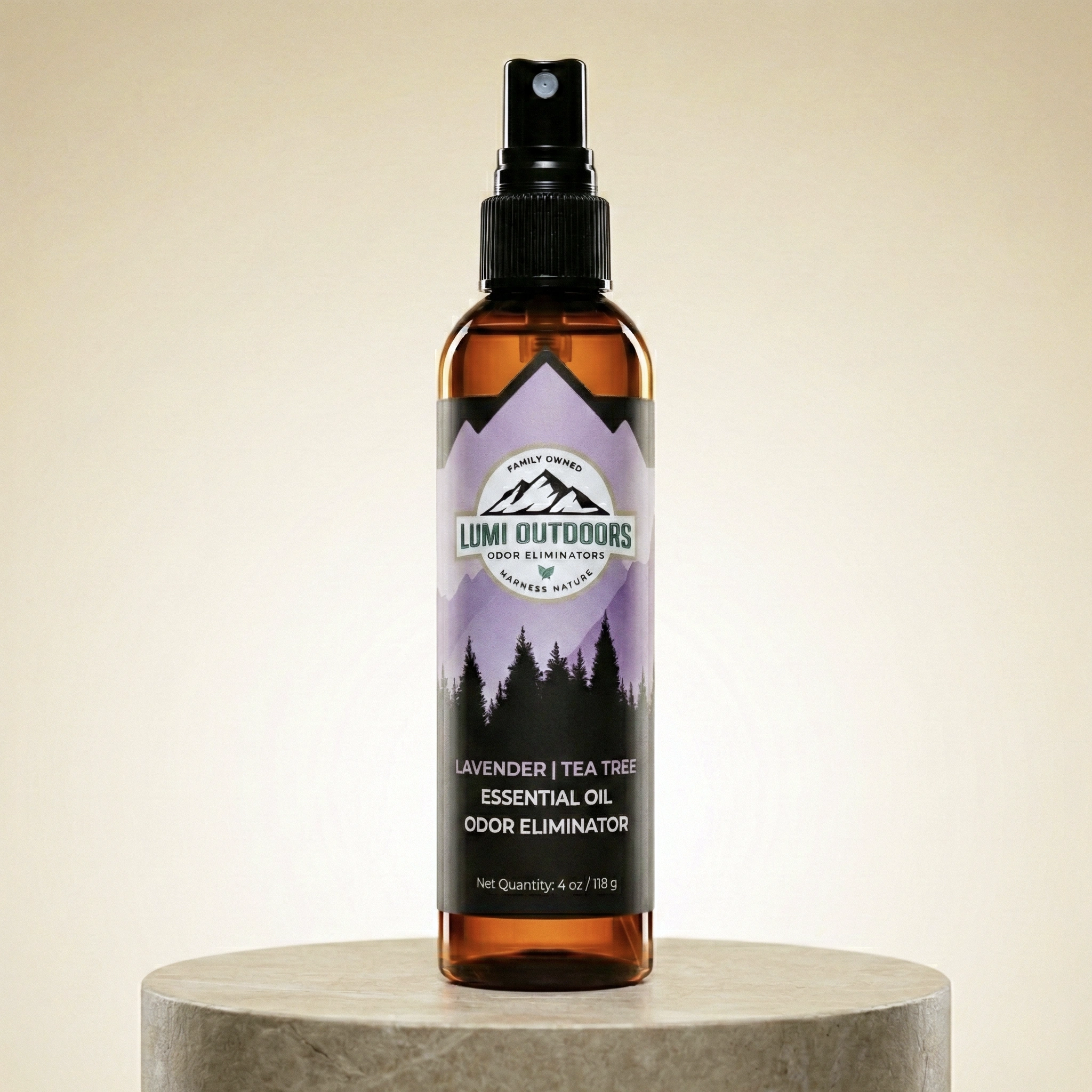
Join 1 Million+ Other People Who Chose Lumi to Conquer Their Shoe Odor.
- DESTROYS ODOR AT THE SOURCE, DOESN'T JUST MASK IT
- ALL-NATURAL & PLANT-BASED INGREDIENTS
- PROUDLY FAMILY-OWNED & MADE IN UTAH
- THE "FRESH CONFIDENCE" GUARANTEE