

Stop Breathing Toxins: Why You Need a Natural Alternative to Chemical Deodorizers
- The Core Issue Most conventional air fresheners don't eliminate odors—they mask them with synthetic chemicals that can irritate your family's lungs and linger on surfaces long after the scent fades.
- Why This Matters Now Phthalates and VOCs found in standard aerosol fresheners have been flagged by health researchers as potential hormone disruptors and respiratory irritants, especially for children.
- The Better Way Plant-derived essential oil sprays neutralize odor molecules at the source instead of covering them up, leaving your home genuinely fresh without any synthetic chemical residue.
- What Actually Works A consistent routine using a natural room spray, moisture control tools like cedar blocks, and targeted shoe deodorizers eliminates odors at the root rather than just masking them temporarily.

You walk in the door after a long day, hit the bathroom spray out of habit, and are hit with that sharp, synthetic wave of "Clean Linen" or "Spring Meadow." Your nose adjusts. But something about it never quite sits right. Maybe it's the headache that follows, or the fact that underneath the fog of synthetic fragrance, the smell you were trying to fix is still there.
You're not imagining things. That nagging feeling that your air freshener is doing more harm than good? There's real science behind it—and a much better way forward.
What's Actually in Your Chemical Air Freshener?
Most conventional air fresheners contain synthetic fragrance compounds, phthalates, and volatile organic compounds (VOCs) that don't eliminate odors—they simply coat your nose's ability to detect them or layer a new chemical smell on top of the old one.
Flip over a can of Febreze or Glade and you'll notice the ingredient list is either absent or full of terms you can't pronounce. That's not an accident. The word "fragrance" on a label can legally represent a cocktail of dozens—sometimes hundreds—of undisclosed chemicals, many of which are classified as volatile organic compounds by the EPA.
Phthalates are a particularly common offender. These synthetic compounds are used to make fragrances last longer, and research from the National Institute of Environmental Health Sciences has flagged them as endocrine disruptors—meaning they can interfere with your body's hormone signaling. Not exactly what you want drifting through the nursery or clinging to the couch cushions.
And then there's the masking problem. Chemical fresheners work by either numbing your smell receptors or drowning the bad odor in an overwhelming synthetic one. The moment the spray dissipates? The original odor is right back where it started—because nothing actually addressed the source.
Most people spray air freshener into the center of a room and wonder why it doesn't last. The real technique is to spray toward fabric surfaces—curtains, upholstered furniture, rugs—from about 12 inches away. Fabrics absorb and slowly release the essential oil compounds, turning your soft furnishings into passive diffusers that extend freshness for hours. It's a small change in habit that makes a noticeable difference in how long the freshness actually holds.
Why Do Chemical Deodorizers Keep Failing to Fix the Problem?

Chemical deodorizers fail long-term because they treat the symptom—the smell you detect—not the source: organic compounds breaking down in fabrics, surfaces, and air. Without targeting the odor molecule itself, any relief is temporary.
Think about the spots in your home that need the most attention. The bathroom after morning routines. The mudroom where your kid drops their cleats and soccer bag. The kitchen after you've cooked something with garlic or fish. The trash can corner. Each of these has a different odor source, and a single blast of synthetic spray does precisely nothing to address any of them at the root.
Odors are caused by airborne molecules—often from bacterial activity on organic material. Sweat breaking down in a fabric couch. Food particles settling into a trash can liner. Bacteria multiplying inside a damp shoe. A chemical spray can overwhelm your nose temporarily, but those odor molecules are still there, still active, still doing their thing.
That's why you end up spraying, and spraying again, and buying a new can every few weeks. It's not that you're not doing enough. It's that the product isn't designed to actually solve the problem—it's designed to make you keep buying it.
Parents of athletes know this cycle intimately. You spray the mudroom. It smells okay for maybe an hour. Then the cleats win. If you've ever wondered why baking soda and Febreze both seem to lose the battle against serious household odors, this breakdown of why baking soda fails and tea tree oil destroys the stench is worth a read.
What Are the Real Health Risks of Synthetic Fragrances at Home?
Repeated exposure to synthetic fragrance chemicals—including VOCs and phthalates found in conventional air fresheners—has been linked to respiratory irritation, headaches, and hormonal disruption, especially in children and people with asthma or sensitivities.
This isn't about being alarmist. It's about asking a reasonable question: if you're spraying something in your home multiple times a day, every day, it matters what that something is.
The American Lung Association has raised concerns about the impact of chemical cleaning and freshening products on indoor air quality, noting that many products release harmful pollutants into indoor spaces. Kids' lungs are still developing. People with asthma can find synthetic fragrance compounds genuinely triggering. And in smaller spaces—a bathroom, a car, a nursery—concentration matters.
Short-term effects from heavy chemical freshener use can include eye, nose, and throat irritation. Longer exposure is more complicated to study, but the data we do have is enough to make any ingredient-conscious parent pause.
The good news? You don't have to choose between a fresh-smelling home and a safe one. That's a false trade-off that chemical companies have been selling for decades.
If you're already ingredient-conscious about your family's footwear products, you might find it helpful to explore the surprising benefits of using an aluminum-free shoe freshener—the same logic about ingredient transparency applies throughout the home.
You need something that actually works. Something made with real, plant-derived ingredients that neutralize odor at the molecular level—not just paint over it with a synthetic scent. That's exactly what a quality natural room spray does differently.
If you want your home to smell genuinely clean—not perfumed—and you want to stop spraying mystery chemicals around your kids and pets, here's what to reach for instead:
What You'll Need
- Baking soda (for fabric pre-treatment before spraying)
- White vinegar (for trash can odor prevention)
- Lavender Vanilla Room Spray Check Price →
- Cedar blocks or shoe trees (for closet and footwear moisture control)
How Do Natural Deodorizers Actually Work?
Natural deodorizers work by neutralizing odor molecules through chemical reactions between plant-derived compounds—like essential oils—and the organic compounds causing the smell, rather than simply adding a competing scent to overpower it.
Here's the difference in plain terms. A synthetic spray mostly relies on overwhelming your nose. A natural spray built on essential oils like peppermint, citrus, lavender, or tea tree actually interacts with odor-causing compounds and breaks them down. The result is real freshness, not a temporary chemical cover.
Essential oils have been used for centuries for their natural odor-controlling properties, and modern chemistry has helped explain why they work. Compounds like limonene (found in citrus peels), linalool (in lavender), and menthol (in peppermint) are effective at binding to and neutralizing airborne odor molecules—not just covering them up.
That's why a quality natural room spray—like Lumi's Peppermint Vanilla Room Spray—leaves a room smelling genuinely fresh, rather than giving you that telltale "something is hiding under here" synthetic fragrance feeling.
We compared natural plant-based sprays against big-brand aerosol fresheners across a few key factors. The difference isn't just in the smell—it's in the chemistry.
| Feature | Lavender Vanilla Room Spray | Chemical Aerosol Freshener |
|---|---|---|
| Odor Elimination Method | Neutralizes odor molecules with plant compounds | Masks odors with synthetic fragrance overload |
| Ingredient Transparency | Full ingredient list, nothing hidden | "Fragrance" hides dozens of undisclosed chemicals |
| Safe Around Kids & Pets | Yes—no harmful VOCs or phthalates | Contains VOCs and phthalates with health concerns |
| Long-Term Effectiveness | Addresses the odor source for lasting freshness | Temporary relief; odor returns when spray fades |
| Scent Quality | Natural, sophisticated essential oil blends | Artificial, often overwhelming synthetic perfume |
| Environmental Impact | Plant-derived, biodegradable ingredients | Synthetic compounds with environmental concerns |
Where Should You Use a Natural Room Spray in Your Home?

A natural room spray made with essential oils is safe to use in every room of the home—including bathrooms, kitchens, nurseries, and pet areas—making it far more versatile than chemical aerosols, which carry warnings about use around children and animals.
Think about how many places in your home need odor attention on any given day.
The bathroom is the obvious one—but the kitchen after cooking, the mudroom after sports practice, the living room after the dog has been on the couch, the trash area, the laundry room. You're managing a rotating cast of odor problems, and you need a spray that's genuinely safe to use everywhere without making a risk calculation every time you reach for it.
A few specific spots where natural sprays genuinely shine:
- Bathrooms: Two or three spritzes after use neutralizes odor molecules in the air, not just on surfaces. The Lavender Vanilla Room Spray is particularly popular here—it's calming without being overwhelming.
- Kitchens: Fish, garlic, fried food—natural citrus-based sprays cut through cooking smells without leaving a synthetic perfume behind.
- Nurseries and kids' rooms: No synthetic fragrances means no concerns about chemical exposure near sleeping children.
- Pet areas: Essential oil sprays don't contain the chemical compounds that can be irritating to pets' respiratory systems the way some synthetic aerosols can be.
- Mudrooms and entryways: A quick spray after equipment comes in keeps the rest of the house fresh. Pair it with a Natural Citrus Tea Tree Shoe Deodorizer Spray on the cleats and you've addressed both the air and the source in one shot.
And don't forget: you can layer these into a daily routine without any concern. Two sprays of a natural room spray morning and evening in your main living areas takes maybe ten seconds and keeps your home consistently fresh without any chemical accumulation.
Over 31,000 families have already made the switch—if you're curious about what drove that decision for so many households, the story behind why they switched to a natural home odor eliminator is worth five minutes of your time.
What Should You Look For in a Natural Deodorizer—and What Should You Avoid?
The best natural deodorizers use plant-derived essential oils as their active ingredients, contain no phthalates, parabens, or synthetic fragrance compounds, and are transparent about every ingredient on the label. Avoid any product that lists "fragrance" without disclosing what's in it.
Not every product that calls itself "natural" actually is. Greenwashing is real, and the personal care and home goods industry is full of products that use the word "natural" on the front while hiding synthetic ingredients in fine print.
Here's what to actually check:
- Full ingredient transparency: Every ingredient, named. No "fragrance" as a catch-all.
- No phthalates: Used to extend synthetic scents; linked to hormonal disruption.
- No parabens: Preservatives with a problematic track record for sensitive users.
- Plant-derived active ingredients: Essential oils should be the engine of the odor elimination, not an afterthought added for marketing.
- Safe for all surfaces and spaces: If the label has warnings about use around children or pets, that's a red flag for a product being used in every room.
What you're looking for is a product where the essential oils aren't just scent—they're functional. They do the work. That's the distinction between a genuinely effective natural deodorizer and a "greenwashed" synthetic one wearing a leaf logo.
These are the three items you'll want alongside your natural spray for a complete home freshness routine:
- White vinegar: A tablespoon in your trash can before the liner goes in creates an odor-resistant base layer. Pour a capful into the bottom of your kitchen trash can weekly.
- Baking soda: Sprinkle it on fabric surfaces like couches and rugs, let it sit for 15 minutes, then vacuum. It pulls surface odors out of fibers before you spray.
- Cedar blocks or shoe trees: Place them in closets, drawers, and shoes overnight to absorb moisture and naturally deter musty smells. Rotate them out every few months and lightly sand the surface to reactivate.
Is the natural route perfect? Mostly—but it does require a bit of consistency and habit-building. Here's the honest breakdown:
- Genuinely neutralizes odors instead of masking them with synthetic scent
- No phthalates, parabens, or hidden fragrance chemicals—full ingredient transparency
- Safe to use in every room including nurseries and around pets
- Pleasant, sophisticated scents that smell like real plants, not a perfume counter
- Works across the whole home—bathroom, kitchen, mudroom, and beyond
- Very intense odors (like post-sports equipment) may need a couple of applications and a dedicated shoe spray alongside for full elimination
- Costs slightly more upfront than a generic aerosol can, though you use less product per application
How Do You Build a Natural Odor-Free Home Routine That Actually Sticks?
A sustainable natural home odor routine pairs a plant-based room spray for quick freshening with moisture control strategies (like cedar blocks and ventilation) that prevent odors from forming in the first place. Consistent daily habits beat reactive spraying every time.
The real shift isn't just switching products—it's shifting strategy. Chemical fresheners train you to react. You smell something, you spray. Natural odor management works better when you're proactive.
Here's a simple daily framework that takes less time than scrolling through your phone:
Morning (2 minutes): Open windows if weather allows—even for 10 minutes. Fresh air circulation does more for indoor air quality than any spray. A quick spritz of natural room spray in the bathroom and kitchen after the morning rush handles residual odors.
After meals: A couple of sprays of a citrus-based natural spray (the Orange Clove scent is particularly good for cutting food odors) near the kitchen while dishes are being done keeps cooking smells from settling into soft furnishings.
After sports or school: Shoes off at the door is the single biggest habit that protects your whole house. A quick spray of Natural Citrus Tea Tree Shoe Deodorizer Spray inside cleats and sneakers before they're put away stops odors from building up over time. Don't wait for the smell to arrive before you act.
Evening: A light spray in the living room and bedroom before wind-down. This is where lavender-based natural sprays shine—they freshen the space without the sharp chemical bite of a synthetic aerosol.
The baking soda pre-treatment mentioned earlier is worth doing once a week on fabric surfaces. It's not glamorous, but it genuinely works. Sprinkle, wait, vacuum, then spray—and you're dealing with odors at the fiber level, not just the surface air.
For footwear specifically, the routine matters a lot. Shoes that are sprayed immediately after wear and stored with cedar shoe trees will stay fresh almost indefinitely. Shoes that sit damp in a bag until the next practice are a lost cause no matter what you spray on them later. For a deeper look at why that is, this guide to eliminating foot odor in sneakers for good covers it thoroughly.
The goal is a home that smells like nothing—in the best possible way. Clean air, no synthetic fog, no chemical headache. Just a genuinely fresh space where you can breathe easily and not think twice about spraying around your kids or your dog.
That's what switching to a natural alternative to chemical deodorizers actually gives you. Not just a different smell—a fundamentally better approach to keeping your home fresh.
Ready to stop masking odors and actually eliminate them?
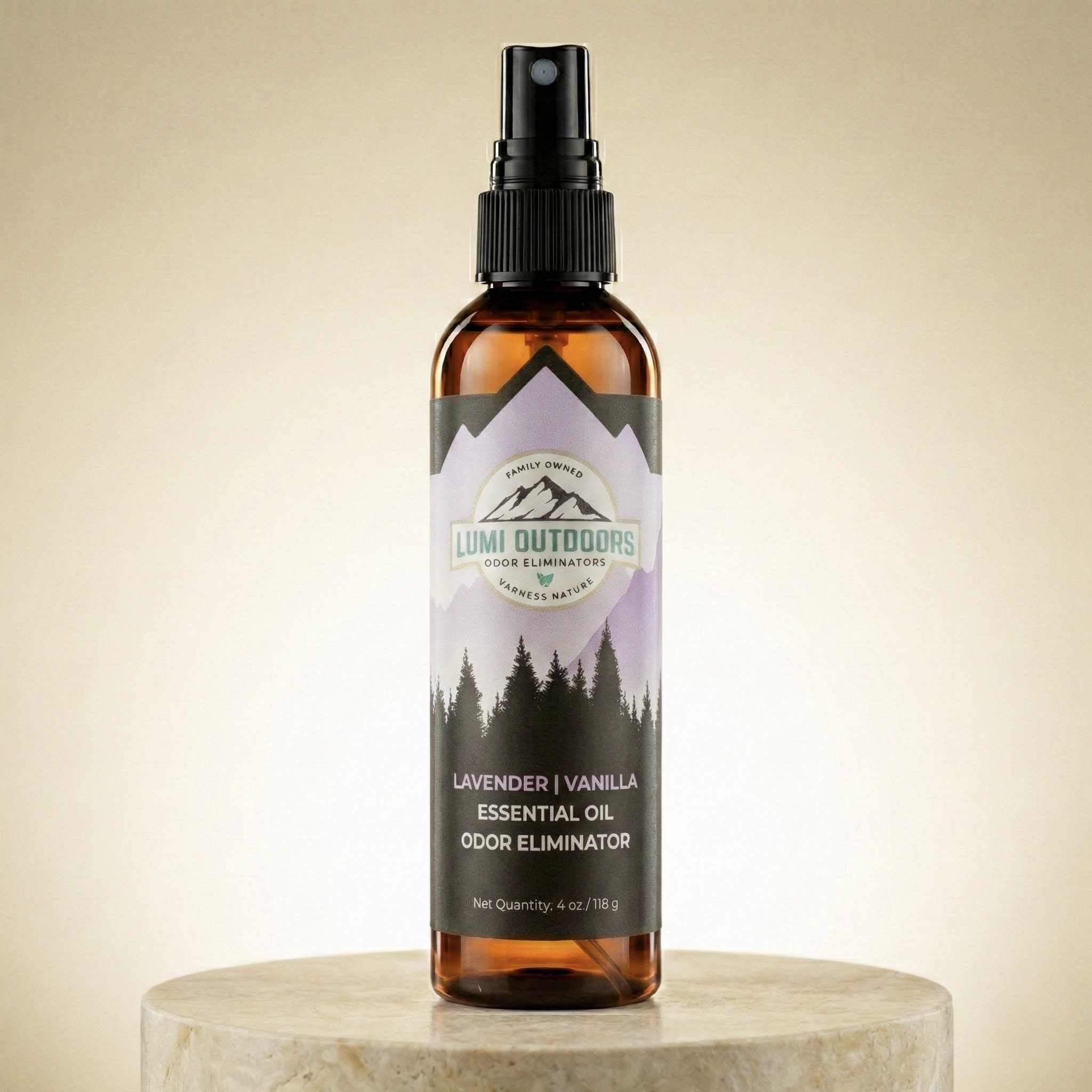
Chemical air fresheners just cover up odors with a synthetic fog. Our Natural Odor Eliminating Room Spray does things differently. Made with...
- Eliminates Odors, Doesn't Mask: Works by neutralizing odor molecules for a true clean scent.
- No Harsh Chemicals: Made with essential oils, not synthetic perfumes, parabens, or phthalates.
- Safe for the Whole Home: Spray with confidence in the kitchen, bathroom, nursery, and around pets.
- Sophisticated, Natural Scents: Unique and pleasant scent combinations that enhance your home environment.