
Smelly Shoes? The Fastest Way to Neutralize the Stench Today
- Spray treats, powder prevents Sprays neutralize odor that already exists. Powders stop odor from forming by absorbing sweat before bacteria can use it.
- Moisture is the real enemy Shoe odor is caused by bacteria feeding on sweat. Control the moisture and you control the smell — it's that simple.
- Use both for lasting results Powder in the morning, spray after wear. This two-step routine breaks the odor cycle instead of just managing it.

You opened the hall closet and almost gagged. Or maybe it was your kid's sports bag sitting in the back seat of your car. Either way, you're here because the smell has become a problem you can't ignore anymore — and you want a straight answer, not a chemistry lecture.
So here it is: there are two main ways to fight shoe odor — sprays and powders — and they work in completely different ways. One hits the stench that's already there. The other stops the smell from forming in the first place. Most people only use one when they actually need both. This guide tells you exactly which one to reach for and when.
What Actually Causes That Awful Shoe Smell?
Shoe odor comes from bacteria that feed on sweat. Your foot produces up to a cup of moisture per day, and when that sweat gets trapped in a closed shoe, the bacteria go to work — producing the compounds that cause that signature stench.
The condition even has a name: bromodosis, which is the clinical term for smelly feet caused by bacterial activity on perspiration. It's not a hygiene failure. It's just biology. But it is fixable.
The key thing to understand is that the smell itself isn't the root problem — moisture is. Bacteria need a warm, damp environment to thrive. No moisture, no bacteria. No bacteria, no smell. That's why any real solution has to either absorb the moisture before bacteria can use it (powder) or neutralize what's already built up (spray).
According to the American Academy of Dermatology, feet have more sweat glands per inch than any other part of the body. That's why shoes become odor traps so easily — especially enclosed styles like sneakers, cleats, and work boots.
Is a Spray or a Powder Better for Shoe Odor?
Spray deodorizers are better for treating existing odor fast. Powders are better for preventing odor before it starts. The best approach uses both: powder during the day to control moisture, and spray after wear to neutralize what built up.
Think of it like this. A spray is your rescue team — it shows up after the problem and neutralizes the damage. A powder is your defense system — it's working all day to stop the damage from happening.
Most people only buy a spray when things get bad, use it, feel relieved, and then repeat the cycle. That works, but you're always playing catch-up. Adding a powder to your routine breaks the cycle entirely.
And if you're dealing with shoes that still smell bad even after washing, it's almost always because the moisture source was never addressed — which is exactly what a powder handles.
Most people apply powder after they already notice a smell — but the real window is before moisture ever enters the shoe. Apply powder to completely dry feet right after your morning shower, before any sweat has a chance to form. This creates a barrier at the skin surface itself, not just at the insole level. It's the difference between absorbing sweat after it happens and stopping it from accumulating in the first place.
If you want to stop the moisture before it starts, you need a heavy-duty absorber that works at the source. This is the one we keep by the door:
What You'll Need
- Cedar shoe trees (to maintain shape and absorb residual moisture between wears)
- Mesh shoe bag (to store and air out footwear without trapping humidity)
- Natural Foot Powder Check Price →
- Replacement insoles (to start with a clean base when old insoles are saturated with built-up odor)
When Should You Use a Foot Powder vs. a Spray?

Use powder in the morning before you put your shoes on, or sprinkle it directly inside the shoe before wear. Use spray at the end of the day, immediately after taking your shoes off, to neutralize any odor that developed.
Here's a simple framework:
- Morning / Before Wear: Apply Natural Foot Powder to clean, dry feet and/or shake a small amount into your shoes. The powder absorbs sweat throughout the day, which keeps bacteria from getting the moisture they need.
- After Wear: Spray the inside of your shoes and let them air dry overnight. This neutralizes any odor that did develop and prepares the shoe for the next wear.
- Weekly Reset: On laundry day or during a weekly clean, give heavily used shoes a thorough treatment of both. This is especially important for cleats, work boots, and gym shoes that don't get washed regularly.
This dual approach works for the same reason that brushing your teeth at night AND in the morning works better than just once. You're covering both ends of the problem.
Does Foot Powder Actually Work Inside Shoes, or Is It Just for Feet?
Powder works just as well inside shoes as it does on feet — sometimes better. When sprinkled into the shoe, it creates a dry barrier that absorbs sweat from the insole up, targeting the area where odor-causing bacteria concentrate most.
A lot of people assume foot powder is only meant to be applied to your foot. But the shoe itself is holding onto months (sometimes years) of accumulated moisture in the insole and lining. That's the real odor reservoir.
When you shake powder into a shoe and let it sit overnight, you're pulling that stored moisture out of the material. Tap the excess out in the morning before you put the shoe on. You'll notice the insole feels noticeably drier over time.
The Natural Foot Powder from Lumi is talc-free, which matters more than most people realize. Traditional talc powders can cake up inside a shoe, creating a paste-like buildup that actually traps moisture instead of absorbing it. The plant and mineral-based formula here stays silky and absorbs properly.
Want to know more about why the formula matters? This breakdown on why kaolin clay outperforms traditional talc explains the difference clearly — and it's worth a two-minute read if you've been frustrated by powders that just don't work.
We tested a natural powder against a standard talc-based drugstore option for two weeks. Here's how the results compared:
| Feature | Natural Foot Powder | Standard Talc-Based Drugstore Powder |
|---|---|---|
| Formula | Plant & mineral-based, talc-free | Talc-based |
| Texture in shoe | Stays silky, absorbs cleanly | Cakes and clumps with moisture |
| Odor prevention | Targets moisture at the source all day | Masks odor with fragrance |
| Safe for kids | Yes — no harsh chemicals or aluminum | Talc safety concerns for daily use |
| Works inside cleats | Yes — light, non-caking application | Can clog cleat drainage holes |
| Price | Slightly higher upfront | Lower initial cost |
Is Natural Foot Powder Safe for Kids' Shoes and Cleats?
Yes. A talc-free, plant and mineral-based powder is completely safe for children's shoes and athletic footwear. The formula contains no harsh chemicals, parabens, or aluminum — making it appropriate for daily use on kids' feet and gear.
If you're a parent of a kid who plays sports, you already know that cleats are their own category of terrible. They're worn hard, they trap heat, and they almost never get washed. The insoles become breeding grounds for odor after just a few practices.
Sprinkling powder into cleats after each game and letting them sit open overnight makes a real difference. Pair that with a quick spray before you drop them back into the sports bag, and you stop the odor cycle instead of just managing it.
For families managing multiple pairs of shoes with different odor levels, check out these 7 proven methods for eliminating sneaker odor for good — several of them work especially well on kids' athletic shoes.
Also worth knowing: if anyone in your household has sensitive skin or a condition like diabetes, the aluminum-free formula matters even more. There's a good resource on why aluminum-free options are the smarter choice for people who need to be careful about what they put on their feet.
How Long Does Foot Powder Last in a Shoe?
A single application of powder inside a shoe typically lasts one full day of wear, controlling moisture and odor throughout. For best results, reapply before each use rather than expecting one treatment to last multiple days.
This is the one place where powder has a limitation compared to spray. A spray can sometimes carry over for a couple of wears — you do it at night, and the shoe smells fine the next morning and the morning after. Powder is more of a daily-use product because it absorbs moisture actively during wear, and once it's done its job, it needs to be refreshed.
The good news is that a bottle lasts a long time. A small shake into each shoe is all you need — you're not pouring it in. Most households go through a bottle over several weeks of daily use.
Nothing's perfect. Here's what worked and what didn't in our honest breakdown:
- Addresses the root cause of odor — moisture — not just the symptom
- Talc-free formula is safe for daily use on feet and inside any shoe type
- Works as both a foot powder and an in-shoe treatment
- Noticeably improves how shoes feel inside over consistent use
- Natural lemongrass scent is light and not overpowering
- Needs to be reapplied daily — it doesn't carry over between wears like a spray can
- Slightly higher cost than generic drugstore talc powders
What's the Best Routine for Keeping Shoes Fresh Long-Term?

The most effective long-term routine is: powder before wear to prevent moisture buildup, spray immediately after wear to neutralize any odor that developed, and a weekly deeper treatment for heavily used footwear like work boots and cleats.
Here's the routine spelled out simply:
- Before you put shoes on: Shake a light layer of Natural Foot Powder into each shoe, or apply it directly to clean, dry feet.
- When you take shoes off: Set them in a well-ventilated spot — not crammed back into a closet or bag. A shoe rack near the door with airflow makes a big difference.
- Once a week: Do a deeper powder treatment. Shake a more generous amount into the shoe, leave it overnight, tap it out in the morning. This pulls out built-up moisture from the insole.
- Rotate your shoes: Wearing the same pair every day doesn't give them time to dry out between wears. Even a one-day rest cuts odor significantly.
If you follow this and still find persistent smell coming back, the issue might be deeper than surface odor — it could be embedded in the insole material itself. That's a situation where you may need to replace the insoles entirely and start fresh. Zinc oxide is one ingredient worth looking for in a powder formula if you're dealing with that level of persistent odor — it does more than just absorb moisture.
Stick with the routine for two weeks and you'll notice a real difference — not just in smell, but in how the shoes feel on the inside. Drier shoes are more comfortable shoes. That's the part most people don't expect.
Tired of shoes that smell bad no matter what you do?
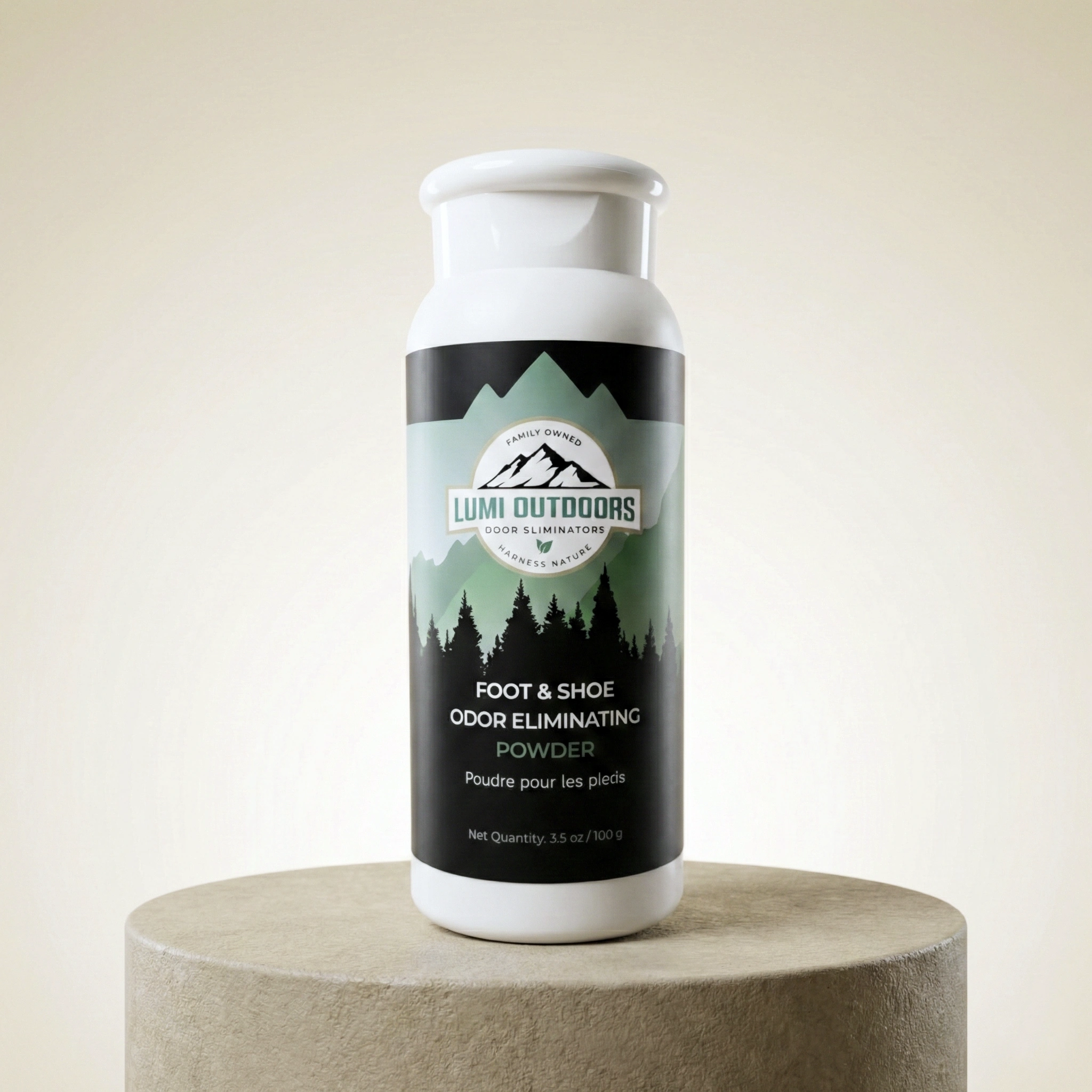
The best way to fight odor is to stop it before it starts. Our all-natural, talc-free foot powder is your first line of defense against mois...
- ABSORBS SWEAT & NEUTRALIZES ODOR
- ALL-NATURAL & TALC-FREE FORMULA
- PROUDLY FAMILY-OWNED & MADE IN UTAH
- THE "FRESH CONFIDENCE" GUARANTEE