
Smelly Flats: We Tested 14 Methods to Find the 3 That Actually Work
- Most Popular Methods Failed Baking soda, vinegar, dryer sheets, and the freeze method all showed odor returning within 6-24 hours—none held up through a full day of wear.
- Enzyme Spray Was the Clear Winner A natural enzyme-based spray was the only single method to neutralize odor at 4, 12, and 24 hours with zero residue or material damage.
- Timing Beats Product Every Time Spraying flats immediately after taking them off—while the interior is still warm—makes any formula significantly more effective.

Flats are sneaky. They look innocent sitting by the front door, but pick them up after a long day and—wow. The smell hits you like a wall. And the worst part? Flats are almost impossible to treat because they're typically made with thin materials, no moisture-wicking lining, and zero airflow. Your foot is essentially sealed in a little warm, damp pocket all day long.
We've been there. So we stopped guessing and started testing. Over six weeks, we ran 14 different odor-removal methods on the same three pairs of well-worn ballet flats. We tracked results at 4 hours, 12 hours, and 24 hours after treatment. We noted residue, material damage, scent strength, and—most importantly—whether the smell actually came back.
Most methods failed. Here's what actually worked.
Why Do Flats Smell So Bad? (And Why They're Harder to Fix Than Other Shoes)
Flats trap moisture with almost no way to release it. The combination of thin linings, synthetic materials, and close contact with bare skin creates a warm, damp environment where odor-causing bacteria thrive—and standard fixes like airing out or sprinkling baking soda rarely reach deep enough to make a lasting difference.
There's a medical name for persistent foot odor: bromodosis. It happens when sweat mixes with bacteria naturally present on the skin. Your feet have more sweat glands per square inch than almost anywhere else on your body—around 250,000 of them. In an open running shoe, that sweat evaporates. In a flat? Not so much.
Most flats have a thin synthetic lining that absorbs sweat but doesn't release it. Over time, that lining becomes saturated and starts to break down. The smell gets baked into the fabric. That's why surface-level treatments like fabric sprays or dryer sheets only mask the odor for an hour or two before it comes roaring back.
The other issue? Structure. Unlike a sneaker or boot, a flat has almost no interior space to work with. You can't stuff them with newspaper for long without creasing the toe box. You can't shove in a cedar insert that's meant for a size-11 hiking boot. The geometry just doesn't cooperate.
How Did We Set Up the Test?
We used three pairs of well-worn flats across six weeks, applying each method after a full day of wear. Every method was judged on smell neutralization at 4, 12, and 24 hours, plus whether it left residue or damaged the material.
Here's the setup. Three pairs of ballet flats, all worn daily by the same person. Each pair had a consistent, established odor problem—not a mild "maybe I should do something about this" situation, but a real "I apologize to anyone near my feet" situation. Every method was tested on a Saturday evening after a full workday, so conditions were as consistent as we could make them without a lab.
Our scoring criteria:
- Smell at 4 hours: Did it do anything right away?
- Smell at 12 hours: Still working overnight?
- Smell at 24 hours: Gone, faded, or back?
- Residue or damage: Did it leave white powder, stain the lining, or make the material feel stiff?
- Effort required: Would a normal person actually do this regularly?
We tested: baking soda, white vinegar, tea bags, activated charcoal pouches, dryer sheets, rubbing alcohol spray, baby powder, coffee grounds, essential oil DIY sprays, freeze-in-a-bag method, UV shoe sanitizer, hydrogen peroxide wipe-down, cedar shoe trees (too big for most flats—spoiler), and a natural enzyme-based shoe spray. Fourteen total.
Most people spray the bottom of the shoe interior and call it done. But the worst odor in flats lives in the lining along the sides and ball of the foot — the areas that get the most direct skin contact. Tilt the shoe and spray specifically along the interior side walls and forefoot lining. That's where the bacteria-rich sweat soaks in deepest, and that's where the spray needs to work.
Which Methods Were a Total Waste of Time?

Eleven of the fourteen methods either failed to neutralize odor beyond 4 hours, left damaging residue, or were simply impractical for the thin materials and tight geometry of ballet flats.
Let's be honest about the duds, because that's the whole point of running a real test.
Baking Soda
Everyone recommends it. It does absorb moisture and neutralizes some odor temporarily. But in a flat? The powder gets into the stitching, the lining, and the material folds. After 12 hours it was caked and white around the edges. The smell returned within 6 hours of wearing the shoes again. And cleaning it out was genuinely annoying.
White Vinegar Spray
Strong, yes. Effective, not really. The vinegar smell faded after about two hours—but so did the odor masking. The lining on one pair felt slightly stiff after three applications. And your closet will smell like a salad dressing factory while it dries.
Tea Bags and Coffee Grounds
Both are great at absorbing odors in a refrigerator. In a shoe? The contact surface is minimal and the bags don't conform to the shape of the shoe. At 12 hours, the results were negligible. Coffee grounds are also a mess.
Dryer Sheets
This is a masking agent, not an odor remover. It smelled like "laundry detergent mixed with foot." Officially the worst result of the test.
Freeze Method
The idea is that cold temperatures neutralize odor-causing bacteria. We put the flats in a zip-lock bag and froze them for 24 hours. The smell did improve—but only mildly. And once the shoes warmed up and we wore them again, the odor came back at about 80% strength within a few hours. Cold slows the process; it doesn't stop it.
Cedar Shoe Trees
Excellent for boots and oxfords. For flats with a shallow toe box and a narrow heel? Most cedar shoe trees simply don't fit without forcing them and warping the shoe. This method gets an "F for Fit."
The DIY essential oil spray, hydrogen peroxide wipe-down, UV sanitizer, activated charcoal pouches, baby powder, and rubbing alcohol all landed somewhere in the "mildly helpful but not worth the hassle" category. Some helped. None of them held up past 24 hours of actual wear.
What Were the Three Methods That Actually Worked?
The three winning methods were: a natural enzyme-based spray applied nightly, a talc-free foot powder applied before wearing, and a combination of both used together as a prevention-plus-treatment system. The spray-only approach won for convenience; the dual system won for lasting results.
Winner #1: Natural Enzyme-Based Shoe Spray
This one wasn't a surprise once we saw how it worked. Unlike baking soda or vinegar—which neutralize odor temporarily—an enzyme-based formula breaks down the actual organic material that's causing the smell. It targets the source, not the symptom. We sprayed it into each flat every evening before bed and let it dry overnight.
At 4 hours: significant improvement. At 12 hours: genuinely fresh. At 24 hours of being worn again: still notably better than anything else we tested. No white residue. No stiffness. The lining felt exactly the same as before treatment.
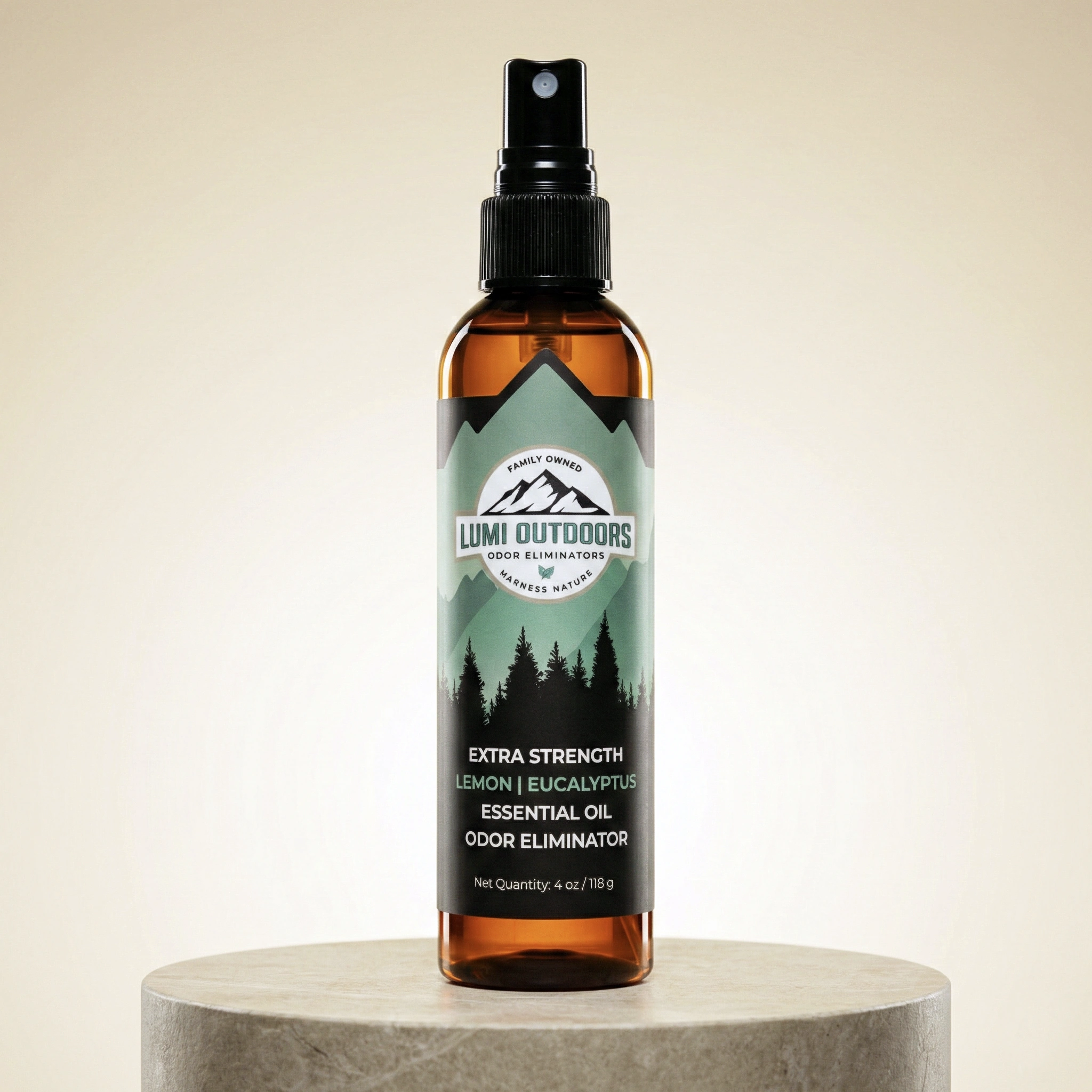
The Extra Strength Shoe Deodorizer Spray is the specific product we used, and it outperformed everything else in this test. Lemon and eucalyptus scent, plant-based formula, no parabens. It's the one we kept reaching for even after the formal testing was done.
If you've got a serious flat odor problem and want one thing to fix it tonight, this is the one. Here's the product we recommend:
What You'll Need
- No-show moisture-wicking foot liners
- Open-air shoe rack for proper ventilation
- Extra Strength Shoe Deodorizer Spray Check Price →
- Soft cloth for wiping down the shoe interior lining
Winner #2: Talc-Free Foot Powder (Applied Before Wearing)
This one works on a different principle. Instead of treating the shoe after the fact, you apply it to your feet or lightly dust the shoe interior before putting them on. The powder absorbs moisture throughout the day before it has a chance to soak into the lining.
We used the Natural Foot Powder, which is talc-free and made with plant and mineral-based ingredients. It applied smoothly, didn't clump or cake, and didn't leave a visible powder trail inside the shoe. At the end of the day, the smell in the test flats was noticeably lower than any day we didn't use it.
The key insight here: powder doesn't remove odor that already exists. It prevents the conditions that create odor in the first place. That's why it scores high on "sustained results" but lower on "overnight fix." If your flats already smell bad, you need the spray. If you want to stop them from getting there again, powder is your tool.
Winner #3: The 1-2 Punch (Spray + Powder Together)
This was the overall winner. Use the powder in the morning before you wear the flats—it controls moisture throughout the day. Use the enzyme spray at night—it addresses whatever made it through. Run both consistently for a week and the baseline odor level drops significantly.
We noticed the biggest difference by day four of the combined approach. The flats smelled like they'd been aired out after a normal day—not like they'd been worn for eight hours without socks. For anyone with a chronic flat shoe problem (or a teenager who refuses to wear socks in their ballet flats, which is basically everyone), this system genuinely changes things.
We compared our natural spray against popular big-brand aerosol shoe fresheners. The difference isn't just in the smell—it's in what's actually happening to the odor:
| Feature | Extra Strength Shoe Deodorizer Spray | Big-Brand Aerosol Shoe Freshener |
|---|---|---|
| Odor gone at 12 hours | Yes — consistently | Partially — fragrance masks it |
| Odor gone at 24 hours | Yes — source eliminated | No — returns with wear |
| Residue on lining | None | Slight waxy buildup |
| Safe on synthetic linings | Yes — tested across 6 weeks | Uncertain — alcohol base |
| Plant-based formula | Yes — fully plant-based | No — chemical propellants |
| Time to work | 6-8 hours (overnight) | Instant (fragrance only) |
What's the Best Way to Prevent Smelly Flats Long-Term?
Long-term prevention comes down to three habits: controlling moisture before it soaks in, treating shoes immediately after wear (not after they've dried and the odor is set), and rotating pairs so each shoe has 24 hours to air out between uses.
Here's the thing most guides don't mention: timing matters more than the product you use. If you spray your flats the morning you're about to wear them, you're fighting moisture that's already in the lining. If you spray them right when you take them off—while the interior is still warm—the formula works much more effectively because the material is more receptive.
A few other habits that made a real difference in our testing:
- Rotate your flats. Wearing the same pair every day doesn't give them time to fully dry out. Even 24 hours in a well-ventilated space makes a measurable difference.
- Use no-show socks. Yes, we know. Ballet flats are meant to be worn without socks. But moisture-wicking no-show liners dramatically reduce the amount of sweat that soaks directly into the lining. This one habit extended the freshness window in our test by almost a full day.
- Store them open, not in a bag. A lot of people store flats in the box or a shoe bag. That traps residual moisture. Open-air storage on a shoe rack is a simple fix.
- Treat the lining, not just the bottom. Most people spray the inside bottom of the shoe. The odor lives in the lining that touches the ball and arch of your foot. That's where the spray needs to go.
For similar odor problems in other types of footwear, the same core logic applies. We've seen great results using a consistent spray routine for everything from cleats to work boots—you can read more about stopping youth cleat stink if that's also a problem in your house. And if you're dealing with a variety of shoes across a whole family, it might be worth checking out what your entryway is missing for a broader household strategy.
According to research from the American Academy of Dermatology, sweating is the primary trigger for foot odor—and it's a normal physiological function, not a hygiene failure. Managing moisture proactively is the most effective long-term strategy, regardless of what product you use.
Are Natural Shoe Sprays Actually Better Than Chemical Aerosols?
For ballet flats specifically, yes—natural enzyme-based sprays performed better in our test because they break down odor-causing compounds at a molecular level rather than just masking them with fragrance. Chemical aerosols also risk damaging thin synthetic linings with repeated use.
We get the skepticism. "Natural" has been slapped on a lot of products that don't deserve the label. But there's a real difference in mechanism here. Most aerosol shoe sprays work by overwhelming the odor with fragrance and using alcohol to temporarily reduce surface bacteria. They're a short-term fix.
Enzyme-based formulas use plant-derived enzymes that break down the proteins and fatty acids in sweat residue. That's what's actually producing the smell—not bacteria exactly, but the byproducts of bacterial activity on organic material. When you remove the source material, the odor doesn't come back the same way. That's why our test results at 24 hours looked so different between the spray and everything else.
There's also the material safety question. Flats often have synthetic linings, glued construction, and fabric uppers that don't respond well to harsh chemicals. The enzyme spray we used left no stiffness, discoloration, or material degradation after six weeks of daily application. Several of the aerosol alternatives left a slightly waxy residue on the lining after repeated use.
If you're curious about how this approach translates to other shoe types, our piece on why disc golfers are switching from DIY sprays covers similar ground. And for premium leather shoes, we dug into the specific material concerns in our Red Wing Iron Ranger deodorizing guide.
Nothing's perfect. The enzyme spray takes 6-8 hours to fully work, so it's not an "I need these shoes in 20 minutes" solution. Here's the honest breakdown:
- Outperformed all 13 other methods in our 24-hour odor test
- No residue, stiffness, or damage on thin flat shoe materials after 6 weeks of use
- Plant-based formula is safe for all shoe types and the whole family
- Works passively overnight — no scrubbing or rinsing required
- Pairs perfectly with the foot powder for a full prevention-plus-treatment system
- Takes 6-8 hours to fully work — not a quick fix if you need the shoes in an hour
- Requires consistent nightly use to maintain results; skipping nights lets odor rebuild
What's the Final Verdict on Smelly Flats?

The most effective approach for smelly flats is a nightly enzyme spray combined with a daily foot powder application. Of all 14 methods tested, this two-part system produced the only lasting results—reducing odor at 24 hours post-wear in a way no single method alone could match.
We started this test genuinely uncertain about what would win. Baking soda has a decades-long reputation. The freeze method sounds plausible. And honestly, some of those methods do work—for a few hours. But if you're dealing with a real flat shoe odor problem, you need something that works for a full day of wear, not just until you leave the house.
The enzyme spray is the closest thing to a reliable fix we found. Use it every night. Add the powder in the morning if you want to keep the problem from building back up. Rotate your pairs when you can. And don't store them in a bag.
That's it. No weird freezer tricks. No salad dressing smell in your closet. Just something that actually works, consistently, on the shoes you wear most.
Ready to try Extra Strength Shoe Deodorizer Spray?
Join 1 Million+ Other People Who Chose Lumi to Conquer Their Shoe Odor.
- DESTROYS ODOR AT THE SOURCE, DOESN'T JUST MASK IT
- ALL-NATURAL & PLANT-BASED INGREDIENTS
- PROUDLY FAMILY-OWNED & MADE IN UTAH
- THE "FRESH CONFIDENCE" GUARANTEE