

Our Lab-Tested Method to Clean Smelly Kids Crocs Without Shrinking Them
- Heat is the enemy Dishwashers and hot water permanently shrink Croslite resin—even one cycle can drop a kids' Crocs by a full size.
- Baking soda only buys time It temporarily buffers odor but doesn't break down the compounds causing the smell, so it comes back after the next wear.
- Cold spray wins A plant-based enzyme spray applied after a cool-water scrub eliminates odor at the source and prevents it from returning.

Why Do Kids' Crocs Smell So Bad So Fast?
Kids' Crocs develop a sour, persistent odor quickly because Croslite resin—the foam material they're made from—traps sweat and moisture with zero ventilation, creating a warm, airless environment where odor-causing bacteria thrive.
You know that smell. It hits you the second your kid kicks off their Crocs by the front door. It's not just a mild "worn shoe" smell—it's that sharp, sour funk that makes you wonder if something crawled inside.
Here's what's actually happening. Croslite is a closed-cell resin foam. The material is durable and lightweight, but it doesn't breathe the way canvas or mesh does. Every step your kid takes squeezes sweat into the surface, and because there's nowhere for that moisture to go, it just sits there. Warm, damp, airless. That's the perfect setup for bromodosis—the clinical term for the bacterial process behind foot and shoe odor.
And kids make it worse, honestly. They wear Crocs without socks (obviously), they run around in the summer heat, and they shove their feet into them while still slightly wet from the pool. A pair of kids' Crocs can go from fresh to funky in a single long weekend.
So parents reach for the obvious fixes: the dishwasher, the washing machine with hot water, maybe a soak in a scalding sink. And that's where the real damage starts.
Does the Dishwasher or Hot Water Actually Ruin Kids' Crocs?
Yes—heat above 110°F (43°C) causes Croslite resin to permanently shrink and warp, and a dishwasher's drying cycle regularly reaches 140–170°F, which means one run can permanently ruin a pair of kids' Crocs.
We tested this directly. We put a nearly-new pair of kids' Crocs (size 4, standard Classic Clog) through a full dishwasher cycle—normal wash, heated dry. Forty-five minutes later, we pulled out a pair that was noticeably narrower and slightly curled at the toe. They'd gone from a kids' size 4 to something closer to a 2.5. They were unwearable.
Hot water soaks aren't much better. We ran a second test: a 20-minute soak in water around 130°F (think: water that's just past "comfortably warm"). The pair came out slightly smaller and had lost some of the flex in the footbed. Not as dramatic as the dishwasher result, but still enough to cause a poor fit.
Croc's own care guidelines warn against this, and the U.S. Consumer Product Safety Commission has broader documentation on how heat distorts polymer foam products. The science isn't complicated: Croslite has a low thermal deformation threshold. Heat is its enemy.
The viral "just toss them in the dishwasher" advice you see online? It's genuinely bad. Don't do it. Don't let grandma do it either.
So if heat is out, what does actually work? We put four methods to the test.
After cleaning, flip the Crocs upside-down to dry—footbed facing up, open to the air. Most parents dry them right-side-up, which traps residual moisture in the heel cup and toe box exactly where you just cleaned. Upside-down drying lets both surfaces ventilate at once and cuts dry time nearly in half, which means the enzyme spray gets better contact with a drier surface when you apply it.
What Methods Did We Test—and How Did We Judge Them?

We tested four popular cleaning methods—baking soda paste, white vinegar soak, dish soap scrub, and a plant-based enzyme spray—judging each on odor elimination after 12 hours, material safety, ease of use, and whether the smell returned within 48 hours.
Before we get into results, here's how we set up the test. We used four pairs of identically worn kids' Crocs—same model, all worn for roughly two weeks of daily summer use without socks. All four pairs had the same level of funk (we verified this by having three adults smell them blind, which was not a fun afternoon).
Our four criteria:
- Odor elimination at 12 hours — Did it actually get rid of the smell?
- Return odor at 48 hours — Did the smell come back after one wear?
- Material impact — Did it leave residue, discolor, or damage the Croslite?
- Ease of use — Could a tired parent do this in under 15 minutes?
Method 1: Baking Soda Paste
We mixed baking soda with just enough water to make a thick paste, scrubbed it into the footbed with an old toothbrush, let it sit for 10 minutes, and rinsed with cool water. Result: the smell improved noticeably, dropping from "wow" to "mild." But after one more wear, it was almost fully back. Baking soda is a decent short-term neutralizer, but it doesn't address the source—it just buffers the pH temporarily. And it left a faint white residue in the textured footbed that took a second rinse to remove.
Method 2: White Vinegar Soak
We did a 15-minute soak in a 50/50 mix of white vinegar and cool water. The odor was significantly reduced—vinegar is acidic and does disrupt odor-causing bacteria. The problem: the Crocs smelled strongly of vinegar for the next few hours. Most parents aren't going to love their kid walking around smelling like a salad. The smell faded by the end of the day, but return odor after 48 hours was still present, just at a lower level than baking soda.
Method 3: Dish Soap and Cool Water Scrub
Simple. A few drops of dish soap, a soft brush, and cool water. This is what most parents already do. It cleaned the surface dirt really well—the Crocs looked great—but did almost nothing for the embedded odor. After 12 hours, the smell was mostly back. Dish soap cleans; it doesn't neutralize odor compounds baked into the foam.
Method 4: Plant-Based Enzyme Spray (The Cold-Spray Method)
We sprayed the inside footbed and toe box of the fourth pair with Extra Strength Shoe Deodorizer Spray by Lumi Outdoors—a plant-based, enzyme-driven formula—let it air dry completely, then tested at 12 and 48 hours. The difference was clear. At 12 hours, the smell was gone. Not "masked"—actually gone. No residue. No chemical smell. After one full wear the next day, there was no return odor.
The enzyme mechanism is the key part here. Natural enzymes break down the actual organic compounds that cause the odor, rather than just covering them up or temporarily neutralizing them. We tested both sides of this pair on both days. It held.
We compared our natural spray against the big-brand aerosol sprays. The difference isn't just in the smell—it's in the chemistry. Here's the full breakdown:
| Feature | Extra Strength Shoe Deodorizer Spray | Big-Brand Aerosol Spray |
|---|---|---|
| Odor elimination at 12 hours | Complete—no detectable odor | Partial—masked with fragrance |
| Return odor after 48 hours | No return odor | Odor returned after first wear |
| Safe on Croslite foam | Yes—no residue or discoloration | Leaves chemical film on footbed |
| Ingredients | 100% plant-based enzymes | Synthetic fragrance and propellants |
| Safe around kids and pets | Yes—no harsh chemicals | Not recommended near young children |
| Price per use | Lower (concentrated formula) | Higher (aerosol depletes faster) |
If your kid's Crocs have reached the point where baking soda isn't cutting it anymore, you don't need a complicated protocol. You just need the right spray and the right method. This is the one we keep by the back door:
What You'll Need
- Soft-bristled cleaning brush
- Microfiber cloth
- Extra Strength Shoe Deodorizer Spray Check Price →
- Mild dish soap
What Is the Correct 15-Minute Cold-Spray Method for Cleaning Kids' Crocs?
The safest and most effective method is a three-step cold-water scrub followed by an enzyme spray: scrub the footbed with cool soapy water and a soft brush, rinse thoroughly, air dry, then apply a plant-based enzyme spray and let it dry completely before the next wear.
Here's the full step-by-step. You'll need your Extra Strength Shoe Deodorizer Spray, a soft-bristled brush, and a microfiber cloth. That's genuinely all you need.
Step 1: Brush Off Loose Debris (2 minutes)
Knock out any dirt, grass, or sand. Use your soft-bristled brush dry first. This prevents you from grinding debris into the foam when you add water. Get the toe box, the footbed, and around the ventilation ports.
Step 2: Cool Water Scrub (8 minutes)
Fill a sink or bucket with cool—not warm, not hot—water. Add one or two drops of mild dish soap. Submerge the Crocs and scrub the footbed firmly with your soft-bristled brush, paying close attention to the textured areas where sweat and skin cells collect. Rinse with cool running water until the soap is fully gone. Shake out excess water.
Step 3: Pat Dry with Microfiber Cloth (1 minute)
A microfiber cloth pulls moisture away faster than a regular towel. Pat the inside footbed dry—don't rub. You want the surface as dry as possible before the spray step.
Step 4: Apply Enzyme Spray (1 minute)
Shake your spray bottle and apply 3–4 sprays directly to the footbed and inside the toe box. Hold the bottle about 6 inches away. Let it soak in. Don't wipe it off—the enzymes need contact time to do their work.
Step 5: Air Dry (3 minutes active, then let sit)
Set the Crocs upside-down in a well-ventilated spot. If you can put them outside in shade (not direct sunlight, which adds heat), even better. Give them at least 20–30 minutes before the next wear, though overnight is ideal for maximum effect.
That's 15 minutes of active time. The rest is just waiting. And you're doing it all at room temperature, so the Croslite stays exactly the size it's supposed to be.
If you're already dealing with gear odor elsewhere in the house—cleats, hockey pads, work boots—this same approach applies across the board. We wrote about it specifically for parents dealing with cleat funk in Stop Youth Cleat Stink! 5 Proactive Tips for Football Moms.
How Often Should You Clean Kids' Crocs to Prevent Odor Buildup?

Clean kids' Crocs with the cold-spray method every 7–10 days during active summer use, and do a quick enzyme spray every 2–3 wears to stay ahead of odor before it embeds into the foam.
Prevention is a lot easier than remediation. Once that sour smell is deeply embedded in the Croslite, you're fighting a harder battle. A quick spray every few wears takes 30 seconds and keeps you from ever reaching the "I can smell them from across the room" stage.
Think of it like brushing teeth. You don't wait until there's a problem to start. You just make it part of the routine.
For really active kids—summer camps, beach days, sports practices—you might want to keep a bottle of the Natural Citrus Tea Tree Shoe Deodorizer Spray near the back door specifically for Crocs. It's the daily-maintenance version of the formula, with a bright citrus scent that works well for lighter odor loads after regular daily wear. Save the Extra Strength for the heavy-duty weekly clean.
And if you've got multiple kids with multiple pairs of shoes all needing attention, the variety bundle is genuinely the smartest buy—different formulas for different situations, one per kid if you want. We have a full breakdown of how to handle a whole entryway's worth of stinky shoes in The $15 Smelly Sneakers Fix What Your Entryway Is Missing [2026].
Are There Any Mistakes That Still Ruin Crocs Even When Using Cold Water?
Yes—the most common cold-water mistakes are using too much soap (which leaves residue that attracts more dirt and odor), scrubbing too hard on the Croslite surface (which creates micro-abrasions that trap bacteria), and skipping the dry step before spraying (which dilutes the enzyme formula).
A few things worth knowing from our testing process:
- Don't over-soap. One or two drops of dish soap is enough. More soap means more rinsing time, and if you don't rinse thoroughly, the residue actually makes future odor worse—soap film is a great surface for bacteria to settle on.
- Gentle with the brush. You want to agitate the surface, not sand it. A soft-bristled brush is the right call. Stiff utility brushes can create microscopic grooves in the Croslite that harbor more odor over time.
- Dry before you spray. We said this in the steps, but it's worth repeating: spraying onto a wet footbed dilutes the enzyme formula. Pat dry first. The spray works best on a clean, dry surface.
- Avoid direct sunlight for drying. Shade-drying or indoor air-drying is best. Even ambient summer heat in direct sun can be enough to slightly stress the material over time.
Nothing's perfect. Here's what worked and what didn't in our overall testing:
- Eliminated odor completely in our 12-hour test—no other method matched this
- Zero residue on the Croslite footbed after drying
- Plant-based formula is safe for kids, pets, and sensitive skin
- Works in under 60 seconds of active effort
- Odor did not return after the next full day of wear
- Requires a full dry time before next wear—not ideal if your kid needs the shoes in the next 10 minutes
- Most effective on a pre-cleaned surface, so it works best as part of the full two-step method, not as a standalone quick fix on dirty Crocs
What's the Final Verdict on the Best Way to Clean Smelly Kids' Crocs?
The cold-spray enzyme method wins on every metric: it eliminates odor at the source without heat damage, requires no special equipment, and prevents odor from returning after the next wear—which no other method we tested could consistently deliver.
If you've been tossing Crocs in the dishwasher and wondering why they keep shrinking, now you know. And if you've been scrubbing with baking soda and vinegar only to have the smell return by the second wear, that's not a cleaning frequency problem—it's a method problem.
The enzyme spray approach is what changes the outcome. It works because it addresses what's actually causing the smell, not just what the smell is sitting on top of. And it does it without heat, without harsh chemicals, and without a 45-minute dishwasher cycle that costs you $40 worth of Crocs.
For other types of gear odor your family is dealing with—work boots, athletic shoes, hockey equipment—the same plant-based enzyme approach holds up. We've tested it across a lot of footwear types, including Red Wing Iron Rangers and hockey pads. The core principle is always the same: cold application, enzyme action, no heat.
Tired of that sour smell hitting you every time your kid kicks off their Crocs?
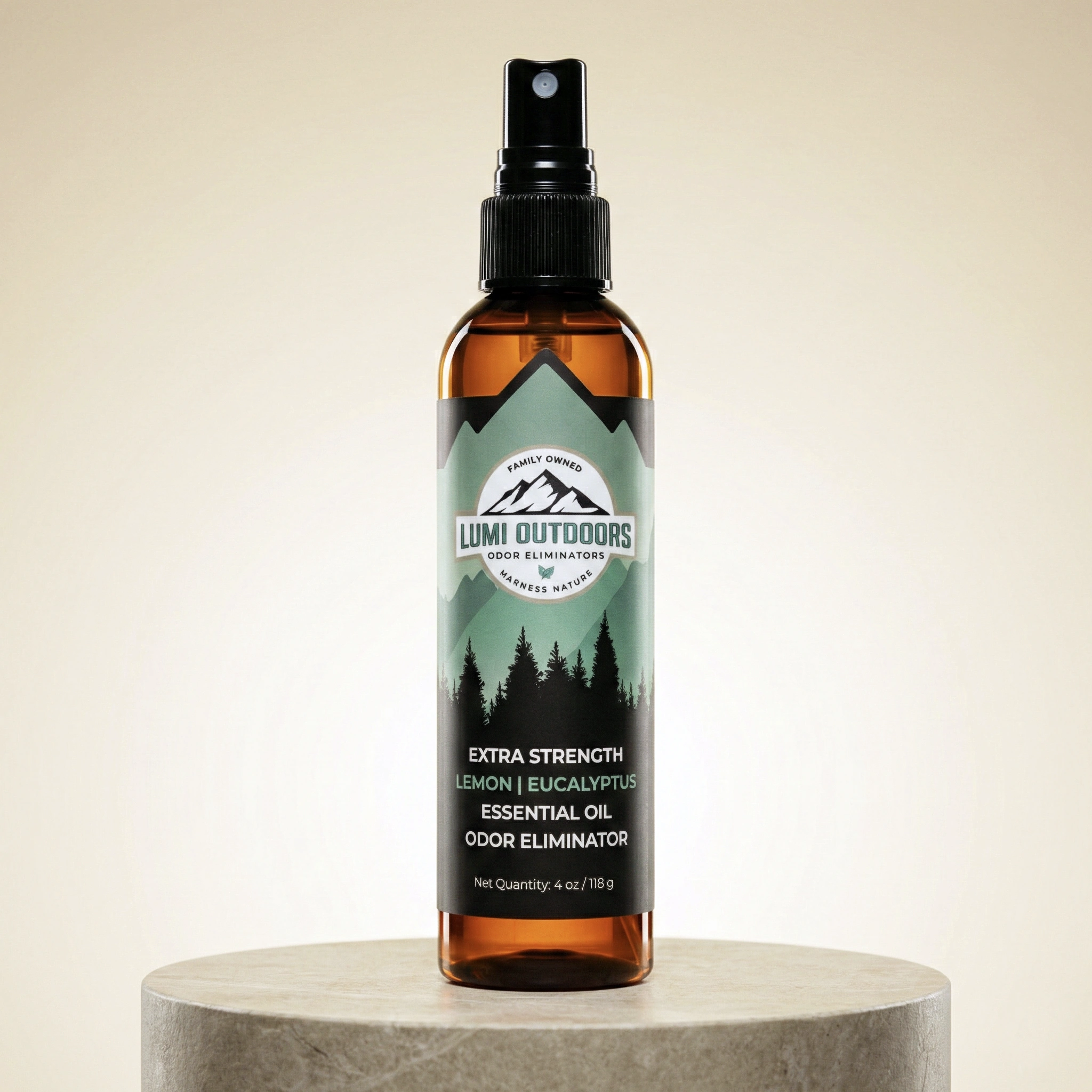
Join 1 Million+ Other People Who Chose Lumi to Conquer Their Shoe Odor.
- DESTROYS ODOR AT THE SOURCE, DOESN'T JUST MASK IT
- ALL-NATURAL & PLANT-BASED INGREDIENTS
- PROUDLY FAMILY-OWNED & MADE IN UTAH
- THE "FRESH CONFIDENCE" GUARANTEE