
Neutralize the Stench: How to Deodorize Hockey Pads Without Toxic Chemicals
- Skip the Bleach Bleach residue stays trapped in foam padding and contacts skin during play, causing irritation—especially when the body heats up during a game.
- Baking Soda Has Limits It helps with surface-level odors but won't penetrate dense foam, leaves white residue on dark pads, and can't handle a full season of buildup.
- The Botanical Spray Won A tea tree and citrus botanical spray penetrates foam, neutralizes odor at the source, and leaves zero harmful residue against skin—making it the clear choice for hockey pads.

If you've ever opened your kid's hockey bag in the car and immediately regretted it, you already know what we're talking about. That smell isn't just unpleasant—it's persistent, it soaks into fabric seats, and it clings to the garage wall long after the bag is gone. But here's the part nobody talks about: the odor isn't just a smell problem. It's a skin problem.
Hockey chest protectors, shoulder pads, and elbow pads sit directly against skin for two, sometimes three hours at a stretch. Sweat soaks into the dense foam. The foam doesn't dry fast enough between practices. And what grows in that warm, damp environment ends up pressing directly against your kid's arms, chest, and neck every single game.
Parents usually try one of three things when the smell gets bad enough. They reach for bleach. They Google baking soda. Or they just keep spraying Febreze and hoping for the best. We tried all three—systematically, over the course of a full hockey season—to find out what actually worked without creating a new problem in the process.
Why Do Hockey Pads Smell So Bad in the First Place?
Hockey pads smell because the dense foam and fabric layers trap sweat and moisture, creating a warm, humid environment where odor-causing bacteria thrive. Unlike sneakers, pads can't be easily aired out or machine-washed, so odor compounds accumulate faster than they can dissipate.
The science here is pretty straightforward. Sweat itself doesn't smell much when it first leaves the body. The odor comes from bacteria breaking down the proteins and fatty acids in sweat—a process that produces volatile compounds like isovaleric acid and butyric acid. Those are the compounds responsible for that sharp, locker-room smell.
Hockey pads make this worse in a few specific ways. The foam interior is dense enough to hold moisture for 12–24 hours after a practice. The outer shell is often a nylon or polyester blend that doesn't breathe well. And because pads aren't designed to be submerged in water, most standard washing methods are off the table. You can't just throw them in the washing machine without risking warped foam, cracked straps, or a pad that no longer fits right.
So odor builds up, layer by layer, season by season. By mid-January, some of these pads smell like they've been marinating since October. Because they have.
What You'll Need
- Gear drying rack or hooks for post-practice airflow
- Small box fan for accelerated pad drying
- Natural Citrus Tea Tree Shoe Deodorizer Spray Check Price →
- Soft-bristle brush for pre-spray debris removal
What Happened When We Tested Bleach on Hockey Pads?
Bleach is unsafe for hockey pads. It degrades foam and synthetic fabrics, leaves chemical residue that contacts skin during play, and can cause irritation or chemical burns—especially during physical activity when the skin is warm and pores are open.
The bleach test was our first attempt, and honestly, we didn't expect it to go badly. A diluted bleach solution seemed logical—something strong enough to cut through the bacterial buildup. We applied a 1:10 bleach-to-water solution to a pair of elbow pads that had been through a full month of practices.
The smell was gone after the first spray. We thought we'd found the answer.
Then we noticed the fabric started to fade around the treated areas. Two practices later, the player wearing those pads developed red patches on the inside of both elbows—exactly where the pads made contact. That's the part that stops you cold as a parent.
Here's the problem with bleach on sports equipment: residue doesn't fully rinse out of dense foam. When you play and your body temperature rises, that trapped residue activates against warm, sweaty skin. The CDC notes that chlorine compounds can cause skin and mucous membrane irritation even at low concentrations. On a hockey player working hard for two hours, "low concentration" doesn't stay low for long.
Bleach also breaks down the foam structure over time. Padding that's been treated repeatedly with bleach loses its density and protective capacity. You're not just risking skin irritation—you're potentially shortening the life of pads that cost $80–$150 to replace. Hard pass.
Most people spray the outside of hockey pads and wonder why the smell comes back in two days. The odor source is almost always the interior foam—the side that touches the player. Flip every pad over and spray the inside contact surface first, then do a lighter pass on the outer shell. That single change makes the spray significantly more effective and stretches your bottle a lot further.
What About Baking Soda? We Tried That Too.
Baking soda helps with mild odors but fails on deeply embedded hockey pad stench. It doesn't penetrate dense foam effectively, leaves a white powdery residue on dark fabrics, and requires repeated applications without addressing the root moisture problem.
Baking soda is the first recommendation in nearly every "natural odor" article online. So we gave it a real shot. We used a generous dusting inside each pad after practice, let it sit overnight, then shook and brushed it out in the morning.
For brand-new, mildly smelly pads, it helped. You'd get maybe a 30–40% improvement on a fresh odor. But on pads that had been through a full season? The baking soda barely touched it. The underlying odor was still there the next time the pads warmed up during play.
The bigger issue was residue. Dark hockey pads dusted in white baking soda look rough. And brushing it all out takes time—time most families don't have on a Tuesday night between practice and homework. We also found that the powder didn't penetrate the foam deeply enough to get at the source of the smell. It was sitting on the surface while the real problem was several layers down.
Baking soda has its place—it's great for light odor maintenance on cleats and lighter gear—but it's not built for the intensity of hockey pad odor. Not even close.
How Does a Botanical Spray Actually Compare to the Other Methods?

A botanical spray formulated with tea tree and citrus oils outperforms both bleach and baking soda on hockey pads because it penetrates fabric and foam layers, neutralizes odor-causing compounds at the source, and leaves no harmful residue against skin.
This is the method we landed on after the bleach and baking soda tests came up short. We started using Natural Citrus Tea Tree Shoe Deodorizer Spray on the same set of pads—chest protector, elbow pads, and shoulder pads—after every practice.
The application takes about 60 seconds. You hold the bottle 6–8 inches from the pad surface, spray the interior padding and the contact points (the areas that touch skin), and let it air-dry. That's it. No rinsing, no brushing, no waiting 24 hours.
After one week of consistent post-practice spraying, the pads smelled like fresh citrus rather than a locker room. After two weeks, the baseline smell—that deep, season-long buildup—had faded noticeably. We were surprised by how much ground the spray recovered on pads that had been neglected for most of a season.
The key difference is penetration. A liquid spray gets into the foam layers that powder can't reach. Tea tree oil has been studied for its ability to neutralize odor compounds in porous materials—it's not just masking the smell with a stronger one. And because the formula is plant-based with no chlorine or harsh solvents, there's no residue concern for skin contact during play.
We ran both methods side-by-side for one week. Here's how they compared:
| Feature | Natural Citrus Tea Tree Shoe Deodorizer Spray | Bleach Solution & Baking Soda |
|---|---|---|
| Penetrates foam layers | Yes — liquid formula soaks into dense padding | No — baking soda sits on surface; bleach soaks but leaves residue |
| Safe for skin contact during play | Yes — plant-based, no harmful residue | No — bleach residue causes irritation; baking soda is low-risk but not ideal |
| Odor eliminated after 1 week | Yes — deep odor noticeably reduced | Partial — baking soda helps mildly; bleach masks briefly |
| Material-safe (foam, nylon, plastic) | Yes — no fading, degradation, or stiffening | No — bleach causes fading and foam breakdown over time |
| Application time | 60 seconds, no rinsing needed | Baking soda requires overnight sit + brushing out; bleach requires rinsing |
| Leaves white residue | None | Baking soda leaves visible powder on dark fabrics |
What's the Right Way to Dry Hockey Pads After a Game?

Hockey pads should be unpacked immediately after a game, hung individually in a well-ventilated area, and never stored damp in a bag. Proper drying within 2 hours of use prevents odor compounds from setting into the foam.
The spray works. But it works a lot better when you're not fighting against a pad that's been sitting in a sealed bag for 18 hours. Drying is the other half of this equation, and most families skip it because it takes a little planning.
Here's the routine that made the biggest difference over our testing period:
Step 1: Unpack Within 30 Minutes
The moment the player gets home, the bag gets opened and everything comes out. Leaving pads sealed in a hockey bag overnight is the single fastest way to accelerate odor buildup. The bag creates a near-perfect sealed environment—warm, humid, no airflow. Odor compounds set into foam in that environment within a few hours.
Step 2: Hang Everything Separately
Use a gear drying rack or even just a row of hooks in the garage. Lay pads flat on a shelf if hooks aren't available. The goal is airflow around every surface. Pads stacked on top of each other dry almost as slowly as pads left in the bag.
Step 3: Use a Small Fan for Faster Drying
A basic box fan aimed at the gear for 1–2 hours cuts drying time dramatically. This is especially helpful in cold-weather months when indoor humidity is lower but garages can get cold and damp. A small fan on a timer is one of the best investments a hockey family can make for gear longevity.
Step 4: Spray, Then Store
After the gear is dry (or mostly dry), do your botanical spray pass. Spraying dry pads lets the formula absorb into the foam rather than just sitting on wet surface material. Let it air for another 10 minutes, then hang or store. The next time the pads go on, they'll smell clean instead of musty.
If you deal with odor problems in other areas of the house that get the same kind of trapped, stale smell—think gym bags left in a mudroom, or a basement where gear gets stored—the same principle applies. You can read more about why enclosed spaces trap odor and how to fix it naturally here.
Is the Botanical Spray Safe for All Hockey Pad Materials?
Yes. A plant-based botanical spray is safe for the nylon shells, polyester liners, foam padding, and plastic components common in hockey protective gear. Unlike bleach, it won't degrade materials or cause color fading with regular use.
We tested on multiple pad types across the season: older foam-heavy shoulder pads, newer gear with more synthetic fabric construction, and a pair of elbow pads with a hard outer shell. No fading, no material breakdown, no stiffening of the foam. The citrus and tea tree formula didn't leave any sticky residue or alter the feel of the padding.
One thing worth knowing: if you're dealing with white or very light-colored pads (rare, but they exist), do a small test spray in an inconspicuous spot first. Not because we saw any issues—we didn't—but because any liquid on pale materials is worth testing before going all-in. That's just good practice with any product on any gear.
If you manage other specialty footwear or sports gear in your household, the same caution-then-confidence approach applies. We've found this spray works equally well on the inside of cleats, the lining of athletic shoes, and even the inside of helmet padding. For specific shoe types, check out our guides on deodorizing foam midsoles without damage and keeping leather-toe shoes fresh.
Nothing's perfect, and consistency matters more than any single spray session. Here's the honest breakdown of what we found:
- Penetrates dense foam padding where powder and surface wipes can't reach
- No chemical residue means zero skin irritation risk during play
- 60-second application fits into a real post-practice routine
- Safe for all common hockey pad materials—foam, nylon, polyester, plastic shells
- Noticeably reduces deep, season-long odor buildup with consistent use
- Won't fully reset pads that have gone months without any care in a single application—consistent daily use is required
- Scent may be stronger than expected on the first application in an enclosed space like a car or mudroom
Hockey is expensive. A full set of protective pads for a youth player can run $300–$500, and competitive players often replace gear every two or three seasons. Anything you can do to extend that lifespan—and to keep the gear safe and comfortable against skin—is worth the small daily effort. A 60-second spray after practice is about as low-barrier as it gets.
The botanical route isn't a magic fix if pads have been sitting in a bag for six months with no care. But as a consistent, post-practice habit? It changes the entire experience of handling hockey gear. No more dreading opening the bag. No more chemical burns from aggressive cleaning attempts. Just clean-smelling pads that last longer and feel better to wear.
Done letting hockey bag smell take over your car and garage?
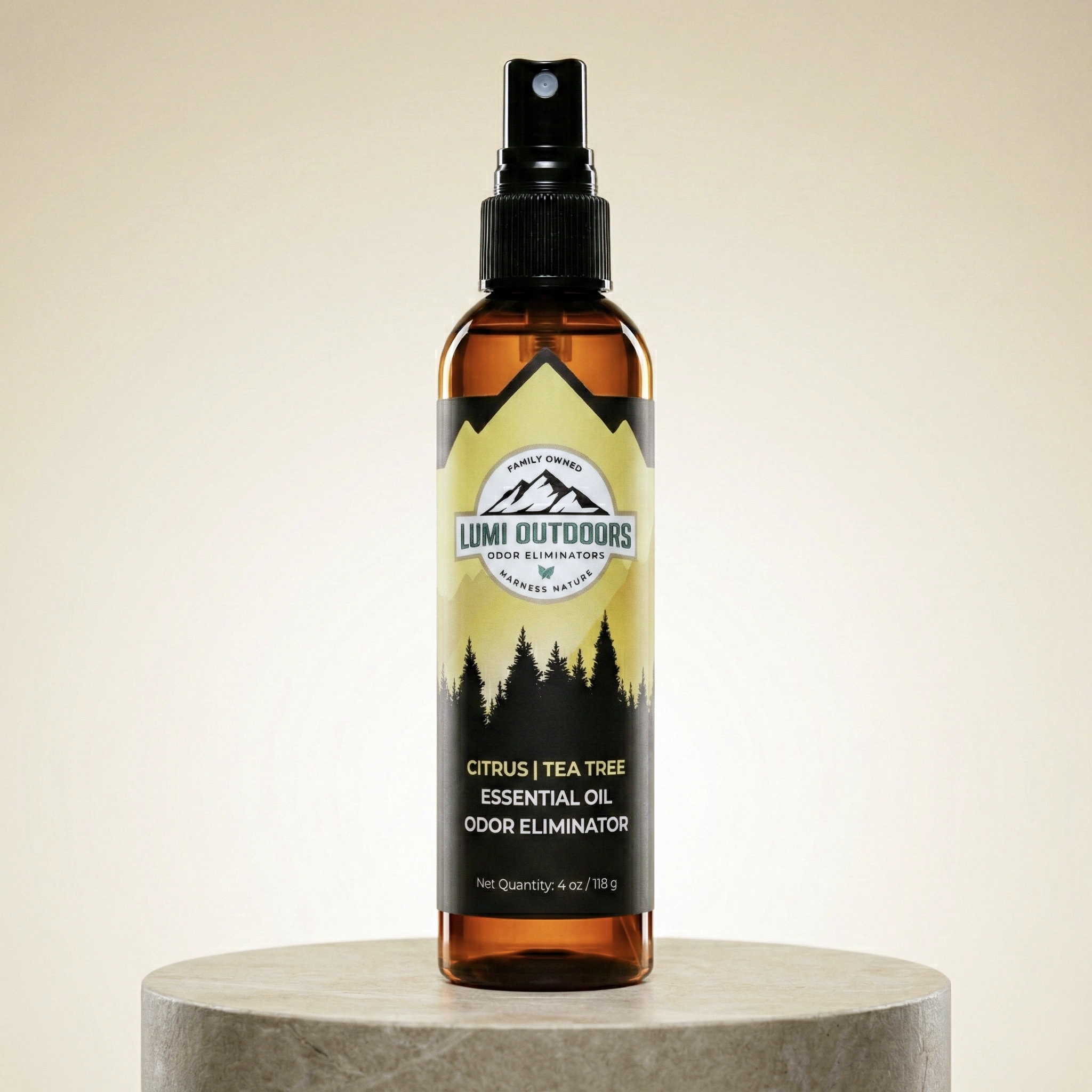
Join 1 Million+ Other People Who Chose Lumi to Conquer Their Shoe Odor.
- DESTROYS ODOR AT THE SOURCE, DOESN'T JUST MASK IT
- ALL-NATURAL & PLANT-BASED INGREDIENTS
- PROUDLY FAMILY-OWNED & MADE IN UTAH
- THE "FRESH CONFIDENCE" GUARANTEE