

How to Wash Shoes in the Laundry Without Making Them Smell Worse
- The wash cycle isn't the problem — drying is Bacteria survive the machine and then multiply in trapped moisture during slow air-drying, which is what creates the sour post-wash smell.
- Vinegar beats extra detergent Adding one cup of white vinegar to the rinse cycle shifts the pH enough to suppress bacteria that soap alone can't reach deep in foam layers.
- Paper towels and a fan are non-negotiable Stuffing shoes immediately after washing and drying them with active airflow is the single step most people skip — and the reason the smell always returns.

Washing shoes in the laundry makes the smell worse because the machine cleans surface dirt but can't reach bacteria deep inside the foam and padding — and then trapped moisture during drying creates the perfect environment for those bacteria to multiply. The wash cycle saturates every layer of the shoe, and if drying is slow or incomplete, you end up with more microbial growth than you started with.
Here's exactly why that happens — and the protocol that actually fixes it.
Why Does Washing Shoes in the Laundry Make the Smell Worse?
The washing machine cleans the outside of your shoes but often incubates bacteria on the inside. Detergent removes surface grime, but the real odor source — Brevibacterium, Staphylococcus, and other sweat-feeding microbes — lives deep in the midsole foam and insole padding, where water barely penetrates and soap rinses out even less reliably.
There are three things happening at once, and they all work against you.
First: detergent residue. When excess soap doesn't fully rinse from dense foam layers, it leaves behind a film. That film absorbs sweat on your next wear and becomes a food source for odor-causing bacteria. You're essentially adding fertilizer.
Second, the spin cycle is less powerful than it feels. A standard home washer's centrifugal force extracts water from thin fabrics just fine. But a shoe has four distinct structural layers — the outsole, midsole, insole, and upper — and each one traps water in its own pockets. According to research on bromodosis (the clinical term for foot odor), the bacterial species responsible thrive in moist, enclosed environments with limited airflow. Your wet shoe sitting in a laundry basket is basically a petri dish.
Third: the cleaning process can actually spread bacteria. The warm water agitation cycle loosens microbes from heavily colonized areas (the toe box and insole) and redistributes them throughout the shoe before the rinse cycle has a chance to flush them out. You end up with a more evenly distributed bacterial population. Not an improvement.
What Is the "Wet Funk" Smell After Washing — And Why Does It Happen?
The sour, mildewy smell that appears after washing is caused by anaerobic bacterial growth during the drying window — specifically Brevibacterium producing isovaleric acid (the "cheesy" smell) and mold spores activating in stagnant moisture pockets that the spin cycle couldn't drain.
A damp shoe sitting at room temperature for 12–24 hours is a near-perfect incubator. Warm, humid, low-airflow. That's the exact condition microbes need to double in population every 20 minutes, according to basic microbiology.
The drying method matters more than most people realize. Throwing shoes in the dryer damages the adhesives binding the outsole to the midsole — most shoe manufacturers explicitly warn against heat drying — but leaving them to air-dry slowly in a bathroom or closet is arguably worse for odor. You're giving bacteria hours of optimal growing conditions before the moisture finally clears.
That's the real problem.
The structural design of modern athletic shoes makes this worse. The midsole foam (typically EVA — ethylene-vinyl acetate) is engineered to be lightweight and compressible, which means it's also highly absorbent. Water that gets into EVA foam during a wash cycle can take 8–12 hours to fully evaporate even in a dry environment. If you're in a humid climate or drying indoors, double that. This is also why certain knit shoes like Rothy's develop a distinct odor after washing — the synthetic material holds moisture differently than natural fabrics.
Don't put insoles back into the shoe until both are completely dry — separately. Most people wash the shoe, stuff it with the damp insole still inside, and wonder why it smells sour 24 hours later. The insole is the densest moisture-holding component in the shoe. If it goes back in wet, it re-saturates the interior and extends the bacterial growth window by hours. Dry them flat on opposite sides of a fan, and only reassemble when both pass the smell test.
What's the Right Protocol to Wash Shoes Without the Stink?

The five-step protocol below prevents the wet-funk cycle by addressing bacterial depth, moisture extraction, and drying speed — the three factors a standard wash-and-air-dry completely ignores.
Step 1: Remove laces and insoles before washing. This exposes the moisture pockets inside the toe box and heel cup that never get proper airflow otherwise. Wash laces separately (or just soak them in a bowl with a splash of white vinegar). The insoles should be hand-washed and dried flat — putting them back into a wet shoe seals in moisture and restarts the bacterial cycle immediately.
Step 2: Add a sanitizing agent, not more detergent. Use half your normal detergent amount and add one cup of white vinegar to the rinse cycle. Vinegar's acetic acid shifts the pH to a level bacteria struggle to survive — and it won't leave the residue that detergent does. If you want something stronger, a laundry sanitizer like Lysol Laundry Sanitizer (which uses benzalkonium chloride) added to the rinse cycle reaches bacterial populations that detergent alone misses. Baking soda in the rinse is another legitimate option — it's a genuine odor neutralizer, not just a folk remedy.
Step 3: Use cold water and the highest spin setting available. Cold water protects adhesives and slows bacterial activation during the wash itself. A high-spin setting extracts significantly more water from the shoe's layers than a standard spin — less water means faster drying means less time in the bacterial growth window.
Step 4: Stuff with paper towels and use a fan. Skip the dryer entirely. Stuff the shoes firmly with crumpled newspaper or paper towels the moment they come out — this wicks moisture from the interior by capillary action. Change the stuffing every 2 hours for the first 6 hours. Place the shoes in front of a fan or near a dehumidifier. Do not dry them in a bathroom, basement, or closed closet. Airflow is the variable that separates "smells fine" from "smells like a wet dog for three days."
Most people skip the stuffing step. That's why the smell comes back.
Step 5: Treat the interior once completely dry. Once the shoe is bone-dry — tap the midsole and listen for any remaining moisture sound — spray the interior with a deodorizing spray designed to neutralize residual bacteria, not just mask them. Lumi's Extra Strength Shoe Deodorizer works well here; the lemon eucalyptus formula is noticeable for about 10 minutes and then fades to neutral, which means you're not walking around smelling like a cleaning product. Whether you treat the foot or the shoe first matters more than most people think — if you skip this last step, you're re-inoculating a clean shoe with foot bacteria on the first wear.
How Do You Know If Your Shoes Are Beyond Saving?
If shoes still smell sour after a complete 48-hour dry time and a full deodorizing treatment, the mold or bacteria has likely colonized deep in the midsole foam — a layer no surface spray can reach consistently.
The test is simple. Let the shoes dry for a full two days after washing. Spray the interior, let it dry again, then do a sniff test. If the smell is still there — not just faint, but genuinely present — press firmly on the midsole and smell your hand. A sour or earthy smell from the foam itself means the problem is structural.
There's also a structural integrity check worth doing after any machine wash. Press down on the heel counter (the stiff back section) and the midsole near the arch. If either has become noticeably softer, compresses unevenly, or has separated from the upper, the washing machine has compromised the support. Running or athletic shoes with compromised midsole structure increase injury risk — that's not a cosmetic issue.
The freezer hack won't fix this, by the way — it's a myth worth understanding before you try it. Cold temperatures suppress bacterial activity temporarily but don't eliminate colonized mold in foam. You need the shoe dry and treated, not frozen.
If you're at the structural failure point, replacement is the honest answer. A good pair of athletic shoes costs $80–$150. A stress fracture from wearing compromised footwear costs considerably more.
Want your freshly washed shoes to actually stay fresh?
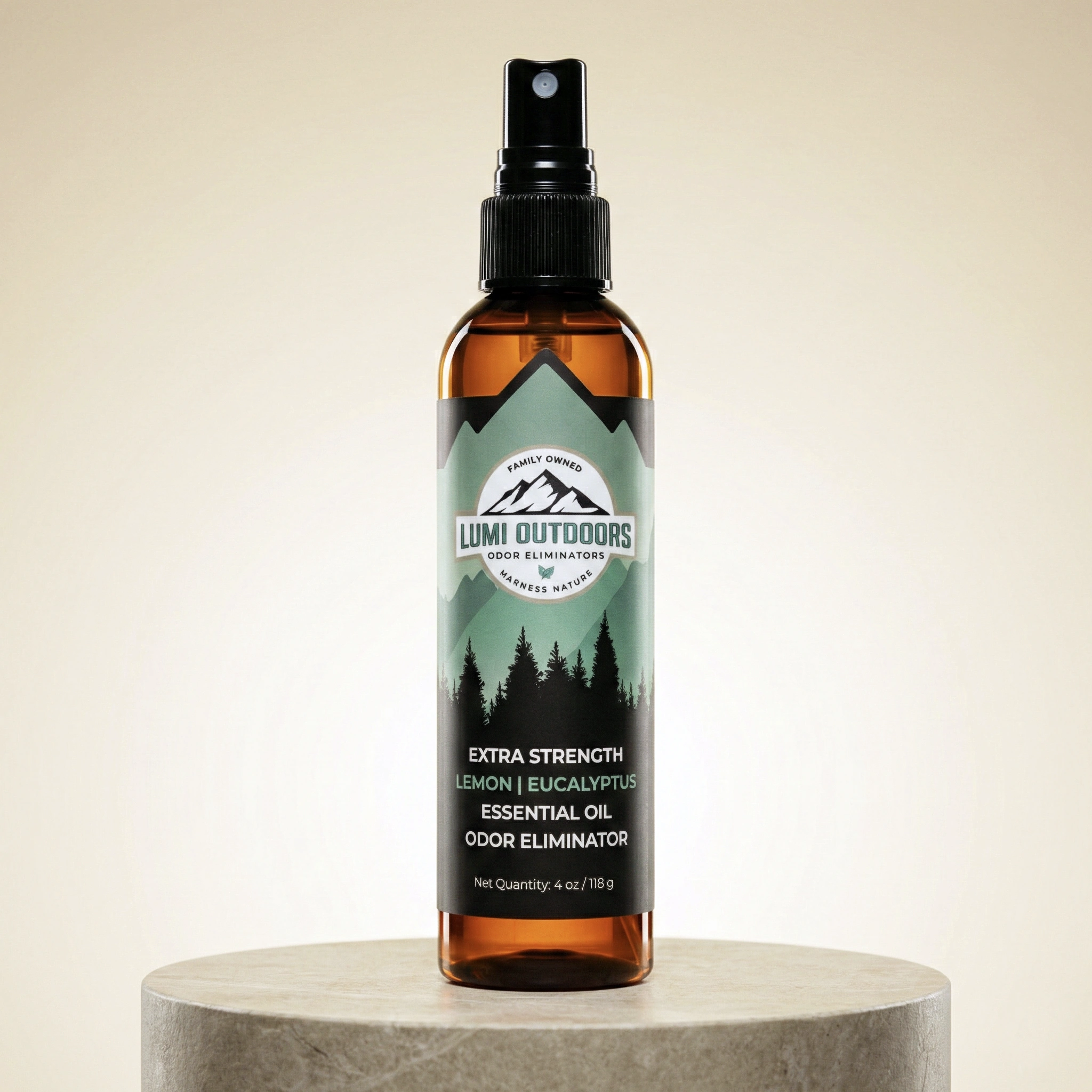
Join 1 Million+ Other People Who Chose Lumi to Conquer Their Shoe Odor.
- DESTROYS ODOR AT THE SOURCE, DOESN'T JUST MASK IT
- ALL-NATURAL & PLANT-BASED INGREDIENTS
- PROUDLY FAMILY-OWNED & MADE IN UTAH
- THE "FRESH CONFIDENCE" GUARANTEE