

Does using baking soda for shoe smell really eliminate the odor?
- Absorption is not elimination Baking soda neutralizes odor molecules temporarily but leaves the bacteria causing the smell completely intact — so the odor rebounds as soon as you wear the shoes again.
- It can actually cause damage Baking soda's high pH (around 9) can irritate skin, degrade leather, and break down synthetic adhesives when used repeatedly over time.
- Two steps beat one Lasting freshness requires controlling moisture before wear and targeting the odor source after — baking soda alone only partially does one of those things.

Baking soda absorbs shoe odor and temporarily neutralizes it — but it does not eliminate the bacteria causing the smell. The odor returns as soon as your feet start sweating again, often just as strong as before. It's a useful short-term trick, not a lasting fix.
Here's why that distinction matters, and what you should actually do about it.
Why does baking soda work on shoe odor at all?
Baking soda (sodium bicarbonate) reduces shoe odor through two mechanisms: it absorbs moisture and it neutralizes acidic odor molecules by raising the pH inside the shoe. Both of these effects are real. Neither of them touches the bacteria producing the smell in the first place.
Shoe odor isn't just "sweat smell." It's the byproduct of bacteria — primarily Brevibacterium species and Staphylococcus epidermidis — digesting the dead skin cells and moisture inside your shoe. That process produces isovaleric acid, which is the specific compound responsible for the sharp, sour smell most people associate with worn sneakers. According to research published in the journal Frontiers in Microbiology, the foot hosts one of the most diverse bacterial ecosystems on the human body.
Baking soda creates an alkaline environment (pH around 9) that Brevibacterium finds uncomfortable. So while the powder is in the shoe, bacterial activity slows down, odor molecules get neutralized, and the shoe smells better. The moment you put your foot back in and start sweating? The pH rebalances, the bacteria reactivate, and the smell rebounds — sometimes harder than before.
That's the rebound effect. And it's why so many people find baking soda works great overnight, then wonder why their shoes smell worse by noon.
Does baking soda actually damage shoes or skin over time?
Yes — repeated baking soda use can cause real problems for both your footwear and your feet, and most people don't realize it until the damage is done. At a pH of approximately 9, baking soda is significantly more alkaline than human skin, which sits naturally between pH 4.5 and 5.5.
That gap matters. Prolonged contact between high-alkaline powder and your skin disrupts the acid mantle — the protective barrier that keeps your skin hydrated and resistant to irritation. Dermatologists have linked repeated baking soda skin contact to dryness, micro-cracking, and in sensitive individuals, contact dermatitis. This is especially relevant for kids wearing athletic shoes all day, where the powder is in constant contact with the soles of their feet.
On the shoe side, the damage is more gradual but just as real. Excess alkalinity can dry out natural leather, causing it to become stiff and crack over time. In synthetic sneakers, the adhesives bonding the midsole to the upper can degrade when regularly exposed to moisture mixed with an alkaline compound — essentially a paste that sits against the glue line every time the shoe flexes. For more on why DIY methods sometimes create new problems, check out our breakdown of why baking soda can make shoe smell worse when mixed with sweat.
The clumping issue is underappreciated too. Pure baking soda mixed with sweat creates a gritty paste that works its way into shoe linings and under insoles. It's not always visible, but it degrades the liner material and becomes a substrate for more bacterial growth. Counterproductive.
Don't sprinkle baking soda directly into a damp shoe. The moisture turns it into a paste that penetrates the foam insole — and once it's in there, it's nearly impossible to fully remove. If you're committed to using it, let the shoe air out completely first, add a thin layer, and shake it out after no more than 8 hours. Better yet, use it inside a small cloth sachet so you can remove it cleanly.
So what actually gets rid of shoe odor for good?

Lasting odor control requires two steps: removing the existing bacterial population and preventing the moisture conditions that let bacteria thrive again. Baking soda only partially addresses the second step and doesn't address the first at all.
Here's what actually works, starting with free options:
- Sunlight and airflow: UV exposure genuinely reduces bacterial load. Leaving shoes outside in direct sun for 2–3 hours after use — with the tongue pulled open — is one of the most effective free methods available.
- Newspaper stuffing: Plain newsprint absorbs residual moisture overnight without the pH or clumping downsides of baking soda. Less effective at neutralizing existing odor molecules, but safer for daily use on leather and synthetics alike.
- Cedar shoe trees: Cedar is porous and naturally moisture-absorbing. Shoe trees also maintain shape, which matters for work boots and dress shoes that take a beating. Replace or sand them lightly once a year to refresh the absorption.
For a system that handles both moisture prevention and active odor elimination together, the Lumi Natural Foot Powder + Extra Strength Spray bundle is what we'd reach for — the powder uses arrowroot, kaolin clay, and zinc oxide to control moisture proactively (without the alkalinity issues of raw baking soda), and the spray handles the odor source directly. The powder in particular is worth reading about if you're coming from DIY methods — our full breakdown of talc-free foot powder benefits explains why the ingredient combination matters.
One honest note: the spray needs about 15 minutes to dry before you put the shoes back on. Plan for that.
What should you do if shoe odor keeps returning no matter what you try?
Persistent shoe odor that returns within hours — not days — usually signals a larger bacterial colony embedded in the insole foam, not just surface-level contamination. At that point, surface treatments alone won't solve it.
Pull the insoles out entirely. If they've gone stiff, yellowed, or retained any smell even after airing out for 24 hours, replace them. Aftermarket insoles with activated charcoal layers (Dr. Scholl's Odor-X is a widely available option) do a solid job of passive overnight absorption — they won't eliminate bacteria, but they buy time between deeper treatments and are a genuine standalone option if you want something simple.
The real question is whether you're letting shoes fully dry between wears. According to the American Podiatric Medical Association, alternating pairs every 24–48 hours is one of the single most effective steps for preventing odor from coming back after treatment. Most people own one pair of work shoes or athletic shoes they wear every single day — the insole foam never fully dries, and the bacteria never get a chance to die off.
One pair of shoes worn daily is the #1 reason odor treatments stop working.
If you've replaced insoles, rotated pairs, and still can't get ahead of the smell, check your sock situation. A hundred percent cotton socks hold moisture against the foot and release it slowly into the shoe lining — exactly the environment bacteria need. Switching to a merino wool or synthetic moisture-wicking sock can cut bacterial load inside the shoe by a meaningful amount, no product required.
Tired of odor that comes back every single time?
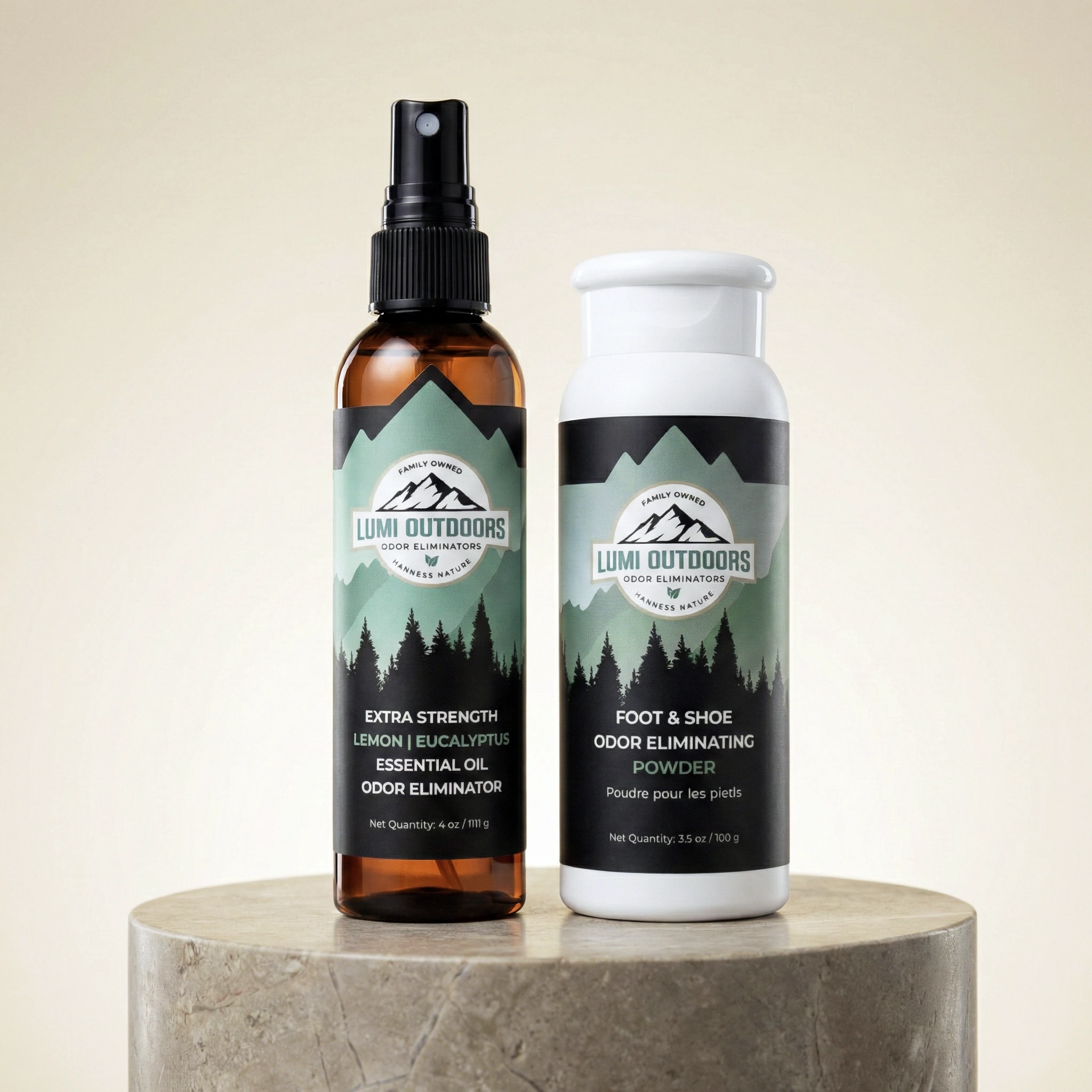
Join 1 Million+ Other People Who Chose Lumi to Conquer Their Shoe Odor.
- THE ULTIMATE 1-2 PUNCH AGAINST ODOR
- A COMPLETE KIT FOR SHOES, BAGS & GEAR
- PROUDLY FAMILY-OWNED & MADE IN UTAH
- THE "FRESH CONFIDENCE" GUARANTEE