
Got Smelly Neoprene? 5 Proven Ways to Neutralize the Swamp Smell for Good
- Moisture Is the Real Enemy Neoprene traps water, sweat, and organic debris — that wet environment is what lets odor-causing bacteria thrive, not the material itself.
- DIY Methods Maintain, Sprays Reset Vinegar soaks and baking soda are great for regular upkeep, but a natural enzyme spray is what actually breaks down stubborn embedded odor at the source.
- Prevent Before You React Rinsing immediately after use and drying completely between sessions stops the smell from building up in the first place — and cuts your deep-clean frequency in half.
- Natural Beats Chemical Every Time Harsh aerosol sprays mask neoprene odors for minutes; plant-based enzyme formulas change the chemistry inside the material for lasting freshness.

You pull your wetsuit boots or water shoes out of the gear bag and — wow. That smell hits you like a wave. It's musty, rubbery, and vaguely reminiscent of a stagnant tide pool. If you've ever dealt with smelly neoprene, you know exactly what we're talking about.
Neoprene is a miracle material for surfers, triathletes, kayakers, and CrossFit athletes. It's flexible, insulating, and incredibly durable. But it's also a near-perfect trap for sweat, saltwater, bacteria, and organic matter — all the ingredients you need for a truly spectacular stench.
The good news? You don't have to live with it. These 5 methods will actually work, and we're ordering them from "basic maintenance" to "just fix it already" so you can jump straight to whatever level of stink you're dealing with.
1. How Does Neoprene Get So Smelly in the First Place?
Neoprene traps moisture, body oils, saltwater, and organic debris inside its porous structure, creating a warm, wet environment where odor-causing bacteria multiply rapidly — and that's what produces the signature "swamp smell."
Neoprene's closed-cell foam structure is designed to trap heat. That's great for keeping you warm in cold water. But it also means every bit of sweat, dead skin, and ocean residue gets locked in too. Bacteria that feed on organic waste produce volatile sulfur compounds and fatty acids — which is the actual source of that swampy, rotten smell. It's not the neoprene itself. It's what's living inside it.
The longer wet neoprene sits in a closed bag or dark closet, the worse it gets. So the single most important rule of neoprene odor control is this: don't let it sit wet. Everything else builds on that one principle.
If you've got other types of athletic footwear causing grief too, check out our guide on 5 Pro Hacks to Eliminate Triathlon Running Shoe Odor After Your Next Race — a lot of the same logic applies.
Here's something most neoprene care guides skip: the smell often concentrates in the seams and bonded edges, not just the foam itself. When you do your vinegar soak, use a soft-bristled brush to gently work the diluted solution into the seam lines and around any glued edges — that's where dead skin cells and bacterial colonies tend to hide. A 30-second scrub of the seams during your soak makes a noticeable difference in how long your freshness lasts between treatments.
2. How Should You Rinse Neoprene to Remove Odor-Causing Residue?

Rinse neoprene thoroughly with cool, fresh water immediately after every use — turning it inside out — to flush out saltwater, chlorine, sweat, and organic debris before bacteria have time to multiply.
This sounds too simple to matter. It's not. A thorough rinse right after use removes the food source that odor-causing bacteria need. If you're rinsing in under 30 seconds, you're probably not doing it well enough. Run cool water through the inside and outside of the boot or shoe for at least a full minute. Squeeze and flex the material as you rinse to get water into every fold and crease.
A few things to avoid here:
- Hot water — it degrades the neoprene's elasticity over time
- Throwing it straight into a washing machine — the agitation and heat can break down the material
- Rolling it up wet and tossing it in a gear bag
After rinsing, hang the gear inside-out in a shaded, well-ventilated spot. Direct sunlight can break down neoprene's rubber compounds. A shady porch, laundry room, or open garage works perfectly.
3. What's the Best DIY Soak to Neutralize Neoprene Odor?
A 15-20 minute soak in a diluted white vinegar solution (1 part white vinegar to 3 parts cool water) neutralizes odor-causing bacteria and breaks down the residue trapped in neoprene fibers without damaging the material.
White vinegar is mildly acidic, which means it disrupts the environment that odor-causing bacteria prefer. It's also safe for neoprene when diluted properly. Fill a bucket or large basin with cool water, add white vinegar at roughly a 1:3 ratio, and submerge your wetsuit boots or water shoes completely. Let them soak for 15-20 minutes, then rinse thoroughly with fresh water.
You might be thinking: "Won't my gear smell like vinegar?" Briefly. But once neoprene dries completely, the vinegar smell dissipates. What you're left with is significantly fresher material. This soak is worth doing once a month if you're using your gear regularly, or any time the smell starts creeping back.
One thing to keep in mind: this method works best for moderate odors. If your neoprene has reached full swamp-monster territory, a soak alone won't fully reset it. You'll need to pair it with one of the methods further down this list.
4. How Do You Use Baking Soda on Neoprene Boots and Shoes?
After your neoprene gear is fully dry, sprinkle baking soda liberally inside and let it sit for at least 8 hours (overnight is ideal) to absorb residual moisture and neutralize embedded odors.
Baking soda (sodium bicarbonate) is a natural pH buffer — it neutralizes both acidic and basic odor compounds, which is why it works on such a wide range of smells. The key with neoprene is to make sure the gear is already dry before you apply it. If you sprinkle baking soda into wet boots, you'll get a paste that's hard to remove and doesn't absorb well.
Pack the inside of the boot or shoe with baking soda, tip it upside down (so the powder reaches the toe box), and leave it overnight. In the morning, shake it out well and rinse with fresh water before wearing. You can also place the baking-soda-packed shoes in a mesh bag inside a well-ventilated space — this works especially well for gear stored in a closet between uses.
This method works great as a weekly maintenance step during peak season when your gear is seeing regular water time. Pair it with a good rinse routine and you'll stay ahead of the smell instead of chasing it.
5. What's the Fastest Way to Neutralize Stubborn Neoprene Odor for Good?
A natural enzyme-based or plant-derived deodorizer spray applied directly to dry neoprene breaks down the organic compounds causing the smell at a molecular level — making it the most effective and time-efficient method for persistent odor.
The DIY methods above are solid. But there's a real gap between "pretty good" and "actually solved." If you've had the same pair of wetsuit boots for two or three seasons, or you're dealing with CrossFit shoes that have seen a hundred sweaty WODs, the vinegar soak and baking soda routine might maintain the situation rather than resolve it.
That's where a purpose-built deodorizer spray earns its place in your gear routine. You want something that's plant-based (so it won't degrade neoprene), uses natural enzymes to break down odor at the source, and doesn't just mask the smell with a heavy fragrance.
Nothing's perfect when it comes to fighting neoprene odors — DIY methods require consistency and multiple steps. Here's the honest breakdown:
- Works on the full range of neoprene gear — boots, shoes, vests, CrossFit equipment
- Plant-based formula is safe on neoprene, rubber, and synthetic materials
- Natural enzymes address the actual source of the odor, not just the surface
- Dead simple to use — spray, let dry, done
- No harsh propellants or chemical residue that could degrade expensive gear
- Severely neglected neoprene (multiple seasons of buildup) may need 2–3 applications before odor is fully neutralized
- Spray alone won't substitute for proper rinsing and drying — it works best as part of a consistent routine
We tested natural sprays against generic aerosol fresheners side by side for two weeks on neoprene water shoes that had earned their stink honestly. The aerosol masked the smell for about 20 minutes. The natural enzyme spray actually changed the smell profile inside the shoe. That's the chemistry working, not just a perfume cover-up.
We compared our natural spray against the big-brand aerosols in terms of what actually matters for neoprene gear:
| Feature | Extra Strength Shoe Deodorizer Spray | Generic Aerosol Freshener |
|---|---|---|
| Odor Elimination Method | Natural enzymes break down odor at the source | Synthetic fragrance masks the smell temporarily |
| Safe on Neoprene Material | Yes — plant-based, no material degradation | Risk of chemical residue buildup |
| Lasting Freshness | Long-lasting — odor doesn't return as quickly | 20–40 minutes before odor returns |
| Family & Pet Safe | 100% — no harsh chemicals or propellants | Contains chemical propellants and synthetic fragrance |
| Scent Profile | Clean lemon & eucalyptus — not overpowering | Heavy synthetic fragrance that can irritate |
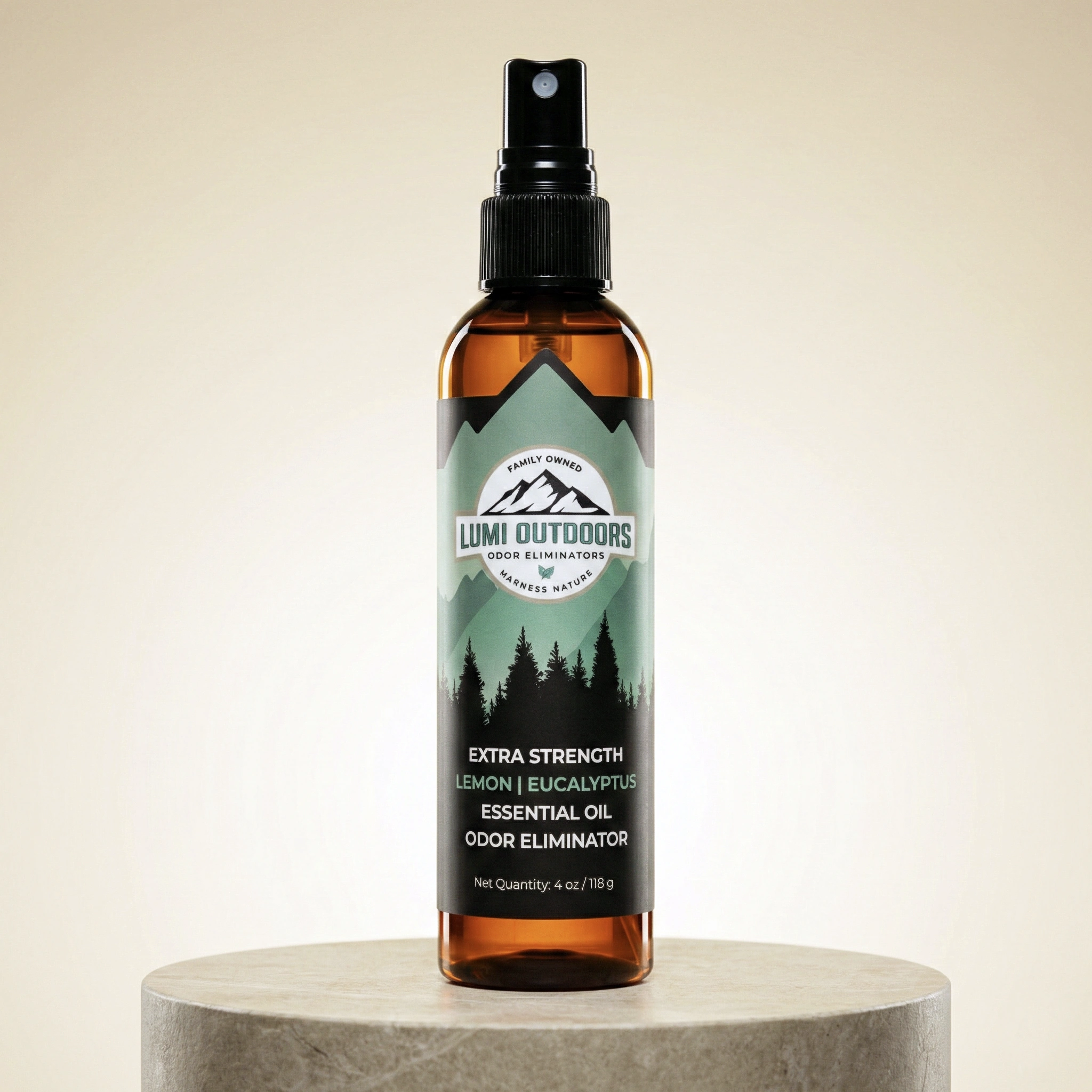
Our top pick for stubborn neoprene odor is the Extra Strength Shoe Deodorizer Spray from Lumi Outdoors. It's 100% plant-based, free from harsh chemicals, and uses natural enzymes to break down odor-causing residue — not just mask it. It's safe on neoprene material and won't leave residue that attracts more bacteria.
You don't need a complicated routine to fix this. You just need the right tool applied consistently. Here's the one we keep by the gear rack:
What You'll Need
- Large basin or bucket for soaking
- White vinegar for diluted soak solution
- Extra Strength Shoe Deodorizer Spray Check Price →
- Baking soda for overnight moisture absorption
If you're specifically dealing with water shoes that also have foam midsoles or synthetic mesh uppers, the same approach applies — but you might want to read Why Carbon Plate Foam Makes Running Shoes Reek (And the Macro-Emulsion Fix) for a deeper breakdown of how foam materials hold odor differently.
What Are the Best Long-Term Habits to Keep Neoprene Smelling Fresh?

The best long-term strategy combines immediate post-use rinsing, complete drying between uses, monthly deep soaks, and a regular spray with a plant-based deodorizer — treating prevention as the primary goal, not just a reaction to existing smell.
Once you've reset your neoprene gear with a good deep clean, staying ahead of the smell is much easier than starting from scratch each time. Here's a simple weekly and monthly rhythm that actually works:
After every use:
- Rinse inside and out with cool fresh water for 60+ seconds
- Hang inside-out in a shaded, ventilated area to dry completely
- Spray lightly with a natural deodorizer spray and let it air dry before storing
Once a month:
- Do the vinegar soak (15-20 minutes, 1:3 ratio)
- Follow with a baking soda overnight treatment
- Spray with your deodorizer spray before putting back in storage
You might also want to think about what you're doing before you put the gear on. Dry feet produce far less sweat than feet that are already damp. If you're doing CrossFit in neoprene-soled shoes, using a Natural Foot Powder before your workout creates a drier environment inside the shoe from the start — which means less fuel for odor-causing bacteria to work with. It's talc-free and plant-based, so it's safe for direct skin contact and won't leave any chalky residue.
The spray vs powder debate is worth understanding if you're managing multiple types of athletic footwear. For neoprene specifically, we lean spray — but powder before activity is a great preventative layer.
And if you've got other types of gear and footwear in the rotation causing issues — slippers, casual shoes, dress flats — the same natural approach translates well. Check out 3 Easy Steps to Deodorize Slippers Without Using the Wash for a quick cross-reference.
The bottom line on smelly neoprene: it's a moisture problem first, a bacterial problem second, and a maintenance problem third. Address all three consistently, and you'll never have to apologize for your gear bag again.
Tired of your neoprene gear clearing the room?
Join 1 Million+ Other People Who Chose Lumi to Conquer Their Shoe Odor.
- DESTROYS ODOR AT THE SOURCE, DOESN'T JUST MASK IT
- ALL-NATURAL & PLANT-BASED INGREDIENTS
- PROUDLY FAMILY-OWNED & MADE IN UTAH
- THE "FRESH CONFIDENCE" GUARANTEE