
Why washing your sneakers fails—the real way to fix post-workout shoe stink
- Stop Washing Them The washing machine cleans the outside of your shoe but doesn't reach the foam layers where odor-causing bacteria actually live.
- Baking Soda Is a Band-Aid It masks surface odor temporarily but does nothing about the moisture cycle that keeps bringing the smell back.
- Prevention Beats Treatment Applying a moisture-absorbing powder before your workout stops the sweat saturation that starts the whole odor cycle.
- Enzymes Are the Real Fix A plant-based enzyme spray breaks down the organic compounds bacteria feed on, neutralizing odor at the source instead of covering it up.

You've done it. After a brutal leg day, you peeled off your sneakers, caught a whiff, and thought: okay, these are going in the wash tonight. A few hours later, they come out smelling like a laundromat. Problem solved, right?
Nope. Two days later, the funk is back. Sometimes worse than before.
So you try again. Maybe hotter water this time. Maybe you toss in some baking soda. Still comes back. And that's when most people start wondering if they just need new shoes—which is expensive, and completely unnecessary.
The washing machine isn't failing because you're doing it wrong. It's failing because it's the wrong tool for this specific problem. Post-workout shoe stink doesn't come from dirt. It comes from something the washing machine can't touch.
What Actually Causes Post-Workout Shoe Stink?
The odor in your gym shoes isn't from sweat itself—it's from bacteria that feed on sweat, breaking it down into acids like isovaleric acid, which is responsible for that sharp, locker-room smell. These bacteria live deep in the foam, fabric, and seams of your shoes, not on the surface.
Your feet have somewhere around 250,000 sweat glands—more per square inch than almost anywhere else on your body. During a hard workout, your foot can produce up to half a cup of sweat. That moisture soaks into the insole, the midsole foam, and the fabric lining of your shoe almost immediately.
Here's the part that matters: the bacteria causing that smell are deeply embedded in the material. They're not sitting on the surface waiting to be rinsed away. According to research on bromodosis (the clinical term for foot odor), the primary culprits are specific strains of bacteria that thrive in warm, moist, low-oxygen environments—which is exactly what the inside of a post-workout sneaker is.
When you toss your shoes in the washer, you're getting the surface wet, agitating the outer fabric, and spinning out some loose debris. But you're not reaching the compressed foam layers where the bacteria are actively living. You're essentially giving a dirty sponge a surface wipe and calling it clean.
Why Does Washing Actually Make Shoe Odor Worse Over Time?
Repeated machine washing accelerates the breakdown of EVA foam in shoe midsoles, creating more micro-pockets where moisture gets trapped and bacteria multiply faster. The structural damage from washing makes the odor problem progressively worse, not better.
This is the part nobody talks about. Every trip through the washing machine degrades your shoe's materials. The EVA foam that cushions your stride? It's designed to absorb impact, which means it's also exceptional at absorbing water. Heat from the dryer compresses and warps it. The adhesives holding your shoe together weaken with each wash cycle.
So what happens over time? The foam breaks down, creating more surface area, more tiny pockets, and more places for bacteria to colonize. You're not solving the problem—you're building a better habitat for it.
And baking soda? It can help absorb some odor in the short term, but it's mildly alkaline. Repeated exposure to baking soda paste can actually dry out and crack leather and synthetic materials, and it does nothing to address the bacteria living inside the foam. It's a temporary cover-up with a slow-building downside.
Most people spray their shoes and immediately put them back in a closed gym bag—which traps the moisture the spray is trying to release. After spraying, pull the tongue of the shoe forward and stand them upright in an open space for at least 30 minutes before storage. This single habit change doubles the effective contact time of the formula and allows the treated moisture to actually evaporate rather than just redistribute inside the shoe.
The same logic applies to dryer sheets stuffed inside shoes. They deposit fragrance molecules on the surface. The second you wear them again and start sweating, the fragrance dissipates—but the bacteria? Still there. Still thriving.
If you want a deeper breakdown of what actually works right after a run, this 3-step masterclass on freshening gym shoes after your run walks through an easy, post-workout protocol that takes about 60 seconds.
What Do the Most Common DIY "Fixes" Get Wrong?
Most popular home remedies—baking soda, white vinegar, freezing, dryer sheets—target odor symptoms at the surface rather than addressing the moisture and bacterial activity happening inside the shoe's foam and fabric layers.
Let's go through the big ones:
Freezing your shoes: The idea is that cold temperatures stop bacteria. And technically, extreme cold can slow bacterial activity temporarily. But once those shoes warm back up to room temperature—which happens the moment you put them on—any bacteria that survived pick right back up. Freezing doesn't neutralize. It just hits pause.
White vinegar spray: Vinegar is acidic, which can neutralize some surface-level odor compounds. But it evaporates quickly, leaves its own smell behind, and does nothing for moisture control going forward. Spray it on leather and you're looking at dried-out, cracked materials within a few weeks.
Stuffing with newspaper: This one's actually not bad as a single component of a bigger strategy. Newspaper does absorb moisture reasonably well overnight. But it's passive, and it doesn't address any existing bacterial activity. Use it as a supplement, not a solution.
Essential oil drops: A few drops of tea tree oil on your insole smells great for about 20 minutes. Then it evaporates. Essential oils in isolation, without a carrier or a proper delivery mechanism, don't have lasting contact time with the surfaces that need treating.
Notice the pattern? Every one of these approaches is either treating the symptom (the smell) rather than the source (the moisture and bacteria), or it's making surface-level contact when the problem is deeper in the material.
We ran a side-by-side test of our natural spray against the big-brand aerosol deodorizers. The difference isn't just in the smell—it's in what's actually happening at the material level:
| Feature | Natural Foot Powder | Big-Brand Aerosol Freshener |
|---|---|---|
| Active Mechanism | Plant-based enzymes break down odor compounds | Synthetic fragrance masks surface smell |
| Penetrates Foam Layers | Yes — liquid formula soaks into midsole material | No — aerosol sits on surface only |
| Odor Returns After Wearing | Significantly reduced with consistent use | Returns within 1-2 wears |
| Safe for Mesh & EVA Foam | Yes — no alcohol or bleach | High alcohol content can degrade materials |
| Chemical Exposure | Plant-based, paraben-free, family-safe | Synthetic chemicals, propellant gases |
| Scent Strategy | Natural essential oils (lemon, eucalyptus) | Synthetic fragrance only |
If you want to stop the moisture problem before the odor ever starts, you need something that works proactively—applied directly to your feet before your workout. This is the product we keep by the gym bag:
What You'll Need
- Cedar shoe trees (for overnight moisture-wicking and shape retention)
- Newspaper (for stuffing damp shoes post-workout to draw out moisture)
- Natural Foot Powder Check Price →
- Moisture-wicking athletic socks (merino wool or synthetic blend to reduce in-shoe sweat)
What Is the Right Way to Eliminate Post-Workout Shoe Odor?

The most effective approach combines moisture prevention (before exercise), enzymatic neutralization (after exercise), and proper drying time—targeting the full cycle of sweat, bacterial growth, and odor development rather than any single stage.
Here's the honest framework:
Step 1: Prevention starts before you lace up. Apply a talc-free foot powder like Lumi's Natural Foot Powder directly to clean, dry feet before a workout. The powder creates a moisture-absorbing layer that slows down the sweat-saturation process inside your shoe. Sprinkle a little into your sneakers too for good measure. A drier environment is a less hospitable one.
Step 2: Spray immediately after removing your shoes. Don't wait until they've been sitting in your bag for three hours. Pull them off, give each shoe 2-3 sprays of a natural enzyme-based deodorizer, and leave them somewhere with airflow. The enzymes in a quality spray actually break down the organic compounds (the sweat residue) that bacteria feed on—which is a fundamentally different mechanism than masking with fragrance.
Step 3: Let them breathe. This sounds obvious, but most people stuff their shoes directly back into their gym bag after working out. That bag is a sealed, warm, dark environment—ideal for bacterial growth. Shoe trees help the shoe maintain its shape while also drawing out some moisture. If you don't have shoe trees, loosely stuffing with newspaper works as a backup.
Step 4: Rotate your shoes. Podiatrists at the American Podiatric Medical Association consistently recommend alternating footwear every 24-48 hours. The EVA foam in most athletic shoes needs at least a full day to fully off-gas moisture and recover its shape. If you're training every day with one pair, they never fully dry out.
For the gym-goers dealing with truly stubborn odor, our Extra Strength Shoe Deodorizer Spray uses a concentrated lemon and eucalyptus formula that goes to work on the worst cases—the post-leg-day disaster, the forgotten gym bag, the shoes that've been through six months of daily use. Two sprays, let it sit overnight, and you'll notice the difference by morning.
And if you're shopping for a household solution that covers multiple shoe types—from your own sneakers to a teenager's cleats to a partner's work boots—these natural remedy hacks for stinky athletic shoes show how to build a rotation-friendly deodorizing routine for a whole family.
Are Natural Sprays Actually More Effective Than Chemical Aerosols?
Yes—but for a specific reason. Natural enzyme-based sprays address the organic compounds that bacteria feed on, while chemical aerosols primarily deposit fragrance and temporary disinfectants that don't penetrate foam layers or prevent recontamination.
Chemical aerosols like Lysol or generic "shoe freshener" sprays use a combination of alcohol, synthetic fragrance, and in some cases, chemical agents that work on hard, non-porous surfaces. But shoe interiors aren't hard, non-porous surfaces. They're layered textiles and open-cell foams that absorb liquids and trap them.
Alcohol evaporates so fast it barely contacts the bacteria living half a millimeter below the surface. And synthetic fragrance is—by design—just a smell. It doesn't interact with the chemistry of odor at all. It sits on top of it.
Plant-based enzymes work differently. They break down the proteins and fatty acids in sweat residue that bacteria use as food. No food source, no bacterial activity, no odor. That's a mechanical action, not a masking action. And because enzymes can be suspended in a liquid formula that soaks into foam and fabric, they actually reach where the problem lives.
The NIH has published research on essential oils and their role in inhibiting bacterial activity on surfaces, which aligns with why ingredients like tea tree and eucalyptus show up consistently in high-performance natural deodorizers. These aren't just pleasant scents—they have documented properties that interrupt bacterial processes.
You can read more about how professionals in demanding physical fields approach this in how pro athletes stop shoes from smelling like feet forever—the prevention strategies at that level are surprisingly simple.
How Do You Choose the Right Shoe Deodorizer for Gym Shoes?
Choose a formula with plant-based enzymes and essential oils (tea tree, eucalyptus, or lemon) over synthetic fragrance-only sprays. For high-intensity training shoes, opt for an extra-strength formula designed specifically for dense foam athletic footwear rather than general shoe fresheners.
A few things to look for on the label:
- Enzyme-based formula (not just fragrance)
- Essential oils with documented odor-neutralizing properties
- Free from parabens and synthetic harsh chemicals
- Safe for synthetic materials (mesh, EVA foam, rubber)
What to avoid:
- High alcohol content (damages foam and fabric over time)
- Talc in powders (associated with respiratory and safety concerns; always choose talc-free)
- Any product that relies exclusively on fragrance masking
- Bleach-based sprays (destroys shoe color and degrades adhesives)
If you're unsure where to start, the 48-hour stink test comparing natural spray against cedar shoe inserts gives you a real-world comparison of two of the most popular approaches—with actual results, not marketing claims.
Is the natural route perfect? Mostly, but it does require consistency and breaking the habit of throwing shoes in the wash. Here's the honest breakdown:
- Enzyme-based formulas address the root cause of odor, not just the smell
- Plant-based ingredients are safe for all shoe materials including mesh and EVA foam
- The prevention-first approach (powder before, spray after) breaks the recurring odor cycle
- No harsh chemicals means no material degradation over time
- Works across all shoe types—sneakers, cleats, work boots, casual shoes
- Requires a consistent routine—spraying once won't fix months of built-up odor overnight
- Won't replace shoes that have foam so saturated and degraded that no treatment can fully restore them
Ready to stop the odor before it starts—not just cover it up?
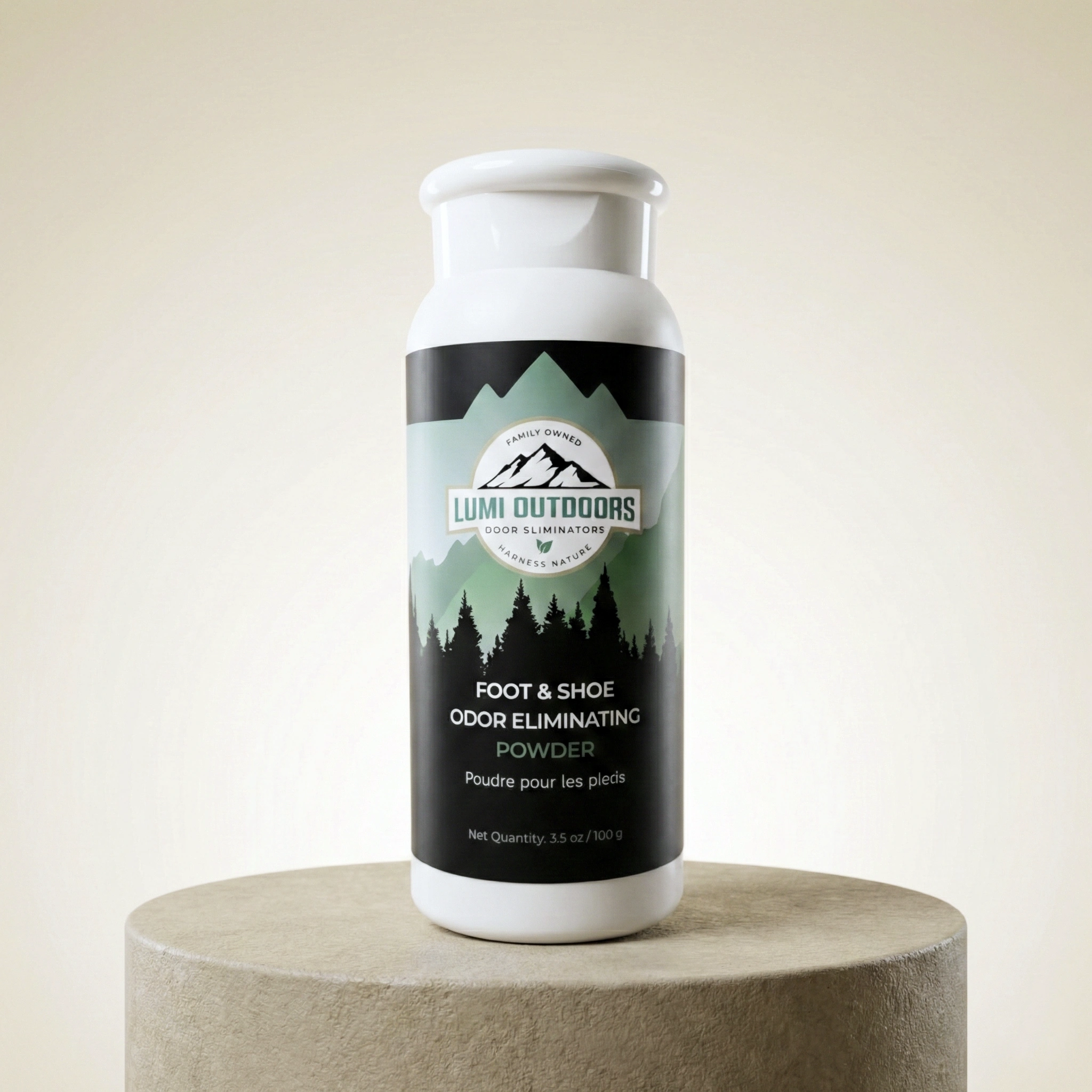
The best way to fight odor is to stop it before it starts. Our all-natural, talc-free foot powder is your first line of defense against mois...
- ABSORBS SWEAT & NEUTRALIZES ODOR
- ALL-NATURAL & TALC-FREE FORMULA
- PROUDLY FAMILY-OWNED & MADE IN UTAH
- THE "FRESH CONFIDENCE" GUARANTEE