
Why Washing Smelly Gym Shoes is Actually Making Them Stink More (2026 Guide)
- Washing Makes It Worse Machine washing saturates the foam core with water, and if shoes don't dry fully, bacteria multiply faster than before—leaving you with a bigger smell problem than when you started.
- The Real Enemy Is Moisture Odor isn't the sweat itself—it's the bacteria feeding on sweat trapped deep in the shoe's foam layers, which surface-level treatments like baking soda and aerosols never actually reach.
- Enzymes Break the Cycle An enzyme-based spray breaks down the organic material bacteria feed on, eliminating the odor source rather than masking it with fragrance that fades in hours.

You did everything right. You tossed your gym shoes in the wash, used the gentle cycle, let them air dry for what felt like forever—and they still smell like a middle school locker room. Maybe even worse than before.
You're not imagining it. And you're definitely not alone.
Parents of athletes deal with this every single week. Gym bags come home, shoes get dropped by the door, and the smell radiates outward like a slow-moving fog. You've tried the washing machine. You've tried baking soda. You might've even tried leaving them in the freezer overnight after reading something on the internet. And yet, here you are.
So what's actually going on? And why does washing them sometimes make things worse?
Why Do Gym Shoes Smell So Bad in the First Place?
Gym shoe odor comes from bacteria feeding on sweat trapped in the shoe's foam and fabric layers. The smell isn't the sweat itself—it's the waste those bacteria produce as they break down the proteins in perspiration.
A single workout can push anywhere from 250ml to 500ml of sweat into the air—and a meaningful chunk of that gets absorbed directly into your shoes. That warm, damp, dark interior is basically an ideal home for odor-causing bacteria. They settle into the foam insole, the fabric lining, the stitching—places that are genuinely hard to reach.
The condition even has a clinical name: bromodosis, which is the medical term for foot odor caused by bacterial activity on the skin and in footwear. It's not a hygiene failure. It's biology doing biology things.
But here's where people go wrong. They treat the symptom—the smell—rather than the source, which is moisture-fed bacterial activity deep inside the shoe structure. And that's exactly why the washing machine isn't fixing it.
Is Washing Gym Shoes Actually Making the Smell Worse?
Yes, in many cases. Machine washing saturates the foam core of athletic shoes with water, and if they don't dry completely—which can take 24–48 hours—that trapped moisture creates the perfect conditions for odor-causing bacteria to multiply faster than before.
Here's the thing most guides don't tell you: gym shoes aren't built like cotton t-shirts. The multi-layer construction—mesh uppers, EVA foam midsoles, compressed insoles—means water doesn't just rinse through. It gets absorbed and held.
Put a wet shoe in a warm room, stuff it back in a gym bag, or wear it before it's fully dry, and you've just fed the bacteria a perfect meal. The cycle repeats, but now you're starting from a wetter baseline than before you washed them.
And baking soda? It can absorb a little surface moisture, but it doesn't penetrate the foam. It sits on top, does a passable job for about 24 hours, and then the smell comes right back. Same with dryer sheets. Same with generic aerosol sprays that just coat the smell with synthetic fragrance—you get a five-minute window of "fresh" before the funk reasserts itself.
We actually wrote a whole piece on this exact problem for a specific shoe type: why your Ultraboosts still stink after washing. The root cause is the same regardless of brand.
Most people spray the inside of the shoe and call it done—but the insole is where 80% of the bacteria actually live. Pull the insole out completely before spraying, treat both sides of it separately, and let it dry outside the shoe. Drying the insole flat on a surface instead of inside the shoe cuts drying time in half and lets the enzymes work without being compressed against the foam base.
What Is the Right Way to Eliminate Deep Gym Shoe Odor?
The most effective method uses an enzyme-based spray applied directly to the insole and interior lining, left to dry completely in open air. Enzymes break down the organic compounds bacteria feed on, which stops the odor at its source rather than masking it.
This is where most people have a lightbulb moment. The problem was never about surface smell—it was about the organic material (sweat proteins, skin cells) sitting in the foam that bacteria kept coming back to eat. You don't just need to clean the smell. You need to remove what's feeding it.
Enzyme-based sprays do exactly that. The enzymes digest those organic compounds, leaving nothing behind for odor-causing bacteria to break down. No food source. No smell.
It also helps that a spray penetrates in a way that washing doesn't. A targeted spray gets into the foam layers without saturating them the way a full wash cycle does. You get the deep treatment without the hours-long drying nightmare.
If your gym shoes have hit peak awfulness—the kind of smell that clears a room before the bag even opens—you need something with real power behind it. This is the one we reach for first:
What You'll Need
- Cedar shoe inserts
- Small portable shoe rack
- Extra Strength Shoe Deodorizer Spray Check Price →
- Mesh shoe bags
What Is the Best Gym Bag Application Routine to Keep Shoes Fresh?

The most effective routine is a 30-second spray immediately after every workout, with full open-air drying before the shoes go back in the bag. Consistency prevents odor from building up in the foam layer in the first place.
Prevention is dramatically easier than remediation. Once odor-causing bacteria have colonized the foam core of a shoe, it takes multiple treatments to clear them out. But a quick spray after each wear keeps things manageable with almost zero effort.
Here's the gym bag routine that actually works:
- Right after your workout: Pull out the insoles if they're removable. Give the inside of each shoe 2–3 sprays of your enzyme deodorizer, making sure to reach the toe box where moisture concentrates most. Spray the insoles separately.
- Let them breathe: Don't zip the shoes back into the bag immediately. Leave them outside the bag, or prop the bag open, for at least 15–20 minutes. A small portable shoe rack for your locker or entryway helps enormously here—even just elevating the shoes off a flat surface speeds up airflow.
- Use a cedar shoe insert: Drop a pair of cedar shoe inserts in your gym shoes overnight. Cedar naturally draws moisture out of the foam over several hours. It doesn't replace an enzyme spray, but it's a great supporting act—especially on rest days when you're not actively treating the shoes.
- Weekly deep treatment: Once a week, apply a slightly heavier spray and let the shoes dry fully in open air—outside or near a fan—for a minimum of two hours. This keeps the foam core from accumulating residual moisture over time.
- Rotate your shoes: If you work out more than three times a week, consider a second pair in rotation. A shoe needs at least 24 hours to fully dry between intense uses. Mesh shoe bags work well here—they let each pair breathe during transport while keeping everything organized in one spot.
That last point about rotation is something a lot of people skip, but it matters more than almost anything else. Giving the foam time to fully dry between sessions is genuinely one of the best things you can do for long-term freshness.
We tested our natural spray against the big-brand aerosol options on the market. The difference isn't just in the smell—it's in the chemistry and what happens after the scent fades:
| Feature | Extra Strength Shoe Deodorizer Spray | Generic Aerosol Shoe Spray |
|---|---|---|
| Odor Elimination Method | Enzyme-based breakdown of organic compounds | Synthetic fragrance masking |
| How Long It Lasts | Days to weeks with consistent use | 2–6 hours before odor returns |
| Penetrates Foam Core | Yes—spray reaches deep layers | No—coats surface only |
| Safe for All Shoe Materials | Yes—plant-based, no harsh solvents | Risk of adhesive and fabric degradation |
| Family & Pet Safe | Yes—no parabens, no phthalates | Often contains chemical propellants |
| Price Per Use | Low—a few sprays per use | Moderate—but requires more frequent re-application |
Do Natural Sprays Work as Well as Chemical Aerosols on Gym Shoes?
Natural enzyme-based sprays outperform chemical aerosols for lasting odor elimination because they break down the organic source of the smell, while aerosols only mask it with fragrance that fades within hours.
The aerosol model—spray a synthetic fragrance cloud, enjoy a brief window of freshness—has been the dominant approach for decades. It works in the sense that your nose gets a brief reprieve. But the bacteria are still there. The organic compounds they feed on are still there. And within a few hours, the fragrance dissipates and the smell reasserts.
Natural enzyme sprays work differently at a chemical level. The enzymes catalyze the breakdown of the proteins and fatty acids in sweat residue. Research on enzymatic cleaning agents consistently shows they're more effective at eliminating odor-causing organic compounds compared to surface-level deodorant treatments.
And because plant-based formulas don't carry harsh solvents or alcohol in high concentrations, they won't degrade the adhesives or fabrics in your shoes the way repeated chemical exposure can. That matters a lot if you're trying to extend the life of a $150 pair of training shoes.
If you want a gentler daily-maintenance option with a clean, bright scent, the Natural Citrus Tea Tree Shoe Deodorizer Spray is a great daily driver—plant-based, quick to use, and genuinely pleasant. For the after-gym heavy hitter moments, stick with the extra strength formula.
And if you've got multiple pairs of shoes throughout the house—kids' cleats by the back door, your own gym shoes, your partner's work boots—the Variety Bundle | 3-Pack makes a lot of practical sense. You can keep one bottle in the gym bag, one by the front door, and one in the garage.
Speaking of the family shoe pile—if your kid's situation is particularly rough, our guides on deodorizing youth soccer cleats naturally and why vinegar ruins smelly school shoes are worth a read. Same principles, different shoes.
How Long Does It Take for an Enzyme Spray to Eliminate Gym Shoe Odor?

Most gym shoes show noticeable odor reduction within one to two treatments. Severely saturated foam cores may need three to five consistent applications over a week before the odor is fully eliminated.
Patience helps here. If the shoes have been collecting moisture and bacteria for months—or years—the first spray isn't going to undo all of that overnight. Think of it like treating a plant that's been underwatered for too long. The first watering helps, but recovery takes a few sessions.
For brand-new shoes or shoes at the early stage of odor buildup, one treatment often does the job completely. The spray-and-dry routine after each workout keeps them at baseline indefinitely.
For the worst-case scenarios—work boots that have been through months of construction sites, cleats that spent a whole season in the trunk—check out our guide on safe ways to neutralize deeply embedded shoe odors. The approach is the same but the timeline is longer.
Nothing's perfect, and enzyme sprays do require consistency to get the best results. Here's the honest breakdown:
- Enzyme formula actually eliminates odor instead of covering it up
- Safe for all shoe types including mesh, leather, and foam
- Plant-based with no harsh chemicals—safe around kids and pets
- Works fast—noticeable difference after first or second use
- Doubles as a preventative spray to stop odor before it builds
- Severely saturated shoes may need 3–5 treatments before odor fully clears
- Requires consistent use—skipping applications lets moisture and bacteria rebuild
Ready to try Extra Strength Shoe Deodorizer Spray?
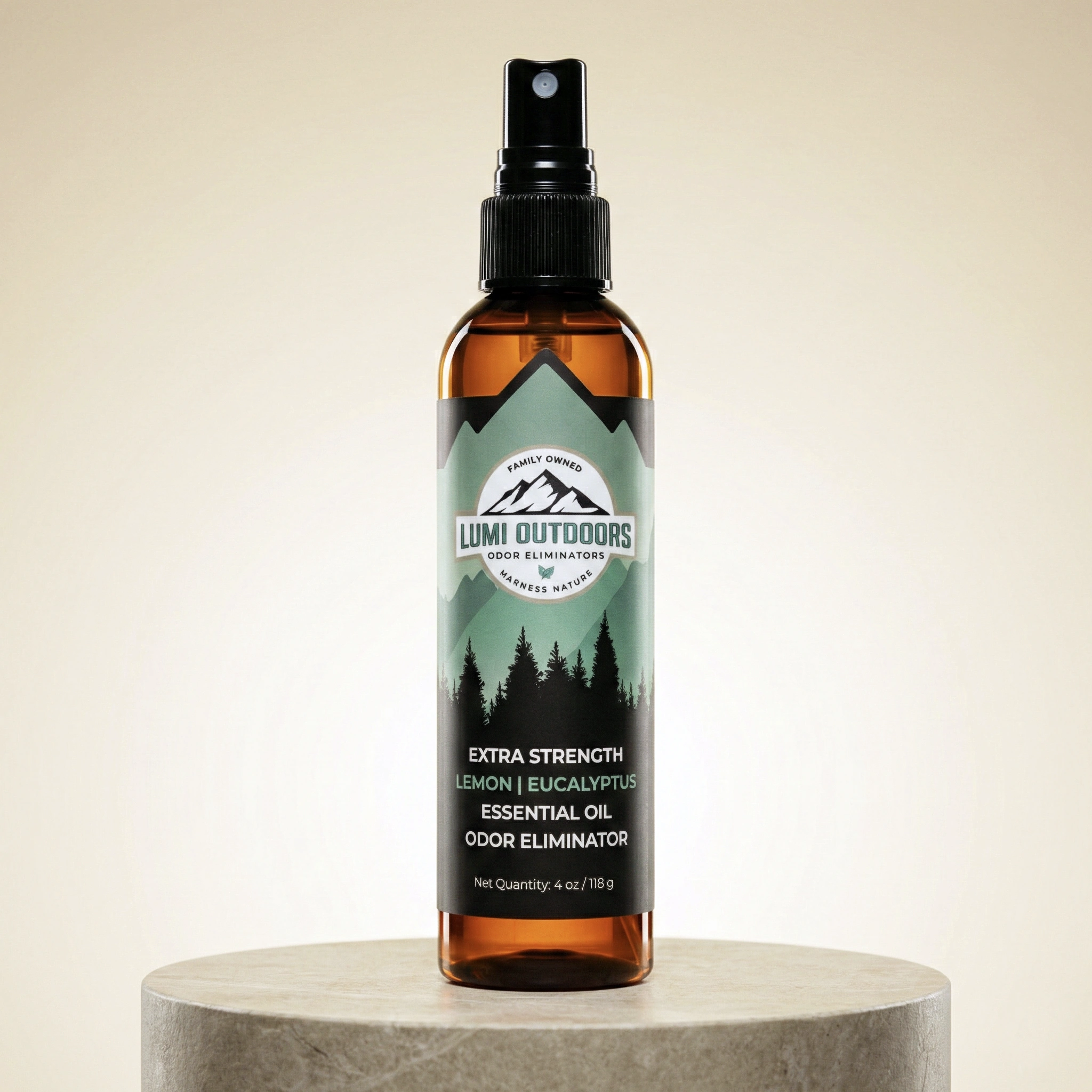
Join 1 Million+ Other People Who Chose Lumi to Conquer Their Shoe Odor.
- DESTROYS ODOR AT THE SOURCE, DOESN'T JUST MASK IT
- ALL-NATURAL & PLANT-BASED INGREDIENTS
- PROUDLY FAMILY-OWNED & MADE IN UTAH
- THE "FRESH CONFIDENCE" GUARANTEE