
Why Is My Pet Attracted to My Work Boot Smell? The Secret Answer
- It's you, not the stink Your pet is drawn to the concentrated version of your biological scent that soaks into boot leather over time — it signals safety and social belonging.
- Small pets have a specific reason Ferrets, rats, and rabbits are also attracted to the hollow boot structure itself, which mimics a safe nesting burrow.
- The chemical risk is real Natural boot odor is not dangerous, but essential-oil deodorizer sprays and outdoor chemicals on your soles can harm cats and small exotic animals.

Your pet is attracted to your work boot smell because your boots are the single most concentrated source of your scent in the entire house. Sweat breaks down into volatile fatty acids — compounds like isovaleric acid — that carry a dense biological signature. To your pet, those boots don't smell like stink. They smell like you, amplified.
Here's exactly why that happens and what you should do about it if your pet is getting a little too cozy with your footwear.
Why Do Pets Find Work Boot Smell So Irresistible?
Pets — especially small exotic animals like ferrets, rats, and rabbits — are chemosensory creatures, meaning scent is their primary way of processing the world around them. Your work boots collect hours of sweat, skin cells, and pheromones in a porous leather shell, creating what is essentially a scent archive of you.
Sweat itself is mostly odorless when it leaves your foot. The smell develops when Brevibacterium and Staphylococcus epidermidis — two bacteria that naturally colonize warm, damp skin — break down sweat into isovaleric acid and other short-chain fatty acids. Those compounds are chemically similar to certain animal pheromones. That's not a coincidence — it's why your cat or ferret goes absolutely still and starts investigating.
Leather makes it worse, in the best possible way for your pet. It's a porous material that traps scent molecules deep in its fibers for months or years. A work boot worn eight hours a day holds a far denser biological imprint than a canvas sneaker you lace up on weekends. If you want to understand just how potent that smell profile gets, the breakdown is covered in detail over at our piece on why work boots develop such extreme odors.
For small prey animals like rats and rabbits, there's an additional layer. The hollow, cave-like interior of a tall work boot mimics a safe nesting burrow. Combine that with your scent — which signals "familiar, non-threatening, safe" — and you've accidentally built your pet's ideal relaxation pod.
That's not gross. That's actually kind of sweet.
Is This a Sign That Your Pet Feels Bonded to You?
Yes. Scent-seeking behavior directed at an owner's belongings is a well-documented sign of social bonding in domestic and exotic small mammals. Your pet isn't confused or anxious — they're doing the animal equivalent of wearing your old sweatshirt.
According to research published by the National Institutes of Health on olfactory communication in mammals, scent plays a central role in social group cohesion. Animals that live in close proximity to humans often transfer that group-bonding behavior onto owner-scented objects. Your boots are the highest-concentration scent item in your home — more than your clothes, your pillow, or your gym bag — because the inside of a boot is a sealed, warm environment where sweat and bacteria have concentrated over time.
Dogs do this too, and there's a whole angle on why dogs specifically ignore toys in favor of smelly shoes — worth a read if you have a dog that treats your boots like a chew toy: Dog Ignores Toys? 3 Surprising Reasons They Prefer Your Stinky Shoes Instead.
Small exotic pets — ferrets especially — are obligate scent-markers. They will press their face into a boot and then rub their cheeks along the shaft. This is called allorubbing, and it's how they integrate your scent into their own. It means they consider you part of their group.
Most people worry about the odor inside the boot — but the real hazard for small pets is the sole. Work boot soles pick up trace herbicides, road deicer (typically sodium chloride or calcium chloride), and industrial solvent residue that your pet encounters when they rub their face on the boot or lick it. A 10-second wipe with a damp cloth on the sole before you come inside eliminates almost all of that exposure, and it costs nothing.
How Do You Safely Manage Boot Odor Without Harming Your Pets?

The safest approach for pet households is to replace aerosol or essential-oil-based sprays with mineral powder deodorizers, store boots off the floor on a ventilated rack, and wipe soles before bringing them inside. This removes the chemical risk while still controlling the odor.
Most shoe deodorizer sprays contain concentrated essential oils — tea tree, eucalyptus, or peppermint — that are genuinely toxic to cats and small exotic animals. Their livers lack the glucuronyl transferase enzyme needed to process phenolic compounds, so even ambient exposure in a closed mudroom can cause harm. If you have a cat or a ferret sharing a space with your boots, this is worth taking seriously. More detail on that specific risk is in our article on why shoe deodorizer sprays can be toxic for cats.
So what actually works? A few options, depending on how committed you are:
- Mineral-based foot powder: Arrowroot powder, zinc oxide, and kaolin clay absorb moisture at the source — before bacteria even get to work. No volatile compounds, no respiratory risk for sensitive animals.
- Cedar shoe trees: Cedarwood naturally absorbs moisture and has a mild scent that dissipates quickly. Safe for cats, dogs, and most small animals.
- Baking soda: Half a teaspoon inside each boot overnight pulls moisture and neutralizes acid odors. Free, and completely non-toxic if your rabbit decides to investigate.
For a powder that's genuinely formulated with pet households in mind, Lumi's Natural Foot Powder uses arrowroot, zinc oxide, and kaolin clay at concentrations that are safe around cats and small animals — apply it inside dry boots before you wear them, shake out the excess before storing, and keep boots elevated so curious noses can't get directly inside.
The other half of the equation is storage. Don't leave heavily worn boots flat on the floor of a mudroom or closet. An elevated boot rack keeps the soles — which carry anything you stepped in outdoors — out of reach of low-to-the-ground animals like ferrets and rabbits.
Is It Actually Dangerous for Your Pet to Lick or Sleep in Your Boots?
The natural odor from your feet is not a health risk to your pet. The real dangers are the chemicals your boots may have picked up outside — industrial solvents, road salt, pesticide residue, or cleaning agents — and any deodorizer products applied to the inside of the boot.
Brevibacterium and the other bacteria responsible for boot odor are common skin-resident microorganisms. They're not particularly dangerous to healthy animals who sniff or briefly contact the boot interior. The risk profile changes completely if your pet is licking the sole — especially if you work on job sites where the ground is treated with herbicides, deicers, or chemical cleaners. A quick wipe of the soles with a damp cloth before you come inside is a low-effort habit that removes most of that risk. If your boots carry extreme odors from particularly harsh environments, the remedies in our 7 natural work boot remedy hacks piece cover a full cleaning protocol without harsh chemicals.
Where you should pay closer attention is behavior, not smell. A pet that sniffs your boots and walks away is fine. A pet that obsessively licks boot leather, chews insoles, or shows repeated attempts to get inside the boot may be displaying pica — a compulsive ingestion behavior that warrants a vet visit. Salt cravings can drive this in some animals, and heavily worn boot insoles have a lot of salt. If your exotic pet is eating the insole, that's not bonding behavior. That's a nutritional or behavioral flag.
One more thing worth knowing: if you've applied any spray deodorizer to your boots in the past and your cat or ferret starts showing symptoms like drooling, lethargy, or wobbling, contact the ASPCA Animal Poison Control Center at (888) 426-4435 immediately.
Want a boot deodorizer that's safe around your pets?
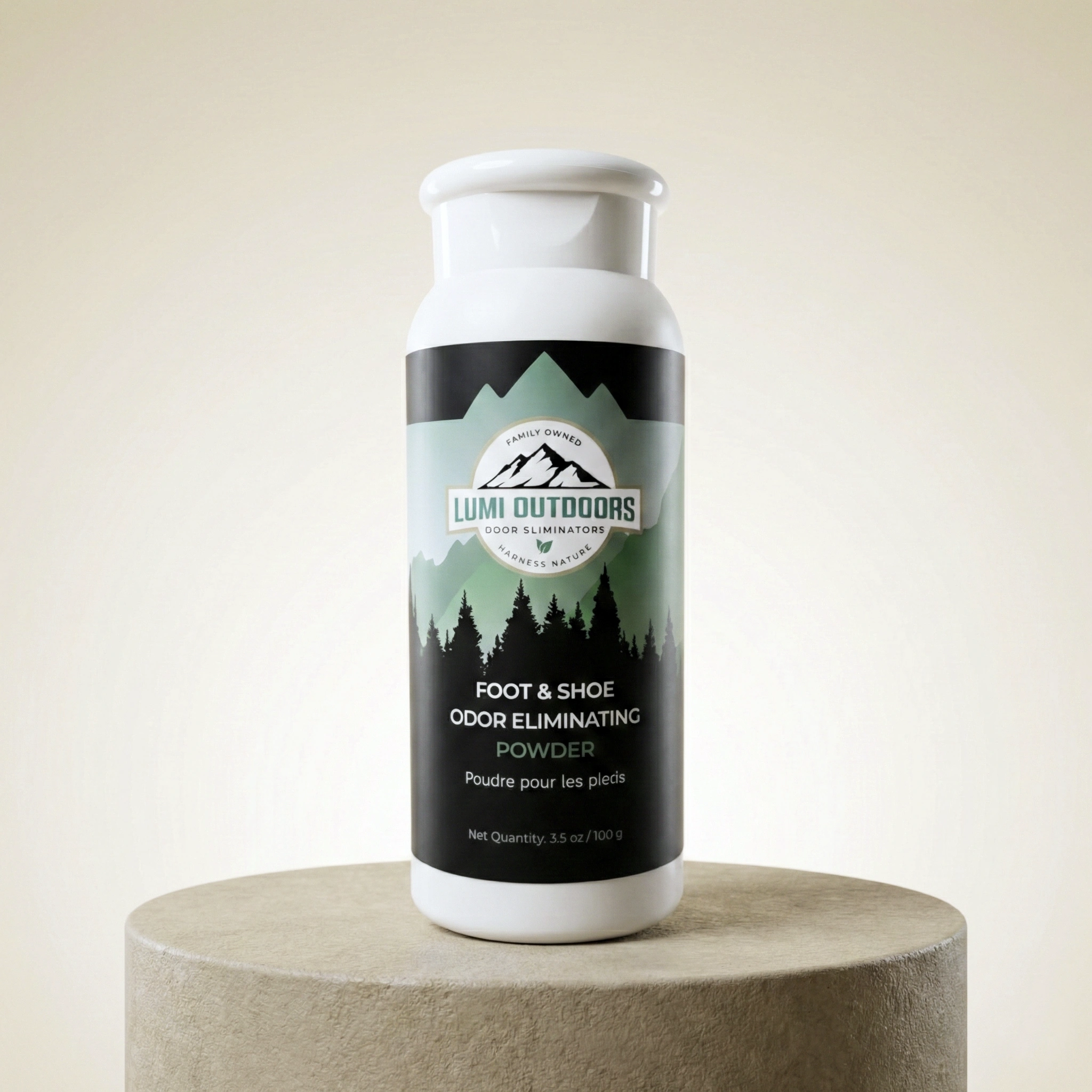
The best way to fight odor is to stop it before it starts. Our all-natural, talc-free foot powder is your first line of defense against mois...
- ABSORBS SWEAT & NEUTRALIZES ODOR
- ALL-NATURAL & TALC-FREE FORMULA
- PROUDLY FAMILY-OWNED & MADE IN UTAH
- THE "FRESH CONFIDENCE" GUARANTEE