
Why Everything You Know About Freezing Smelly Shoes Is Wrong
- Stop Freezing Your Shoes Cold temperatures only pause bacterial activity — the odor-producing bacteria survive and reactivate the moment your shoes warm back up.
- Target the Source, Not the Smell Baking soda, dryer sheets, and freezing all treat the symptom. Real odor elimination means neutralizing the moisture and bacterial compounds embedded in shoe materials.
- Consistency Beats Intensity A quick spray of a plant-based deodorizer after each wear — before the odor builds — is more effective than any single overnight hack you can find online.

You've probably seen it on social media. Maybe your neighbor swore by it. Someone told you to seal your smelly sneakers in a zip-lock bag and toss them in the freezer overnight. And honestly? It sounds logical. Cold temperatures stop bacteria in their tracks, right? So a night in the deep freeze should fix those rank cleats your kid keeps leaving by the front door.
Except it doesn't. Not really. And understanding why it doesn't work is actually the key to solving your shoe odor problem for good. So let's get into it.
Does Freezing Smelly Shoes Actually Work?
Freezing shoes temporarily slows odor-producing bacteria but does not eliminate them. The moment shoes return to room temperature, the surviving bacteria reactivate and the odor returns — often within hours.
Here's the thing about bacteria: they're survivors. The specific strains responsible for that locker-room smell in your teenager's cleats — mainly Brevibacterium and Staphylococcus species — are genuinely impressive at enduring harsh conditions. You're not dealing with delicate microbes here. Research from the National Institutes of Health confirms that many common bacteria form protective structures that allow them to survive freezing temperatures. They essentially hit pause — like a movie on hold — and resume the moment things warm back up.
So after that overnight freeze, your shoes thaw out, you put them on, your feet start sweating, and within a few hours? The bacteria are right back at work. That familiar smell creeps back in by lunchtime. Sound familiar?
Why Does Shoe Odor Keep Coming Back No Matter What You Try?

Shoe odor persists because most DIY remedies address the smell itself rather than the moisture environment that allows odor-producing bacteria to thrive. Without removing that moisture, bacteria always return.
This is where most people get stuck. They're chasing the smell when they should be chasing the source. Here's the actual chain of events happening inside your shoe:
- Your feet sweat — an average person produces about up to half a pint of moisture per day from their feet alone.
- That moisture gets trapped in the warm, dark interior of a closed shoe.
- Bacteria feed on the dead skin cells and sweat, producing the acidic, sulfur-laced compounds that cause the smell — a condition sometimes called bromodosis.
- You try a hack (freezing, dryer sheets, baking soda sprinkling). It masks or temporarily stalls things.
- The conditions haven't changed. Bacteria bounce back. Odor returns.
Freezing addresses step 3 for about six hours. It does absolutely nothing about steps 1 or 2. The moisture is still in there. The food source for bacteria — sweat residue, skin cells — is still in there. The environment is still perfectly designed for bacterial reactivation.
Most people spray deodorizer into cold, dry shoes and wonder why it doesn't penetrate well. The trick is to spray immediately after you take shoes off, while they're still warm from wear. The warmth opens up the fabric and foam fibers, letting the formula absorb deeper into the material where bacteria actually live — not just sit on the surface. Thirty seconds of timing makes a meaningful difference in how long the results last.
What Are the Other Popular Shoe Odor Hacks That Don't Actually Fix the Problem?
Baking soda, dryer sheets, and newspaper stuffing are all moisture-management tricks at best. They mask odor or absorb some surface dampness but don't neutralize the bacteria-produced compounds already embedded in shoe materials.
Let's run through the most popular ones, because you've probably tried at least two of these:
Baking Soda
Baking soda is a base, and shoe odor compounds are acidic. In theory, they neutralize each other. In practice, baking soda sitting inside a shoe doesn't make effective contact with bacteria embedded deep in the insole foam or fabric lining. You get a bit of surface odor neutralization and a powdery mess. And if your shoes have leather lining or leather insoles? Baking soda is drying and abrasive over time — it can actually damage that material.
Dryer Sheets
This one's purely cosmetic. You're layering a synthetic fragrance on top of an existing smell. It's like spraying air freshener in a bathroom instead of opening a window. The moment the sheet's scent fades — usually fast — the original odor is still right there waiting. Plus, the chemical compounds in most dryer sheet fragrances aren't things you want living inside your kid's shoes all day.
Newspaper Stuffing
Actually, this one has some merit — but only for moisture absorption, not odor elimination. Stuffing shoes with newspaper after wearing them helps draw out dampness, which slows bacterial activity. But newspaper does nothing to neutralize the compounds already produced. It's a solid supporting habit, not a solution on its own. We'll come back to this.
The Freezer (Again)
We've covered the science, but here's the practical problem too: stuffing wet shoes in a plastic bag and putting them in the freezer next to your kid's ice cream is just not a sustainable routine. It takes overnight. It requires planning. And then it doesn't even work long-term. It's a lot of effort for a temporary fix.
If you want to stop reaching for workarounds that wear off by afternoon, there's a better approach. One that targets the actual chemistry of what's happening in your shoes — not just the smell coming out of them. If your problem is persistent odor that keeps bouncing back no matter what you try, you need something that neutralizes the source directly. This is the one we keep by the door:
What You'll Need
- Newspaper (for stuffing shoes to draw out moisture before spraying)
- Cedar shoe trees (for maintaining shape and absorbing ambient moisture during storage)
- Extra Strength Shoe Deodorizer Spray Check Price →
- Moisture-wicking socks (to reduce sweat load going into the shoe in the first place)
What Is the Science Behind Natural Enzyme-Based Shoe Deodorizers?
Natural enzyme-based and plant-oil-based deodorizers work by chemically breaking down the organic compounds — sweat residue, fatty acids, and bacterial metabolites — that produce odor. Unlike masking sprays, they neutralize the smell at the molecular level.
This is the mechanism that makes the difference. Think of it less like spraying perfume and more like a targeted cleanup operation inside the shoe.
Essential oils like eucalyptus, tea tree, and lemon contain naturally occurring compounds — primarily terpenes like terpinen-4-ol and limonene — that have been studied for their ability to disrupt the environment bacteria need to thrive. They don't just smell clean; they change the chemistry inside the shoe so the conditions that support odor production become less hospitable.
Natural enzymes, meanwhile, break down the organic material bacteria feed on. No food source, no bacterial activity. No bacterial activity, no odor. That's the logic, and it's a lot more permanent than "cold temperatures make bacteria sleepy for a few hours."
We compared our natural spray against the big-brand aerosol fresheners. The difference isn't just in the smell — it's in the chemistry.
| Feature | Extra Strength Shoe Deodorizer Spray | Big-Brand Aerosol Freshener |
|---|---|---|
| How It Works | Neutralizes odor compounds at the molecular level using plant-based enzymes and essential oils | Masks odor with synthetic fragrance — smell returns when fragrance fades |
| Safe for Leather & Adhesives | Yes — gentle plant-based formula preserves all shoe materials | Often no — alcohol-heavy formulas can dry out leather and degrade shoe adhesives over time |
| Safe Around Kids & Pets | Yes — free from harsh chemicals, parabens, and aluminum | Often contains synthetic chemicals and propellants not recommended around children |
| Long-Lasting Results | Yes — neutralizes the source so odor doesn't immediately return | No — fragrance wears off within hours; underlying odor persists |
| Scent Profile | Fresh lemon & eucalyptus from natural essential oils | Synthetic 'clean' fragrance that can feel artificial or overpowering |
What Shoe Deodorizer Works Best for Athletes and Work Boots?
For high-intensity odor situations — athletic cleats, work boots, or shoes worn for long shifts — an extra-strength plant-based spray used immediately after wear, combined with a foot powder used proactively before wearing, delivers the most lasting results.
Not all shoe odor is created equal. The smell coming from your partner's construction boots after a ten-hour day in the heat is a very different beast from the mild stuffiness of dress shoes worn a few times a week. Matching your solution to the severity of the problem matters.
For Serious, Chronic Odor
The Natural Foot Powder and Extra Strength Shoe Deodorizer Spray bundle is built exactly for this. The idea is a two-phase approach: apply the foot powder before you put shoes on to absorb sweat and prevent the moisture buildup that feeds bacteria throughout the day, then spray the shoes at the end of the day to neutralize whatever developed despite your best efforts. It's the difference between playing defense and going on offense. You can read more about tackling serious athletic shoe odor in our 5 Stinky Athletic Shoes Remedy Hacks guide.
For Families with Multiple Types of Footwear
The 3-Pack Spray Bundle makes a lot of sense here. You get the Extra Strength Lemon & Eucalyptus for the toughest jobs (those cleats, those work boots), a Citrus spray for everyday sneakers and school shoes, and a Lavender option for more delicate footwear or for people who prefer a calmer scent. One bottle stays in the closet, one by the back door, one in a gym bag. It's a genuinely practical setup for a household with active kids or a working partner.
For Everyday Maintenance
The Natural Citrus Tea Tree Shoe Deodorizer Spray hits the sweet spot for daily use. A quick spray after each wear keeps the bacterial load from building up in the first place. It's the easiest habit to build — you're already taking off your shoes, you just add one spray before putting them away. Podiatrists consistently recommend this kind of rotation and post-wear treatment as the foundation of good shoe hygiene. For a deeper look at professional-grade routines, check out how pro athletes stop shoes from smelling like feet forever.
What Habits Actually Prevent Shoe Odor From Building Up?

Rotating shoes every 24-48 hours, using moisture-absorbing newspaper or cedar shoe trees after each wear, and applying a plant-based deodorizer spray consistently are the three habits with the most evidence behind them for long-term odor prevention.
Here's a practical system that takes less than two minutes and actually works:
- Rotate your shoes. Never wear the same pair two days in a row if you can avoid it. Shoes need at least 24 hours to fully dry out. If you or your kid has one pair of cleats being worn every single day, you're fighting an uphill battle.
- Stuff with newspaper immediately after wearing. Pull out the insoles if possible and stuff the shoe with newspaper. It draws out moisture fast. Leave it for a few hours or overnight.
- Spray before storing. A quick, even spray of a plant-based deodorizer while the shoe is still slightly warm from wear lets the formula penetrate the material and neutralize bacteria while they're still active. Don't wait until the shoe smells bad — spray before it gets to that point.
- Consider your socks. Cotton socks hold moisture against your foot all day. Merino wool or moisture-wicking synthetic blends move sweat away from the skin and reduce the total moisture load going into the shoe. Small change, big difference.
And yes, newspaper is on that list intentionally. Used as a moisture tool before spraying? It's genuinely helpful. Used as your only strategy? Not enough.
Want to go deeper on gym shoe maintenance specifically? Our 3-Step Masterclass to Freshen Gym Shoes After Your Run walks through exactly this kind of routine for athletic footwear.
Is Natural Shoe Deodorizer Better Than Chemical-Based Sprays?
Natural plant-based deodorizers are generally safer for shoe materials, better for indoor air quality, and equally effective for odor neutralization compared to synthetic chemical aerosols — without the harsh ingredient trade-offs.
Most of the big-brand aerosol sprays you find at the drugstore work through one of two mechanisms: synthetic fragrance masking, or harsh chemical compounds that create an inhospitable surface. The problem with the latter is that those same harsh chemicals — particularly alcohol-heavy formulations — can dry out leather, degrade adhesives in athletic shoes over time, and leave residue that irritates sensitive skin.
If you have a kid wearing these sprayed shoes all day, or a partner with sensitive skin, that matters. You can read more about the indoor air quality case for natural deodorizers in our breakdown on why you need a natural alternative to chemical deodorizers.
Natural sprays built around tea tree oil, eucalyptus, and citrus essential oils work on the same molecular principle — disrupting the environment bacteria need — but without the material damage or chemical residue concerns. They're safe around kids and pets, which matters when shoes are being stored in living spaces and entryways.
Is the natural route perfect? Mostly — but it does require consistency. Here's the honest breakdown:
- Science-backed odor neutralization that targets the source, not just the surface smell
- Completely plant-based formula with no harsh chemicals — safe for the whole family
- Works on every shoe type including leather, athletic mesh, and synthetic materials
- Lemon & eucalyptus scent is natural and not overpowering
- Effortless overnight use — spray and leave it to work
- Requires breaking the habit of reaching for the freezer or baking soda — consistency is the whole strategy
- Very severe, long-neglected shoe odor may need several treatments over a few days before it's fully resolved
The bottom line on freezing your shoes: it's the kind of hack that feels satisfying because it sounds scientific, but the actual science says otherwise. Cold slows things down. It doesn't solve anything. Your shoes come back to room temperature, your feet start warming them up again, and the cycle restarts.
The real fix is less dramatic and more reliable: neutralize the odor compounds directly, control the moisture environment, and build a two-minute routine around it. That's it. No zip-lock bags, no freezer space, no waiting overnight for a result that fades by noon.
Your nose — and everyone else in your house — will thank you.
Ready to stop the odor from coming back every single time?
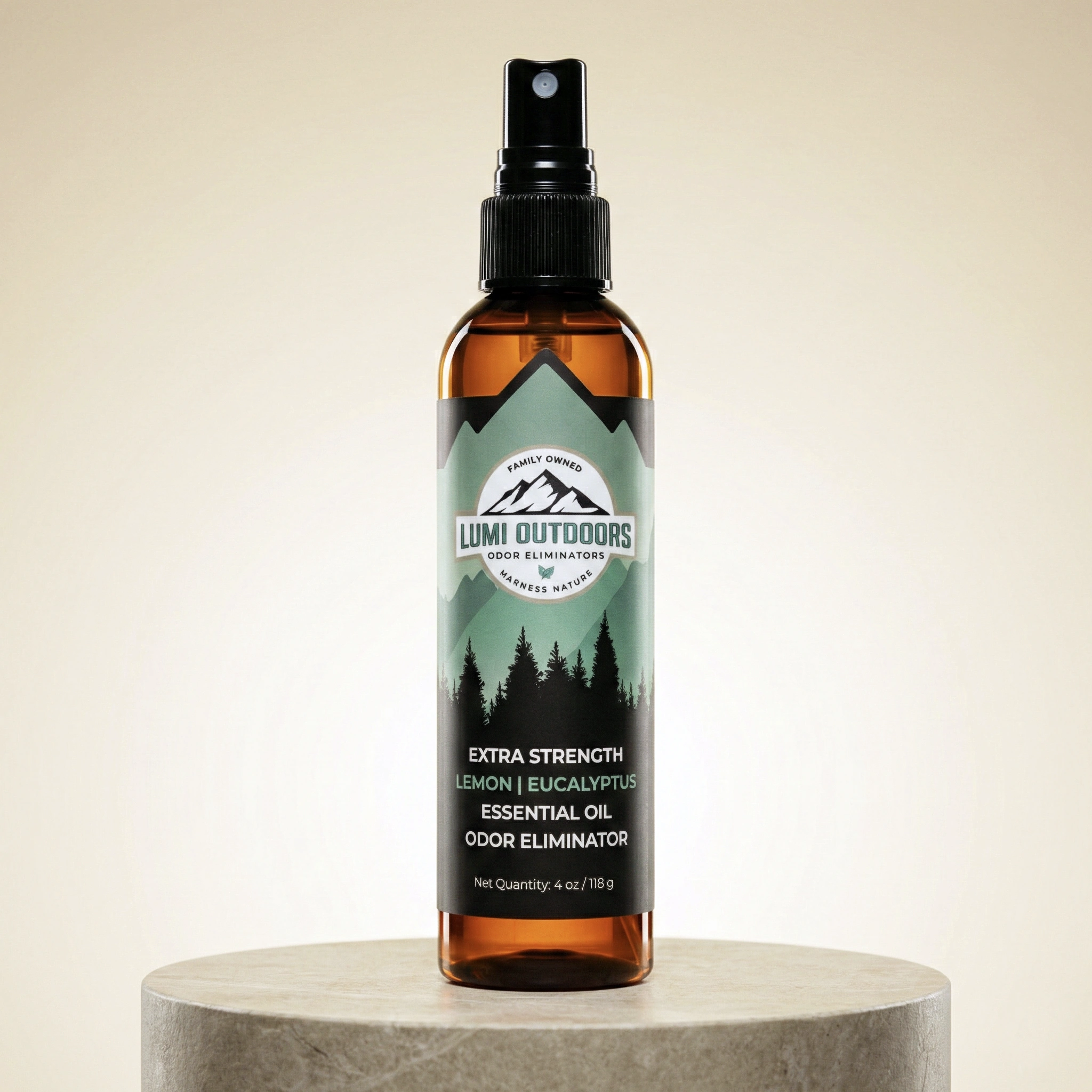
Join 1 Million+ Other People Who Chose Lumi to Conquer Their Shoe Odor.
- DESTROYS ODOR AT THE SOURCE, DOESN'T JUST MASK IT
- ALL-NATURAL & PLANT-BASED INGREDIENTS
- PROUDLY FAMILY-OWNED & MADE IN UTAH
- THE "FRESH CONFIDENCE" GUARANTEE