

Why Do My Sperrys Smell After Just One Wear?
- It's a design issue, not a hygiene issue Sperrys have no fabric lining, so sweat absorbs directly into the leather footbed with nothing to wick it away.
- Bacteria are the actual source Brevibacterium digests sweat trapped in porous leather and releases sulfur compounds — that's the specific smell you're noticing.
- Fix requires three steps in order Clean the footbed, neutralize with a targeted spray, then enforce a 24-48 hour drying rotation — skipping any step lets the smell return.

Sperrys smell so bad because the unlined leather interior absorbs sweat, dead skin cells, and body oils directly from your bare foot — with zero barrier in between. There's no fabric lining to wick moisture away, so the footbed becomes a warm, damp surface that odor-causing bacteria colonize fast. One humid afternoon is enough to trigger it.
Here's what actually helps — starting with what's happening inside the shoe.
Why Does the Design of Sperrys Make Them Smell So Bad?
The smell is a design conflict: Sperrys are built to be worn barefoot, but the unlined leather interior has no moisture management — so your sweat has nowhere to go except into the material itself. Once it's in there, it doesn't evaporate. It feeds bacteria.
Most dress shoes and sneakers have a fabric lining — sometimes synthetic, sometimes textile — that creates a physical barrier between your foot and the shoe structure. That lining absorbs sweat and can be wiped clean or dried out relatively easily. Sperrys, deliberately, don't have that. The "broken-in" feel that boat shoe fans love comes directly from bare skin contact with soft leather. That's also exactly why they smell.
The footbed is the worst offender. It's porous leather — often veg-tanned or combination-tanned — and porous materials trap organic matter in a way smooth synthetics don't. Sweat seeps in. Dead skin cells accumulate. Oils from your skin work into the grain. And once that organic material is embedded in the leather, it doesn't just sit there.
It gets eaten.
What's Actually Causing the Smell Inside a Boat Shoe?
The odor in Sperrys comes primarily from Brevibacterium and Staphylococcus bacteria that digest the sweat and skin cells embedded in the leather, releasing sulfur compounds and isovaleric acid — the specific molecules responsible for the "feet" smell. These aren't dangerous organisms; they're the same bacteria found on healthy skin. But in a closed, warm, damp environment, their byproducts concentrate fast.
According to research covered by the bromodosis entry on Wikipedia (which draws on dermatological literature), Brevibacterium linens is the same genus responsible for the smell of aged cheese — which explains why well-worn boat shoes can reach genuinely alarming levels of funk. The sulfur compounds it produces are detectable in parts per billion.
The "one wear" problem often isn't really one wear. It's usually shoes that weren't fully dried and aired between uses — maybe from last summer — and a dormant bacterial colony that reactivates the moment moisture returns. Bacterial biofilms can survive in dry leather for months, waiting for humidity to wake them back up. So when you pull your Sperrys out in May and they smell terrible by noon on day one, you're not starting from scratch — you're continuing where last October left off.
This is also why spraying perfume or Febreze into them doesn't work. You're masking sulfur compounds with fragrance molecules, and the moment the fragrance fades, the sulfur wins. The bacteria are still there, still metabolizing. If you want more context on why odor keeps coming back regardless of hygiene, this breakdown of why shoes suddenly stink even with perfect hygiene habits explains the cycle well.
Most people spray their Sperrys and immediately put them back in the closet — but a closed closet is the worst place for a freshly sprayed boat shoe. The spray needs airflow to work properly; without it, the moisture you just introduced sits in the leather and can actually accelerate bacterial growth. Spray them, then leave them outside the closet, tongue open, for at least 20 minutes before storing.
How Do You Actually Fix Smelly Sperrys?

The fix requires three steps in order: deep clean the footbed to remove embedded organic matter, treat the shoe with an odor-neutralizing spray, and implement a drying protocol that prevents reactivation — because skipping any one of these just delays the smell coming back.
Start with a light clean. Mix a small amount of mild saddle soap or castile soap with lukewarm water. Use a soft cloth — not a toothbrush, which can scratch the grain — and work the solution into the footbed in small circles. Don't saturate the leather; you want damp, not wet. Wipe it clean with a second damp cloth, then a dry one. Let the shoe air dry at room temperature for at least two hours before the next step. A soft cloth and mild soap is genuinely all you need here; harsh cleaners dry out the leather and crack the footbed faster.
After the shoe is dry, treat it with a spray designed to neutralize odor at the source rather than mask it. Look for a formula with lemon eucalyptus or tea tree oil — both have well-documented properties against the bacterial strains responsible for foot odor. Lumi's Extra Strength Shoe Deodorizer Spray is the one we'd reach for here, though a DIY mix of white vinegar diluted 50/50 with water and a few drops of tea tree oil is a genuine standalone option that costs almost nothing.
The drying step is non-negotiable. Give the shoes a minimum of 24 hours between wears — 48 is better. Stuff them with newspaper after each use; newsprint is surprisingly effective at pulling moisture out of the footbed. Cedar shoe trees work even better if you have them, because cedar is naturally hygroscopic and releases a mild scent that inhibits bacterial growth.
For ongoing prevention, a light dusting of natural foot powder applied directly to your feet before putting on Sperrys creates a moisture-absorbing barrier at the source. The arrowroot powder and kaolin clay in a talc-free formula draw sweat away before it can soak into the leather — which is the whole problem to begin with. For more on whether it makes more sense to treat your foot or the shoe itself, this article walks through the logic clearly.
Can Socks Actually Fix This — Without Ruining the Look?
Yes — no-show socks made from merino wool or moisture-wicking synthetic fabric solve the moisture problem at the source, and modern low-cut styles are genuinely invisible inside a Sperry. This isn't a style compromise anymore; it's the most effective single change a boat shoe wearer can make.
The "bare ankle" aesthetic is completely preserved with a well-made no-show sock. The sock sits below the collar of the shoe and acts as the missing lining — absorbing sweat before it reaches the leather. Merino wool, specifically, is worth the extra cost for this application: it's naturally odor-resistant, wicks about three times more moisture per gram than cotton, and doesn't hold smell the way synthetic blends sometimes do. Here's why merino wool specifically outperforms other fabrics for odor control if you want the full breakdown.
There's a secondary benefit: socks dramatically extend the lifespan of the shoe. Bare skin on leather deposits salt from sweat, skin oils, and cellular debris directly onto the footbed grain. Over time, that salt crystalizes and breaks down the leather from the inside out — which is why heavily worn Sperrys often develop that dry, cracked, almost papery footbed. A thin sock prevents all of that.
Worth knowing: the friction difference between a sock and bare leather is noticeable for the first few wears, then the sock compresses and you stop thinking about it entirely.
Ready to stop dreading putting your Sperrys on?
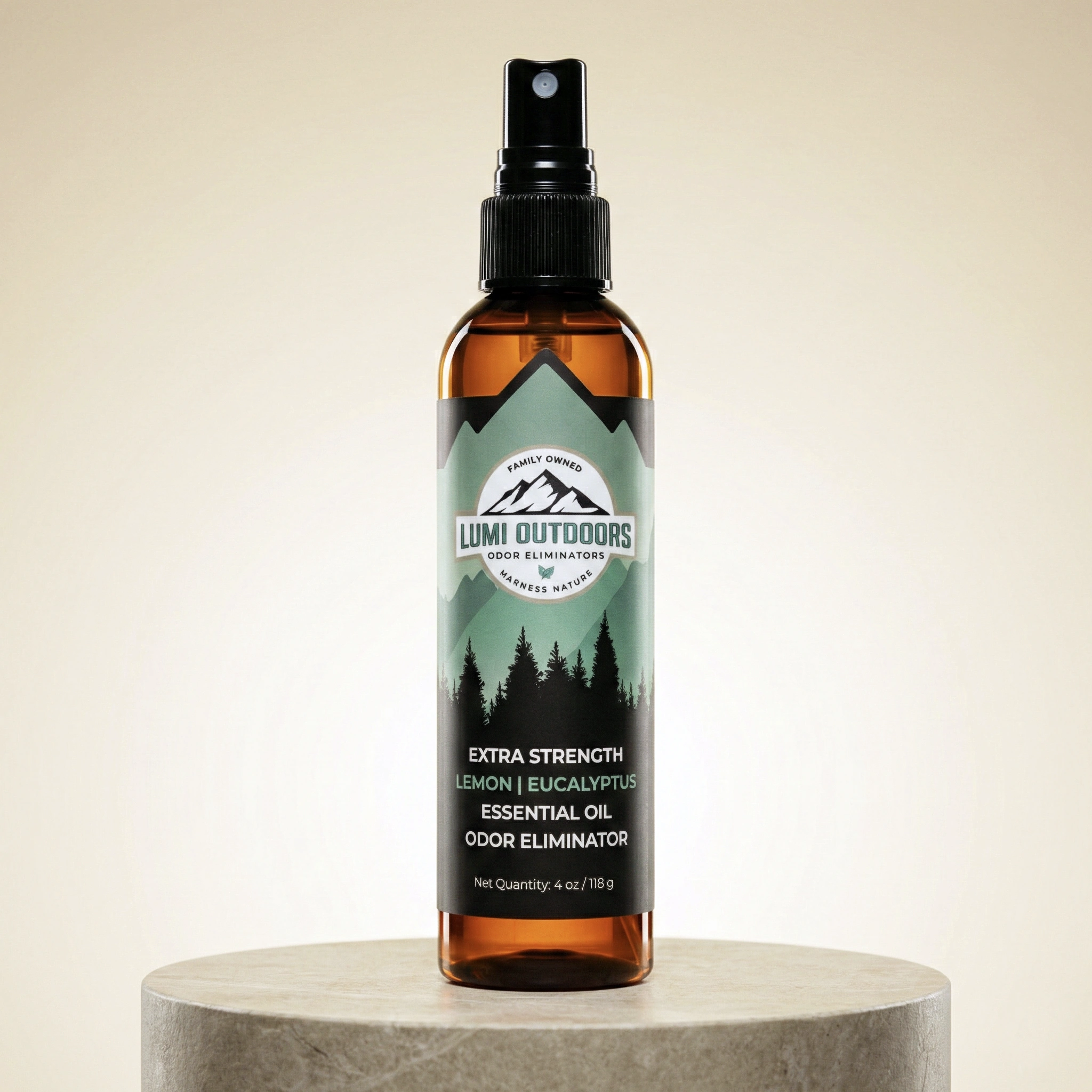
Join 1 Million+ Other People Who Chose Lumi to Conquer Their Shoe Odor.
- DESTROYS ODOR AT THE SOURCE, DOESN'T JUST MASK IT
- ALL-NATURAL & PLANT-BASED INGREDIENTS
- PROUDLY FAMILY-OWNED & MADE IN UTAH
- THE "FRESH CONFIDENCE" GUARANTEE