

The Step-by-Step Guide to Remove Smell From Hoka Shoes Using Enzyme Cleaners
- Foam Penetration Hoka shoes require essential oil liquids to reach the deep midsole where odors hide.
- Avoid Machines Machine washing warps the shoe shape and destroys the cushioning bounce.
- Consistency Wins Treating shoes after every few wears prevents odors from ever setting in.

We've all been there. You finish a long run or a grueling shift on your feet, kick off your Hokas, and a wave of something truly foul hits you. It’s not just a "sweaty feet" smell. It’s deeper. It’s more stubborn. If you’ve ever felt like your expensive Hoka shoes have developed their own sentient, stinky personality, you aren't alone.
Hokas are famous for that massive, cloud-like cushioning. It's why we buy them. But that same thick foam acts like a giant sponge. Every time you sweat, that moisture doesn't just sit on the surface; it sinks deep into the midsole. Standard sprays just sit on top like a cheap perfume, while the odor continues to brew in the "basement" of your shoe. Here is the good news: you don't have to throw them away. You just need to change how you fight the funk.
Why Do Hoka Shoes Smell So Bad After a Few Runs?
Hoka shoes smell because their thick EVA foam midsoles trap moisture and organic matter, creating a dark, damp environment where odor-causing particles thrive. Standard cleaning doesn't reach these deep layers, allowing the scent to return as soon as the shoes get warm again.
Think about the anatomy of your Hoka. You have the upper mesh, the plush insole, and then that signature thick midsole. When you're active, your feet can produce up to half a pint of sweat a day. That moisture carries skin cells and oils directly into the foam. Because Hokas are designed for maximum impact absorption, they have a lot of "give" in the material, which means plenty of microscopic nooks and crannies for odors to hide.
Most people try to fix this by spraying a quick aerosol or dumping in some powder. But here's the problem: those methods only address the surface. They don't have the "legs" to get down into the cushioning where the real problem lives. You're basically putting a band-aid on a broken bone. This is where foot odor becomes a permanent resident in your closet.
If you want to stop the moisture before it starts, you need a heavy-duty absorber that actually breaks down the mess instead of just masking it. This is the one we keep by the door:
What You'll Need
- Soft-bristled shoe brush
- Microfiber cloth
- Extra Strength Shoe Deodorizer Spray Check Price →
- High-velocity fan
Can You Put Hoka Shoes in the Washing Machine?
You should never put Hoka shoes in the washing machine because the heat and agitation can break down the specialized adhesives and the structural integrity of the foam cushioning. This can lead to the midsole shrinking or losing its "bounce," effectively ruining the shoe's performance.
It's so tempting to just toss them in with the towels and hope for the best. But please, don't do it. I've seen too many pairs of $160 runners come out of the wash looking like they belongs to a toddler. The heat is the real enemy here. It can warp the "rocker" shape that Hoka is known for. Plus, a washing machine doesn't actually "deep clean" the inside of the foam; it just gets the surface wet and makes the drying process ten times harder.
Instead of the machine, you need a targeted approach. You want something that works through "biocatalysis"—using natural enzymes to eat away the organic materials that cause the smell. Unlike a harsh cycle in the washer, enzyme cleaners are gentle on the fabric but ruthless on the odor. If you've been wondering why scrubbing doesn't work, it's because you aren't reaching the source. You need a liquid solution that can travel as deep as the sweat did.
I tested our natural spray against the big-brand aerosols. The difference isn't just in the smell—it's in the chemistry. One covers up, the other cleans up.
| Feature | Lumi Essential Oil Sprays | Generic Aerosol Sprays |
|---|---|---|
| Odor Strategy | Breaks down organic matter | Masks with synthetic perfume |
| Midsole Penetration | High - liquid reaches deep foam | Low - sits on surface mesh |
| Residue | Clean evaporate finish | Sticky or powdery buildup |
What Is the Best Way to Use Enzyme Cleaners on Thick Midsole Shoes?

The best way to use enzyme cleaners on Hoka shoes is to remove the insoles and spray the interior liberally, focusing on the heel and toe box, then allowing the liquid to sit and penetrate the foam overnight. This "soak time" allows the essential oils to fully break down the odor-causing organic compounds deep within the cushioning.
Here is your battle plan. Don't just spray and go. That's for maintenance, not for a deep "rescue" mission. Follow these steps to get your Hokas back to factory-fresh status:
- The Strip Down: Take out the laces and the insoles. This opens up the "guts" of the shoe. If the insoles are particularly gross, you can wash those by hand in the sink with a bit of dish soap.
- The Dry Brush: Use a soft-bristled shoe brush to knock off any dried mud or dust from the outside. You don't want to turn that dust into mud when you start spraying.
- The Deep Spray: Grab your Extra Strength Shoe Deodorizer Spray. Don't be shy. Spray the entire inside of the shoe until the fabric feels damp. The liquid needs to follow the same path the sweat took.
- The Wipe: Use a microfiber cloth to wipe down the "walls" of the interior, ensuring the spray is evenly distributed.
- The Rest: Let them sit. This is the part people skip. Enzymes need time to "eat." Let them work for at least 8 to 12 hours in a cool, dry place.
Don't forget the 'Hidden Floor.' When you remove the insole, spray the actual bottom of the insole and the flat surface of the shoe's floor. These two surfaces rub together and trap sweat, creating a secret odor pocket that most people miss entirely.
How Long Does It Take for Hoka Shoes to Dry Properly?

Hoka shoes typically take 12 to 24 hours to dry completely after a deep cleaning treatment, depending on the humidity and airflow in the room. Because of the high-volume foam in the midsole, it is vital to avoid wearing them while they are still damp, as this can trap new odors immediately.
Patience is a virtue, especially when it comes to foam. If you put your shoes back on while the midsole is still damp, you're just creating a tropical resort for new odors to move in. To speed things up, don't reach for the hair dryer! High heat can melt the glue. Instead, set your shoes in front of a high-velocity fan. The moving air will pull the moisture out of the foam much faster than still air ever could.
If you're in a rush, some people swear by stuffing them with newspaper, but I find that a fan is more effective for the thick Hoka padding. Just make sure they aren't in direct sunlight, as UV rays can eventually make the foam brittle and prone to cracking.
How Often Should You Treat Your Hokas to Keep Them Fresh?
You should treat your Hoka shoes with a maintenance spray after every two to three wears to prevent odor buildup, and perform a deep enzyme soak once a month if you are using them for heavy athletic activity. Consistent "micro-cleaning" is much more effective than waiting for a major odor crisis.
Think of it like brushing your teeth. You don't wait for a cavity to start brushing, right? If you use a lighter spray, like the Natural Citrus Tea Tree Shoe Deodorizer Spray, as part of your post-run routine, you'll rarely need the heavy-duty "rescue" treatments. A quick spritz after you take them off helps neutralize the day's sweat before it has a chance to sink in and get cozy.
For those of us with multiple pairs of shoes—maybe a pair for the gym and a pair for work—a variety approach works best. My partner uses the extra strength for his boots, but I prefer the lavender for my daily walkers. Keeping a bottle in your gym bag or by the front door makes it easy to remember. You might also want to check out these tips for deep cleaning gear to keep the rest of your kit smelling just as good.
Can Household Ingredients Like Vinegar or Baking Soda Fix the Smell?
While vinegar and baking soda can provide temporary relief for surface odors, they lack the penetrating power and enzymatic action needed to clear deep-set smells from Hoka's thick foam. In fact, baking soda can often clump up inside the shoe's mesh, creating a messy paste when combined with future sweat.
I know the DIY route is tempting. I've tried the "baking soda in a sock" trick more times than I care to admit. But here is the reality: baking soda is a terrible shoe deodorizer for high-performance footwear. It doesn't actually kill the source of the smell; it just absorbs some moisture and shifts the pH. Once that soda gets wet with new sweat, it turns into a gritty paste that's a nightmare to get out of the fabric.
Vinegar is a bit better because it's an acid, but then your shoes just smell like a salad. And honestly, who wants that? Enzyme cleaners are specifically designed to target the proteins and fats in sweat. Household items just aren't built for that specific job. When you've spent nearly $200 on a pair of Hokas, it's worth spending a few dollars on a product that's actually designed to care for them.
Is the natural route perfect? Mostly, but it does require a bit of consistency on your part. You can't just spray it once a year and expect a miracle. But if you're willing to put in thirty seconds of effort after a run, the results are night and day. Here's the honest breakdown of what you can expect:
- Eliminates the source of the smell permanently
- Extends the life of expensive footwear
- Safe for all materials, including mesh and Gore-Tex
- Pleasant, natural scent with no chemical fumes
- Incredible value for a professional-grade clean
- Requires 8-12 hours of dry time for best results
- Not a 'one-and-done' solution for heavy daily use
At the end of the day, your Hokas are an investment in your health and comfort. Don't let a bit of "foam funk" ruin that. By using a natural, enzyme-based cleaner, you're not just covering up a smell—you're actually cleaning the material and extending the life of your favorite shoes. No more leaving them on the porch. No more "the dog must have done something" excuses. Just clean, fresh shoes ready for your next mile.
Ready to reclaim your closet from the funk?
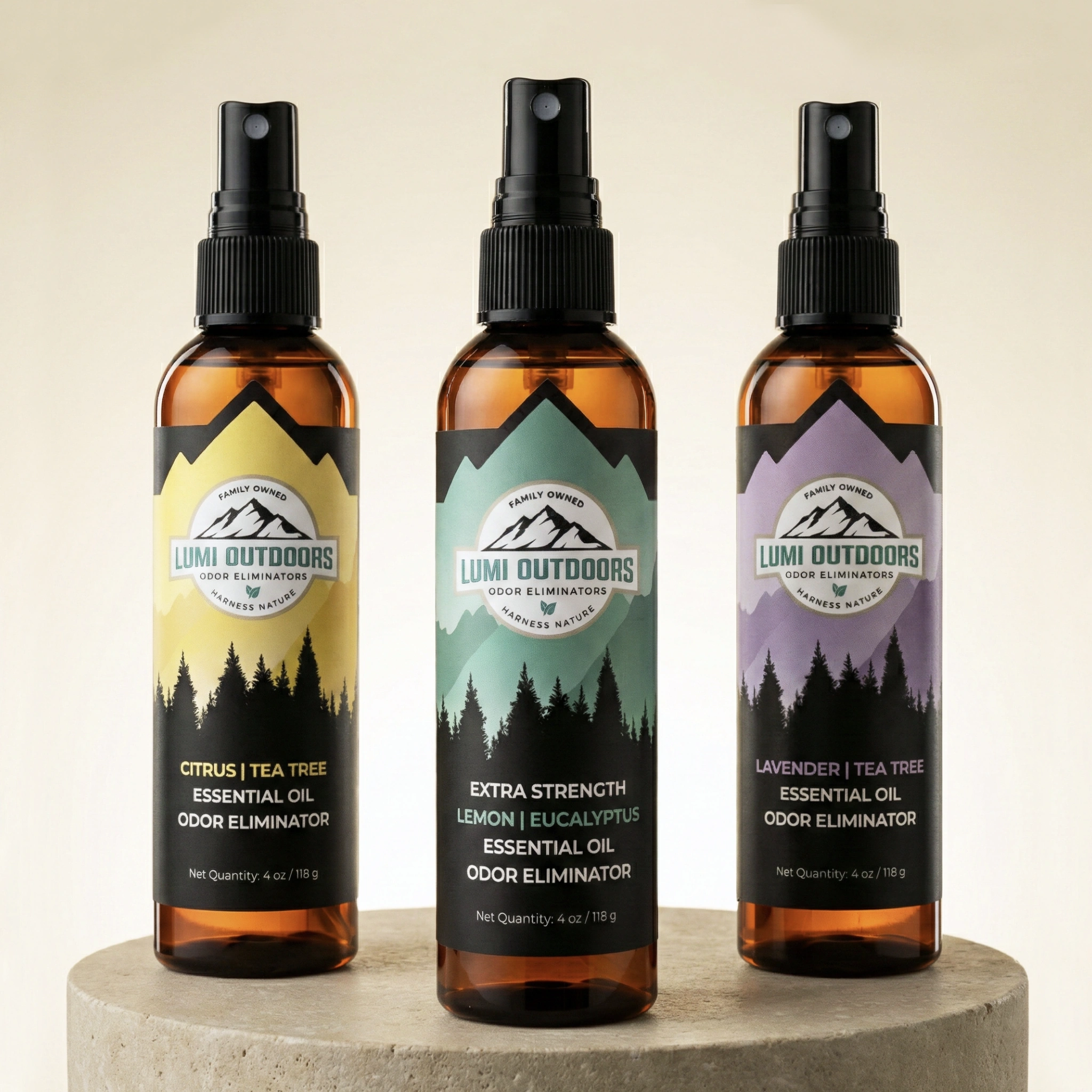
Join 1 Million+ Other People Who Chose Lumi to Conquer Their Shoe Odor.
- THE BEST VALUE: STOCK UP & SAVE
- DISCOVER YOUR FAVORITE SCENT
- PROUDLY FAMILY-OWNED & MADE IN UTAH
- THE "FRESH CONFIDENCE" GUARANTEE