

7 Tips to Deep Clean Rain Gear and Stop Smelly Boots Forever
- The Root Cause Waterproof membranes trap sweat and rain, making moisture the primary cause of boot funk.
- The 1-2 Punch Combine a natural deodorizing spray with moisture-absorbing powder for an overnight fix.
- Safe Drying Always remove insoles and use newspaper to dry boots safely without using damaging heat.

You know that smell. It’s that damp, slightly sour, "something-is-living-in-here" scent that hits you the second you walk through the mudroom. Maybe it’s your daughter’s rain boots after a splashy afternoon, or your husband’s work boots that haven't seen a dry day in a week. It’s frustrating, isn't it? You spend good money on quality gear, only to have it become a biohazard in your own hallway.
But the smell is just the beginning. When your boots stay damp and funky, they actually start to break down faster. The materials rot from the inside out. You’re not just dealing with an embarrassing odor when guests come over; you’re watching your investment literally stink itself to death. If you've ever had to throw away a pair of expensive leather hikers or "waterproof" work boots because the smell wouldn't leave, you know exactly how much that hurts the wallet.
It feels like a losing battle. No matter how many times you dry them by the vent or spray them with those floral-scented aerosols, the funk comes back. It's because those grocery store sprays don't fix the problem; they just put a cheap perfume over a swamp. You need a way to actually clear out the odor and keep it from coming back without ruining the waterproofing or using harsh chemicals.
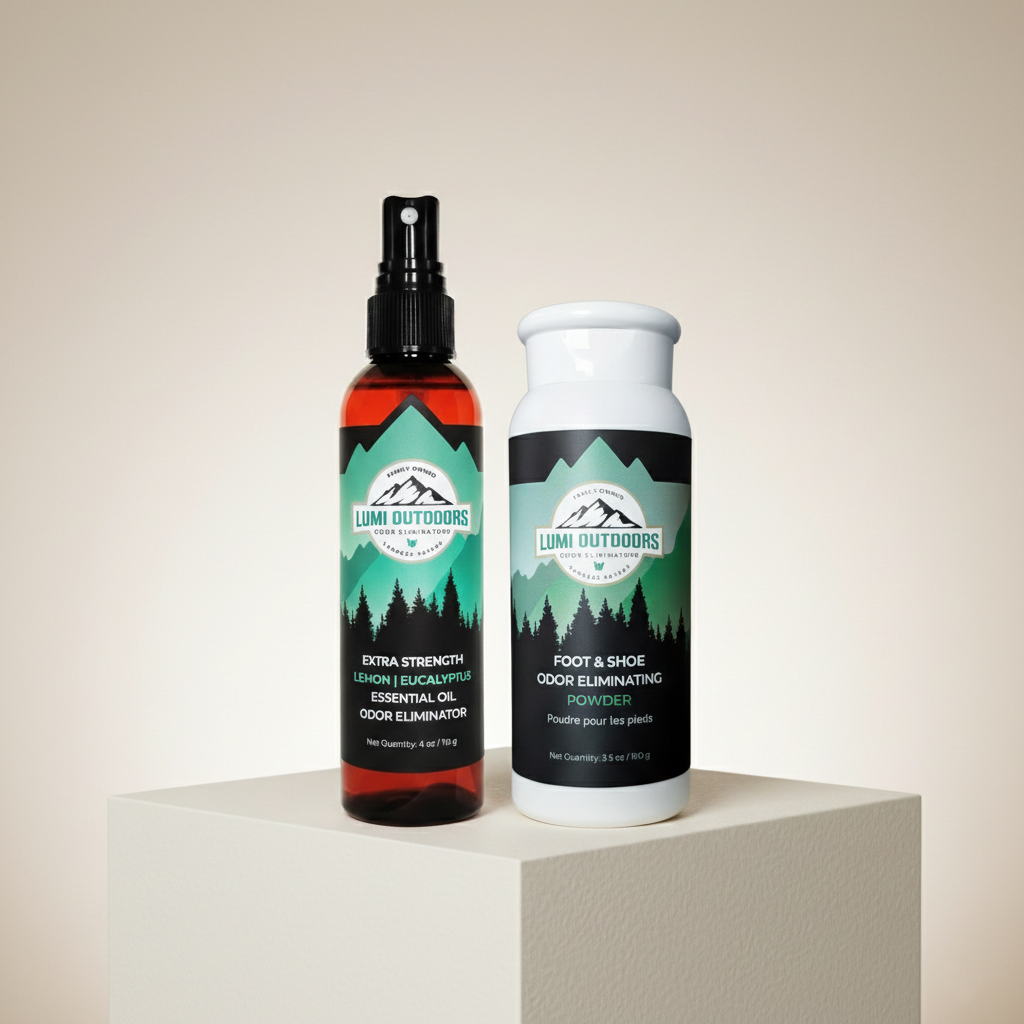
If you want to stop the moisture before it starts and actually save your gear, you need a heavy-duty system that works with the materials, not against them. This is the one we keep by the door:
What You'll Need
- Newspaper for stuffing boots
- Soft-bristled cleaning brush
- Natural Foot Powder and Extra Strength Shoe Deodorizer Spray Check Price →
- Microfiber drying cloth
Why Do My Waterproof Boots Smell So Bad?
Boots smell because moisture from sweat and rain gets trapped inside the waterproof membrane, creating a dark, damp environment where odor-causing particles thrive. Since the gear is designed to keep water out, it also does a great job of keeping moisture in.
It's a bit of a catch-22. The same technology that keeps your feet dry in a puddle is what makes them so smelly later. When you wear rubber boots or treated leather, there is very little airflow. Your feet have thousands of sweat glands, and in a sealed boot, that moisture has nowhere to go. This leads to what's known as bromodosis, or simply, very smelly feet.
And let's be real—the moisture isn't just sweat. Rainwater often carries organic bits from the ground. When that sits in a warm boot for twelve hours? That's a recipe for a scent that could knock a vulture off a gut-wagon. To fix this, we have to look at the cleaning process from the outside in.
What Is the Best Way to Clean the Outside of Rubber Boots?
The best way to clean the exterior of rubber boots is to scrub them with a soft-bristled brush and a mixture of warm water and mild dish soap to remove mud and debris. This prevents dirt from degrading the rubber and keeps the boots flexible.
Don't just hose them off and call it a day. Mud can be surprisingly acidic or alkaline depending on your soil, and it can dry out rubber over time, leading to cracks. Grab a soft-bristled brush and get into those treads. If you leave mud caked on the bottom, it holds moisture against the sole, which eventually seeps into the seams.
Once you’ve scrubbed them, use a microfiber cloth to wipe them bone dry. Leaving rubber boots to air dry while covered in water spots can actually cause "blooming," that white powdery look that makes boots look old and worn out. A quick wipe keeps them looking new and prevents that "garage" smell from taking over.
Don't forget the 'Insole Extraction' trick. Even if the boot feels dry, moisture often hides underneath the removable insole. Pull them out every night to let the footbed breathe, or you'll never truly get rid of the smell.
How Can I Dry the Inside of My Boots Without Damaging Them?

To dry boots safely, remove the insoles and stuff the boots with crumpled newspaper to soak up internal moisture, then place them in a well-ventilated area away from direct heat. Avoid using a hair dryer or radiator, as high heat can warp the boot's shape and ruin the waterproof glue.
I know it’s tempting to throw them on the heater, but please don't. Intense heat is the enemy of waterproof gear. It can make the rubber brittle and cause leather to shrink or crack. Instead, use newspaper for stuffing. Scrunch it up loosely and shove it all the way into the toes. The paper pulls the moisture out of the lining far faster than air alone.
Change the paper every few hours if the boots are truly soaked. While the boots are drying, this is the perfect time to address the "preventative" side of things. If you've ever wondered how to prevent running shoes from smelling with 2 daily tweaks, the secret usually starts with moisture control. For boots, that means using a high-quality powder once they are dry.
We compared our natural spray against the big-brand aerosols you find at the supermarket. The difference isn't just in the smell—it's in the chemistry of how they handle the funk.
| Feature | Lumi Extra Strength Spray | Generic Aerosol Sprays |
|---|---|---|
| Odor Strategy | Neutralizes with natural oils | Masks with synthetic perfume |
| Residue | Clean finish, no buildup | Sticky or powdery film |
| Scent Quality | Fresh Lemon & Eucalyptus | Artificial chemical scent |
What Is the Most Effective Way to Stop Smelly Boots Overnight?

The most effective overnight fix is to spray the interior with a high-strength essential oil deodorizer and then apply a natural foot powder to absorb any remaining dampness. This combination neutralizes existing odors while creating a dry environment that prevents new smells from forming.
If you're in a hurry, you need something that works while you sleep. I personally love the Extra Strength Shoe Deodorizer Spray. You just give each boot two or three quick spritzes. Because it uses peppermint, eucalyptus, and lemon oils, it doesn't just mask the scent; it actually breaks down the stuff causing the smell.
But here’s the secret: don't just spray and walk away. Once the spray has settled for a minute, lighty dust the inside with Natural Foot Powder. This "double-whammy" approach is what professionals use. The spray handles the current problem, and the powder handles the "tomorrow" problem by keeping your feet dry during the next wear.
Should You Wash Boot Insoles in the Washing Machine?
You should generally avoid putting boot insoles in the washing machine because the agitation and heat can cause them to lose their cushioning and shape. Instead, hand-wash them in a sink with mild soap and let them air dry completely before putting them back in the boots.
The insole is where 90% of the odor lives. It’s like a sponge for sweat. If you leave the insole in while the boot dries, the bottom of that insole stays wet for days. Take them out every single time you come home. If they’re really bad, give them a scrub with that microfiber cloth and some soapy water.
For those who struggle with particularly sweaty feet, check out this guide on the 5 best foot powders for sweaty feet. Keeping the insole dry is the single best thing you can do to extend the life of your boots.
How Often Should I Treat My Boots to Prevent Odor?
You should treat your boots with a deodorizing spray after every use and apply foot powder before wearing them to maintain a fresh environment. A deep exterior clean should be done whenever mud is visible to prevent the material from breaking down.
Consistency is key. If you wait until the boots smell like a locker room, you're already behind. Think of it like brushing your teeth—you do it to prevent the problem, not just when you have a cavity. A quick spray when you kick them off takes five seconds but saves you $150 on a new pair of boots later.
Is the natural route perfect? Mostly, but it does require consistency. You can't just spray once and expect it to work for a month. Natural oils are powerful, but they work best when they're part of a routine. Here's the honest breakdown:
- Instantly neutralizes the worst boot smells
- Extends the life of expensive footwear
- No white residue or sticky buildup
- Requires daily application for severe, chronic odors
- Natural scent is strong immediately after spraying
What Is the Best Way to Store Rain Gear to Keep It Fresh?
Store rain gear in a cool, dry place with plenty of airflow, never in a sealed plastic bin or a dark, cramped closet while still damp. Using cedar shoe trees or boot shapers can help maintain the shape and absorb any lingering moisture during storage.
If you toss your wet raincoats and boots into a pile in the corner, they will smell. Period. Hang the coats on wide hangers and keep the boots upright. If you have tall boots that like to flop over, use empty wine bottles or pool noodles to keep them standing up. This allows air to circulate all the way to the toe. When you treat your gear with respect, it treats your feet with respect.
At the end of the day, having a fresh home shouldn't be a chore. With the right routine and a few natural tools, you can keep the "outside" smells where they belong—outside.
Ready to stop the boot funk for good?
Join 1 Million+ Other People Who Chose Lumi to Conquer Their Shoe Odor.
- THE ULTIMATE 1-2 PUNCH AGAINST ODOR
- A COMPLETE KIT FOR SHOES, BAGS & GEAR
- PROUDLY FAMILY-OWNED & MADE IN UTAH
- THE "FRESH CONFIDENCE" GUARANTEE