
Why Scrubbing Doesn't Work: The Real Reason Why Shoes Smell Bad
- Surface Cleaning Isn't Enough Scrubbing only cleans the surface while odors live deep in the foam and fabric layers.
- The Science of Funk Sweat interacting with skin bacteria creates organic compounds that require neutralization, not just masking.
- Plant-Based Power Natural essential oils like tea tree and lemon effectively break down odor molecules without toxic chemicals.

I’ve been there. You walk into the mudroom after a long day, and it hits you like a physical wall. That "funky" scent. It’s a mix of wet dog, old gym socks, and something else you can’t quite name. If you have kids in sports or a partner who wears work boots for twelve hours a day, you know exactly what I’m talking about. It’s the kind of smell that makes you want to apologize to any guest who steps foot in your house.
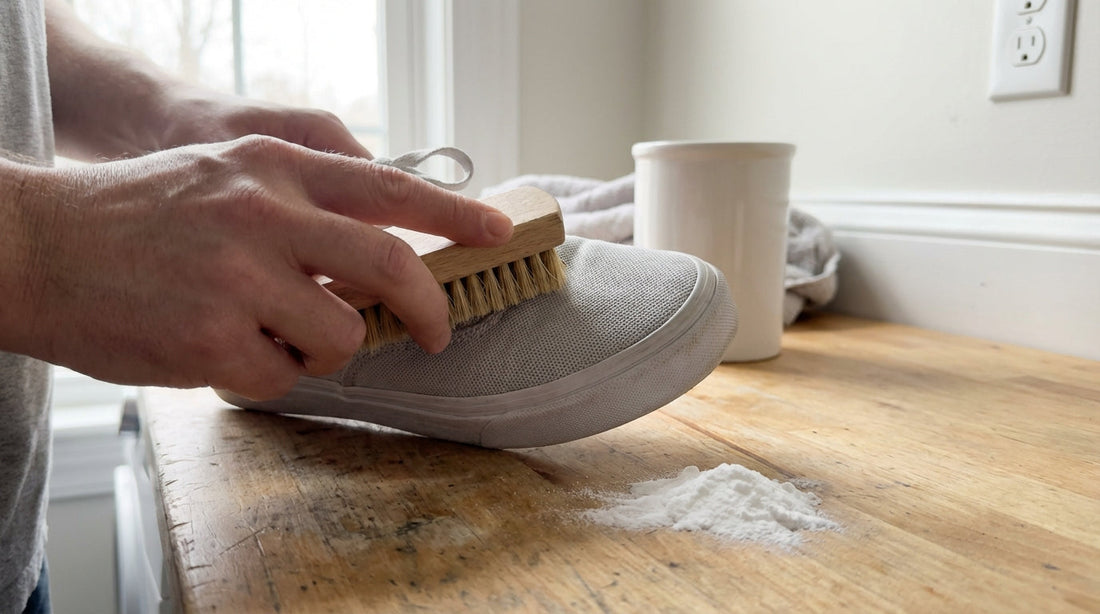
Naturally, your first instinct is to grab a brush and some soapy water. You scrub those sneakers until your arms ache. You might even toss them in the washing machine, hoping a heavy-duty cycle will do the trick. But then, a day later, the smell is back. It’s frustrating, right? You’ve put in the work, but the shoes still smell like they’ve been living at the bottom of a swamp.
The truth is, scrubbing often fails because it only touches the surface. We’re dealing with a biological problem that requires a biological solution, not just elbow grease. Let’s look at why your shoes are holding onto those odors and how you can actually fix it without ruining your favorite pair of boots.
Why Do Shoes Smell Even After You Wash Them?
Shoes smell after washing because standard detergents often fail to reach the deep, porous layers of foam and fabric where odor-causing organic compounds live. Moisture left behind after washing can actually provide a breeding ground for more odor if the shoes aren't dried perfectly.
Think about the construction of a modern running shoe or a work boot. They aren't just flat pieces of leather. They are made of layers—mesh, foam, liners, and insoles. When you sweat, that moisture carries organic material deep into these layers. Scrubbing the outside is like cleaning the front door of a house when the kitchen is messy; it looks better for a second, but the problem is still inside.
And here’s a tip I learned the hard way: if you don’t get them 100% dry within a few hours of washing, you’re just inviting more trouble. That damp, dark environment inside a wet shoe is exactly where the funk likes to grow. This is why you'll often find that washing hockey skates or heavy cleats in a machine usually ends in disaster—it damages the glue and rarely solves the scent problem.
You don't need a chemistry degree to fix this. You just need the right tool that works with nature, not against it.
What You'll Need
- Old newspaper (for moisture)
- Baking soda (for pH balance)
- Extra Strength Shoe Deodorizer Spray Check Price →
- Soft-bristled shoe brush (to clear debris)
What Is the Science Behind Foot Odor?
Foot odor, scientifically known as bromodosis, is caused by the interaction of sweat and the natural bacteria that live on your skin. As these organisms consume the sweat, they produce isovaleric acid, which creates the distinct pungent aroma we associate with smelly feet.
We all have sweat glands on our feet—thousands of them, actually. In fact, our feet have more sweat glands per inch than any other part of the body. Sweat itself doesn't actually have a scent. It's just salt and water. The problem starts when that sweat gets trapped in your socks and shoes. For more on the clinical side of this, you can read about bromodosis to see just how common this is.
When those organisms on your skin start breaking down the sweat, they release gases. It’s those gases that create the "cheese" or "vinegar" smell. Because your shoes are dark, warm, and often damp, they become a literal factory for these scents. This is why even "clean" people can have incredibly smelly shoes; it’s just biology doing its thing in a confined space.
Why Doesn't Scrubbing Work to Remove Shoe Smell?

Scrubbing fails because friction alone cannot neutralize the chemical compounds produced by organic growth. While it might remove surface dirt, it doesn't address the microscopic source of the odor embedded within the shoe's fibers.
I used to think that if I just used more soap, I could "wash away" the smell. But soap is designed to lift dirt and oil, not necessarily to neutralize complex organic odors. When you scrub, you’re mostly just moving things around. In some cases, you might even be pushing the moisture deeper into the padding, making it harder to dry out later.
Here is how to actually treat the shoe if you insist on a manual clean:
- Clear the debris: Use a soft-bristled shoe brush to remove dried mud or dust. This prevents you from rubbing dirt into the fabric.
- The pH balance trick: Instead of harsh soaps, try a light dusting of baking soda. It helps balance the pH levels, making the environment less friendly for odors.
- Moisture extraction: After any cleaning, stuff the shoes with old newspaper. The paper is surprisingly good at pulling moisture out of those deep foam layers that air-drying misses.
Don't leave smelly shoes in the sun to dry; UV rays can damage adhesives. Instead, stuff them with newspaper to pull moisture from the inside out, then use a natural spray once they are dry to keep them fresh.
How Can You Stop Shoe Odor Naturally Without Harsh Chemicals?

The most effective way to stop shoe odor naturally is by using essential oils like tea tree, peppermint, and eucalyptus, which neutralize odors at the molecular level. These plant-based ingredients break down the scent without leaving behind the toxic residue found in traditional aerosols.
A lot of the sprays you find at the grocery store are just heavy perfumes. They try to mask the smell with a "fresh linen" scent that eventually mixes with the foot odor to create something even worse. You know that smell—the "mountain breeze" mixed with "sweaty cleat." It's not an improvement.
Instead, look for ingredients that actually work. Tea tree oil is famous for its ability to clean and refresh, while citrus oils like lemon and orange naturally break down the oils that trap odors. If you prefer a more spa-like scent that doesn't scream "cleaning product," the Natural Lavender Tea Tree Shoe Deodorizer Spray is a fantastic choice for everyday shoes. It’s gentle but gets the job done.
We compared our natural spray against the big-brand aerosols. The difference isn't just in the smell—it's in the chemistry.
| Feature | Lumi Outdoors Natural Sprays | Standard Aerosol Sprays |
|---|---|---|
| Odor Neutralization | Uses essential oils to break down smells | Masks odor with heavy perfumes |
| Ingredients | 100% Plant-based, no harsh chemicals | Contains butane, isobutane, and alcohol |
| Scent Profile | Natural Lemon, Lavender, or Eucalyptus | Synthetic, chemical 'laundry' smells |
What Are the Best Habits to Keep Shoes Smelling Fresh?
Maintaining fresh shoes requires a combination of moisture management and consistent odor treatment, such as rotating your footwear every 24 hours and using a high-quality deodorizer immediately after use. This prevents the buildup of organic compounds that lead to permanent odors.
As a parent, I know that getting a teenager to care about "shoe maintenance" is a tall order. But a few simple habits can save you hundreds of dollars in replaced footwear. First, never wear the same pair of shoes two days in a row if you can help it. They need a full 24 hours to "breath" and let the moisture evaporate. If your kids play sports, having two pairs of cleats to rotate is a lifesaver.
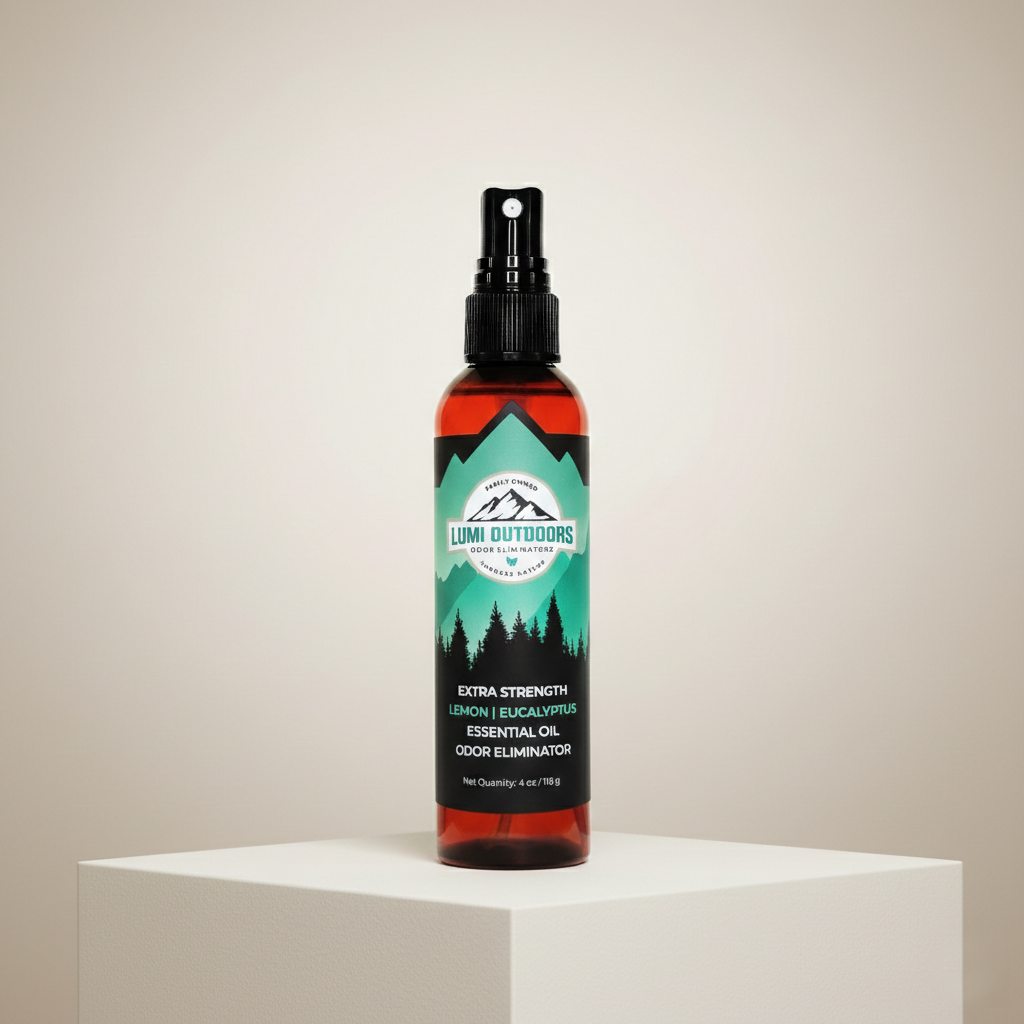
Second, treat the source. Using something like the Extra Strength Shoe Deodorizer Spray immediately after a workout or a shift at work stops the odor from setting in. It’s much easier to prevent a smell than it is to dig one out of a boot that's been funky for six months. For those dealing with heavy perspiration, you might want to look into the best foot powders for sweaty feet to stop the moisture before it even hits the shoe liner.
When Should You Throw Away Smelly Shoes?
You should consider discarding shoes when the odor is accompanied by structural breakdown or if the smell persists even after multiple professional-grade treatments. Once the inner foam layers have degraded, they can trap moisture permanently, making them impossible to fully refresh.
I hate throwing things away, especially expensive work boots or high-end runners. But sometimes, the battle is lost. If you've tried the newspaper trick, used a high-strength natural spray, and let them air out in the sun, and they *still* smell like a locker room, the material itself might be breaking down. Over time, sweat and friction can actually rot the interior linings. At that point, it’s not just a smell issue; it’s a hygiene and foot health issue.
Is the natural route perfect? Mostly, but it does require consistency. Here's the honest breakdown:
- Uses high-concentration essential oils that actually work
- Completely free from butane and toxic propellants
- Costs less than replacing a single pair of sneakers
- Leaves a clean, natural scent that doesn't smell like a hospital
- Requires daily application for the most severe cases
- Not an instant fix for shoes with rotted inner linings
At the end of the day, having a home that smells fresh shouldn't feel like a full-time job. You don't need to spend your weekends scrubbing shoes with a toothbrush. By understanding that shoe odor is a moisture and biological problem—not just a dirt problem—you can work smarter. Use natural ingredients that actually neutralize the scent, keep things dry, and you’ll finally be able to walk into your mudroom without holding your breath.
Ready to eliminate shoe odor for good?
Join 1 Million+ Other People Who Chose Lumi to Conquer Their Shoe Odor.
- DESTROYS ODOR AT THE SOURCE, DOESN'T JUST MASK IT
- ALL-NATURAL & PLANT-BASED INGREDIENTS
- PROUDLY FAMILY-OWNED & MADE IN UTAH
- THE "FRESH CONFIDENCE" GUARANTEE