
The Baking Soda Trap: Why Your DIY Shoe Fix is Destined to Fail
- It's a mask, not a fix Baking soda neutralizes surface odor molecules for 24-48 hours but never reaches the bacteria living deep in your shoe's foam layers.
- The chemistry works against you Some odor-causing bacteria tolerate alkaline environments, so baking soda's pH shift isn't the deterrent most people assume it is.
- Liquids beat powders every time Spray-based treatments with essential oils penetrate porous foam and textile fibers to reach bacteria at depth — dry powders physically cannot.

Baking soda absorbs some moisture and neutralizes acidic odor molecules on the surface of your shoe — but it does not reach the bacteria living in the foam layers beneath your insole, which means the smell comes back within hours or days. The internet has been recommending this hack for decades because it's cheap and provides a real (if brief) scent improvement. The problem is that the root cause — a thriving bacterial colony — is still in there, completely untouched.
Here's exactly why baking soda falls short chemically, what it can actually do to your shoes over time, and what works instead.
Does the Baking Soda Shoe Odor Hack Actually Work?
It works for about 24-48 hours. Baking soda (sodium bicarbonate) is mildly alkaline with a pH of around 8.3, which temporarily neutralizes the acidic compounds — isovaleric acid, butyric acid — that make shoes smell sour. But it sits on the insole surface and never penetrates the foam or mesh where bacteria actually live.
So yes, you'll notice a difference the morning after you sprinkle some in. Your shoes will smell cleaner, maybe even close to fresh. That's real chemistry doing real work. But "surface neutralization" and "odor elimination" are two very different things, and DIY forums rarely bother to explain the gap between them.
Shoe odor is bromodosis — a bacterial metabolic process, not a stain you can blot away. The bacteria producing those volatile fatty acids are embedded in the foam core of your midsole, woven into the mesh lining, and colonizing the stitching seams. A powder sitting on top of your insole is as useful as putting an air freshener in a room with a leaky sewer pipe. Smells better. Problem isn't solved.
Why Does Baking Soda Fail the Chemistry Test?
Baking soda is a solid powder with a mild alkaline pH that cannot penetrate porous foam or textile fibers. The bacteria causing shoe odor — primarily Brevibacterium and Staphylococcus epidermidis — live millimeters below the insole surface, completely unreachable by a dry powder sitting on top.
There's a deeper irony here that most people miss. Some odor-causing bacteria are actually facultative alkaliphiles — they function just fine in slightly alkaline environments. Research published through the American Society for Microbiology has documented Brevibacterium strains thriving at pH levels well above 8. So that alkaline environment you're creating with sodium bicarbonate? For some bacteria, it's barely an inconvenience.
The penetration problem is the bigger issue. Your shoe's midsole is a multi-layer system: a textile liner, compressed foam (usually EVA or polyurethane), and sometimes a secondary foam layer beneath. Sweat soaks through all of it. Bacteria follow the moisture and set up colonies at depth. A dry powder physically cannot flow into those layers — it stays where you put it, on the surface, absorbing a small fraction of ambient moisture and doing nothing to the source of the smell.
Think of it this way: baking soda treats the symptom (surface pH, ambient moisture) while leaving the cause (bacterial colonization at depth) completely alone. The smell always comes back because nothing actually changed below the surface. This is the same reason freezing your shoes doesn't work either — it temporarily suppresses bacteria without eliminating them.
Don't shake the baking soda out before you put your shoes on — shake it out the night before and let the shoe air for at least an hour. Residual powder that mixes with morning foot sweat forms an alkaline paste in the foam seams that is genuinely harder to remove than the original odor problem, and it accelerates moisture retention on the next wear.
What Can Baking Soda Actually Do to Your Shoes?
Over time, baking soda can dry out leather insoles, cause cracking, and leave a gritty powder residue that mixes with future sweat to form a paste — one that's harder to clean and actually traps more moisture in the shoe's foam layers.
The grit factor is underappreciated. Sodium bicarbonate is a mild abrasive — it's literally in toothpaste for a reason. Repeated use inside a shoe means that abrasive powder is working against your sock liner and the textile lining of your shoe with every step. Over months, that wears down the inner finish of mesh sneakers and softens the structure of fabric liners faster than normal use would.
Leather is the bigger victim. Sodium bicarbonate draws moisture aggressively — that's partly what makes it useful for odor absorption. But leather insoles and leather-lined dress shoes or boots need a certain moisture balance to stay supple. Regular baking soda application accelerates drying, which leads to stiffness and eventually cracking. If you've got expensive leather work boots, the chemistry of what you put inside them matters more than most guides admit.
And then there's the paste problem. Residual baking soda powder that isn't shaken out completely absorbs the next round of sweat and forms a dense, alkaline paste in the seams and foam crevices. This crust is a perfect moisture trap — it holds humidity against the foam for longer than a clean shoe would, which actually accelerates bacterial growth between wearings. You've essentially built a bacterial spa.
What Actually Eliminates Shoe Odor Instead of Masking It?

Liquid-based treatments — particularly sprays containing essential oils like lemon eucalyptus — penetrate foam and textile fibers to reach bacteria at depth. Paired with a drying method (cedar shoe trees, newspaper, or a 24-hour rotation cycle), this approach addresses both the moisture source and the bacterial colony causing the smell.
The mechanism is straightforward. A liquid carrier (water or alcohol) gives active ingredients the ability to flow into porous foam. Essential oils like eucalyptus (specifically p-cymene and eucalyptol compounds) disrupt bacterial cell membranes on contact. This is why liquid sprays outperform dry powders for persistent odor — not because they smell stronger, but because they actually get where the problem is.
For a free option that actually works better than baking soda alone: stuff your shoes tightly with crumpled newspaper after each wear. Newspaper absorbs moisture more effectively than powder by wicking it out of the foam layer through capillary action. Leave it overnight. Combined with rotating your shoes every 24-48 hours — a tip consistently recommended by the American Podiatric Medical Association for odor and foot health — you'll significantly slow bacterial regrowth without buying anything.
Cedar shoe trees are the next step up. They're humidity regulators, not just shape-keepers — cedar wood absorbs moisture and releases cedar oil, which has its own mild odor-suppressing properties. They're a one-time purchase that pays off across years of use.
For shoes with persistent or severe odor — cleats, work boots, gym shoes worn daily — Lumi's Extra Strength Shoe Deodorizer Spray is worth keeping in your rotation; a few spritzes at night, shoes left open to air out, and the lemon eucalyptus scent fades to neutral within about 10-15 minutes. For a deeper look at what actually works long-term, the approach pro athletes use goes further than any single product or DIY hack.
One product worth mentioning as a genuine alternative: Dr. Scholl's Odor-X uses activated charcoal, which works well for passive overnight deodorizing in shoes that aren't heavily contaminated. It's a solid option if your odor problem is mild and you prefer an insert format over a spray.
The practical protocol: spray or insert a cedar tree at night, let shoes air out for at least 12 hours before rewearing, and rotate between two pairs if possible. That combination handles roughly 90% of household shoe odor problems without baking soda ever entering the picture. Start tonight — leave both pairs out of the closet with cedar trees in, and check the difference by morning.
Ready to stop the smell from coming back tomorrow?
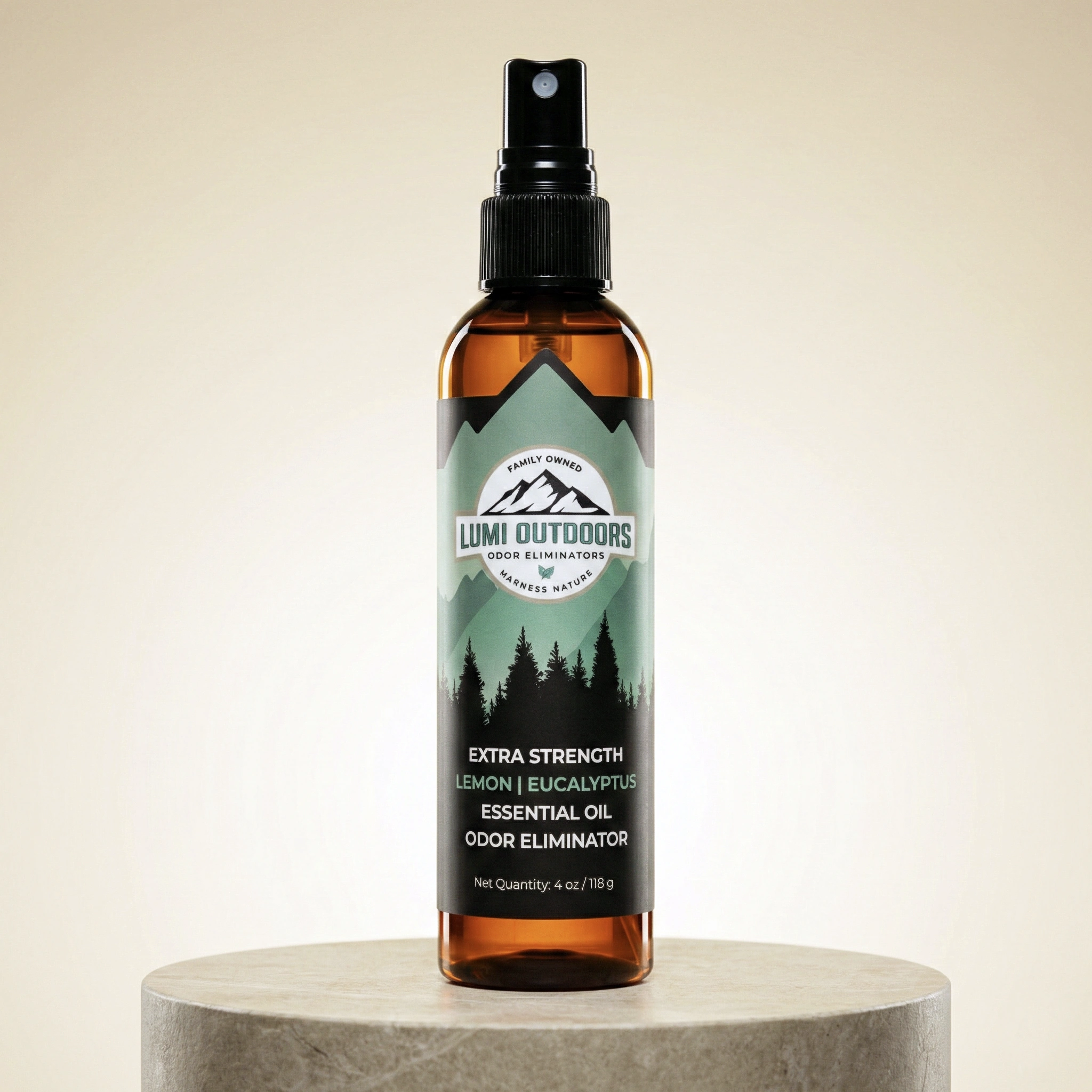
Join 1 Million+ Other People Who Chose Lumi to Conquer Their Shoe Odor.
- DESTROYS ODOR AT THE SOURCE, DOESN'T JUST MASK IT
- ALL-NATURAL & PLANT-BASED INGREDIENTS
- PROUDLY FAMILY-OWNED & MADE IN UTAH
- THE "FRESH CONFIDENCE" GUARANTEE