
Will Rubbing Alcohol Damage Leather Shoes? We Finally Settled the Debate
- Yes, it causes real damage Rubbing alcohol strips leather's protective finish and pulls out the natural oils that keep it flexible, leading to dullness, stiffness, and cracking.
- Recovery is possible but not guaranteed If you've already used alcohol on leather, apply a quality leather conditioner within 24 hours and repeat for several days to restore lost moisture.
- Safer options exist Cedar shoe trees, baking soda sachets, and plant-based deodorizer sprays tackle odor without putting your leather at risk.

Yes — rubbing alcohol will damage leather shoes. It's a solvent and a desiccant, which means it strips the protective finish off the surface and pulls moisture out of the hide underneath. You'll usually see it first as a dull, patchy discoloration where the top coat has been lifted. The damage underneath takes a little longer to show up, but when it does — stiffness, cracking, peeling — it's permanent.
If you've already used alcohol on your leather shoes, don't panic. There's a recovery path. But if you're weighing it as an option right now, put the bottle down. There are safer ways to handle whatever problem you're trying to solve, whether that's odor, a stain, or sanitization. Here's everything you need to know.
Why Does Rubbing Alcohol Damage Leather Shoes in the First Place?
Leather is an organic, porous material that stays flexible because of natural fats and oils locked into its fibers during the tanning process. Isopropyl alcohol is a degreaser — it chemically breaks down those fats, leaving the leather brittle, dry, and structurally compromised.
Think of leather like your own skin. If you washed your hands with straight rubbing alcohol every day, they'd crack and bleed within a week. The mechanism is almost identical. Leather gets its suppleness from lipids — fats — that are introduced during tanning. Alcohol dissolves those lipids. No lipids means no flexibility. No flexibility means cracks.
There are two layers of damage to understand:
- The factory finish (top coat): Most leather shoes have a clear lacquer or wax coating that protects the hide. Alcohol cuts through this almost immediately. You'll see it as a dull, uneven patch — like a water stain that won't buff out.
- The hide itself: Under that finish, the leather's own oils are being stripped. This damage is slower but worse. Over days or weeks, the area dries out, loses elasticity, and eventually cracks along stress lines like the toe box or the side of the vamp.
And here's something most people don't know: the concentration matters less than you'd think. Yes, 91% isopropyl is more aggressive than 70% — but both are damaging to high-quality leather. The 70% formula is sometimes diluted for use on very resilient synthetics, but on genuine leather? It's still a risk not worth taking.
Does the Type of Leather Change the Risk?
Yes, but not enough to make alcohol safe. Full-grain leather — the highest quality — is the most vulnerable because it retains more natural oils. Corrected-grain and bonded leather have more surface processing, but alcohol can still lift the coating and cause delamination.
Full-grain leather (think quality dress shoes or premium work boots) has an open pore structure. Alcohol soaks in fast. The damage is deep and immediate. Corrected-grain leather has been sanded and coated more heavily, so the top coat takes the hit first — but once it's gone, the underlying hide is just as vulnerable. Bonded leather, which is basically leather scraps glued together, is probably the most forgiving of the three — but it's also the least durable to begin with, so it's not a meaningful win.
Suede and nubuck are their own category. Both are essentially the underside of the hide, with a brushed, napped texture. Alcohol on suede or nubuck doesn't just dull the finish — it mats the fibers permanently and can leave dark, permanent tide marks. If you've got suede boots in the mix, the answer is an even harder no.
When conditioning leather after any solvent exposure, warm the conditioner slightly in your hands before applying — body heat makes the oils thinner and helps them penetrate the hide more deeply. Cold conditioner sits on the surface and evaporates before it can do much good. This is especially true for stiffer, thicker leathers like work boot uppers.
What Should You Do If You've Already Used Alcohol on Leather?

Act fast. The goal is to reintroduce moisture and oils before the leather dries out completely. A quality leather conditioner applied within the first 24 hours can reverse most of the surface damage, though deep structural drying may take repeated treatments.
Here's the recovery plan, step by step:
- Wipe the area with a damp cloth to remove any alcohol residue still sitting on the surface. Don't scrub — just blot.
- Apply a leather conditioner immediately. Products with lanolin, mink oil, or neatsfoot oil work best for replenishing the lipids that alcohol strips out. Work it in with a soft cloth in circular motions and let it absorb for at least 30 minutes.
- Repeat for 2-3 days. One application usually isn't enough. The leather needs consistent moisture restoration, not a one-time fix.
- Buff gently with a clean cloth once the conditioner has absorbed fully. If the finish still looks patchy or dull, a leather polish in a matching color can help blend the area.
What won't work: trying to fix the dullness with more product before the conditioner has had time to absorb. You'll just seal in the dryness.
How Should You Actually Deodorize Leather Shoes Safely?
The safest approach for leather is a pH-balanced, plant-based spray that neutralizes odor at the source without introducing harsh solvents or excess moisture. Cedar shoe trees, baking soda packets, and essential oil-based sprays are all effective and leather-safe.
Odor in leather shoes is caused by bacteria feeding on sweat and dead skin cells inside the shoe — mostly in the insole and lining, not the leather upper itself. So you don't need to spray the leather at all. Target the inside.
Here's what actually works:
- Cedar shoe trees: Insert them after every wear. Cedar is naturally porous and absorbs moisture while releasing a light, clean scent. Over time, they help the shoe hold its shape and dry out properly between wears. This is the single most underused tool in shoe care.
- Baking soda packets (not loose powder): Loose baking soda can work its way into the leather's pores and is hard to fully remove. Small sachets are cleaner, safer, and just as effective at absorbing odor overnight.
- A plant-based deodorizer spray: If the odor is persistent and the cedar and baking soda aren't cutting it anymore, a natural spray is the move. The Extra Strength Shoe Deodorizer by Lumi Outdoors uses a lemon and eucalyptus essential oil formula that tackles odor without the solvents that ruin leather — spray it into the insole, not on the upper, and let it dry completely.
One thing worth avoiding: aerosol air fresheners. They're not designed for shoes and the propellants can interact badly with leather finishes. There's a whole breakdown on why that goes wrong over at Stop Spraying Your Shoes! Why Air Freshener Causes a Chemical Rash — worth a read if you've been reaching for the Febreze.
If you're dealing with work boots specifically, the odor situation tends to be more severe. Long hours, heavy sweat, and limited ventilation make work boots a different beast. These 7 Natural Stinky Work Boots Remedy Hacks are practical and tested for exactly that scenario.
Is There Ever a Situation Where Alcohol on Leather Is Acceptable?
Rarely — and only as a last resort for specific stain removal on shoes you're willing to risk damaging. Even then, it should be heavily diluted, spot-tested first, and immediately followed by conditioning. Never use alcohol for routine cleaning or odor control on leather.
The one scenario where experienced cobblers sometimes reach for a diluted alcohol solution is ink stains on smooth leather — and even they describe it as a calculated gamble. The protocol, if you're in that situation:
- Mix isopropyl alcohol with water at a 1:3 ratio (one part alcohol to three parts water)
- Test on a hidden area — inside the tongue or under the tongue flap — and wait 10 minutes
- If the test area looks unchanged, apply the smallest possible amount to the stain with a cotton swab — don't saturate
- Condition the area immediately after and allow it to dry naturally away from heat
But for sanitizing shoes? Skip the alcohol entirely. UV shoe sanitizers work without any liquid contact. For odor, a natural spray like the one linked above does the job without the risk. And if you're curious why baking soda alone often falls short of expectations, this breakdown on baking soda vs. tea tree oil explains the chemistry in plain terms.
The short version: alcohol and leather coexist badly. There's almost always a better tool for whatever you're trying to accomplish.
Want to freshen leather shoes without the risk of wrecking them?
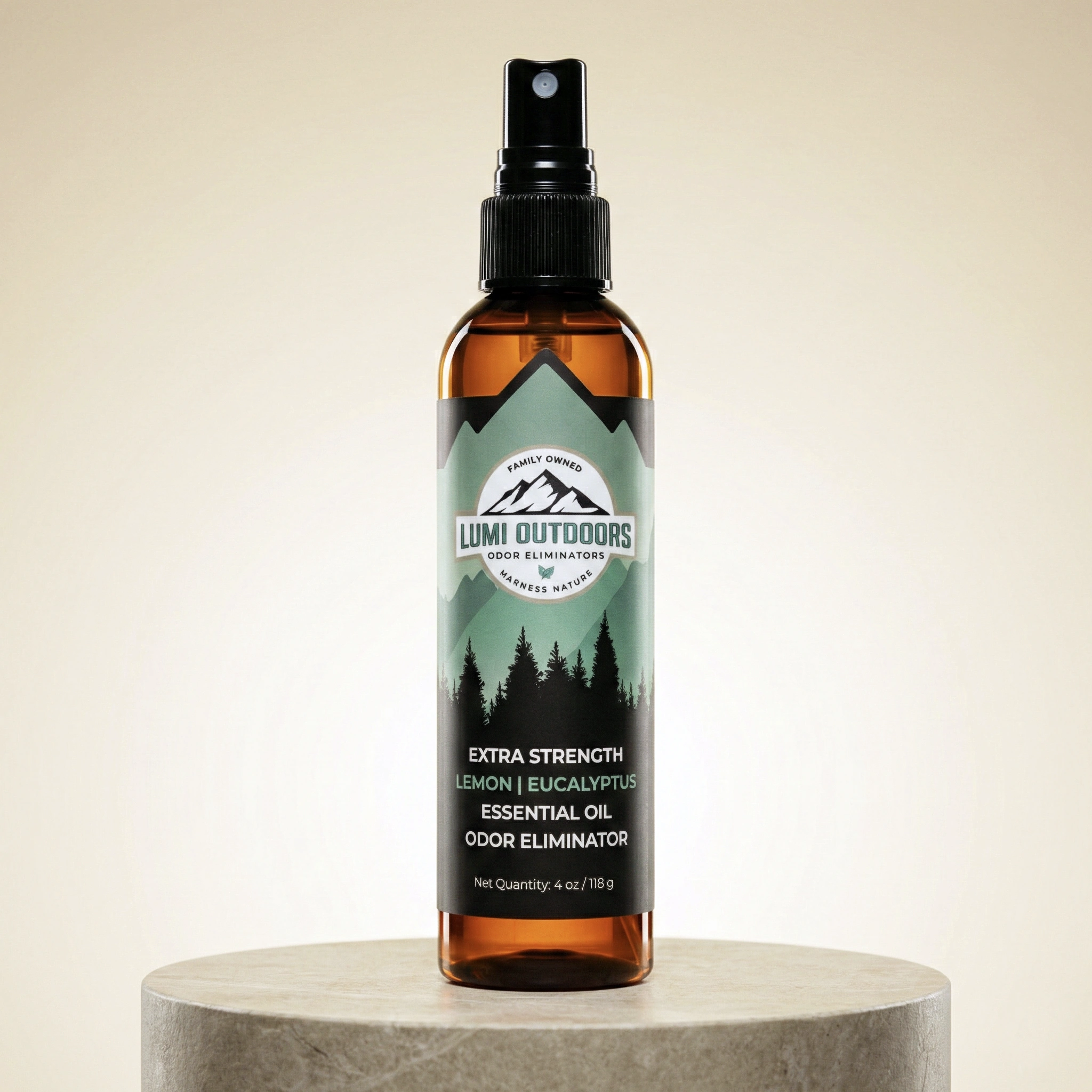
Join 1 Million+ Other People Who Chose Lumi to Conquer Their Shoe Odor.
- DESTROYS ODOR AT THE SOURCE, DOESN'T JUST MASK IT
- ALL-NATURAL & PLANT-BASED INGREDIENTS
- PROUDLY FAMILY-OWNED & MADE IN UTAH
- THE "FRESH CONFIDENCE" GUARANTEE