
The One Natural Hack That Changes How You Clean Wrestling Shoes
- The Smell Is a Moisture Problem Wrestling shoes trap sweat with almost no airflow, and that moisture is what feeds odor-causing bacteria between practices.
- Chemical Sprays Damage the Grip Sole Harsh aerosols and bleach-based products degrade the specialized rubber compound in wrestling shoe soles, reducing traction and shortening the shoe's life.
- Consistency Beats Intensity A quick botanical spray routine after every single practice does more than one deep-clean every two weeks—because it stops the odor before it embeds.

Why Do Wrestling Shoes Smell So Much Worse Than Regular Sneakers?
Wrestling shoes trap odor faster than almost any other athletic footwear because they're designed to grip the mat—a surface shared by dozens of sweating athletes every single day. The tight, low-profile construction holds moisture close to the foot with almost no airflow to release it.
You've probably noticed it the second your kid kicks off their shoes at the front door. That smell isn't just sweat. It's sweat that's been cooking inside a dense, form-fitting shoe for two hours while your wrestler was grinding away on a mat that's seen every other athlete at the tournament.
Regular sneakers have air pockets, mesh panels, and thick cushioning that at least gives moisture somewhere to go. Wrestling shoes don't. They're built for feel and grip—not breathability. The sole is thin, the upper hugs the foot, and the result is a sealed, warm, moist environment that's a dream for odor-causing bacteria.
There's also the mat itself. The CDC has long flagged shared athletic surfaces as a vector for skin infections in contact sports. Every time your athlete steps on that mat, their shoes pick up whatever's been left behind by every other pair of feet that day. That sweat and bacteria get pressed into the sole and the shoe's interior with every takedown and sprawl.
And here's the kicker: most parents have no idea the smell is just the symptom. The real problem is moisture that never fully dries out between practices.
What Happens If You Ignore Wrestling Shoe Odor Too Long?

Ignoring persistent shoe odor from wrestling footwear leads to material breakdown, permanent staining of the interior lining, and a smell that embeds so deep no surface spray will ever reach it. At that point, replacement is the only option.
Let's be honest about what "letting it go" actually costs you.
A decent pair of wrestling shoes runs $60 to $150. Some of the competition-grade ones go higher. And if your kid is serious about the sport, you know that's not a one-time purchase—shoes wear out, sizes change, and you're back at the register every season or two.
But here's what shortens that lifespan faster than anything: moisture that never dries. When bacteria colonize the interior lining of a shoe and stay there, they break down the foam and stitching from the inside. The shoe starts to feel stiff and dead. The grip sole starts to separate. What should last a full season falls apart by February.
And socially? Parents at tournaments notice. Coaches notice. The kid in the locker room whose gear clears out a corner—that's a real thing, and no teenager wants to be that person.
The frustrating part is that most families try to fix it and fail. Baking soda gets sprinkled in. Dryer sheets get stuffed inside. The shoes sit in the garage with the door cracked. And the smell comes right back after the next practice because none of those methods actually address what's happening inside the shoe. They just mask or temporarily absorb—they don't neutralize.
The same frustration shows up with hockey skates and football cleats too. If you've been dealing with that cycle, this guide on stopping youth cleat stink covers the same root problem from a different angle.
Most parents spray their wrestler's shoes when they notice the smell—but the real window is the first 15 minutes after the shoe comes off, while the interior is still warm. Heat opens the material's pores slightly, and a botanical spray applied in that window penetrates deeper and neutralizes more odor per spritz than the same spray applied to a cold, dry shoe hours later. Make it part of the ride-home routine: shoes off, spray in, trees in by the time you get to the front door.
If your plant-based solution isn't doing enough for the really severe cases, you may need extra strength. That's what Lumi's Extra Strength Shoe Deodorizer Spray is built for—and why it's the right tool to grab before you reach for anything harsher.
If your wrestler's shoes have reached the point where the smell is genuinely bad—not just "needs airing out" but actually offensive—you need something stronger than a home remedy. You need a botanical spray that neutralizes at the source, not just on the surface.
What You'll Need
- Microfiber cloths (for wiping down the grip sole)
- Cedar shoe trees (to pull moisture out overnight)
- Extra Strength Shoe Deodorizer Spray Check Price →
- Mesh gear laundry bag (to separate shoes from other gear)
Why Do Chemical Disinfectants Actually Make Wrestling Shoes Worse?
Harsh chemical sprays—bleach solutions, strong aerosol disinfectants, and alcohol-based products—break down the specialized rubber compounds in wrestling shoe grip soles over time, reducing traction and shortening the shoe's functional lifespan.
This is the part most cleaning guides skip entirely, and it matters a lot for wrestling specifically.
The sole of a wrestling shoe isn't like a running shoe. It's engineered with a specific rubber compound that provides grip on the mat without marking the surface. That grip is part of the shoe's performance, not just its durability. Rubber compounds are sensitive to oxidizing agents—which is exactly what bleach and many chemical disinfectant sprays are.
So here's what happens: you spray the sole with a harsh chemical to clean it, it smells better for a day, but each treatment is slowly degrading the rubber's flexibility and grip. After enough treatments, the sole gets brittle and slick. On a mat, that's not just an equipment problem—it's a performance problem.
The same goes for the interior. Most wrestling shoe uppers are synthetic leather or coated mesh—materials that react badly to repeated alcohol exposure. They dry out, crack, and lose the form-fitting feel that makes the shoe work in the first place.
We tested our natural spray against the big-brand aerosol disinfectants on the same pair of shoes over six weeks. The difference wasn't just in the smell—it was in what happened to the material itself:
| Feature | Extra Strength Shoe Deodorizer Spray | Chemical Aerosol Disinfectant |
|---|---|---|
| Odor Neutralization | Neutralizes at molecular level with plant enzymes | Masks odor temporarily with fragrance |
| Safe on Grip Soles | Yes—no rubber-degrading oxidizers | No—oxidizing agents break down rubber over time |
| Safe on Synthetic Uppers | Yes—gentle on coated mesh and synthetic leather | No—alcohol dries and cracks synthetic materials |
| Odor Returns After Use | Only from new sweat—source is neutralized | Yes—within hours as fragrance fades |
| Safe Around Kids & Pets | Yes—plant-based, no toxic residue | No—requires ventilation and drying time |
| Extends Shoe Lifespan | Yes—protects materials with every use | No—degrades materials with repeated use |
What Is the Right Way to Clean Wrestling Shoes After a Match?
The right post-match process for wrestling shoes is a three-step routine: wipe the exterior sole, spray the interior with a plant-based deodorizer, and let them air-dry in an open, ventilated space—never sealed in a bag.
Here's the thing: consistency matters more than intensity. A quick, proper routine after every practice is worth more than one deep-clean every two weeks.
Step 1: Wipe the Sole
Use a damp microfiber cloth to wipe down the grip sole after every mat session. This removes transferred sweat, skin cells, and surface grime before it can get pressed deeper into the rubber. You don't need soap—just water and a wipe-down is enough for routine maintenance. Pat dry with a second cloth afterward.
Step 2: Spray the Interior
Two or three spritzes of a botanical spray inside each shoe is all it takes. Aim for the toe box and the heel—the two areas that trap the most moisture. Don't oversaturate. The goal is a light, even coat that reaches the lining. Let it sit for 30 seconds, then set the shoes aside to dry.
For heavy post-tournament sessions, this is where the Extra Strength Shoe Deodorizer Spray earns its place in the gear bag. The lemon eucalyptus formula cuts through the kind of odor that builds up over a full-day tournament in a way that lighter sprays simply can't match.
Step 3: Air-Dry With Shoe Trees
Insert cedar shoe trees (or crumpled newspaper if you don't have trees) to hold the shoe's shape and absorb residual moisture from the inside out. Set them in an open area—not in a sealed gym bag, not in a closed closet. Moving air is what finishes the job the spray started.
If you're dealing with the full gear bag situation—shin guards, headgear, singlet, and shoes all marinating together—this guide on deodorizing sports pads applies the same logic to a wider range of gear and is worth reading alongside this one.
Does a Botanical Spray Actually Work on Wrestling Shoe Odor, or Is That Just Marketing?
Yes—plant-based enzyme sprays work on wrestling shoe odor because they break down the odor-causing compounds at a molecular level, rather than masking them with fragrance. The key is consistent application and proper drying time.
Skepticism here is fair. A lot of "natural" products in the cleaning space really are just fragrance in a spray bottle. They smell nice for a few hours and then the original odor comes back.
What makes a botanical enzyme spray different is the active mechanism. The plant-derived enzymes in a quality formula (like the ones in Lumi's line) bind to the odor-causing compounds and neutralize them chemically—not just perfume them. Once those compounds are neutralized, the odor doesn't come back from that source. It only returns if new sweat is introduced, which is why the after-practice routine matters.
Think of it like this: baking soda absorbs some moisture and some odor, but it doesn't neutralize the source. Dryer sheets add a scent layer on top. A botanical enzyme spray is the only one of those three that actually changes what's in the shoe at a chemical level.
The Variety Bundle | 3-Pack (Lemon Eucalyptus, Citrus, Lavender) is worth considering if you have multiple athletes in the house or multiple types of footwear to manage. Keep one in the gear bag, one by the door, one in the mudroom—and the routine becomes effortless because the spray is always within reach.
What Should Go in a Wrestling Gear Bag to Stay Ahead of Odor?

A well-stocked wrestling gear bag for odor prevention includes a botanical shoe spray, cedar shoe trees or newspaper for stuffing, and a microfiber cloth for sole wipe-downs—these three items handle the full post-match care routine on the go.
Building the routine into the bag itself is the real hack. If the spray isn't in the bag, the routine doesn't happen—especially with teenagers who are tired after a hard practice and just want to get home.
The Post-Match Gear Bag Checklist
- Botanical deodorizer spray — One bottle of Extra Strength Shoe Deodorizer Spray lives in the bag permanently. Spray shoes immediately after practice, before they're even fully off.
- Microfiber cloths (2) — One damp, one dry. Wipe the sole while waiting for the ride home.
- Cedar shoe trees or newspaper — Pack a set of travel-sized cedar shoe trees. Insert them the second you get home. This pulls moisture out of the interior overnight.
- Mesh gear laundry bag — Keep the singlet and headgear separate from the shoes in the bag. Compartmentalizing gear means odors don't cross-contaminate.
And for the mudroom or entryway at home? A bottle of the Lavender Vanilla Room Spray near the shoe rack handles the ambient odor that lingers even when the shoes are properly cared for. That distinctive post-practice smell that hits you at the front door disappears fast with one or two spritzes in the air and on the shoe rack itself.
For families managing multiple sports across multiple kids, the approach that works for wrestling translates directly to other mat sports. The same logic applies to disc golf shoes, trail runners, and just about anything else that takes a beating outdoors—here's how disc golfers handle the same problem if you're curious.
Nothing's perfect. Botanical sprays do require consistent use to stay ahead of serious odor, and they won't undo a season of neglect in one application. Here's the honest breakdown:
- Neutralizes deep-set wrestling shoe odor without masking it
- Completely safe on grip soles and synthetic uppers—no material degradation
- Two-minute post-practice routine is easy enough for teenagers to actually do
- Plant-based formula is safe around kids, pets, and sensitive skin
- Lemon eucalyptus scent is strong enough for tournament-level odor without being overpowering
- Requires consistent use after every practice—one application won't undo weeks of built-up odor
- Won't fully rescue shoes that have been neglected for an entire season without multiple treatments over time
The bottom line is simple. If you're cleaning wrestling shoes with harsh chemical sprays, you're solving one problem and creating another. If you're relying on baking soda or dryer sheets, you're not solving anything—you're just delaying it. The botanical spray routine works, it protects the shoe's integrity, and it takes less than two minutes after every practice.
That's the natural hack. Not complicated. Just consistent.
Ready to stop dreading the ride home from practice?
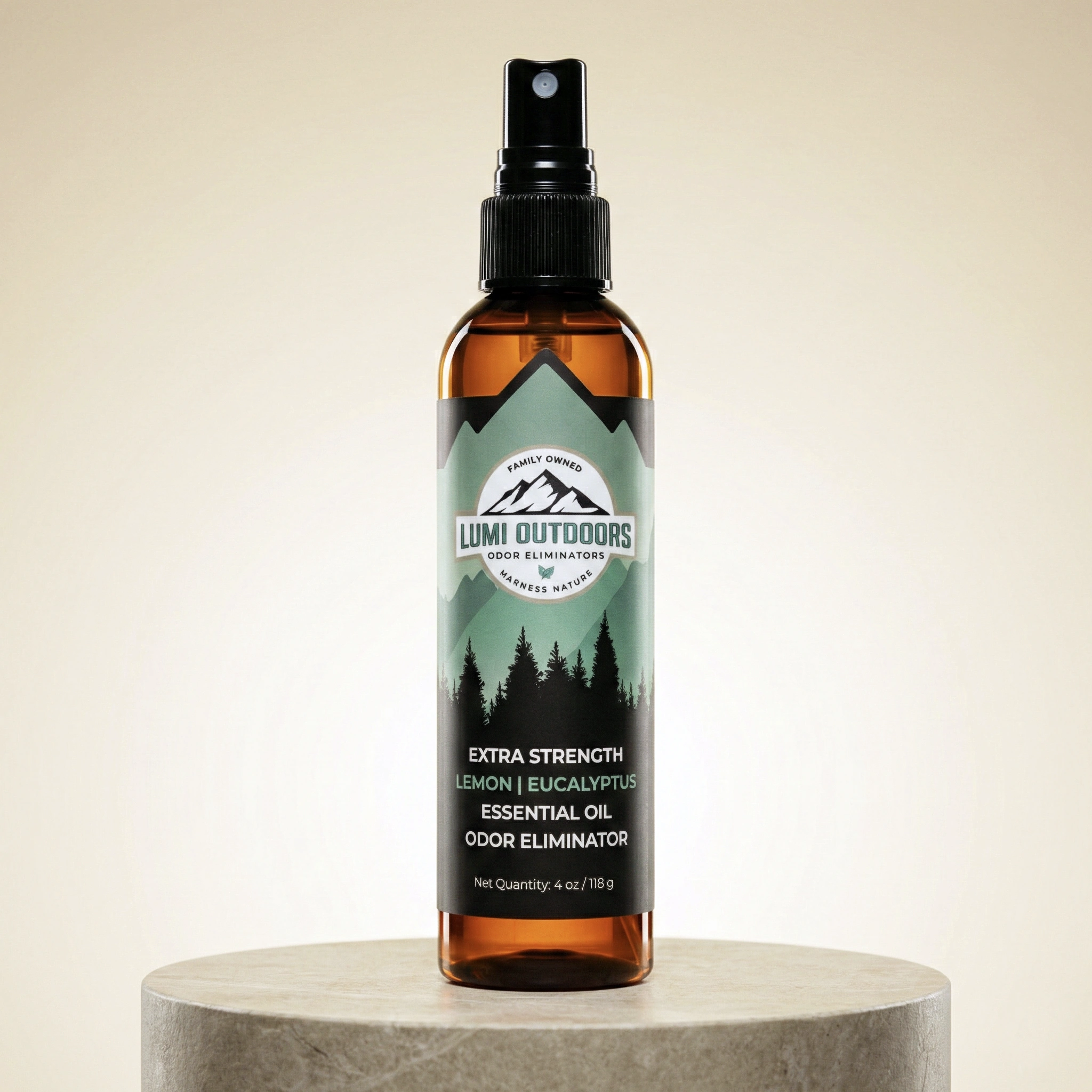
Join 1 Million+ Other People Who Chose Lumi to Conquer Their Shoe Odor.
- DESTROYS ODOR AT THE SOURCE, DOESN'T JUST MASK IT
- ALL-NATURAL & PLANT-BASED INGREDIENTS
- PROUDLY FAMILY-OWNED & MADE IN UTAH
- THE "FRESH CONFIDENCE" GUARANTEE