

Show Tonight? The 60-Second Hack to Neutralize Smelly Satin Shoes Instantly
- Satin Cannot Handle Harsh Chemicals Most commercial shoe sprays use aerosol propellants and solvents that cause dye transfer and fabric damage on ballet satin — a plant-based spray applied to the interior only is the safe move.
- Moisture Is the Root Cause Dance shoes absorb direct sweat with no sock barrier for hours at a time, making them far more odor-prone than regular shoes — stopping moisture is the only lasting fix.
- Prevention Beats Reaction A talc-free foot powder applied before dancing, combined with overnight newspaper stuffing, stops the odor cycle before it starts — so you're not scrambling at showtime.
- 60 Seconds Is Enough Two to three mists of a natural lavender and tea tree spray into the shoe interior, held at arm's length, makes a real difference even when you only have minutes before curtain.

You're thirty minutes from curtain call. You crack open the dance bag and — there it is. That smell. The one that makes everyone in the dressing room quietly back away. Your beautiful satin pointe shoes, your canvas jazz slippers, your leather character shoes... they've become a biohazard.
Every dancer knows this moment. And most of us have tried the wrong fixes — stuffing them with a dryer sheet, blasting them with a chemical aerosol spray, even leaving them in the freezer overnight. Sometimes those tricks sort of work. Sometimes they just mask one smell with another. And none of them are safe for delicate satin or canvas, which can warp, stain, or fall apart with the wrong treatment.
Here's what actually works — and why it works so fast.
Why Do Dance Shoes Smell So Much Worse Than Regular Shoes?
Dance shoes trap more sweat per square inch than almost any other footwear because they're worn without thick socks, often for hours at a stretch, in warm studios with minimal ventilation. The thin, porous materials that make them flexible also make them odor magnets.
Think about it. A dancer in a two-hour rehearsal might produce 8 to 12 ounces of foot sweat. That moisture soaks directly into satin, canvas, or soft leather with no wool sock to absorb the bulk of it. Warmth plus moisture plus darkness equals a perfect environment for the odor-producing bacteria that cause a condition podiatrists call bromodosis — the clinical name for chronically smelly feet and shoes.
And unlike sneakers, you can't just throw ballet slippers in the washing machine. Hot water and agitation destroy the box in pointe shoes, shrink canvas, and ruin the dye in satin. So you're stuck with a shoe that's too delicate to clean aggressively... but desperately needs it.
The other problem? Dancers rotate shoes less than they should. A strong rotation schedule — at least two pairs alternating every 24 to 48 hours — is one of the top things podiatrists recommend for controlling shoe odor. But dance shoes are expensive. Many dancers own one good pair of pointe shoes at a time and wear them until the box dies. That's a lot of concentrated use with nowhere for moisture to go.
What Household Items Actually Help (and Which Ones Will Ruin Your Shoes)?
Newspaper stuffed loosely inside the shoe and left overnight is the single safest moisture-absorbing hack for delicate dance shoes — it pulls dampness out without adding chemical residue, heat, or abrasion. Avoid baking soda directly on satin; it can leave white powder residue and weaken fabric stitching over time.
Before you reach for anything, you need three things on hand:
- A soft-bristled shoe brush — for gently loosening dried sweat residue from the insole without abrading the material. Use it dry, with short light strokes, before any liquid treatment. This opens up the fibers so any spray you apply gets absorbed properly instead of sitting on the surface.
- Newspaper pages (or plain unscented paper towels) — crumple them loosely and stuff the toe box after treatment. They're an underrated powerhouse for pulling residual moisture out while your shoes dry. Leave them in overnight for best results.
- A small zip-close mesh bag — the kind used for laundry delicates. After treatment and drying, store shoes inside it in your dance bag. Mesh lets air circulate instead of trapping moisture, which is what a sealed plastic bag does. Sealed = smell factory.
Here's what NOT to use on satin or canvas dance shoes: dryer sheets (waxy coating damages fabric), baking soda directly inside (powder residue is nearly impossible to remove from satin folds), rubbing alcohol (dries and cracks the glue holding the sole), and any heavily fragranced aerosol spray (the propellants can cause dye transfer on light-colored satin).
Most dancers spray the insole and call it done — but the toe box is where the real problem hides. Sweat pools in the very tip of pointe and ballet shoes where the toes compress together, and that area almost never gets direct spray coverage. Tilt the shoe almost vertically, angle the nozzle toward the tip, and give it one dedicated burst before doing the general insole spray. You'll notice a difference within the first use.
If your shoes have gotten to the point where a brush and newspaper aren't cutting it, you need a spray that can get into the material itself — not just sit on top of it. And that spray has to be safe for delicate fabrics. This is the one we recommend:
What You'll Need
- Soft-bristled shoe brush
- Newspaper pages for stuffing
- Natural Lavender Tea Tree Shoe Deodorizer Spray Check Price →
- Small zip-close mesh bag for storage
What Is the Safest Way to Spray a Dance Shoe Without Damaging the Satin?
Hold the spray bottle 6 to 8 inches away from the shoe and apply 2 to 3 light mists to the insole and inner lining only — never spray directly onto the outer satin surface. Allow shoes to air dry completely, ideally for 30 to 60 minutes, before wearing.
The material matters a lot here. Satin is woven from tightly twisted filaments — often nylon or polyester — that can wick liquid unpredictably. If you spray too close or too heavily, you risk a watermark or color bleed, especially on pale pink or white shoes.
The right technique is quick and precise:
- Use your soft-bristled shoe brush to lightly brush the insole first. This removes surface debris and opens the material.
- Hold the spray at arm's length — seriously, about 6 to 8 inches — and give 2 to 3 short bursts directly into the interior.
- Tilt the shoe so the spray distributes toward the toe box (that's where sweat pools).
- Stuff loosely with crumpled newspaper and leave upright in a ventilated spot. Not in your dance bag. Not in a locker. Open air.
If you have 60 seconds before a show, the spray step alone still makes a meaningful difference. Two sprays inside, a quick shake, and the natural plant oils go to work on contact. The lavender-and-tea-tree scent profile is calm enough for a backstage space — it won't announce itself to the whole dressing room the way harsh chemical deodorizers do.
Want to see how this approach stacks up against the typical aerosol cans most dance parents grab at the grocery store? We put them side by side:
| Feature | Natural Lavender Tea Tree Shoe Deodorizer Spray | Typical Aerosol Shoe Deodorizer |
|---|---|---|
| Safe on satin & canvas | Yes — no propellants or solvents | Risk of dye transfer and fabric damage |
| Scent profile | Calm lavender & tea tree — not overpowering | Heavy chemical or artificial fragrance |
| Active ingredients | Plant-based essential oils | Synthetic fragrance + chemical propellants |
| Safe around kids & pets | Yes — no harsh chemicals | Not recommended for prolonged exposure |
| Works on odor source | Yes — neutralizes, not masks | Primarily masks with fragrance |
| Price per use | Comparable | Similar |
How Do You Prevent Dance Shoe Odor Before It Gets Out of Hand?

The most effective prevention is a two-step routine: apply a talc-free foot powder to your feet before putting on dance shoes, and allow shoes to fully air dry — stuffed with newspaper — after every single use. These two habits alone prevent the moisture buildup that causes persistent odor.
Reactive fixes are fine for show nights. But if the shoes smell bad before you even start dancing, you've already lost the battle. Prevention is where real control happens.
Foot powder goes on your feet — not just in the shoe — about 5 minutes before you put on dance shoes. This gives it time to create a dry layer between your skin and the material. The Lumi Natural Foot Powder is talc-free (which matters for dancers who also care about what they're breathing in during long rehearsals) and uses a lemongrass formula that keeps feet dry without feeling cakey or slippery — important when you need grip and feel in your shoes.
The rotation habit is harder when you only own one pair of good shoes. But even letting shoes dry for 12 to 24 hours between heavy uses makes a measurable difference. The American Orthopaedic Foot & Ankle Society notes that allowing footwear to dry completely between uses is one of the most consistently recommended strategies for foot hygiene. It's not glamorous advice, but it works.
And if you're dealing with a chronic problem — the shoes that still smell after a full day of drying — the issue is likely that bacteria have worked deep into the insole material. That calls for the foot powder and spray bundle, which attacks the problem from both ends: stop the moisture going in, neutralize what's already there.
For more methods that work across different shoe types, this guide on the fastest ways to neutralize shoe stench covers a solid range of approaches — several of which translate well to dance shoes.
Can You Use a Natural Spray on All Types of Dance Shoes?
Yes — a plant-based spray without harsh solvents, alcohol, or aerosol propellants is safe for satin, canvas, leather, and synthetic dance shoe materials when applied correctly to the interior only.
Different shoe types do have different sensitivities, though. Here's a quick breakdown:
- Satin pointe shoes: Interior spray only, held at distance. Never on the outer fabric. Let dry fully before wearing — satin can stiffen slightly if worn damp.
- Canvas ballet slippers: The most forgiving. You can spray the interior more generously and even lightly mist the footbed. Canvas breathes well and dries faster than satin.
- Leather jazz shoes or character shoes: Safe for interior spray. If there's an exposed leather insole, a very light mist is fine — just don't saturate. Condition the exterior leather separately with a leather conditioner; don't use deodorizer spray on the outside.
- Tap shoes: Avoid spraying near the metal taps. Spray into the interior fabric lining only, nowhere near the hardware. Moisture near metal leads to rust, which leads to marks on the floor and an unhappy studio director.
The key in every case is the same: light application, interior only, full drying time. A natural spray with plant oils is far gentler on these materials than chemical aerosols precisely because there are no harsh propellants or solvents stripping the fibers. This breakdown of non-toxic deodorizing methods for delicate flats is a useful parallel read — flats and ballet slippers share a lot of the same material challenges.
When Should You Replace Dance Shoes Instead of Deodorizing Them?
Replace dance shoes when the insole has permanent structural compression, visible mold, or odor that returns within hours of treatment — at that point, the material is too degraded to hold a deodorizer and continuing to wear them creates a foot health risk.
No deodorizer fixes a shoe that's reached the end of its life. If you're spraying a fresh coat every single morning and still noticing smell by afternoon, the bacteria have colonized the foam and fabric at a level that surface treatment can't reach. That's not a product problem — it's a shoe problem.
Signs it's time to let a pair go:
- The insole has a permanent footprint impression and no longer springs back
- There's visible discoloration or spotting on the interior fabric that wasn't there from dye
- The smell comes back within two to three hours of treatment, consistently
- You notice any skin irritation on your feet after wearing
For less severe cases — shoes that smell but are structurally sound — consistent treatment over a week usually resets the baseline. The first few days you might need to spray morning and evening. After that, once a day or even every other day is enough to maintain freshness.
Curious how our approach compares to cedar inserts, which some dancers swear by? We ran a 48-hour stink test comparing the two — the results were pretty clear about which one actually works faster.
Is the natural route perfect? Mostly, but it does require consistency — one application isn't always a silver bullet for a shoe that's been building odor for months. Here's the honest breakdown:
- Safe on delicate satin and canvas dance shoe materials
- Calming lavender scent that won't overwhelm a shared dressing room
- Plant-based formula with no harsh solvents or propellants
- Works fast enough for a pre-show refresh in under 60 seconds
- Neutralizes odor at the source rather than layering fragrance over it
- Severely saturated shoes may need multiple applications over several days before odor fully clears
- The herbal scent, while subtle, is noticeable — not completely fragrance-free
Tired of shoe odor? We recommend:
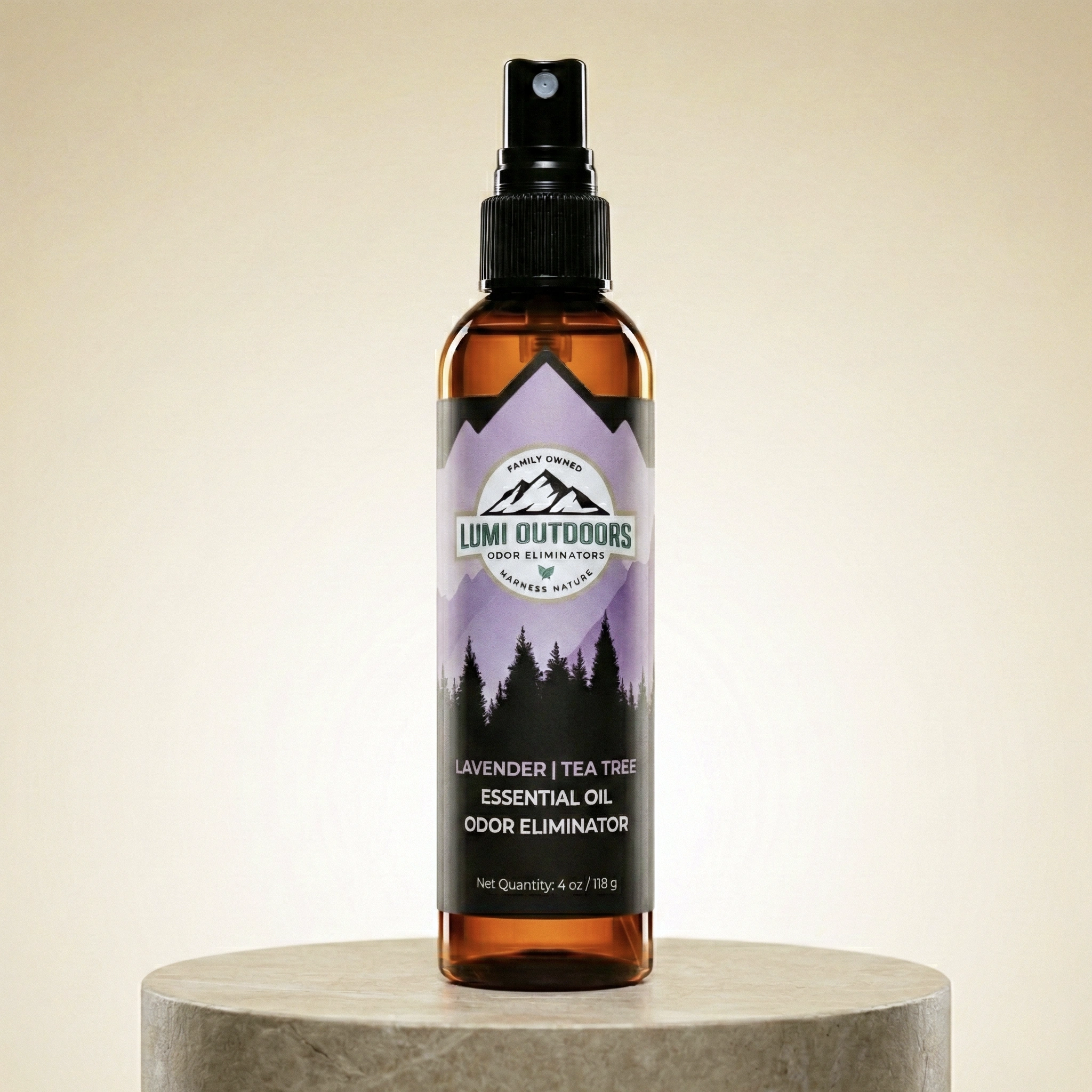
Join 1 Million+ Other People Who Chose Lumi to Conquer Their Shoe Odor.
- DESTROYS ODOR AT THE SOURCE, DOESN'T JUST MASK IT
- ALL-NATURAL & PLANT-BASED INGREDIENTS
- PROUDLY FAMILY-OWNED & MADE IN UTAH
- THE "FRESH CONFIDENCE" GUARANTEE