
How to Fix Stinky Ice Fishing Boots: 5 Easy Tricks [Guide]
- Moisture is the Root Thick insulation traps sweat and moisture, making boots the perfect breeding ground for smells.
- Airflow Over Heat Always remove boot liners and avoid high heat to prevent permanent damage to waterproof materials.
- Proactive Protection Use natural enzyme-based sprays and moisture-absorbing powders to stop odors before they settle.

If you've ever unzipped a pair of ice fishing boots after a long Saturday on the frozen lake, you know that smell. It’s not just "stinky." It’s a concentrated blast of dampness and old sweat that seems to have a life of its own. It’s the kind of smell that makes your partner tell you to leave the boots on the porch, even when it's sub-zero outside.
Those heavy, insulated boots are a godsend when you're sitting over a hole in the ice, but they are also perfect little traps for odor. Between the thick rubber shells and the layers of felt or Thinsulate, there’s nowhere for moisture to escape. So, it sits there. And it grows. But don't worry, you aren't going to have to toss those expensive boots in the trash. You just need a better game plan.
Why Do My Ice Fishing Boots Smell So Bad?
Ice fishing boots smell because their waterproof outer shell traps sweat and moisture inside the thick insulation, creating a stagnant environment where odor-causing particles thrive. Without proper ventilation, this moisture remains trapped in the boot liners long after your fishing trip is over.
Think about what happens when you’re out on the ice. You’re walking to your spot, setting up the shanty, and drilling holes. Even in the cold, your feet are working hard and sweating. That sweat has nowhere to go because those boots are designed to keep water out. That means they are also incredibly good at keeping moisture in. If you don't get that dampness out immediately, you're basically asking for a permanent funk. You can learn more about the real reason why shoes smell bad to see why just scrubbing the surface won't solve the problem.
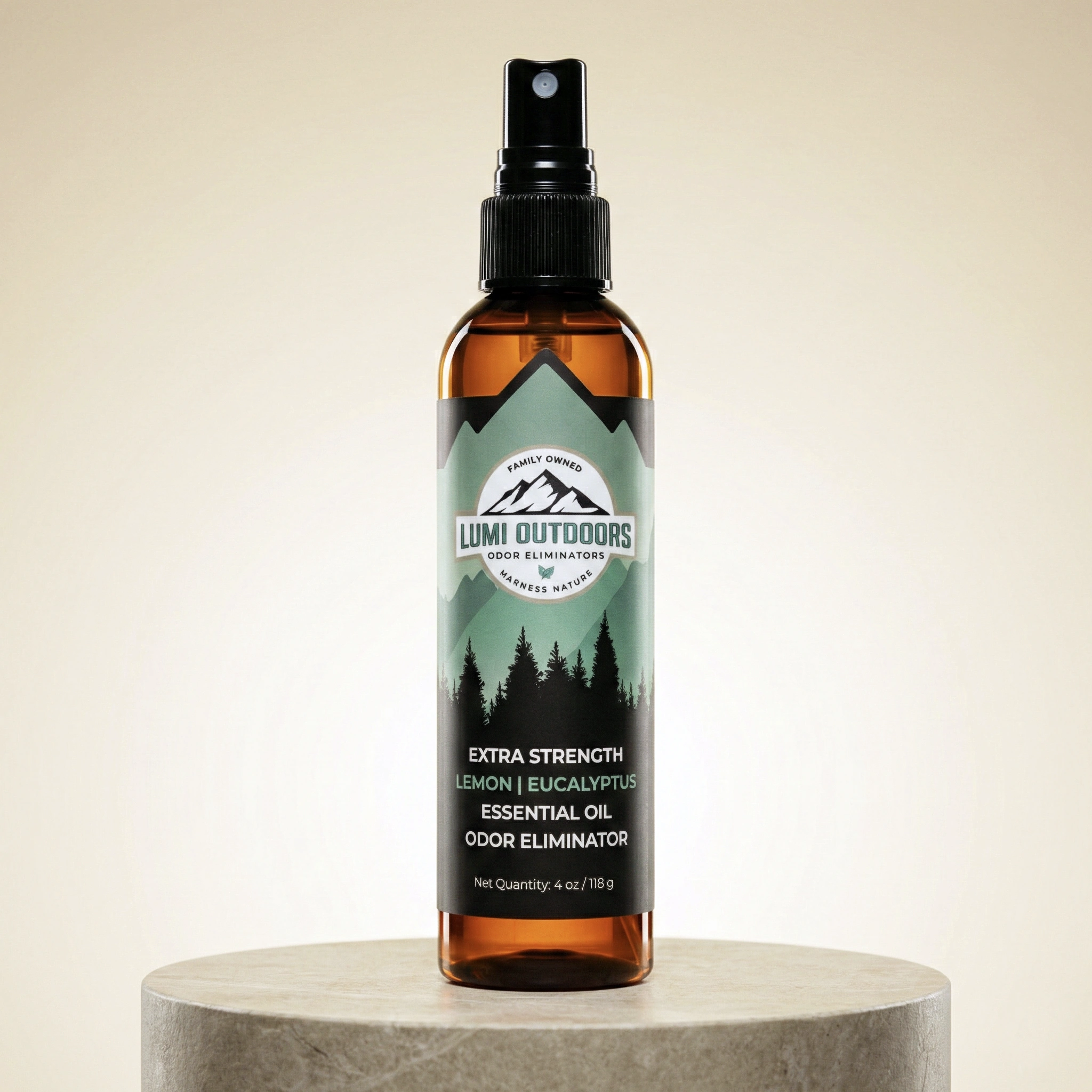
You don't need a chemistry degree to fix this. You just need the Extra Strength Shoe Deodorizer Spray.
What You'll Need
- Newspaper for wicking moisture
- Removable boot liners
- Extra Strength Shoe Deodorizer Spray Check Price →
- Boot dryer with cool setting
How Can I Dry My Ice Fishing Boots Without Damaging Them?

The safest way to dry ice fishing boots is to remove the liners and stuff the boots with crumpled newspaper or use a boot dryer on a "no-heat" or "low-heat" setting. Excessive heat from a fireplace or radiator can warp rubber and damage the specialized adhesives used in waterproof footwear.
If you take nothing else away from this, remember this: moisture is the enemy. The first thing you should do when you get home—before you even clean the fish—is pull those boots apart. If they have removable liners, pull them out. If they don't, you need to get creative.
I’ve found that newspaper is a total lifesaver here. Take several sheets, crinkle them up into loose balls, and stuff them all the way down to the toes. The paper acts like a wick, drawing the moisture out of the fabric. Change the paper every few hours if the boots are really soaked. If you’re a serious angler, a boot dryer is a great investment, but only if it has a fan setting without high heat. High heat can actually shrink some liners, making your boots feel two sizes too small the next time you head out.
What Is the Best Way to Use Foot Powder in Insulated Boots?
To use foot powder effectively, apply a generous amount of talc-free powder directly to your feet and between your toes before putting on your socks. This creates a dry barrier that absorbs sweat before it can soak into the boot's insulation.
Stopping the smell before it starts is always easier than trying to kill it later. This is where Natural Foot Powder comes in. Most people make the mistake of just dumping powder into the boot and hoping for the best. But that usually just creates a weird, clumpy paste at the bottom of your shoe.
Instead, try this: rub the powder onto your dry feet first. It keeps your skin dry and prevents that "swamp foot" feeling that happens halfway through the day. If your boots already have a lingering scent, you can sprinkle a little powder inside after they are completely dry to help keep them fresh for the next trip. If you want to dive deeper, check out this guide on how to use foot powder for shoes correctly.
If your boots have a deep toe-box funk that won't quit, use a hairdryer on the COOL setting to blast air directly into the front of the boot for 5 minutes after using your spray. This forces the essential oils into the hardest-to-reach areas where moisture lingers longest.
Can I Wash Ice Fishing Boot Liners in the Machine?
Most felt and foam boot liners should be hand-washed in cool water with a mild detergent rather than put in a washing machine. Mechanical agitation and high-heat drying cycles can cause liners to lose their shape, pill, or lose their insulating properties.
If the smell is really stuck in there, a quick spray might not be enough. You might need to give those liners a bath. Fill a utility sink with cool water and a tiny bit of gentle soap. Submerge the liners and give them a few good squeezes to get the water through the fibers. Rinse them thoroughly—any leftover soap will just attract more dirt later.
Once they’re rinsed, don't wring them out like a towel. That twists the fibers and ruins the fit. Instead, roll them in a dry towel and press down hard to soak up the excess water. Then, let them air dry completely. This is a great time to use a hairdryer on the cool setting to help speed things up if you're planning to head back out the next morning. It’s a bit of a chore, but it’s much cheaper than buying new boots every season. For more heavy-duty cleaning advice, see these 7 tips to deep clean rain gear.
I tested our natural spray against the big-brand aerosols you find at the hardware store. The difference isn't just in the smell—it's in the chemistry.
| Feature | Extra Strength Deodorizer Spray | Standard Aerosol Sprays |
|---|---|---|
| Ingredient Base | Essential Oils & Natural Enzymes | Synthetic Fragrances & Alcohol |
| Odor Action | Neutralizes at the source | Masks with heavy perfumes |
| Safety Profile | Non-toxic & Family safe | Harsh chemicals & Aerosol propellants |
| Scent Quality | Fresh Lemon & Eucalyptus | Artificial 'Chemical' scent |
How Do I Keep My Feet Dry While Ice Fishing?

Maintaining dry feet requires a two-layer sock system consisting of a thin synthetic liner to wick moisture away from the skin and a thick wool outer sock to provide insulation. Avoiding cotton socks is essential, as cotton absorbs moisture and loses its ability to keep feet warm when wet.
Your choice of socks is just as important as the boots themselves. Cotton is the absolute worst choice for ice fishing. Once cotton gets wet from sweat, it stays wet, and it gets cold. That moisture then transfers directly into your boot liners, and the cycle of stink begins again.
Invest in some high-quality Merino wool socks. Wool is incredible because it can hold a huge amount of moisture without feeling wet against your skin. It also naturally resists odors much better than synthetic fabrics or cotton. If you're prone to heavy sweating, bring an extra pair of wool socks in your gear bag. Swapping into fresh, dry socks at midday is one of the best ways to keep your boots from getting overwhelmed by moisture. This is exactly how professionals get rid of smelly work boots during long shifts.
What Is the Best Way to Store Boots Between Trips?
The best way to store ice fishing boots is in a cool, dry place with plenty of airflow, ensuring they are completely disassembled with liners removed. Storing damp boots in a closed bag or a dark closet will allow odors to set into the material permanently.
When the season is over, or even just between weekends, don't just toss your boots in a corner. Airflow is your best friend. Keep the liners out of the boots so air can reach every nook and cranny. If you have a garage or a mudroom, keep them off the floor on a rack if possible.
Is the natural route perfect? Mostly, but it does require consistency. Here's the honest breakdown:
- Completely non-toxic and safe for kids and pets
- Extra strength formula tackles even the oldest odors
- Safe for expensive technical fabrics and felt liners
- Actually solves the problem instead of just covering it up
- Needs a few hours to dry completely after application
- Natural scent is strong initially but fades to neutral
Fishing should be about the catch and the quiet on the lake, not the embarrassing smell following you back into the house. By taking ten minutes to dry your boots and using the right natural products, you can keep your gear in top shape for years. Your feet (and your family) will thank you.
Tired of your mudroom smelling like a locker room?
Join 1 Million+ Other People Who Chose Lumi to Conquer Their Shoe Odor.
- DESTROYS ODOR AT THE SOURCE, DOESN'T JUST MASK IT
- ALL-NATURAL & PLANT-BASED INGREDIENTS
- PROUDLY FAMILY-OWNED & MADE IN UTAH
- THE "FRESH CONFIDENCE" GUARANTEE