

Oil & Stink: 5 Mechanic Hacks for Smelly Work Boots [2026]
- The Oil Trap Industrial oils trap sweat inside leather, making ventilation nearly impossible without regular care.
- Grease First Use cornstarch to draw out grease before applying any deodorizing sprays to ensure they reach the odor source.
- Long-Term Savings Consistent use of natural powders and sprays can double the wearable life of expensive work boots.

If you've ever spent ten hours on a concrete shop floor, you know the feeling. You get home, peel off those heavy leather boots, and the smell hits you like a radiator leak. It’s not just "gym bag" smell. It’s a thick, industrial cocktail of motor oil, hydraulic fluid, grease, and ten hours of hard-earned sweat.
My partner is a diesel mechanic, and for years, those boots didn't just live in the garage; they haunted it. We tried everything—the cheap grocery store sprays, the weird home remedies from the internet, and even throwing them in the wash (don't do that, it's a disaster). The problem is that mechanic boots aren't like regular shoes. They are built to keep things out, which means they are also very good at trapping heat and moisture inside. When you add grease and oil into the mix, you get a specific kind of funk that standard cleaners just can't touch.
Why Do Mechanic Work Boots Develop Such a Strong Odor?
Mechanic boots smell because industrial oils and grease seal the leather's pores, trapping sweat and moisture inside the boot. This creates a warm, damp environment where odor-causing particles thrive without any ventilation.
When you're working around cars or heavy machinery, your boots are constantly exposed to petroleum-based products. These fluids are designed to stay put. When they get on your leather boots, they create a barrier. While your sweat glands in your feet are working overtime to keep you cool, that moisture has nowhere to go. It sits in the lining, soaks into the footbed, and starts to rot.
Unlike a pair of mesh running shoes, work boots are often waterproof or oil-resistant. This is great for safety but terrible for breathability. Over time, the salt from your sweat and the chemicals from the shop floor react. That’s why your boots might smell like a mix of old vinegar and a gas station. If you want to fix it, you have to address the moisture and the oil at the same time.
If you want to stop the moisture before it starts, you need a heavy-duty absorber. This is the one we keep by the door:
What You'll Need
- Cornstarch (for oil spots)
- Stiff Nylon Brush
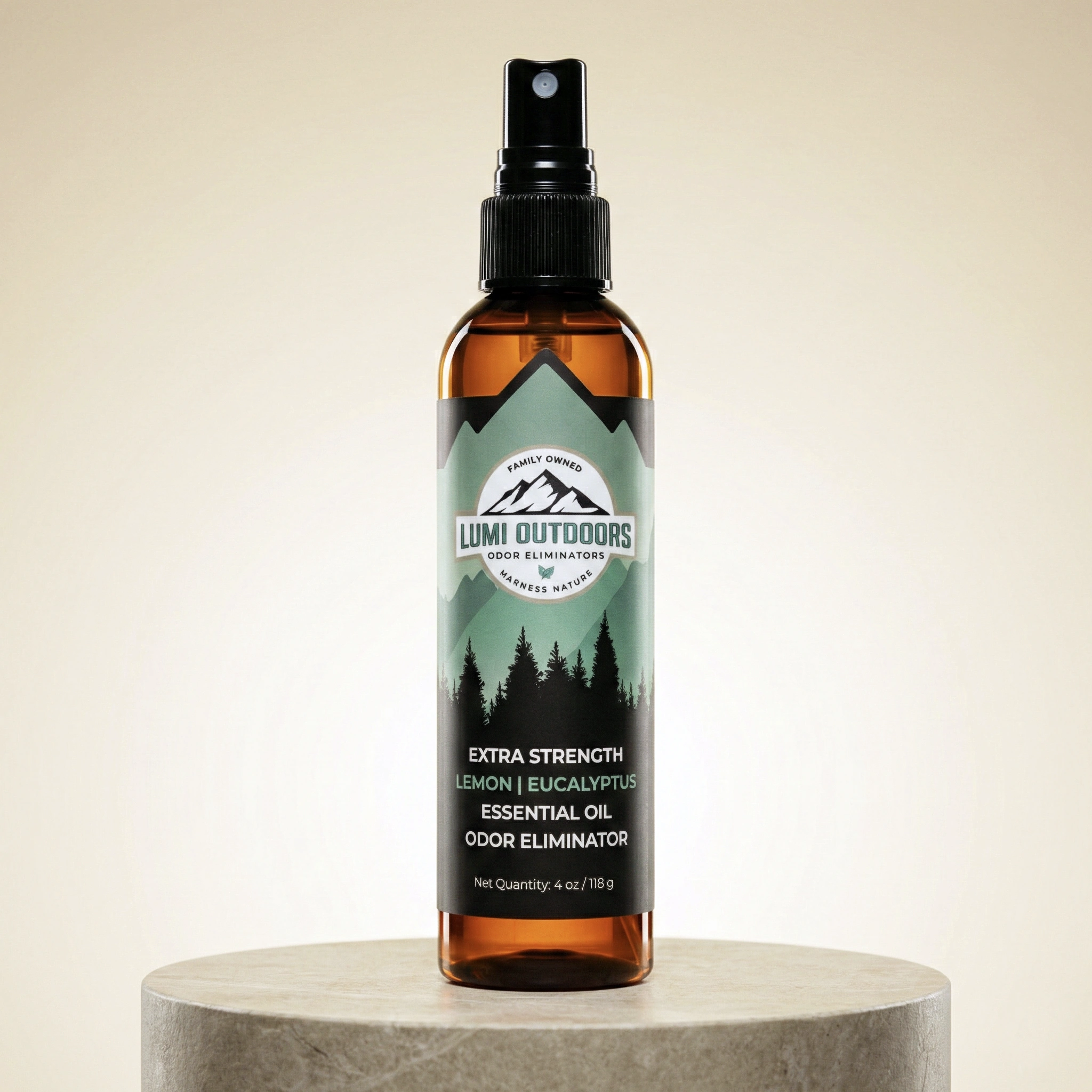
- Extra Strength Shoe Deodorizer Spray Check Price →
- Newspaper for Stuffing
How Do You Remove Motor Oil and Grease Smells from Leather?

To remove oil smells, you must use an absorbent powder like cornstarch to pull the grease out of the leather before using a natural neutralizing spray. Neutralizing the oil's surface tension allows deodorizing agents to actually reach the source of the odor.
Here is the trick most people miss: you can't just spray scent over grease. It just creates a "flowery engine" smell that's arguably worse. First, you need to tackle the physical oil. If you have a fresh grease spot, grab some cornstarch from the kitchen. Pat it onto the spot and let it sit overnight. The powder pulls the oil out of the leather pores.
Once you’ve pulled the excess oil out, use a stiff nylon brush to whisk it away. This opens up the "breathing" ability of the boot again. Only then should you look at deodorizing. If you skip this, you’re just layering perfume on top of a chemical slick. For those who wear high-end gear, you should check out this guide on Don’t Ruin Your Timberland PROs to make sure you aren't stripping the factory protection while cleaning.
If your boots have a heavy grease stain, apply a tiny drop of grease-cutting dish soap to a damp microfiber cloth and gently dab—don't scrub—the spot before deodorizing. This breaks the surface tension of the oil so your spray can actually penetrate the material.
What Is the Best Way to Deodorize Mechanic Work Boots?

The best way to deodorize work boots is a two-step process: absorb internal moisture with a talc-free powder during the day and use a high-concentration essential oil spray at night. This combination dries out the boot and breaks down the odor molecules overnight.
I tested a few different methods side-by-side on some old work boots. I tried the "freezer" trick (it doesn't work), and I tried those little charcoal bags. The bags are okay for maintenance, but they aren't strong enough for a mechanic's boots. You need something with a high concentration of plant-based oils like eucalyptus or lemongrass. These aren't just for smelling pretty; they actually help break down the organic matter that causes the stench.
We compared our natural spray against the big-brand aerosols. The difference isn't just in the smell—it's in the chemistry.
| Feature | Lumi Extra Strength Spray | Big-Brand Aerosols |
|---|---|---|
| Ingredients | Pure Essential Oils | Synthetic Fragrance & Butane |
| Residue | Zero messy buildup | Sticky white film |
| Odor Action | Neutralizes molecules | Masks with perfume |
Using a product like the Extra Strength Shoe Deodorizer Spray is the most direct path. It's powerful enough to cut through the heavy scents of a shop environment without using the harsh chemicals found in most "industrial" cleaners. Just a couple of sprays after your shift, and by morning, the boots actually smell like a person could wear them without clearing out a room.
Can You Wash Heavy-Duty Work Boots in a Machine?
No, you should never wash heavy-duty work boots in a washing machine because the heat and agitation will crack the leather, dissolve the sole adhesive, and ruin the internal support structures. Hand-cleaning and spot-treating is the only safe way to maintain work boots.
It’s tempting to just toss them in the wash and hope for the best. I've seen people do it. The result is almost always a pair of boots that are misshapen, stiff, and prone to leaking. Modern work boots have complex layers—membranes for waterproofing, composite or steel toes, and specialized foam midsoles. The "soak and spin" cycle is a death sentence for these materials. If you’re worried about the foam in your shoes, you might find this article on why washing machines ruin foam shoes helpful, as the same logic applies to boot insoles.
Instead of the machine, use a damp microfiber cloth with a tiny drop of dish soap to wipe down the exterior. For the inside, stick to powders and sprays. If the boots are truly soaked with sweat, use a boot dryer or stuff them with newspaper for stuffing. This pulls moisture out slowly and safely without the heat damage of a dryer or the mechanical stress of a washer.
How Long Do High-Quality Work Boots Usually Last Before They Smell?
With proper care, a pair of high-quality work boots can last 2-3 years before odor becomes a permanent issue. Without regular deodorizing and moisture control, the internal lining can become permanently saturated with odors within six months.
Is the natural route perfect? Mostly, but it does require consistency. If you wait until the boots smell like a dumpster to start treating them, you're fighting an uphill battle. It’s like changing the oil in your truck—it’s easier to prevent the problem than to fix a seized engine. Here is the honest breakdown:
- Completely eliminates "industrial funk" rather than just masking it.
- Safe for all types of leather and waterproof membranes.
- No white residue or sticky buildup inside the boot.
- Extends the life of expensive footwear by managing moisture.
- Requires daily application for the best results on heavy industrial odors.
The key is daily maintenance. If you use a little Natural Foot Powder before you put your socks on, you’re absorbing the sweat before it ever hits the boot leather. It’s a simple habit that adds years to the life of an expensive pair of boots. And let’s be real, a good pair of boots is an investment. You wouldn't skip maintenance on your tools, so don't skip it on your footwear.
At the end of the day, your boots are a tool. They work as hard as you do. Giving them a little attention with the right natural products keeps your gear in the game longer and keeps your house smelling like a home instead of a garage bay.
Ready to leave the shop smell at the shop?
Join 1 Million+ Other People Who Chose Lumi to Conquer Their Shoe Odor.
- DESTROYS ODOR AT THE SOURCE, DOESN'T JUST MASK IT
- ALL-NATURAL & PLANT-BASED INGREDIENTS
- PROUDLY FAMILY-OWNED & MADE IN UTAH
- THE "FRESH CONFIDENCE" GUARANTEE