

Does Chlorine Cleaner for Shoes Actually Work? The Truth Behind the Hack
- It Works — But at a Cost Chlorine kills odor-causing bacteria effectively, but it also breaks down synthetic fabrics, dissolves shoe adhesives, and permanently yellows white sneakers.
- Diluted Bleach Is Still Risky The popular 1:5 bleach-to-water ratio reduces damage but doesn't eliminate it — most modern sneaker materials aren't built to withstand oxidizing agents.
- There's a Better Protocol Removing the biofilm layer first, then using an essential oil-based spray, then air-drying with newspaper eliminates severe odor without destroying the shoe.

Chlorine does kill the bacteria causing extreme shoe odor — but it also destroys the materials holding your shoes together. It's an oxidizing agent that breaks down synthetic fabrics, dissolves adhesives, and strips natural leather of its essential oils. You might eliminate the smell and wreck the shoe in the same application.
Here's exactly what happens at the material level, and what actually works instead for the kind of odor that survives everything else.
Why Is Chlorine So Destructive to Shoe Materials?
Chlorine works as a disinfectant by acting as an oxidizing agent — it breaks molecular bonds indiscriminately, which is why it's effective against bacteria but equally destructive to synthetic mesh, EVA foam, and the polyurethane adhesives holding your midsole together. Most modern athletic shoes are assembled with heat-activated or solvent-based glues. Chlorine degrades both.
The hypochlorite ion in standard bleach attacks the polymer chains in nylon, polyester mesh, and spandex linings. These are the exact materials making up the upper of most running shoes, work boots with fabric panels, and kids' cleats. The result isn't always immediately visible — sometimes the fabric just weakens, and the shoe falls apart a few weeks later during normal use.
Then there's the yellowing problem. If you've ever tried cleaning white sneakers with diluted bleach and ended up with a permanent yellow tint, that's a chemical reaction called oxidative yellowing. Chlorine reacts with optical brighteners built into white synthetic fabrics during manufacturing. Once that reaction happens, it doesn't reverse. The yellow is baked in.
Leather and suede are a different story — and an uglier one. Chlorine strips the natural oils from leather fibers almost instantly, causing the material to stiffen and crack. A single wipe-down with a chlorine solution can permanently damage a leather dress shoe or work boot upper. For suede, even light contact causes discoloration and surface texture damage that no conditioner can fully repair.
That's the real problem. It's not that chlorine doesn't work — it's that it works on everything, including the shoe itself.
The biggest mistake people make with extreme shoe odor is spraying the insole while it's still inside the shoe. The insole acts like a sponge — it blocks the spray from reaching the midsole foam underneath, which is usually where the deepest bacterial colonies live. Always pull the insole completely out before treating the shoe interior, and treat the insole separately. You'll get 3–4x better odor elimination from the same product with that one change.
Is Diluted Bleach Any Safer for White Sneakers?
The common "1 part bleach to 5 parts water" recommendation circulating on Reddit is safer than undiluted chlorine, but it still carries a real risk of material damage and yellowing for most modern sneaker constructions. Dilution reduces the concentration of hypochlorite, but it doesn't change the chemistry — it just slows it down.
Factory "colorfast" treatments applied during manufacturing are not the same as home-applied chemical resistance. When a shoe brand says a material is colorfast, that typically means it's resistant to sweat, washing, and UV — not to active oxidizing agents like bleach. The marketing language creates a false sense of safety.
Hydrogen peroxide (3% solution, available at any pharmacy) is a significantly safer option for whitening canvas or rubber surfaces. It's mildly oxidizing — enough to lift surface stains and reduce surface bacteria — but it doesn't carry the same aggressive bond-breaking behavior as sodium hypochlorite. Apply it with a soft brush, let it sit in direct sunlight for 30 minutes, then rinse. It won't strip adhesives or cause oxidative yellowing at standard pharmacy concentrations.
The rubber outsole is the one place chlorine is relatively safe. Pure rubber is chemically resistant to diluted bleach, and if you're only scrubbing the outsole (bottom of the shoe, no fabric contact), a diluted solution with a stiff brush is unlikely to cause structural damage. Keep it off the midsole foam.
What Actually Works for Extreme Shoe Odor?

For severe, treatment-resistant shoe odor, the most effective approach combines mechanical biofilm removal, an essential oil-based spray for bacterial disruption, and controlled airflow drying — in that order. Skipping any step, especially the first, is why most treatments only work temporarily.
The word "biofilm" matters here. Research published in the journal Virulence shows that bacteria living inside shoes don't just float freely — they form structured communities called biofilms on insole surfaces. Standard sprays applied to the surface of a biofilm barely penetrate the protective outer layer. That's why the smell comes back in two days even after treatment.
Start by pulling the insoles out completely. Hand-wash them with a small amount of dish soap and warm water, scrubbing with an old toothbrush to physically break up the biofilm layer. Rinse thoroughly and let them air dry separately — this alone will make any subsequent spray treatment more effective.
For the shoe interior, a spray built around eucalyptus or tea tree oil disrupts bacterial cell membranes without degrading synthetic materials or adhesives. If you need something reliable for the worst-case scenario — think work boots that have been through six months of construction sites or cleats that have never fully dried — Lumi's Extra Strength Shoe Deodorizer Spray is the plant-based option I'd reach for before considering anything harsher. Cedar shoe trees stuffed in overnight are a solid free alternative that draws out moisture and suppresses bacterial regrowth without any chemistry at all.
On drying: high heat is just as destructive as chlorine for EVA foam midsoles. A standard clothes dryer or direct heat gun can warp the foam cushioning permanently. Air drying at room temperature with the tongue pulled open and a crumpled newspaper insert is slower but preserves the shoe's structure. Give it at least 8 hours — most people don't dry long enough after a deep clean, which is why the smell returns within days.
The smell always comes back when moisture does.
What Should You Do If You Already Used Chlorine on Your Shoes?
If you've already applied a chlorine solution to your shoes, rinse them thoroughly with cold water immediately, stuff them with newspaper, and let them air dry — then assess the damage once fully dry before wearing them. Acting quickly reduces the contact time and limits further oxidation.
For the chlorine smell itself: a paste of baking soda and water applied to the interior, left overnight, then brushed out will absorb much of the residual odor. Activated charcoal inserts work even faster. Neither will reverse material damage, but they'll make the shoes wearable while you evaluate whether the structure is intact.
Check the seams. Run your fingers along the midsole-upper bond and the toe box stitching. Chlorine-weakened adhesive often feels slightly tacky or begins separating at stress points before the shoe fails entirely. If the bond feels compromised, a thin application of shoe adhesive (like Barge cement) applied before the separation worsens can extend the shoe's life. If the mesh upper is already brittle or discolored, the structural damage is done. For context on why harsh chemicals are a poor long-term strategy for footwear, this breakdown of chemical deodorizers covers the tradeoffs clearly.
One specific detail worth knowing: if you're dealing with odor that migrated into work boots with leather uppers, the source of the smell in work boots is almost always the midsole foam and insole — not the leather itself. Treating the leather with chlorine to fix an insole problem is solving the wrong part of the shoe.
Most people never check this. They treat the surface and wonder why it doesn't stick.
Still dealing with odor that survives every treatment?
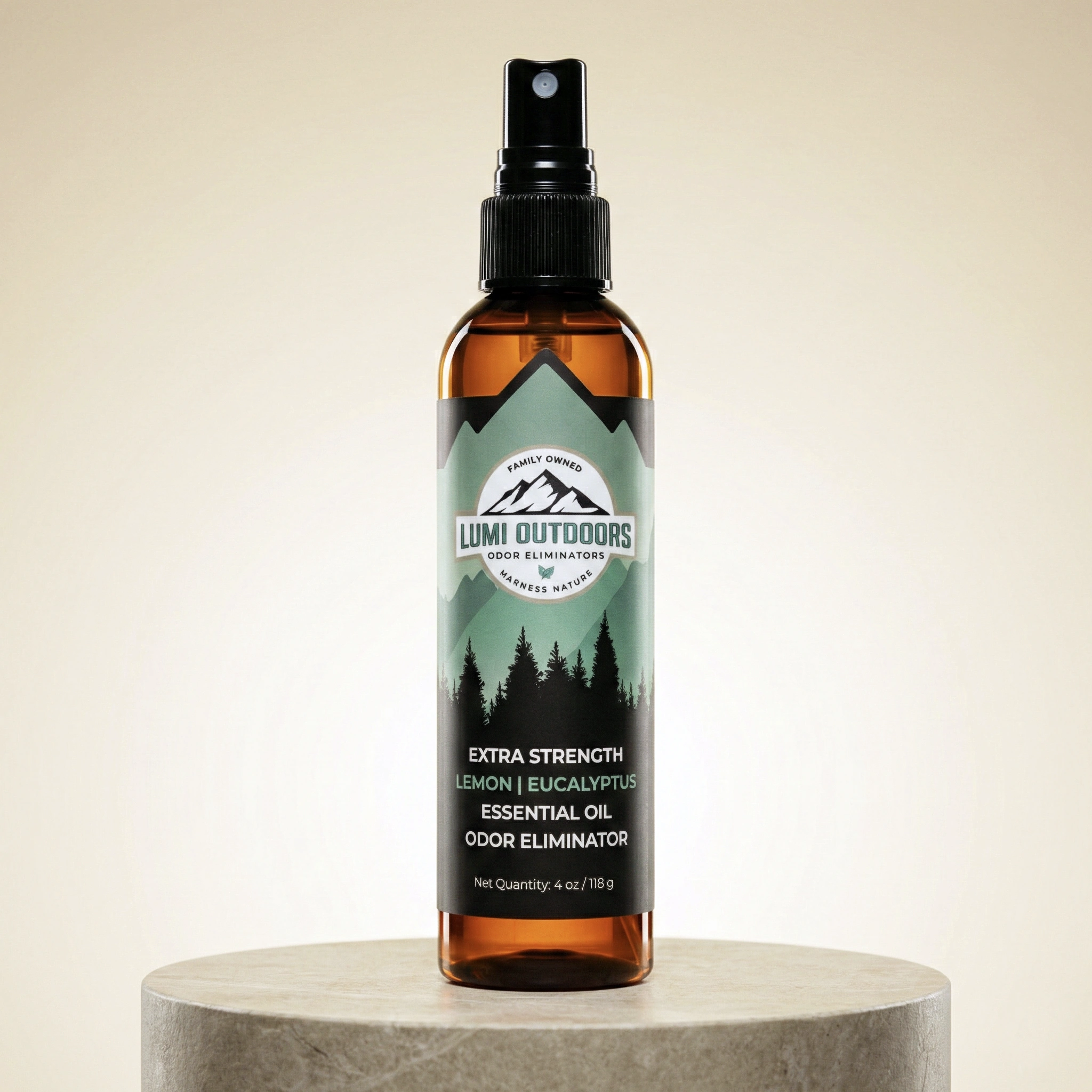
Join 1 Million+ Other People Who Chose Lumi to Conquer Their Shoe Odor.
- DESTROYS ODOR AT THE SOURCE, DOESN'T JUST MASK IT
- ALL-NATURAL & PLANT-BASED INGREDIENTS
- PROUDLY FAMILY-OWNED & MADE IN UTAH
- THE "FRESH CONFIDENCE" GUARANTEE