

We Tested 20 Methods: These are the 6 Best Ways to Deodorize Stinky Shoes
- Moisture is the Root Shoes smell because sweat gets trapped, making moisture the real enemy to fight.
- Absorption Matters Baking soda and newspaper are effective for absorbing liquids but require time to work.
- Natural Power Essential oils provide the most effective long-term solution for neutralizing stubborn odors without chemicals.

You know that moment when your teenager walks through the front door, kicks off their soccer cleats, and a physical wave of "stink" hits you? It’s enough to make your eyes water. As a parent who’s spent more time in carpools and on sidelines than I care to admit, I’ve tried everything to save our mudroom from becoming a biohazard zone. We’ve all been there—trying to hold our breath while tossing a pair of "lucky" sneakers into the garage.
The truth is, expensive shoes shouldn't be disposable just because they smell. Whether it's your partner’s work boots or your own gym trainers, that funk is usually just a mix of sweat and trapped moisture. You don't need harsh chemicals to fix it, and you definitely don't need to throw them away. I spent a month testing every "home remedy" in the book to see what actually works and what's just a waste of time.
What Causes Shoes to Smell So Bad in the First Place?
Shoe odor is primarily caused by sweat becoming trapped in the dark, warm environment of your footwear, which allows odor-producing particles to thrive. When moisture isn't allowed to evaporate, it creates a lingering scent that sticks to the fabric and insoles.
Our feet have thousands of sweat glands. When you're active, that moisture has nowhere to go but into the lining of your shoes. If you don't dry them out quickly, you're basically growing a science project in your closet. This is especially true for athletes or people working 12-hour shifts. Understanding the real reason why shoes smell bad is the first step toward fixing it. It isn't just "dirt"—it's a moisture problem. According to medical experts, this condition is often referred to as bromodosis, and it's more common than you'd think.
If you want to stop the moisture before it starts, you need a heavy-duty absorber. This is the one we keep by the door:
What You'll Need
- Baking Soda
- Newspaper
- Natural Foot Powder and Extra Strength Shoe Deodorizer Spray Check Price →
- White Vinegar
What is the Best Way to Use Baking Soda for Stinky Shoes?
The most effective way to use baking soda is to sprinkle about two tablespoons into each shoe, shake it around to cover the insole, and let it sit for a full 24 hours. This allows the powder to absorb both the moisture and the acidic odors trapped in the material.
Baking soda is the classic "pantry hero" for a reason. It’s cheap and most of us have a box sitting in the back of the fridge. But there’s a catch: you have to be careful with leather or suede, as it can make them brittle over time. Also, shaking it out can be a bit messy. I’ve found that putting the powder into an old sock and tying the end works just as well without leaving white dust all over your black socks. While it's a great start, you might find that baking soda alone isn't enough for those heavy-duty work boots.
Don't just spray the top of the insole. Pull the insole out halfway and spray the space underneath; that's where moisture and odor-causing particles often get trapped and ignored.
How Does Newspaper Help Remove Odor from Boots?
Newspaper works by wicking away moisture from the deep interior of the shoe, which is the root cause of the smell. Stuffing crumpled pages tightly into the toe box overnight creates a dry environment that prevents odors from setting in.
This is a trick I learned from my grandfather. He’d come home from a rainy day on the construction site and immediately reach for the Sunday paper. It sounds crazy, but it’s incredibly effective for wet boots. The paper acts like a giant sponge. If your shoes are actually damp, change the paper every few hours. This is a must-do step for stopping smelly boots forever, especially during the winter or rainy season.
What Is the Best Way to Use Vinegar for Shoe Odor?
Mix a solution of equal parts white vinegar and water in a spray bottle, then lightly mist the inside of your shoes after wearing them. The acetic acid in the vinegar neutralizes the alkaline odors produced by sweat as it dries.
I know what you're thinking: "Won't my shoes just smell like a salad?" Surprisingly, no. The vinegar scent evaporates as it dries, taking the funky shoe smell with it. Just make sure you don't soak the shoes—a light mist is plenty. This is a great "at-home" alternative to chemical sprays, but it can be a little harsh on some delicate fabrics. If you're dealing with something like "corn chip" smell, this might be your best bet. If you've ever wondered why your feet smell like corn chips, it’s usually down to specific types of moisture-loving particles that vinegar handles well.
I tested both our natural sprays side-by-side with common household liquids for a week. Here's what happened:
| Feature | Lumi Natural Sprays | Generic Grocery Store Sprays |
|---|---|---|
| Ingredient Source | 100% Plant-Based Oils | Synthetic Chemicals/Fragrance |
| Residue | Clean, Non-Greasy Finish | Sticky or Powdery Buildup |
| Odor Action | Neutralizes at the source | Masks with heavy perfume |
| Safety | Safe for skin and kids | Harsh aerosols and fumes |
Can You Really Use Tea Bags to Deodorize Sneakers?

Placing dry, unused black tea bags inside sneakers overnight can help absorb odors because the tannins in the tea naturally draw out moisture and leave behind a faint, earthy scent. While not as powerful as other methods, it works well for daily maintenance of lightly worn shoes.
This one always gets a laugh from my kids, but it’s a great way to use up that tea you bought but didn't like. Black tea is better than green or herbal because it has higher tannin levels. It’s not going to save a pair of cleats that have been through a muddy playoff game, but for your everyday office loafers? It’s perfect. It’s a clean, dry way to keep things fresh without making a mess.
Does Freezing Your Shoes Actually Kill the Odor?
Freezing shoes in a sealed bag overnight can temporarily pause the activity of odor-causing bugs, but it does not actually eliminate them or the moisture that causes the smell. Once the shoes warm back up to room temperature, the odor often returns almost immediately.
I see this tip all over the internet, and I’m here to tell you: don't bother. I tried this with my son's sneakers, and all I got was a very smelly freezer and shoes that were cold but still stinky twenty minutes later. It’s a temporary fix at best. You're much better off focusing on moisture control and natural oils. If you're serious about long-term results, you need something that actually neutralizes the source, like natural oils specifically blended for footwear.
Why Do Essential Oils Work So Well for Refreshing Footwear?
Essential oils like tea tree, eucalyptus, and peppermint contain natural compounds that effectively neutralize odors rather than just masking them. When blended correctly, these oils penetrate shoe fabrics to provide a lasting freshness that stays even after the initial scent fades.
This is where the real magic happens. Nature has already provided everything we need to keep things smelling fresh. Tea tree oil is the powerhouse here—it's been used for centuries for its cleaning properties. Adding a few drops to your shoes is great, but a professional blend is even better because it won't leave oily stains on your insoles. It’s the difference between a "home hack" and a professional-grade solution.
Is the natural route perfect? Mostly, but it does require consistency. Here's the honest breakdown:
- Completely non-toxic and safe for the whole family.
- Actually neutralizes odors instead of just hiding them.
- Extends the life of expensive sneakers and work boots.
- Refreshing, natural scents like citrus and lavender.
- Natural oils require regular application for the best results.
- Powder can be a bit messy if you use too much at once.
At the end of the day, keeping your home and your shoes fresh shouldn't feel like a full-time job. By using a few things you already have in the kitchen and adding a professional natural spray to the mix, you can save your shoes—and your nose. No more embarrassing moments when guests come over, and no more throwing "perfectly good" shoes in the trash.
Ready to eliminate shoe odor for good?
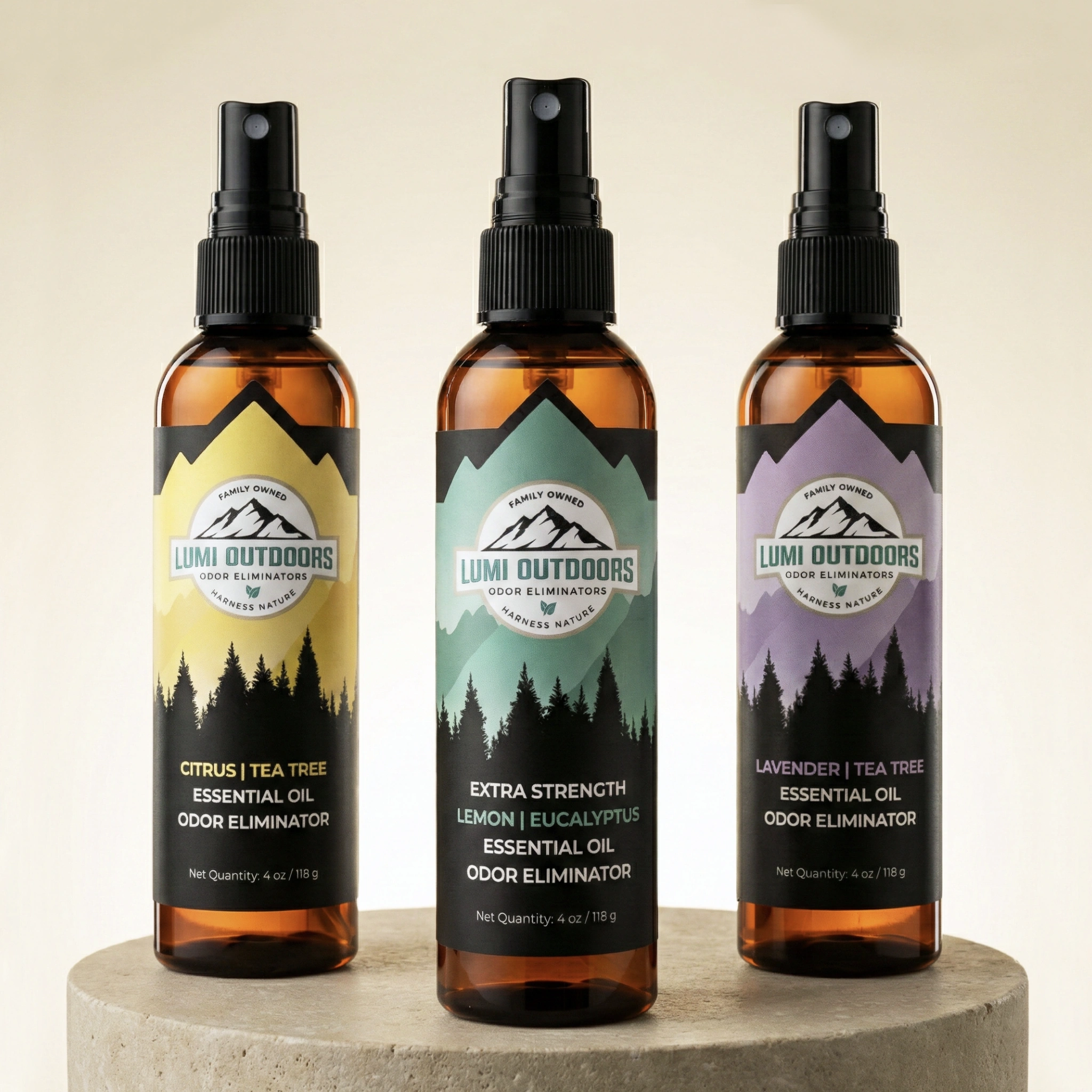
Join 1 Million+ Other People Who Chose Lumi to Conquer Their Shoe Odor.
- THE BEST VALUE: STOCK UP & SAVE
- DISCOVER YOUR FAVORITE SCENT
- PROUDLY FAMILY-OWNED & MADE IN UTAH
- THE "FRESH CONFIDENCE" GUARANTEE