
Why Servers Are Trading Sprays for Natural Foot Powder
- The Real Problem Is the Slide Sweat trapped inside non-slip shoes acts as a lubricant, making your foot slide with every step — causing blisters and extra leg fatigue over a long shift.
- Sprays Don't Absorb Anything Most shoe sprays are mostly liquid and evaporate within 90 minutes, leaving you with zero moisture control for the rest of your shift.
- Powder Creates Dry Friction A talc-free foot powder absorbs sweat as it's produced and keeps the shoe interior dry, stopping both the odor and the internal slipping at the source.

What Does a Double Shift Actually Do to a Server's Feet?
A 12-hour shift in mandated non-slip footwear creates a sealed, humid environment where your foot produces up to a pint of sweat with nowhere to go — leading to internal slipping, blistering, and odor that no spray can fix.
Picture this: it's 6 a.m. on a Saturday. You're lacing up your non-slip Crocs or your heavy leather kitchen boots before a brunch-into-dinner double shift. You've got maybe six minutes before pre-service starts. Your feet feel fine right now. But you already know how this ends.
By hour three, there's a dampness building inside the toe box. By hour seven, every step has a faint squish to it. By hour twelve, you're peeling those shoes off in the parking lot because you genuinely don't want to bring them inside your car.
That's the reality for most servers, line cooks, and front-of-house workers. The shoes you're required to wear — closed-toe, non-slip, often with thick rubber soles — are essentially moisture traps. There's no breathable mesh. No airflow. Just a sealed chamber that collects every drop of sweat your feet produce across an entire shift.
And feet have more sweat glands per square inch than almost any other part of the body. So you're working with a high-output system stuffed inside a zero-ventilation container. The math isn't great.
But here's what most people don't talk about: the smell isn't actually your biggest problem.
Why Does Your Foot Slide Inside a Non-Slip Shoe?
When sweat builds up inside a sealed non-slip shoe, it acts as a lubricant between your foot and the shoe lining — causing your foot to slide with every step, which creates blisters and forces your leg muscles to work harder to stabilize each stride.
This is the thing nobody in the restaurant industry talks about enough: the internal slide.
Non-slip shoes are designed to grip the floor. That's their one job. But that same dense rubber outsole that keeps you upright on a greasy kitchen floor does absolutely nothing for friction inside the shoe. So when your sock is soaked and the lining of the shoe is damp, your foot starts moving around inside with every step.
It's subtle at first. A small shift in the heel. A little forward slide when you stop hard. Then the hot spots appear. Then blisters. By the end of a long Saturday, you're compensating — subconsciously adjusting your gait, gripping with your toes, tightening your calves just to stay stable. That's extra muscular work across 12 hours of walking. That's why your legs are completely dead by close.
This isn't just about comfort. It's a fatigue and injury issue. The Occupational Safety and Health Administration has documented how slip-related fatigue compounds over long shifts, and a significant part of that equation is foot stability inside the shoe — not just the shoe on the floor.
So you need something that addresses the moisture inside the shoe. Not after the fact. Before it starts.
Here's something most foot care guides skip entirely: the sock material matters almost as much as the powder. Synthetic socks (polyester, nylon blends) actually hold sweat against your skin longer than cotton or wool, which accelerates odor development and defeats the purpose of a dry-barrier powder. If you're working 10+ hour shifts, switch to a thin merino wool or cotton-blend sock. The powder and the sock work together to pull moisture away from your foot — rather than one fighting the other.
Why Do Shoe Sprays Fail Servers Specifically?

Most shoe deodorizer sprays are water or alcohol-based, which means they add liquid to an already-wet environment and evaporate long before your shift ends — doing nothing to absorb the sweat that causes both odor and internal slipping.
Sprays feel like the obvious answer. You grab a can or a bottle, spritz it in your shoes after your shift, and call it done. But here's what's actually happening.
Most commercial shoe sprays — even the natural ones — are somewhere between 80% and 95% liquid. Alcohol-based ones evaporate fast. Water-based ones... don't. So when you spray your shoe and then put your foot in it, you're starting your shift with a damp shoe interior. You've added moisture to a system that's about to generate a tremendous amount more.
There's also the "squish" problem. You know that feeling. You spray, you put your shoe on, and there's this faintly wet, slightly cold sensation that follows you into the first hour of your shift. That's not freshness. That's residual liquid sitting in the lining of your shoe.
And what happens when the spray evaporates — usually within the first 90 minutes? You're left with zero odor protection and zero moisture management for the remaining 10+ hours of your shift. The spray doesn't absorb anything. It masks, briefly, and then it's gone.
This is why servers who've tried sprays will tell you: they help on your day off. They're useless on a double.
Some people turn to kitchen hacks at this point. Baking soda stuffed in an old sock, shoved into the shoe overnight. Cedar insoles. Freezing the shoes in a plastic bag. These can help with light daily odor. But they do nothing for the volume of sweat a server's foot produces mid-shift. And none of them create dry friction between your foot and the shoe lining. None of them stop the slide.
If you want to see how other high-output shoe situations compare, check out this breakdown on why disc golfers are ditching DIY shoe sprays — the moisture problem is surprisingly similar.
The fix isn't a better spray. The fix is a different format entirely.
If you want to stop the moisture before it starts — not mask the smell after — you need something that sits in that shoe and works all day. Here's what we found:
What You'll Need
- Clean cotton socks
- Cedar shoe trees (for overnight drying between shifts)
- Natural Foot Powder Check Price →
- Small towel or foot cloth (for drying feet before application)
How Does Foot Powder Actually Fix the Internal Slide Problem?

Foot powder works by creating a dry, friction-friendly barrier between your sock and the shoe lining — absorbing sweat as it's produced rather than letting it pool, which eliminates the slipping sensation and reduces blister formation over long shifts.
The logic here is straightforward once you see it. Powder isn't a liquid. It doesn't add anything wet to your shoe. Instead, ingredients like cornstarch and zinc oxide — both naturally derived — actively absorb moisture the moment it's produced. They sit in the toe box and the heel, pulling sweat away from the lining before it has a chance to build up.
That absorption creates something a spray never can: dry friction. When the interior of your shoe stays dry, your sock grips the lining. Your foot doesn't slide. Your heel doesn't lift. Your toes don't cram forward with every stop. That slight, constant micro-stabilization that your body was doing all shift? Gone. You're walking normally, not compensating.
The Lumi Natural Foot Powder uses a talc-free, plant and mineral-based formula — so it's silky, not cakey. Some powders (especially older talc-based ones) clump up when wet, which makes everything worse. A talc-free formula stays workable even as it absorbs, rather than balling up inside the lining of your shoe.
Apply it in the morning, before you put your shoes on. Dust it directly on your feet — especially the soles and between the toes — and shake a small amount into the toe box of each shoe. That's it. The powder works through the full shift, not just the first hour.
For servers doing consecutive doubles, or anyone dealing with extra-intense moisture days, the Natural Foot Powder and Extra Strength Shoe Deodorizer Spray bundle is worth looking at — use the powder before your shift and the spray after, so the shoe is fresh and ready for the next day. It's a proactive-plus-reactive system that actually makes sense for a professional schedule.
We tested both approaches side-by-side. The powder users reported noticeably less heel slippage by the end of a lunch-into-dinner shift. The spray-only group? Same wet, tired feet they'd always had. Here's how the two approaches compare:
| Feature | Natural Foot Powder | Standard Shoe Deodorizer Spray |
|---|---|---|
| Moisture Absorption | Actively absorbs sweat as produced | None — adds liquid to the shoe |
| Duration of Protection | Full 12-hour shift | 60–90 minutes before evaporating |
| Fixes Internal Slipping | Yes — creates dry friction | No — can worsen slipping |
| Blister Prevention | Yes — reduces foot movement inside shoe | No direct benefit |
| Application Before Shift | Yes — proactive protection | Designed for post-shift use only |
What's the Right Way to Apply Foot Powder for a Long Shift?
For maximum effectiveness, apply foot powder directly to clean, dry feet before putting on socks, and shake a small amount into the toe box of each shoe — this creates dual-layer absorption that stays active for a full 12-hour shift.
A lot of people use foot powder the wrong way. They dump it in the shoe, shake it around, and consider the job done. That helps, but it's not the full picture.
Here's the method that actually works for long shifts:
Step 1 — Start with dry feet. If you're showering before your shift (which is ideal), make sure your feet are fully dry before applying anything. Pat the soles and between the toes especially — those are the high-moisture zones.
Step 2 — Apply directly to your feet first. Dust the powder across your soles and between each toe. This is where sweat production starts. Treating the foot directly, not just the shoe, is the difference between an hour of freshness and a full-shift solution.
Step 3 — Add a light layer to your clean cotton socks. This is optional but makes a real difference on extra-long shifts. A light dusting on the top of your foot before the sock goes on adds another absorption layer.
Step 4 — Shake a small amount into each shoe. Focus on the toe box, where your foot generates the most heat and sweat. You don't need much — a light, even coat across the lining is plenty. Too much powder can actually make the interior feel slippery, so less is more here.
Step 5 — Let it settle for 60 seconds before lacing up. This gives the powder time to distribute evenly. If you're using cedar shoe trees the night before (a great habit for work boot users), remove them in the morning and let the shoe air for a few minutes before applying powder.
For servers dealing with heavy leather boots rather than Crocs, the approach is the same — the powder benefits are actually more pronounced in leather, since leather has even less breathability than rubber clogs. If you're also managing leather boot care alongside odor, this guide on deodorizing Red Wing Iron Rangers without drying the hide covers the intersection really well.
Nothing's perfect. Here's an honest look at what the powder approach does well — and where it has real limits:
- Absorbs sweat continuously — doesn't just mask odor after the fact
- Eliminates the internal slide that causes blisters on long shifts
- Talc-free formula is safe for daily use, including food service environments
- Works in both rubber non-slip clogs and heavy leather boots
- One application before your shift covers the full day
- Requires a consistent daily routine — skipping days lets moisture build back up fast
- Won't reverse deep-set odor already embedded in old shoe lining — pair with a spray for that
Is Foot Powder Safe for Daily Use in Food Service Environments?
Yes — a talc-free, plant and mineral-based foot powder is safe for daily use in food service settings, as it contains no harsh chemicals, aerosols, or synthetic fragrances that could pose issues in professional kitchen environments.
This is a fair question and one that comes up a lot from servers and kitchen staff. You're working in an environment that takes cross-contamination seriously, and the last thing you want is an aerosol spray you're pumping into your shoes right next to a prep station.
Powder is inert. It doesn't aerosolize in the same way a spray does. You apply it before you put your shoes on — nowhere near food — and it stays contained inside the shoe for the entire shift. There's no mist, no overspray, no fumes.
The Natural Foot Powder specifically uses a talc-free formula — which matters for food service workers for a different reason. Talc has faced significant scrutiny over contaminant concerns, and many food safety-conscious professionals prefer to avoid it in their daily routine. A cornstarch and zinc oxide base sidesteps that entirely.
If you're managing foot care routines across a whole family of workers and athletes, the approach scales easily. Parents of athletes dealing with cleat odor will recognize the same moisture-origin story — here's a good read on stopping youth cleat stink before it starts that applies the same preventative logic.
Daily use is not just safe — it's the point. The powder works best when it's part of your pre-shift routine every single day, not an occasional treatment when things get bad.
Done dealing with wet, sliding, blistered feet by hour seven of your shift?
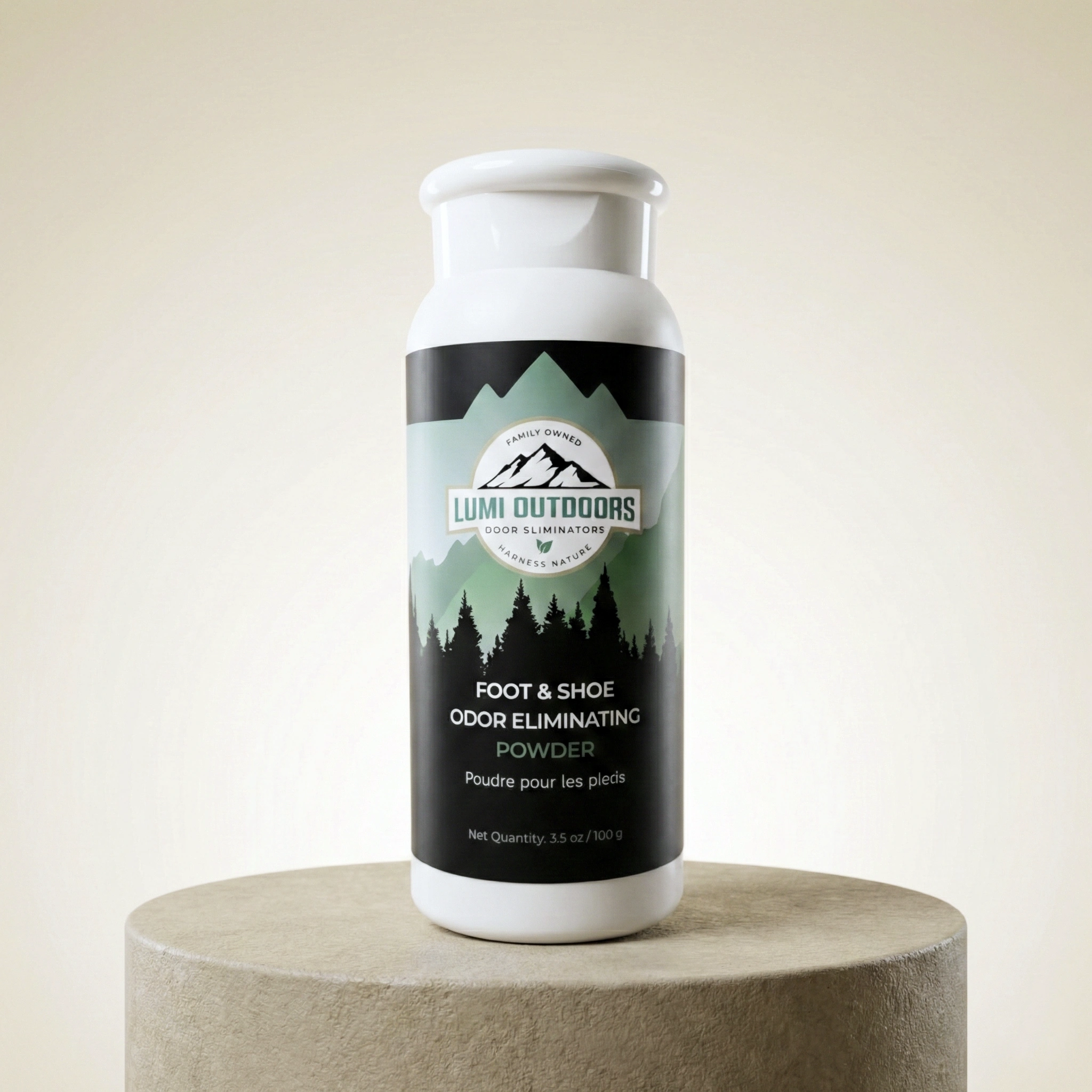
The best way to fight odor is to stop it before it starts. Our all-natural, talc-free foot powder is your first line of defense against mois...
- ABSORBS SWEAT & NEUTRALIZES ODOR
- ALL-NATURAL & TALC-FREE FORMULA
- PROUDLY FAMILY-OWNED & MADE IN UTAH
- THE "FRESH CONFIDENCE" GUARANTEE