
3 Simple Ways to Neutralize Frito Feet Smell After a Marathon Run
- It's Not Just Sweat Elevated glucose in sweat feeds odor-causing bacteria, which is why diabetic foot odor has that distinctive corn-chip smell after a run.
- Skip the Alcohol Sprays Harsh alcohol-based products cause micro-tears in diabetic skin, making the odor problem worse and raising infection risk.
- Three Steps Beat the Smell Remove insoles immediately, use baking soda overnight, and follow up with a plant-based botanical spray to neutralize odor at the source.

You finish a marathon. You pull off your shoes, and there it is—that warm, corn-chip smell that practically fills the room. If you've got a history of high blood sugar or you're managing diabetes, that smell isn't just sweat. It's a sign your body's chemistry is working overtime.
The Frito feet phenomenon has a real biological explanation. Research published through the NIH shows that elevated glucose in sweat shifts skin pH toward a more acidic environment—and that's exactly the condition where odor-producing bacteria thrive. More glucose in sweat means more food for bacteria, which means more of that signature corn-chip smell. It's not a hygiene failure. It's biochemistry.
So, what do you do about it? And more specifically, what do you not do—especially if you have diabetic skin that needs gentler care? Here are 3 simple, practical steps that actually work.
1. Why Does Diabetic Foot Odor Smell Like Fritos After a Run?
The corn-chip smell comes from a specific strain of skin bacteria called Brevibacteria and Staphylococcus epidermidis, which feed on glucose-rich sweat and release isovaleric acid as a byproduct. People with elevated blood sugar produce more glucose in their sweat, giving these bacteria more fuel—and more odor.
Here's what's happening at skin level: during a marathon, your feet can produce up to a pint of sweat. For most people, that's manageable. But if blood glucose is elevated—even slightly—that sweat carries more sugar. Bacteria on your skin feast on it. The metabolic byproduct is isovaleric acid, and yes, it smells exactly like corn chips or Fritos.
Understanding this helps you stop chasing the symptom (the smell) and start addressing the source (the glucose-rich, moisture-drenched environment). That's the whole game plan for the steps below.
Most runners focus only on deodorizing the shoe—but the insole is doing 80% of the odor work. Insoles are compressed foam that holds sweat and bacteria for hours after a run, and no spray can fully penetrate them while they're still inside the shoe. Pull them out after every long run and spray them separately, letting them dry completely before reinserting. If your insoles are older than six months and you run more than 20 miles a week, replacing them is the single fastest odor fix most runners never try.
2. What Happens When You Use Harsh Alcohol Sprays on Diabetic Skin?

Alcohol-based foot sprays cause micro-tears and dryness in already-compromised diabetic skin, disrupting the protective barrier and making odor—and infection risk—significantly worse over time.
This is the myth we need to bust. A lot of runners reach for alcohol-heavy sprays or hydrogen peroxide rinses after a race. And sure, they work in the short term—they do clear out odor fast. But on diabetic skin, that tradeoff is not worth it.
The American Diabetes Association is clear that people with diabetes need to protect foot skin integrity carefully. Alcohol strips the skin's natural oils, causes micro-abrasions you can't see, and disrupts the pH balance you're already trying to correct. You end up with drier, more cracked skin—and a much more welcoming environment for the bacteria you were trying to get rid of.
The same logic applies to antibacterial soaps loaded with triclosan or heavily fragranced powders with talc. They're harsh. They're not designed with diabetic skin in mind. And they leave the root problem—glucose-rich moisture—completely unaddressed.
If you've ever noticed that your feet smell worse a day after using those sprays, that's why. You stripped the skin's defenses and left the door wide open.
What You'll Need
- Cedar shoe inserts
- Baking soda
- Natural Citrus Tea Tree Shoe Deodorizer Spray Check Price →
- Removable insoles
3. How Do You Actually Neutralize Frito Feet Smell Without Irritating the Skin?

The most effective approach is a three-part routine: remove and air out insoles immediately after a run, use a moisture-absorbing material to pull sweat from the shoe interior, and apply a botanical spray formulated with tea tree oil and citrus—both of which target odor at the source without disrupting skin pH.
Here's the routine, step by step. You'll need three things: a pair of cedar shoe inserts (or just cedar chips in a mesh bag), baking soda, and a natural botanical shoe spray like the Natural Citrus Tea Tree Shoe Deodorizer Spray.
Step A: Pull the Insoles Out Immediately
Don't leave them in. The moment you take off your running shoes, pull the insoles out and let them air separately. This one step dramatically speeds up drying time and keeps the shoe's interior from becoming a closed, humid odor chamber. If your insoles smell bad on their own, that's your signal to replace them—insoles hold bacteria like a sponge.
Step B: Use Baking Soda to Absorb Overnight
Sprinkle a small amount of baking soda directly into each shoe and let it sit overnight. Baking soda is alkaline, which helps counteract the acidic pH environment that's driving the bacterial activity. Tap it out in the morning before wearing. You can also stuff the shoes with cedar shoe inserts—cedar naturally pulls moisture while leaving a clean, woody scent that doesn't overpower. For more on why washing your shoes isn't always the answer, check out why washing smelly gym shoes is actually making them stink more.
Step C: Spray with a Botanical Formula—Not a Chemical One
Once the shoe is dry and the baking soda is tapped out, give the interior two or three sprays of a plant-based deodorizer. The Natural Citrus Tea Tree Shoe Deodorizer Spray works well here—tea tree oil targets odor-causing bacteria without the harsh pH disruption of alcohol, and the citrus oils leave a clean, energizing scent instead of that chemical aerosol smell. For feet that need even more firepower, the Extra Strength Shoe Deodorizer Spray uses a lemon-eucalyptus formula that's our strongest natural option without any harsh chemicals.
And if your feet themselves are the issue—not just the shoes—you can apply the spray to a cloth and wipe down your feet after a shower. The botanical formula is gentle enough for skin contact.
For those dealing with odor in flats or sockless footwear (a separate nightmare), this piece on why your flats smell without socks explains a lot about what's actually going on.
We compared our natural botanical spray against common aerosol-based chemical sprays—and the difference isn't just in the scent profile. It's in the chemistry and the skin safety profile.
| Feature | Natural Citrus Tea Tree Shoe Deodorizer Spray | Standard Aerosol Alcohol Spray |
|---|---|---|
| Safe for Diabetic Skin | Yes — plant-based, pH-friendly formula | No — alcohol causes dryness and micro-tears |
| Odor Elimination Method | Neutralizes odor at the bacterial source | Masks smell temporarily with synthetic fragrance |
| Ingredients | 100% plant-based essential oils | Alcohol, synthetic perfumes, propellants |
| Safe for Shoe Materials | Yes — mesh, leather, synthetics | Can degrade adhesives and leather over time |
| Scent | Clean, natural citrus | Heavy chemical aerosol |
| Price Point | Mid-range — lasts months with daily use | Often cheaper upfront |
Keeping your routine consistent matters more than any single product. Runners who do this three-step routine after every long run typically notice a big improvement within a week—because they're stopping the bacterial cycle before it restarts, not just masking it after the fact.
Nothing's perfect. The natural route works, but it does require sticking to it—especially after race days when you're exhausted and the last thing you want to do is sprinkle baking soda in your Hokas. Here's the honest breakdown:
- Plant-based formula is safe for sensitive and diabetic skin
- Tea tree and citrus oils neutralize odor rather than masking it
- Works on all shoe types—running shoes, cleats, work boots
- No harsh chemicals, parabens, or alcohol
- Quick and easy to apply after every run
- Requires consistent daily use—skipping sessions lets odor rebuild quickly
- Botanical sprays cost slightly more upfront than drugstore aerosols
What's the Best Daily Maintenance Routine to Prevent Frito Feet Smell from Coming Back?
Daily prevention comes down to moisture control, regular airing, and a quick botanical spray—done consistently, this routine stops odor from building up in the first place rather than treating it after it's already bad.
Prevention is genuinely easier than treatment. Once the bacterial cycle gets going in a shoe—especially a well-worn marathon trainer that's seen hundreds of miles—it takes real effort to reset. But keeping it from getting bad? That's a two-minute-a-day habit.
After every run, pull the insoles out and prop the shoes somewhere with airflow. Not in a bag. Not in your gym bag's dark, airless bottom. Give them air. Then, every two or three days, hit the interior with a spray. That's it. The cedar inserts do their job passively—you don't have to do anything with them beyond placing them in the shoe each night.
If you're managing blood glucose levels and noticing your shoes smell worse during certain periods—that correlation is real. Keeping glucose in range doesn't just help your health; it directly reduces the fuel load for odor-producing bacteria. Your podiatrist and your nose are on the same team here.
For runners dealing with gear odor beyond just shoes—things like compression socks, insoles, and even the washer itself—removing washing machine gasket smell is a related problem worth knowing about, especially if your gear is coming out of the wash smelling less than fresh.
And if you've been skeptical about whether natural sprays are strong enough—especially for serious runners—take a look at why 31,000+ reviewers trust the Extra Strength Spray. Real people, real running shoes, real results.
Ready to stop dreading taking your shoes off after a run?
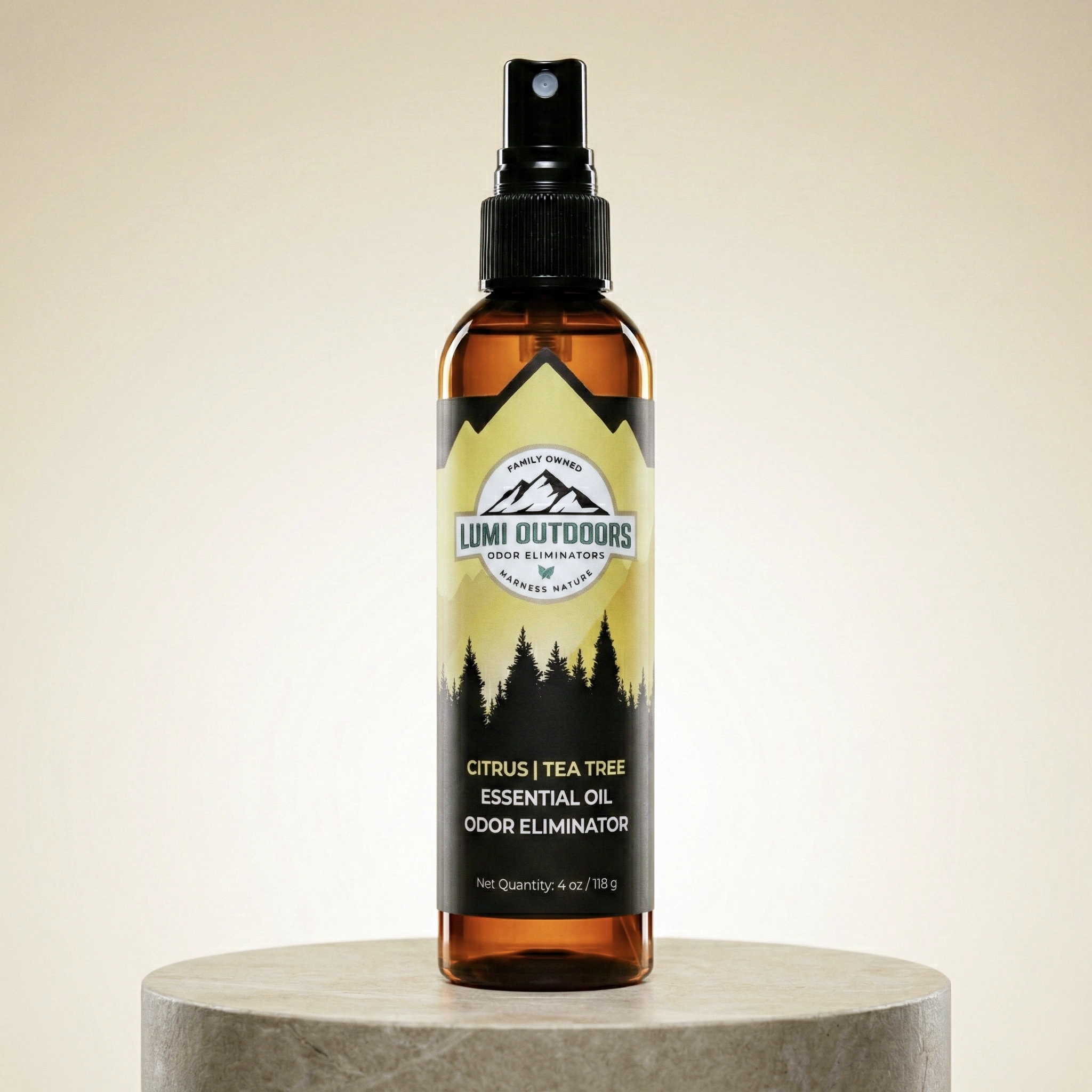
Join 1 Million+ Other People Who Chose Lumi to Conquer Their Shoe Odor.
- DESTROYS ODOR AT THE SOURCE, DOESN'T JUST MASK IT
- ALL-NATURAL & PLANT-BASED INGREDIENTS
- PROUDLY FAMILY-OWNED & MADE IN UTAH
- THE "FRESH CONFIDENCE" GUARANTEE