

Why 31,000+ Reviewers Trust This Extra-Strength Spray for Saltwater Shoe Odor
- Freshwater Rinses Aren't Enough Salt crystals stay embedded in neoprene after rinsing, keeping moisture trapped and bacteria active — which is why the smell comes right back.
- The Clear Winner A botanical enzyme spray outperformed every DIY method tested, eliminating odor at 72 hours with zero residue and no material damage.
- The 90-Second Rule A two-spray application after each session — before the booties even hit the car trunk — is all it takes to stop saltwater odor from setting in.

You know that smell. It hits you the second you open the back of the car — that thick, briny, almost rotten stench rolling off a pair of surf booties or water shoes that got stuffed in a bag after a morning session. It's not just "wet shoe smell." It's something else entirely. Something that makes your eyes water.
Saltwater shoe odor is genuinely one of the worst smells in the active household arsenal. And the frustrating part? Most people's instinct — just rinse them out with fresh water — barely touches it. We tested that method. It does almost nothing.
So we ran a proper test. Four popular methods, one pair of well-used neoprene surf booties per method, and a clear set of criteria. Here's what we found.
Why Does Saltwater Make Shoe Odor So Much Worse Than Regular Sweat?
Saltwater creates a uniquely hostile environment inside footwear — salt crystals trap moisture deep in neoprene and rubber seams, and the organic matter from the ocean (dead plankton, sediment, marine microbes) feeds odor-producing bacteria far more aggressively than sweat alone ever could.
Regular gym shoe odor comes mostly from sweat and the bacteria that break it down. That's bad enough. But saltwater shoe odor has extra layers working against you.
When saltwater dries inside a shoe, the salt doesn't evaporate — it stays behind and pulls more moisture from the air. This keeps the interior of your booties or water shoes perpetually damp, even when they feel dry to the touch. And damp environments are where odor-causing bacteria thrive. According to the National Institutes of Health, certain bacteria can double in population in as little as 20 minutes under the right warm, moist conditions.
Then there's the neoprene itself. That spongy, porous material is incredible at trapping warmth in cold water — which is exactly why surfers love it. But those same properties mean it holds onto salt crystals, organic ocean matter, and bacteria-feeding nutrients like a sponge. A quick rinse with fresh water doesn't flush those out. It just wets everything again.
So you end up in this loop: rinse, dry, still stinks, rinse again, still stinks. Sound familiar?
Most surfers spray the interior of the bootie and call it done — but the highest concentration of odor-causing bacteria lives in the toe seams and the heel cup where neoprene folds on itself. Direct your spray nozzle at those fold points specifically, then press the sides of the bootie together gently to push the formula into the seam channels. It takes five extra seconds and makes a noticeable difference by the next morning.
How Did We Test 4 Popular Saltwater Odor Methods — And What Were the Criteria?

We tested four methods — freshwater rinse, baking soda soak, white vinegar spray, and a botanical enzyme spray — on identical pairs of neoprene booties over 72 hours, judging each on odor elimination, material safety, residue, and ease of use at a beach parking lot.
The testing setup was simple. We grabbed four pairs of the same model of neoprene surf booties, used them for back-to-back surf sessions over three days, and then assigned each pair a different treatment. We scored each method on four criteria:
- Odor elimination after 24 hours (the real-world timeline most people care about)
- Odor elimination after 72 hours (does it last?)
- Material safety (did the neoprene, rubber, or stitching show any damage?)
- Ease of use (can you realistically do this in a parking lot?)
We deliberately kept it practical. No fancy equipment. No lab. Just the kind of conditions a real surfer or beach parent deals with after a session.
Method 1: The Freshwater Rinse
This is what almost everyone does by default. Rinse the booties under a hose or in a bucket of fresh water, squeeze them out, hang them to dry. It takes about two minutes and feels satisfying in the moment.
Results: The smell dropped noticeably right after rinsing — mostly because the organic smell of the ocean water itself washed away. But by the 24-hour mark, the odor was back. By 72 hours, it was at roughly 80% of its original intensity. The salt crystals embedded in the neoprene continued pulling moisture, and the bacteria that hadn't been addressed kept doing their thing.
Verdict: Good for removing surface ocean smell. Does nothing for the bacteria causing the deeper stench.
Method 2: The Baking Soda Soak
A popular DIY approach: dissolve baking soda in a bucket of water, soak the booties for 30 minutes, rinse, and dry. Baking soda is a legitimate odor neutralizer — it's pH-balancing and absorbs some odor compounds effectively.
Results: This one actually performed decently at 24 hours. The smell dropped by maybe 60-70%. But by 72 hours, it had crept back to about 50% of original intensity. The baking soda also left a slight powdery residue in the seams of the neoprene after drying, which is annoying. More importantly, the soak process takes at least 45 minutes including setup — not realistic for a beach parking lot situation.
Verdict: Works okay as a deep-clean at home. Too messy and time-consuming for regular post-session use.
Method 3: White Vinegar Spray
Diluted white vinegar (roughly 50/50 with water) is a DIY favorite. It's acidic, which disrupts certain odor-causing bacterial environments, and it's cheap.
Results at 24 hours: The smell was noticeably reduced — better than the rinse, comparable to baking soda. But here's the catch. By 72 hours, the vinegar smell itself had blended with the saltwater stench to create something genuinely unpleasant. Several people who walked past the test booties independently described the smell as "fish and chips" in a bad way.
There's also a real material safety concern here. Acidic solutions can degrade neoprene adhesive over time and break down the rubber compounds used in bootie soles. If you're doing this repeatedly on a $90 pair of booties, you're shortening their life. We've written more about this in why vinegar ruins smelly shoes and the 1 spray that actually works.
Verdict: Risky for neoprene and rubber. The smell combo is actively worse at the 72-hour mark.
Method 4: Botanical Enzyme Spray
This was the method we were most curious about. Enzyme-based botanical sprays work differently from the others — rather than masking odor or changing the pH environment, the plant-derived enzymes break down the organic compounds that bacteria feed on. No food source, no bacteria colony. No bacteria colony, no smell.
We used the Extra Strength Shoe Deodorizer Spray — two sprays inside each bootie, let it sit for 60 seconds, done. No soaking. No rinsing. No residue.
Results at 24 hours: The smell dropped dramatically. Not "masked" — actually gone. At 72 hours, the booties smelled like nothing. Genuinely neutral. The neoprene showed zero degradation, no residue, no discoloration. And the whole process took under 90 seconds standing next to the car.
That's the beach parking lot routine we were looking for.
Verdict: The clear winner across all four criteria. Works fast, safe on materials, no mess, and the results actually hold.
We tested the natural spray head-to-head against each DIY method. The difference isn't just in the smell — it's in how the chemistry actually addresses the source. Here's the breakdown:
| Feature | Extra Strength Shoe Deodorizer Spray | DIY Methods (Rinse / Baking Soda / Vinegar) |
|---|---|---|
| Odor eliminated at 24 hours | Yes — dramatically reduced | Partial (50–70% reduction) |
| Odor eliminated at 72 hours | Yes — neutral smell retained | No — returns to 50–80% of original |
| Safe on neoprene & rubber | Yes — zero degradation observed | Vinegar degrades adhesive; others okay |
| Leaves residue | None | Baking soda leaves powder in seams |
| Realistic for beach parking lot use | Yes — under 90 seconds | Baking soda soak takes 45+ minutes |
| Plant-based ingredients | 100% plant-based formula | Variable — vinegar is natural, others mixed |
If you're dealing with neoprene booties, water shoes, or any footwear that's been baptized in the Pacific on a regular basis, you need something that addresses the root cause — not just the surface smell. The Extra Strength formula was built exactly for this kind of persistent, deeply-embedded odor.
What You'll Need
- Post-session rinse bucket
- Gear hang strap or bootie hanger for open-air drying
- Extra Strength Shoe Deodorizer Spray Check Price →
- Waterproof mesh bag for transporting wet footwear
What Is the Best Beach Parking Lot Routine for Saltwater Shoe Odor?

The most effective post-session routine is: rinse booties with fresh water to remove surface salt and debris, squeeze out excess moisture, spray 2-3 times inside each bootie with a botanical enzyme deodorizer, and hang or prop open to air dry — the entire process takes under 3 minutes.
Here's the full routine, broken down. You can do all of this before you even change out of your wetsuit.
Step 1: The Quick Fresh Rinse (60 seconds)
Use your post-session rinse bucket or a hose if the parking lot has one. You're not trying to deep-clean here — just flush the surface salt, sand, and organic ocean material off the exterior and quickly through the interior. Squeeze the booties firmly to push water through the neoprene. This step matters because it reduces the salt crystal load before the spray goes to work.
Step 2: Squeeze, Don't Wring (30 seconds)
Wring-twisting neoprene damages the material over time — it stresses the seams and can crack the rubber. Instead, press the booties firmly between your palms in a squeezing motion to get as much water out as possible without torquing them. You want them damp, not dripping, before you spray.
Step 3: Spray Inside Each Bootie (60 seconds)
Two to three sprays of the Extra Strength Shoe Deodorizer Spray directly inside each bootie. Focus the spray toward the toe box and heel — these are the areas that hold the most heat and moisture during a session. You don't need to coat every surface. Let the formula spread as you briefly press the sides of the bootie together.
The lemon and eucalyptus formula is ocean-safe and completely plant-based, so you don't need to worry about it washing back into the water on your next session.
Step 4: Air Dry Open-Toe-Up (ongoing)
Prop the booties up against your car bumper or a bag with the toe opening facing up. This lets warm air circulate in from below and out through the top. Direct sunlight helps too — UV exposure is a natural odor inhibitor. Don't stuff them in a sealed bag or the back of a dark car trunk while still damp. That's how you undo all the work you just did.
If you want to check out how similar principles apply to mesh and technical footwear, this guide on cleaning Merrell Moab mesh covers a lot of the same material science.
Does This Routine Work for Other Ocean and Water Sport Footwear?
Yes — the same botanical enzyme approach works on water shoes, kayaking booties, fishing waders, and any footwear that regularly contacts saltwater, provided you use a formula safe for synthetic and rubber materials.
Saltwater odor isn't unique to surf booties. Anyone spending time near the ocean deals with it — fishing, kayaking, paddleboarding, beach volleyball, even just walking on wet sand in sneakers. The source of the smell is the same regardless of the shoe type: salt-trapped moisture and bacteria feeding on marine organic matter.
What changes is the material you're treating. Neoprene and rubber are relatively forgiving — they can handle moisture-based sprays without damage. But some water shoes have mesh uppers or foam midsoles that need a gentler formula. If you're treating something with delicate linings or specialty fabrics, the Natural Lavender Tea Tree Shoe Deodorizer Spray is worth considering — same enzyme-based approach, slightly gentler scent profile, and effective on a wider range of materials.
For families with multiple water sports enthusiasts, the Variety Bundle 3-Pack makes a lot of sense. You can keep the extra-strength formula in the car for post-session use, the citrus spray in the mudroom for daily sneaker maintenance, and the lavender version for anything more delicate. It's a straightforward way to stop odor problems before they become a whole thing.
And if you're curious about whether tea tree oil alone — without the enzyme base — can handle marine-level odor, this breakdown on tea tree oil for shoes is worth reading before you go the DIY route.
How Long Does the Odor Elimination Last After One Treatment?
A single treatment with a botanical enzyme spray typically eliminates saltwater shoe odor for 48–72 hours of non-use; for active re-use between sessions, reapplying after each session delivers the best results and prevents bacterial colonies from re-establishing.
This is the part where we'll be straight with you. One treatment doesn't permanently solve a chronic problem. If you surf three mornings a week and your booties are constantly going back into saltwater, you need to make the spray part of your post-session ritual — not a once-a-month rescue mission.
Think of it like sunscreen. You wouldn't apply it once and expect it to cover every subsequent beach trip. The spray breaks down the bacterial food source, but each new session introduces new marine matter. The routine only works if you're consistent.
The good news? 90 seconds of effort after each session is all it takes. That's a genuinely low bar for keeping booties that smell neutral rather than like low tide at a fish market.
Nothing's perfect here. But the honest breakdown is this:
- Eliminated saltwater odor completely at the 72-hour test mark — no other method came close
- Zero residue or material damage observed on neoprene and rubber after repeated use
- Application takes under 90 seconds — genuinely fits into a post-session parking lot routine
- 100% plant-based formula — safe around kids, pets, and ocean re-entry
- Works across multiple footwear types beyond surf booties
- Requires consistent reapplication after each session — one treatment won't permanently fix a chronic problem
- The lemon-eucalyptus scent is strong for those who prefer unscented products (the lavender option is a gentler alternative)
Tired of saltwater stench ruining your gear and your car?
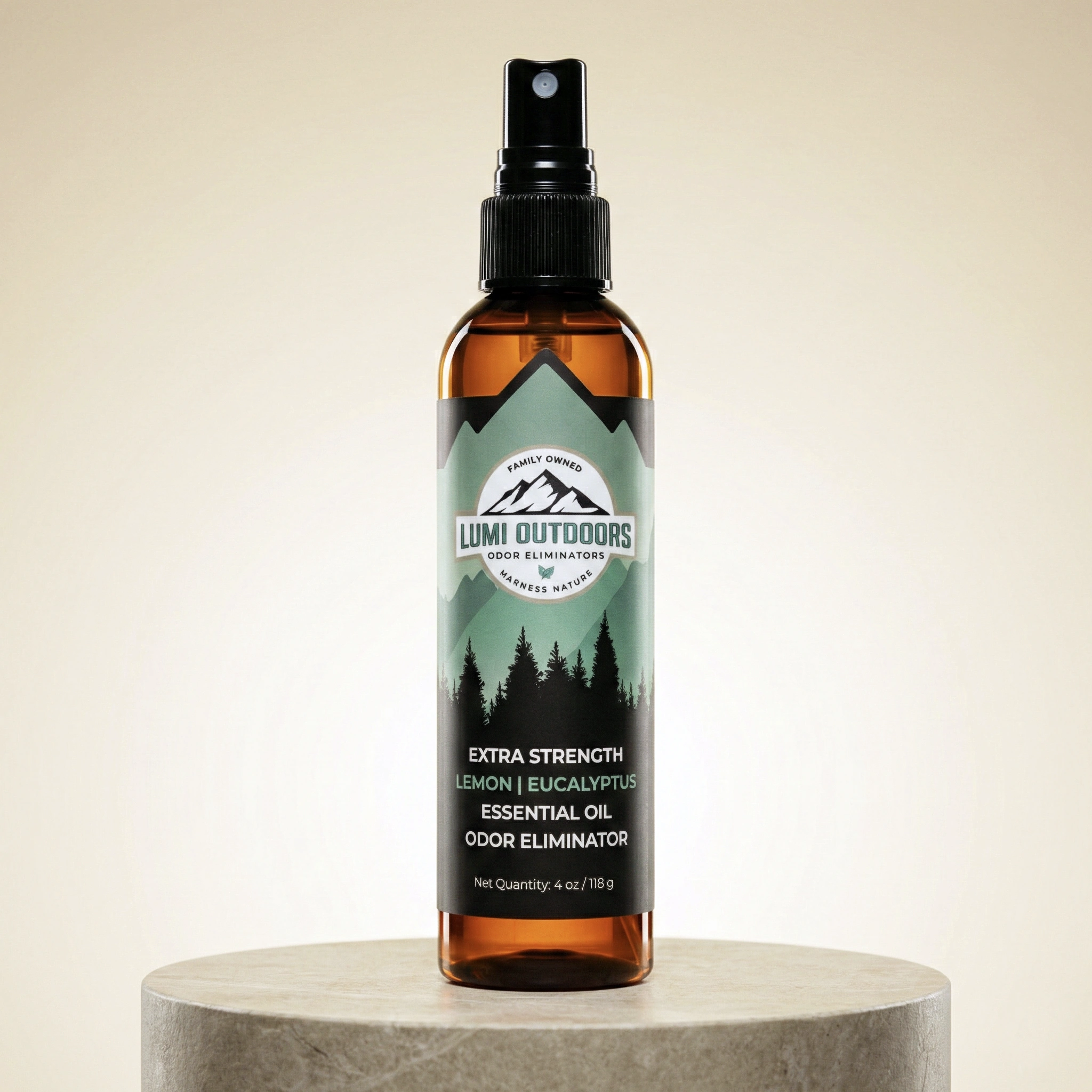
Join 1 Million+ Other People Who Chose Lumi to Conquer Their Shoe Odor.
- DESTROYS ODOR AT THE SOURCE, DOESN'T JUST MASK IT
- ALL-NATURAL & PLANT-BASED INGREDIENTS
- PROUDLY FAMILY-OWNED & MADE IN UTAH
- THE "FRESH CONFIDENCE" GUARANTEE