
Why Your Flats Smell Without Socks (And the 2026 Extra-Strength Botanical Solution)
- No Sock = No Barrier Bare skin transfers oils and sweat directly into your flat's insole, feeding the bacteria that cause that persistent sour smell.
- No-Show Socks Fail They slip off within hours and can cause blisters, leaving you back to barefoot contact—without solving the root odor problem.
- DIY Fixes Make It Worse Vinegar damages shoe linings, baking soda only handles surface moisture, and wet insoles can warp the shoe's structure permanently.
- The 60-Second Fix A plant-based botanical spray that neutralizes odor molecules—rather than masking them—is the only consistent solution for barefoot flat wearers.

You've slipped off your flats at a friend's house—or after a long day at work—and that smell hit you before anyone else noticed. Maybe. You hope. The awkward thing is, flats look so clean. They're not muddy cleats or sweaty gym shoes. So why do they smell so bad?
Short answer: no barrier. When you wear flats without socks, your bare skin sits directly on the insole, all day long. Every step is a little friction-and-heat event that transfers sweat, body oils, and dead skin cells straight into the fabric. That's a buffet for the bacteria that live on your feet.
And once it starts, it doesn't stop on its own.
Why Do Flats Smell So Much Worse Without Socks?
Without socks, bare skin transfers sweat, oils, and dead skin cells directly onto the insole with every step. Those organic materials feed odor-causing bacteria, which produce the sulfuric compounds responsible for that sour, persistent smell. A thin cotton sock barrier would absorb and redirect most of that—without it, the insole takes all of it.
Your feet have around 250,000 sweat glands in total. A good chunk of those live in the soles of your feet. When you slide into a pair of flats and head out for the day, those glands don't clock out. They sweat. The insole absorbs it. The bacteria digest it. The smell is the byproduct.
It's basic biology—but it's also completely fixable. The problem isn't your feet. The problem is the environment you've created inside that flat: warm, dark, moist, and full of fuel.
Ballet flats and pointed-toe flats are especially bad offenders because of their construction. They tend to use thinner insoles and less breathable materials. There's not much airflow. The sweat has nowhere to go but deeper into the shoe.
What You'll Need
- Soft-bristled insole brush
- Cedar shoe trees
- Extra Strength Shoe Deodorizer Spray Check Price →
- Newspaper for stuffing and moisture absorption
Why Don't No-Show Socks Actually Solve the Problem?
No-show socks are designed to be invisible, not functional—they're made with minimal fabric and often slip off the heel within an hour of wear, leaving your bare skin on the insole anyway. For most flat wearers, they create a new problem (blisters) without fully solving the original one (odor).
If you've tried the no-show sock route, you probably already know this story. You put them on in the morning, excited that today is the day you finally solved it. By lunchtime, the sock has migrated to the arch of your foot. By 3 p.m., you've given up and pulled them off entirely. Now you're back to bare skin on insole.
Some no-show socks have silicone heel grips, which helps. But even those aren't perfect on every flat cut. And if you've ever felt a silicone-edged sock fold up under your heel during a long walk? That blister is memorable for all the wrong reasons.
So the "just wear socks" advice doesn't really hold up. Flats are often chosen specifically because they look polished and clean—and shoving a visible sock into them defeats the whole point. You need a solution that works without disrupting the shoe's style or fit.
Most people spray the center of the insole and call it done—but the real odor hotspots in flats are the toe box and the heel cup, where skin friction and heat are most intense. Give those two zones an extra burst each, and let the shoe sit open (not in a bag or box) for at least 30 minutes before wearing. That airflow window is what lets the botanical compounds actually work rather than just sitting on the surface.
What Are the Worst Things You Can Do to a Smelly Flat?

The most damaging moves are soaking the insole in water, applying undiluted vinegar directly to the lining, or using baking soda paste inside a flat—each of these can warp the shoe's structure, damage the lining material, and set the odor deeper into the insole foam rather than neutralizing it.
People reach for vinegar because it's acidic and it does technically disrupt odor-causing bacteria. But it also degrades adhesive bonds in the shoe construction, can stain fabric linings, and leaves its own distinct sour smell that mixes with—not replaces—the original odor. We've written more about why that's a losing trade-off in this piece on why vinegar ruins smelly shoes.
Baking soda is gentler, but it only absorbs surface moisture. It can't reach the oils already embedded in insole foam, and it leaves a white residue that clumps in the toe box. If you've ever shaken baking soda out of a flat only to feel gritty powder under your feet for the rest of the day, you know exactly what we mean.
And wet insoles? The worst. Water loosens the glue that bonds the insole to the midsole, encourages more bacterial growth if the shoe doesn't dry fully, and can cause the flat to deform. A lot of ballet flat insoles are made from EVA foam or compressed cardboard—neither handles moisture well.
We also tested 14 popular home remedies specifically for flats, and the results are laid out in detail in this round-up on smelly flat shoe fixes. Spoiler: the DIY methods largely disappoint.
What Do You Actually Need to Refresh Smelly Flats Without Socks?
You need three things: a gentle insole brush to lift surface residue, shoe trees or newspaper to maintain shape and draw out moisture overnight, and a plant-based deodorizer spray that can neutralize odor compounds already embedded in the insole material—not just mask them.
Here's the honest reality. Flats that have been worn barefoot for months have accumulated layers of oils, proteins, and moisture deep in the insole. A one-time fix won't reset all of that overnight. But a consistent routine—maybe 60 seconds per day—can turn things around in about a week and keep them from getting bad again.
The spray is the part most people skip or get wrong. Standard aerosol shoe sprays are mostly synthetic fragrance. They make the shoe smell like "clean linen" for about 20 minutes, then the original odor reasserts itself underneath. What you actually need is something that changes the chemistry of the odor molecules—not just covers them up.
That's where botanical formulas earn their keep. Tea tree oil, eucalyptus, and lemon-derived compounds have documented properties that interact with the volatile sulfur compounds responsible for foot odor at a molecular level. If you're curious about how tea tree actually works—and more importantly, why using it wrong makes things worse—this article on why pure tea tree oil for shoes is a myth is worth a read before you try the DIY route.
We compared our natural botanical spray against the big-brand aerosol sprays that dominate most grocery store shelves. The difference isn't just in the scent—it's in how long the freshness actually holds.
| Feature | Extra Strength Shoe Deodorizer Spray | Big-Brand Aerosol Shoe Spray |
|---|---|---|
| Odor Neutralization | Neutralizes odor molecules at the source | Masks odor with synthetic fragrance |
| Active Ingredients | Lemon & eucalyptus plant extracts | Synthetic perfume + alcohol |
| Safe for Fabric Linings | Yes—gentle on all flat materials | Can stain or degrade delicate linings |
| Freshness Duration | 24–48 hours per application | 20–60 minutes before odor returns |
| Skin Safe (Barefoot Contact) | Yes—plant-based, no harsh chemicals | Not recommended for direct skin contact |
| Scent Profile | Clean lemon & eucalyptus (natural) | Heavy synthetic "fresh" fragrance |
How Do You Apply a Deodorizer Spray to Flats the Right Way?

For best results, spray 2–3 short bursts into each flat from about 6 inches away, targeting the toe box and heel cup where skin contact is heaviest. Let the shoes air dry for at least 20–30 minutes—or overnight—before wearing. Never spray while the shoe is on your foot.
This part matters more than most people think. Most people spray once, put the shoes back in their closet, and then wonder why they smell again by Friday. The key is airflow during drying. If you spray and immediately seal the shoe in a bag or box, you've just added moisture to an already-moist environment. Let them breathe.
A Simple 3-Step Application Routine
This routine takes under two minutes and works with the Extra Strength Shoe Deodorizer Spray or the lighter-formula Natural Citrus Tea Tree Shoe Deodorizer Spray depending on how severe your situation is.
Step 1: Brush the insole. Use a soft insole brush (an old toothbrush works too, but bristle brushes designed for shoe linings are gentler) to loosen any dried residue or skin buildup on the insole surface. This opens up the material so the spray can actually penetrate rather than sitting on top.
Step 2: Spray and target. Hold the bottle 6 inches from the shoe opening. Two or three short bursts for each flat—aim one toward the toe box, one at the heel cup. These are the two zones where direct skin contact is most intense during wear.
Step 3: Stuff and dry overnight. Insert cedar shoe trees or crumpled newspaper into each flat immediately after spraying. Cedar naturally draws out residual moisture while the spray works. Newspaper is a great budget option that absorbs humidity just as well. Leave the shoes uncovered in a well-ventilated spot overnight.
That's genuinely it. Do this after every few wears, or nightly if you're dealing with a serious odor situation that built up over time.
Nothing's perfect. This routine does require consistency, especially in the first week when you're working through layers of embedded odor. Here's the honest breakdown:
- Neutralizes the actual source of odor rather than covering it up
- Completely safe for barefoot contact inside flats—no harsh residues
- Works on all flat materials including fabric, faux leather, and suede-lined insoles
- Easy overnight routine with no scrubbing or soaking required
- Heavily saturated insoles may need 7–10 days of consistent treatment before odor fully clears
- Not a one-and-done fix—regular application every few wears is needed to maintain results
How Long Does It Take for Flats to Stop Smelling?
With a botanical deodorizer spray applied consistently every 1–2 days, most flat shoes show noticeable odor reduction within 3–5 days. Shoes with heavily saturated insoles may take up to 7–10 days of consistent treatment to fully reset.
This is where people give up too early. They spray once, sniff the shoe, and when the improvement isn't dramatic after 24 hours, they assume it didn't work. But you're fighting against months of accumulated oils—possibly years if these are your go-to flats.
Stick with it for a week. By day 3 or 4, you'll start to notice the baseline smell is significantly lower. By day 7, you'll be in maintenance mode rather than remediation mode. From that point on, a quick spray every few wears keeps things fresh without much effort at all.
And if your flats have removable insoles? Pull them out and treat them separately. This doubles the surface area you're reaching and speeds up the whole process considerably.
Ready to slip off your flats without the wince?
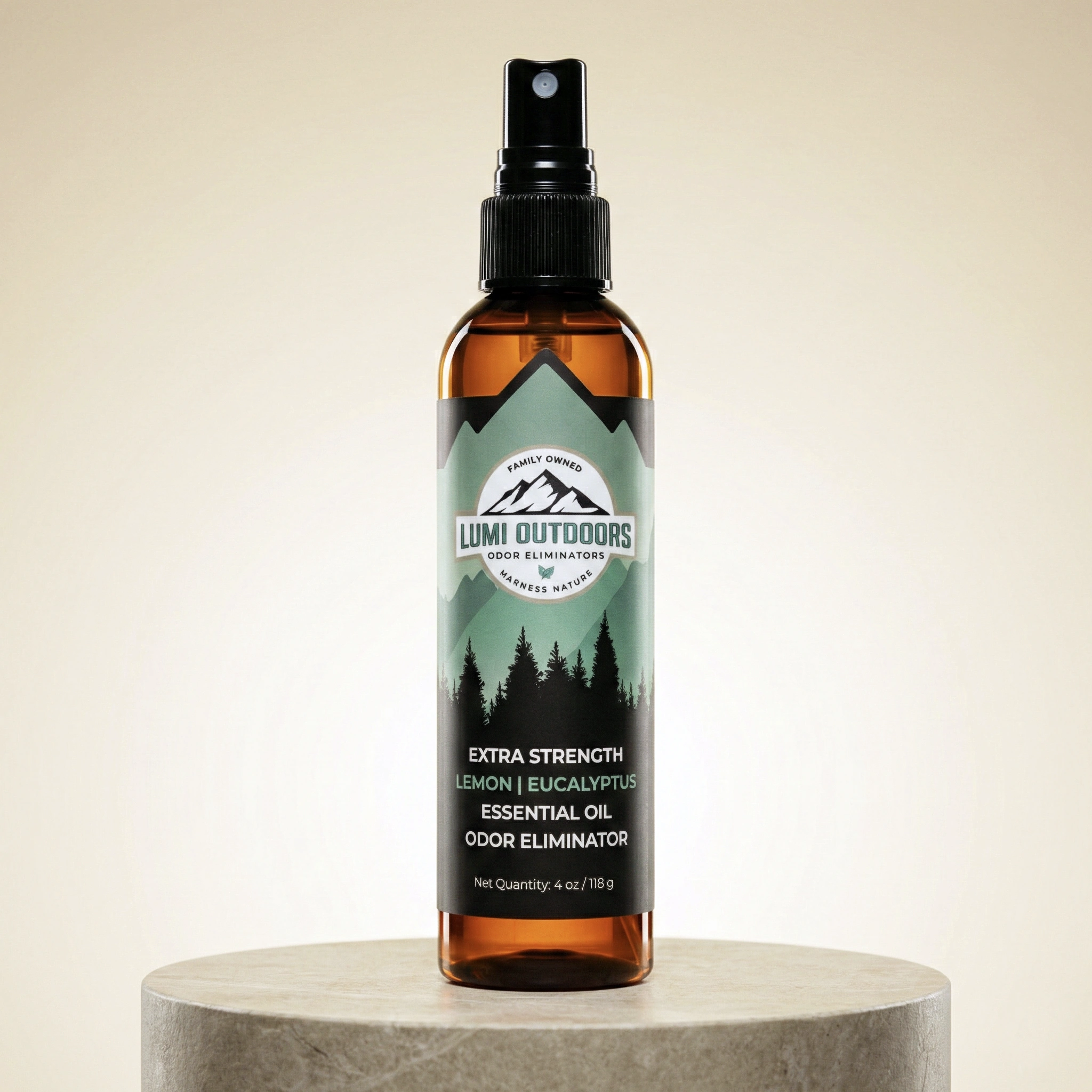
Join 1 Million+ Other People Who Chose Lumi to Conquer Their Shoe Odor.
- DESTROYS ODOR AT THE SOURCE, DOESN'T JUST MASK IT
- ALL-NATURAL & PLANT-BASED INGREDIENTS
- PROUDLY FAMILY-OWNED & MADE IN UTAH
- THE "FRESH CONFIDENCE" GUARANTEE