
3 Safe Ways to Neutralize Smelly Kids Canvas Shoes for the School Year
- Pull the insoles out first Most of the odor lives in the insole and footbed — airing them out separately every day stops the smell from compounding.
- Baking soda helps, but only on dry shoes It works as a weekly maintenance treatment, not a deep fix for odors already soaked into the canvas weave.
- Skip the bleach, use a natural spray Bleach degrades canvas fibers and causes sole separation — a plant-based deodorizer spray neutralizes the source without damaging the shoe.

You know the smell. You're driving home from school pickup, windows down despite the cold, wondering if maybe — just maybe — a small animal crawled into your kid's backpack and didn't make it. But no. It's the shoes. Again.
Canvas shoes and kids are basically a perfect storm. The fabric is porous and breathable, which sounds great on paper. But that same open weave traps sweat, soaks it deep into the lining, and gives odor-causing bacteria a warm, damp place to party all day long. And playgrounds? Forget it. Thirty minutes of running around in August heat and those shoes have absorbed more moisture than a kitchen sponge.
Here's the thing about canvas: it's forgiving in a lot of ways, but it punishes you if you reach for the wrong solution. Bleach, harsh detergents, boiling water — all of these can break down the canvas weave, warp the rubber sole, and turn a perfectly good pair of sneakers into trash by October. So before the school year is in full swing, here are 3 safe, proven ways to clear out the stench for good.
1. What Does Removing the Insoles Actually Do for Shoe Odor?
Pulling out the insoles exposes the two surfaces that absorb the most sweat — the footbed and the insole itself — so you can treat them separately and let both air out properly. Most of the odor lives here, not in the outer canvas.
This one sounds too simple to matter. It isn't. The insole is basically a sponge with a thin fabric cover, and it sits flat against a child's foot for 6-8 hours a day. When you leave the insole inside the shoe, you're trapping moisture between two layers. That's where the smell gets concentrated and where it gets stubborn.
Pull both insoles out the moment your kid walks through the door. Set them somewhere with airflow — not inside the shoe, not in a bag, not under a pile of other shoes. Prop the shoes open too. You can stuff each shoe loosely with a few sheets of newspaper; the paper pulls moisture out of the canvas as it dries. This won't eliminate an existing odor problem on its own, but it will stop you from making it worse every single day. Think of it as damage control while your other methods do the heavy lifting.
Here's something most guides skip: the tongue of a canvas shoe holds almost as much odor as the insole, but almost no one treats it. When you spray, fold the tongue forward and hit the underside directly — that's where sweat from the top of the foot soaks in all day. Treating the tongue adds maybe 5 seconds to your routine and makes a noticeable difference in how long the freshness lasts.
2. Does Baking Soda Actually Work on Canvas Shoe Odor?

Baking soda absorbs moisture and neutralizes acidic odor compounds, making it a legitimate short-term fix for mild-to-moderate canvas shoe smell — but it works best as a maintenance tool, not a cure for deeply embedded odors.
Baking soda gets a lot of credit, and honestly, it earns most of it. Sprinkle a generous amount into each dry shoe — and the insoles — before bed. Leave it overnight. In the morning, shake it out over a trash can and tap the sole firmly to get it all out. The soda pulls moisture from the fabric and interrupts the acid-base chemistry that makes shoe smell so sharp and sour.
But here's what most guides won't tell you: baking soda works best when the shoe is already dry. If you're dumping it into a still-damp shoe right after school, you're just making a paste inside the toe box. That paste is annoying to clean out and doesn't work nearly as well. Always let the shoe air out for at least 30-60 minutes first. And if you've got a kid who sweats heavily or wears their canvas shoes for PE and recess, baking soda alone won't cut through the deeper odor that's soaked into the canvas weave itself. That's where you need something that can actually penetrate the fabric.
For more stubborn cases — like cleats or heavily worn athletic shoes — check out these proactive tips from football moms who've dealt with the exact same problem. Same principles apply.
3. Why Is a Natural Spray the Safest and Most Effective Fix for Smelly Canvas Shoes?

A plant-based deodorizer spray penetrates the canvas fabric to neutralize odor at the source rather than masking it, and it's safe for the shoe material, the insoles, and the kids wearing them — unlike bleach or harsh chemical sprays that degrade canvas fibers over time.
Bleach is the first thing a lot of parents reach for when a smell gets bad enough. And it's understandable — bleach kills things, so it feels like the nuclear option. But here's the problem: canvas is a woven fabric, and bleach breaks down those fibers at the structural level. One treatment might not destroy the shoe immediately, but two or three treatments across a school year? You'll notice the fabric getting thin, the color fading unevenly, and the sole starting to separate at the edges. You've essentially aged the shoe by two years in a few weeks.
A quality natural spray uses plant-derived ingredients — like citrus oils and tea tree oil — that neutralize odor molecules on contact without attacking the fabric. The key is getting a formula that actually penetrates the canvas rather than just sitting on the surface. Canvas is porous, so a light mist that stays on the outer surface isn't going to reach the sweat that's soaked into the inner lining. You want to spray directly inside the shoe, targeting the toe box and the heel — the two spots that collect the most moisture — and let it dry completely before your kid puts them on again.
According to research on how skin bacteria produce volatile compounds, the odor itself is a byproduct of bacteria breaking down sweat — not the sweat itself. That's why moisture control and odor neutralization have to work together. A spray that only masks the smell with fragrance isn't solving the problem; it's layering a floral smell on top of a biology experiment.
If you want a spray that does the actual work — neutralizes the source, leaves the canvas intact, and smells genuinely clean rather than "perfumed" — this is the one we keep by the door:
What You'll Need
- Newspaper (for stuffing shoes to draw out moisture while drying)
- Baking soda (for weekly overnight odor-absorption treatment)
- Extra Strength Shoe Deodorizer Spray Check Price →
- Damp cloth with mild soap (for monthly interior lining wipe-down)
We tested our natural spray against the big-brand aerosol sprays that dominate most grocery store shelves. The difference isn't just in the scent profile — it's in the chemistry and what they do to your shoes over time:
| Feature | Extra Strength Shoe Deodorizer Spray | Typical Big-Brand Aerosol Spray |
|---|---|---|
| Odor Source Neutralization | Neutralizes odor compounds on contact | Masks smell with synthetic fragrance |
| Safe on Canvas Fabric | Yes — plant oils won't degrade fibers | Chemical propellants can dry out and weaken canvas |
| Safe Around Kids & Pets | Yes — no parabens, phthalates, or harsh chemicals | Often contains synthetic chemicals and aerosol propellants |
| Scent After Application | Clean, natural citrus and eucalyptus | Heavy synthetic perfume that fades to musty |
| Ingredient Transparency | Plant-based, fully disclosed ingredients | Proprietary blend, limited disclosure |
What Is the Best Back-to-School Routine for Keeping Canvas Shoes Fresh All Year?
The most effective back-to-school shoe routine combines daily airing out with weekly baking soda treatments and a natural spray application 2-3 times per week — applied right after the shoes come off, not before they go on.
Timing matters more than most people realize. Most parents spray shoes in the morning before their kid heads to school. But that's actually backwards. The best time to spray is right when the shoes come off — while the canvas is still slightly warm and the pores are open. The spray absorbs deeper into the fabric at that point, and it has all evening and night to do its work.
Here's a simple routine that actually holds up across a full school year:
- Every day: Pull the insoles out when your kid gets home. Set shoes somewhere with airflow — not crammed in a cubby or a closet.
- 3x per week: Spray the inside of both shoes (and the insoles) with a natural deodorizer spray. Let dry fully.
- Once a week: Do the baking soda overnight treatment, especially after heavy-activity days like PE days or outdoor recess in warm weather.
- Monthly: Wipe the inside lining with a damp cloth and mild soap, then let air dry for 24 hours before wearing again.
This kind of stacked routine is the same logic that works for athletic gear, honestly. If you're already doing this for sports equipment, you know how much easier it is to prevent odor than to fight it after it's set in. The same article logic applies here — you can read about how that plays out with hockey gear in this breakdown on deodorizing hockey pads without toxic chemicals.
And if your household has more than one kid — or a partner who comes home with work boots that could clear a room — the Variety Bundle 3-Pack is genuinely the smarter buy. You get the Extra Strength formula for the worst offenders and the Citrus or Lavender sprays for everyday maintenance. One bottle per entry point in your house and you're covered.
Nothing's perfect. The spray works, the baking soda helps, and the airing-out habit is non-negotiable. But it does require consistency — especially during the fall when kids are back in school and wearing their canvas shoes five days a week in still-warm weather. Here's the honest breakdown:
- Penetrates canvas fabric to neutralize odor at the source
- Completely safe for all canvas shoe materials and insoles
- No harsh chemicals — safe for kids and pets
- Clean, natural scent that doesn't overpower
- Works fast — overnight results on most odors
- Heavily embedded odors (end-of-year canvas shoes) may need 3-4 consistent treatment cycles before fully clearing
- Requires a regular application habit to prevent odor from returning — not a one-and-done fix
What's the Real Reason Bleach Ruins Canvas Shoes (and What to Use Instead)?
Bleach breaks down the cellulose fibers in canvas through oxidation, weakening the weave and causing premature fraying, color loss, and sole separation — natural enzyme-based or oil-based sprays neutralize odor without damaging the fabric structure.
Let's be clear about what bleach actually does to canvas. Canvas is made from tightly woven plant fibers — usually cotton. Bleach (sodium hypochlorite) works by oxidizing organic compounds, which is great for a bathroom tile and terrible for a fabric that needs structural integrity. It doesn't just lighten the color. It weakens the individual fibers at the molecular level, making the weave fragile over time.
You might not see the damage immediately after one treatment. But look at those shoes in December after three or four bleach treatments and you'll notice the canvas feeling thinner, the toe box losing its shape, and the rubber sole starting to peel at the seam. That's not normal wear — that's chemical damage.
The alternative isn't complicated. Natural plant oils — citrus, tea tree, eucalyptus — work by neutralizing the odor compounds directly without oxidizing the fabric around them. They're effective on canvas, safe on the rubber sole, and won't cause any discoloration. And unlike bleach, they don't leave behind a chemical residue that can irritate a kid's skin after a long school day.
If you're curious how this same principle plays out with more delicate shoe materials, the logic holds up across the board — here's a plant-based protocol for hemp shoes that runs through the same chemistry in more detail.
When Should You Replace Smelly Kids Canvas Shoes Instead of Trying to Fix Them?
If the odor persists after 3-4 consistent treatment cycles and the insole is visibly worn flat or darkened with sweat stains, the canvas has absorbed too much bacteria-laden moisture to fully recover — replacement is the more practical and hygienic choice.
There's a point of no return with canvas shoes, and it's worth knowing where it is before you spend too much time trying to rescue a pair that's past saving. The signs are pretty clear: the insole is permanently discolored, the inside heel lining is peeling or worn through, the sole is starting to separate, and even after treatment the smell comes back within a day or two of wearing.
At that stage, the canvas itself has been saturated repeatedly and the inner lining has essentially become a permanent reservoir for odor compounds. No spray — natural or otherwise — is going to fully reverse that. The good news is that if you start a proper maintenance routine with a new pair from day one, you'll get significantly more life out of them before hitting that point again.
Canvas shoes for kids are also not expensive enough to justify heroic rescue efforts. A pair that's lasted a full school year and accumulated this level of wear has done its job. Replace them, start fresh with the routine above, and you'll notice the difference by Thanksgiving.
Ready to stop dreading your kid's shoes coming off at the door?
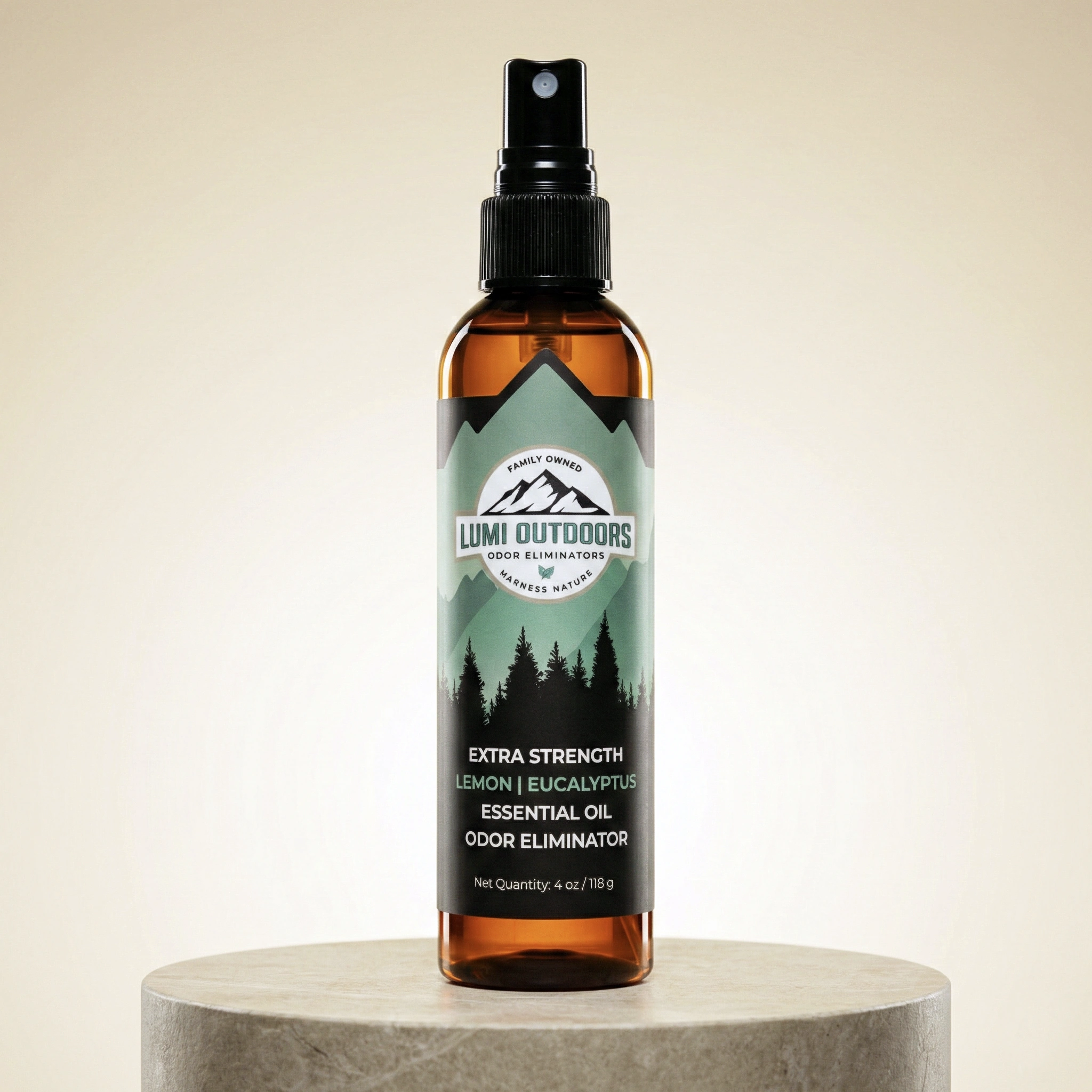
Join 1 Million+ Other People Who Chose Lumi to Conquer Their Shoe Odor.
- DESTROYS ODOR AT THE SOURCE, DOESN'T JUST MASK IT
- ALL-NATURAL & PLANT-BASED INGREDIENTS
- PROUDLY FAMILY-OWNED & MADE IN UTAH
- THE "FRESH CONFIDENCE" GUARANTEE