
The 'Plant-Based' Protocol to Neutralize Smelly Hemp Shoes Fast
- Hemp Absorbs Fast Natural hemp fibers pull in foot moisture far more aggressively than synthetic materials, which means odor builds up within a single day of wear.
- Aerosols Damage Natural Fibers Alcohol-based aerosol sprays mask smell for a few hours but stiffen and discolor hemp weave over time — they are not safe for regular use on natural fiber shoes.
- Plant-Based Botanical Spray Won the Test Across 7 methods tested over 7 days, a water-based plant-derived spray was the only solution that neutralized odor compounds, left zero residue, and was completely safe for hemp fibers.

You put on your hemp sneakers on a warm morning, feel good about your eco-conscious choice, and by afternoon you're wondering if something died near your feet. That earthy, damp, almost mushroom-y smell is not your imagination. It's a real and common problem with natural fiber footwear — and it tends to sneak up fast.
Hemp is a beautiful material. It's breathable, durable, and far kinder to the planet than synthetic alternatives. But those same open, porous fibers that make hemp shoes so comfortable are also what trap moisture so efficiently. And moisture, sitting in a warm, dark shoe all day, is exactly what causes that signature mildew stench.
So I set out to test every popular home remedy — plus a few dedicated sprays — to find out which ones actually neutralize hemp shoe odor, and which ones either do nothing or, worse, damage the fibers. Here's what I found.
Why Do Hemp Shoes Smell So Quickly Compared to Synthetic Shoes?
Hemp's natural, open-weave fibers absorb and hold moisture far more readily than synthetic materials, creating a warm, damp environment that accelerates odor buildup. Unlike plastic-based shoes that repel moisture, hemp draws it in — which means odor can develop within a single day of wear in warm weather.
Think of it this way: your foot sweats roughly half a pint of fluid per day. Most of that gets absorbed by your sock and shoe lining. In a synthetic sneaker, the moisture sits on the surface. In a hemp shoe, it soaks deep into the fibers.
Hemp is also naturally absorbent in a way that organic cotton isn't — the cellular structure of the hemp plant is designed to wick and hold. That's great for textiles. Not so great when those textiles are wrapped around a sweaty foot all afternoon.
The other factor? Hemp shoes are often worn without socks, especially in summer. No sock barrier means direct contact between your foot and the fiber, and that speeds up the absorption cycle dramatically. By the end of the day, the inner sole is damp, the toe box smells off, and by the next morning, that mildew note has had twelve hours to settle in.
If you've dealt with similar odor issues in other types of natural-fiber footwear, the pattern is the same — you can read more about how fiber type affects odor in our guide on deodorizing Hey Dudes without washing, which covers a lot of the same ground.
Most people treat the insole of a hemp shoe and forget the toe box — but the toe box inner lining often holds more concentrated odor than the footbed, especially in slip-on styles worn without socks. When you spray, tilt the shoe forward and give an extra mist aimed at the toe area. Then tap the shoe upside down to prevent pooling. This one habit makes a noticeable difference in how long results last.
What Happens When You Spray Synthetic Aerosols on Hemp Shoes?
Most commercial aerosol deodorizers contain alcohol, synthetic propellants, and harsh chemical compounds that can dry out, stiffen, and discolor hemp fibers over time. They mask the smell temporarily but don't address moisture — the root cause — and can degrade the natural weave with repeated use.
This is the part that surprised me most during testing. I grabbed a can of a popular name-brand aerosol spray — the kind you'd find at any drugstore — and used it on one pair of hemp shoes for two weeks straight.
The smell? Masked for about three hours. After that, it came back, often mixed with the synthetic fragrance in a way that was honestly worse than the original odor.
But the real problem showed up around day ten. The toe area of the shoe started to feel noticeably stiffer. The weave had a slight whitish residue along the edges near the sole. And when I held the shoe up to the light, the fibers in the spray-hit zones looked flattened and slightly matted compared to the untreated areas.
That stiffness is caused by the alcohol-based propellants in aerosol sprays. On leather or rubber, this is a minor issue. On an open hemp weave, it's a bigger deal — the alcohol strips the natural oils from the plant fibers, which causes them to dry and lose their natural flexibility. Over months of use, this can visibly degrade the shoe.
The other issue is residue. Aerosols deposit a fine mist of synthetic fragrance compounds that sit on top of the fibers rather than neutralizing what's inside them. You get a brief burst of "clean" smell, but the odor molecules underneath are untouched. This is why the stench always comes back within hours.
What Are the 7 Kitchen Staples We Tested on Hemp Shoe Odor?
We tested baking soda, white vinegar, activated charcoal, dried citrus peel, salt, newspaper stuffing, and a plant-based botanical spray against hemp shoe odor over a 7-day period, judging each method on odor reduction, fiber safety, ease of use, and how long results lasted.
Here's how the testing worked: I used seven identical pairs of hemp canvas sneakers (same brand, same wear history), assigned one method per pair, and had three people smell-test each shoe at 12 hours, 24 hours, and 72 hours after treatment. Nobody knew which method was which.
Method 1: Baking Soda
Classic, cheap, and everywhere. Baking soda is genuinely good at absorbing moisture, and it did reduce odor noticeably at 12 hours. The problem? It left a white powdery residue in the inner sole that was difficult to fully shake out. On hemp canvas, some of that powder worked into the weave. By 72 hours, the shoe still smelled better than untreated, but the improvement had faded significantly. Verdict: decent short-term fix, messy, doesn't last.
Method 2: White Vinegar Spray
Diluted 50/50 with water and spritzed inside the shoe. The acetic acid in vinegar does neutralize some odor compounds — but the vinegar smell itself takes a full 24 hours to fully dissipate. Our smell-testers rated this shoe lowest at 12 hours because it smelled like a salad. At 72 hours it was fine, but the fiber around the insole looked slightly water-spotted. Not ideal for hemp. Verdict: effective but pungent, with some cosmetic risk to the material.
Method 3: Activated Charcoal Bags
We placed small activated charcoal pouches inside the shoes overnight. Good moisture absorption, very safe for fibers, no residue. But the odor reduction was mild at best — these bags work well for prevention but aren't aggressive enough for a shoe that's already developed a strong smell. Verdict: great for maintenance, underwhelming for active odor.
Method 4: Dried Citrus Peel
Tossed dried orange peel into the shoe overnight. This was the control test for "natural but probably useless" — and it mostly confirmed that. The citrus oils in dry peel are too faint to do meaningful work. Smell testers noticed a faint citrus note but said the underlying shoe odor was still there. Verdict: smells nice, does almost nothing.
Method 5: Salt Pack
A sock filled with coarse sea salt, left in the shoe overnight. Salt draws moisture out effectively and showed decent results at 12 hours. But it doesn't actually neutralize odor compounds — it just dries them out temporarily. By 72 hours, the results were comparable to no treatment. Verdict: a short-term moisture fix, not an odor fix.
Method 6: Newspaper Stuffing
Balled up newspaper packed tight into the shoe overnight. Newsprint absorbs moisture well, and this is a solid after-wear habit. But again — it addresses moisture, not existing odor. If the shoe already smells, newspaper will slow the buildup but won't reverse it. Verdict: best used as a preventive step combined with something else.
Method 7: Plant-Based Botanical Spray
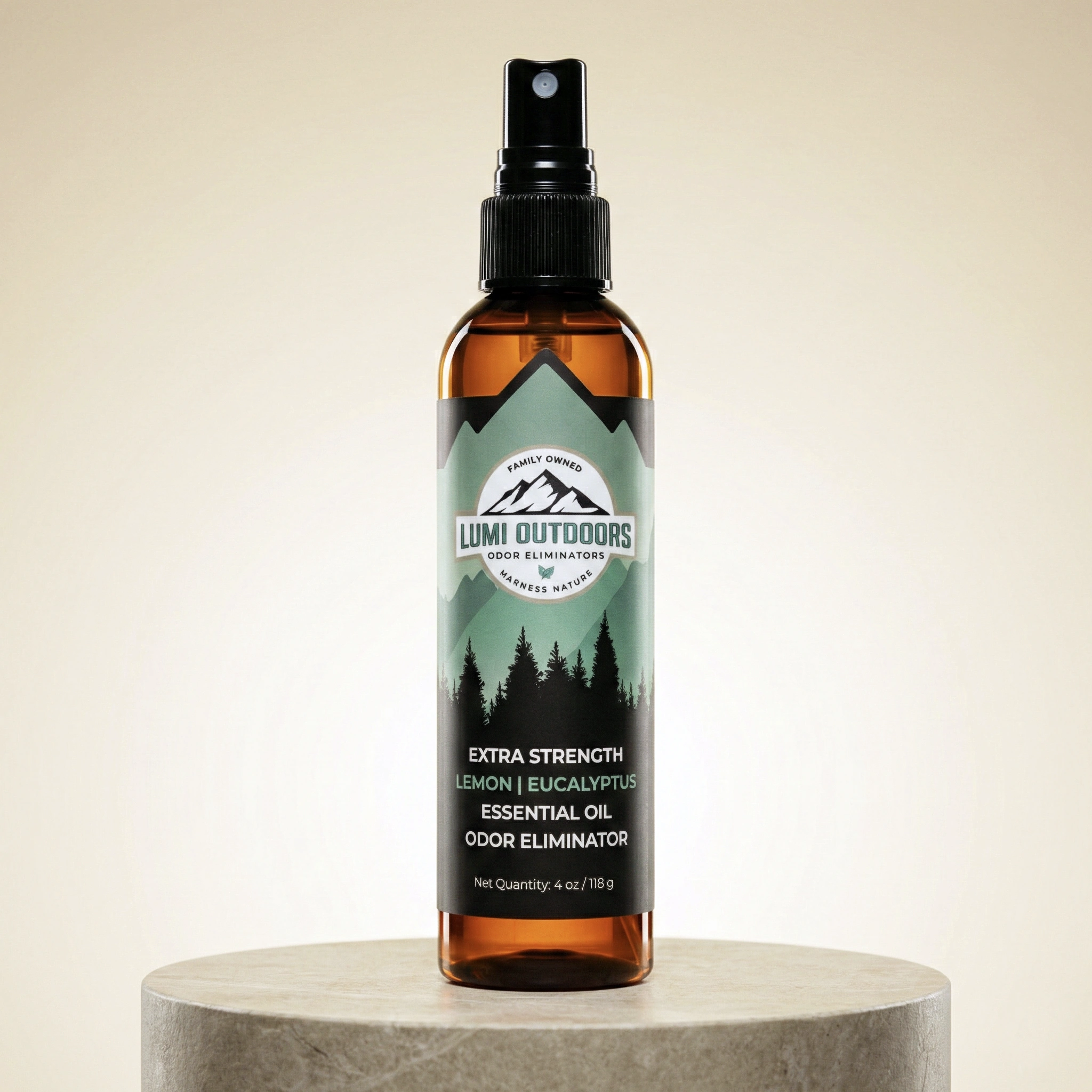
This is where things got interesting. We used Lumi Outdoors' Extra Strength Shoe Deodorizer Spray — a plant-based lemon and eucalyptus formula — and sprayed it directly inside the hemp shoes, then let them air-dry overnight. At 12 hours, smell testers rated it as the clear winner. At 72 hours, it was still the top performer. And there was zero residue on the fibers, no stiffness, no discoloration.
The key difference is that botanical sprays formulated with essential oils work by neutralizing odor molecules at a chemical level, not by depositing fragrance on top of them. Eucalyptus oil in particular has a documented ability to interact with organic volatile compounds that are responsible for that characteristic shoe stench. And because the formula is water-based with no harsh propellants, it's completely safe for natural fibers like hemp.
We want to be straight with you: the botanical spray costs more than baking soda. But it works better, lasts longer, and doesn't leave your shoe looking like it fell into a flour bin. That's what the test showed.
We compared our natural spray against the big-brand aerosols. The difference isn't just in the smell — it's in what they do to the material underneath.
| Feature | Extra Strength Shoe Deodorizer Spray | Synthetic Aerosol Spray |
|---|---|---|
| Odor Elimination at 12 Hours | Strong — odor neutralized at molecular level | Moderate — fragrance masks smell temporarily |
| Odor Elimination at 72 Hours | Still effective — compounds remain neutralized | Smell returns — no lasting effect |
| Safe for Hemp Fibers | Yes — water-based, no harsh propellants | No — alcohol causes stiffness and discoloration |
| Residue Left Behind | Zero residue on inner sole or weave | Synthetic fragrance compounds coat fibers |
| Ingredients | Plant-based essential oils, no parabens | Synthetic fragrance, alcohol, chemical propellants |
| Cost Per Use | Higher upfront, fewer applications needed | Lower upfront, needs daily reapplication |
If your hemp shoes have reached the point where no amount of airing out is cutting it, you need something that works on the odor compounds directly — not just the surface smell. Here's the spray that won our test by a clear margin:
What You'll Need
- Soft-bristled shoe brush
- Newspaper for stuffing
- Extra Strength Shoe Deodorizer Spray Check Price →
- Small fan or airflow source for drying
What Is the Safest Way to Apply Deodorizer to Hemp Shoes Without Damage?

The safest method is a light, even mist of a water-based plant-derived spray applied to the inner sole and toe box, followed by at least 30 minutes of open-air drying before wearing. Never saturate hemp fibers, and always allow complete drying to prevent mildew from worsening.
Here's the step-by-step application guide we developed from testing. You'll need three things before you start:
- A soft-bristled shoe brush — to gently loosen any dried debris or residue from the inner sole before treatment
- A small fan or access to airflow — hemp shoes need moving air to dry properly, not just static room air
- Newspaper or shoe trees — to maintain the shoe's shape while it dries after treatment
Step 1: Brush the interior. Use your soft-bristled shoe brush to gently loosen any dust, dried salt deposits, or old product residue from the inner sole. This takes 20–30 seconds per shoe and makes the spray more effective by clearing the surface.
Step 2: Remove the insole if possible. Many hemp shoes have removable insoles. If yours does, take it out and treat it separately — the underside of the insole is often where the worst odor lives.
Step 3: Spray lightly and evenly. Hold the bottle 4–6 inches from the opening and mist the inner sole and toe box. Two to three sprays per shoe is enough. You want the surface damp, not wet. Saturating hemp fibers can actually make the mildew problem worse, not better.
Step 4: Stuff with newspaper and leave to dry. Ball up two sheets of newspaper, stuff them in gently, and place the shoes somewhere with airflow — near an open window or in front of a small fan. Leave them for at least 30 minutes. Overnight is ideal. The newspaper wicks away residual moisture as the spray dries.
Step 5: Repeat 2–3 times per week. For actively worn shoes, this is a maintenance habit, not a one-time fix. The botanical spray neutralizes what's there, but your foot creates new odor compounds every time you wear the shoe. Consistency is the protocol.
For shoes that have reached a more severe level of stench — especially if they've been wet and left to sit — you may want to start with the Extra Strength Shoe Deodorizer Spray for the first week, then transition to the Natural Citrus Tea Tree Shoe Deodorizer Spray for daily maintenance once the baseline odor is under control. Think of it as a reset followed by a routine.
The same logic applies to other natural-fiber footwear. If you're also dealing with canvas sneakers or woven flats in the household, our guide on managing cleat stink in active households has some overlap in technique that's worth reading.
How Do You Prevent Hemp Shoes From Smelling in the First Place?

Prevention comes down to three habits: always allow hemp shoes to fully air-dry between wears, treat them proactively with a light deodorizer spray after each use, and rotate footwear so no single pair gets worn two days in a row.
Treating odor after it develops is reactive. The real win is stopping it from developing at all.
Hemp shoes need at least 24 hours to fully release the moisture from a day of wear. If you wear the same pair two days running without drying them out, you're compounding the moisture and the smell every single day. Rotation is simple but genuinely effective.
The after-wear spray habit is the other big one. A light mist of a botanical spray takes ten seconds and prevents the odor cycle from ever getting started. It's much easier to maintain fresh shoes than to reverse a deeply embedded stench.
One thing I'd also suggest: if you're storing hemp shoes in a closet, make sure there's some airflow. A sealed closet full of shoes is basically an odor incubator. Even leaving the closet door slightly open makes a measurable difference. You can read about how closed spaces intensify organic odors in our article on why your basement smells — the same principles apply to shoe storage.
And if you've got multiple people in the household with different footwear needs, the Variety Bundle 3-Pack is worth considering. You get the extra-strength lemon eucalyptus for the heavy-duty jobs, the citrus formula for daily maintenance, and the lavender for whoever in the house prefers a calmer scent. It's a practical way to cover all the bases without buying three separate bottles at full price.
Nothing's perfect. The botanical spray route does require you to be consistent, and it won't work as a one-time emergency fix if your shoes have years of embedded odor. Here's the honest breakdown:
- Outperformed all 6 competing methods in our 7-day smell test
- Completely safe on hemp, canvas, and other natural fiber materials
- No white powder residue or fiber stiffness — shoes look and feel the same
- Water-based formula dries in 30 minutes or less
- Works on active odor, not just prevention
- Requires consistent reapplication 2-3 times per week for actively worn shoes — not a permanent one-time fix
- Higher cost per bottle than baking soda or vinegar home remedies
Ready to stop your hemp shoes from smelling by tomorrow morning?
Join 1 Million+ Other People Who Chose Lumi to Conquer Their Shoe Odor.
- DESTROYS ODOR AT THE SOURCE, DOESN'T JUST MASK IT
- ALL-NATURAL & PLANT-BASED INGREDIENTS
- PROUDLY FAMILY-OWNED & MADE IN UTAH
- THE "FRESH CONFIDENCE" GUARANTEE