

3 Pre-Shift Hacks to Prevent Smelly Flats During 8-Hour Teaching Days
- Midday fixes aren't realistic Teachers don't have time to re-treat shoes between periods — the entire solution has to happen before you leave the house.
- Layer your defenses Overnight drying, morning powder, and a barrier spray work together — each one makes the others more effective.
- A barrier spray is the proactive winner Applied once in the morning, a quality deodorizing spray neutralizes odor at the source and lasts a full 8-hour shift without reapplication.
- Reset before you maintain If your flats already have built-up odor, clear it with baking soda overnight before starting your prevention routine.

Picture this: it's 3:45 PM, your last class just filed out, and you kick off your flats at your desk. And then you smell it. That warm, sour fog that follows you home every single day.
You've walked roughly 10,000 steps today — crossing the room to stop a pencil fight, pacing during read-alouds, crouching down to help a struggling reader. And your feet did all of it inside a pair of non-breathable ballet flats that trap every bit of that heat and sweat with nowhere to go.
Here's the problem with most advice out there: it assumes you have time during your day to fix it. You don't. You can't sneak off to the bathroom between periods to sprinkle baking soda in your shoes. You're not going to stash a blow dryer in your classroom cabinet. Midday reapplication is a fantasy for people who've never had a room of 25 eight-year-olds staring at them.
So the real fix has to happen before you leave the house. That's what these three hacks are all about — a simple morning routine that does the work for you while you're busy actually teaching.
1. Why Do Flats Smell So Bad After a Teaching Day?
Flats trap heat and sweat against the foot all day because they're typically made from non-breathable synthetic materials with no real ventilation — and 10,000 steps generates enough moisture to create serious odor by midday.
Understanding why it happens makes the fix a lot easier to commit to. Your feet have more sweat glands per square inch than almost anywhere else on your body. The American Podiatric Medical Association notes that feet can produce up to half a pint of moisture per day. When that moisture gets sealed inside a synthetic flat with minimal airflow, the odor-causing bacteria that naturally live on your skin get exactly what they need to thrive.
Ballet flats are especially bad for this. They're often lined with a thin synthetic material, have no real cushioning to absorb sweat, and sit snug against the entire sole of your foot. So the moisture just... stays there. All day. And by the time you're on hour six of your teaching day, those flats are basically a warm, wet incubator.
The solution isn't to fight it mid-shift. It's to set up a barrier before you even put the shoes on.
2. How Does Removing the Insoles Before Bed Actually Help?
Pulling out your insoles every evening dramatically speeds up drying time overnight, which directly reduces the moisture environment where odor-causing bacteria multiply — so your shoes start each morning drier and fresher.
This is the hack most people skip because it seems too simple. But it makes a real difference.
When you leave the insoles in overnight, the sweat your foot left behind stays sandwiched between the insole and the shoe's lining. It might take 12–16 hours to fully dry out on its own. Pull the insoles out, set them on the counter or a windowsill, and both the insole and the shoe's interior get air on all sides. Drying time drops significantly.
Do this every night, and your flats stay consistently drier. Consistent dryness means less opportunity for odor to build up over time. It's not glamorous, but neither is foot odor.
Most people spray deodorizer and put the shoe on immediately — but waiting 45–60 seconds makes a real difference. That short window lets the liquid component evaporate slightly, so the active odor-neutralizing agents are more concentrated against the shoe's lining when your foot goes in. Think of it like letting spray paint tack up before touching it. Same principle, better result.
3. What's the Best Way to Control Moisture Inside Flats Before Wearing Them?

The most effective morning moisture-control method is applying a foot powder or baking soda directly to the insole of your flats before you put them on — this creates an absorptive layer that pulls moisture away from your skin before odor has a chance to develop.
Give your insoles a light dusting of foot powder each morning before you step in. Do it while you're making coffee. It takes about four seconds per shoe.
The powder creates a physical barrier between your skin and the shoe lining. Instead of sweat soaking straight into the insole, the powder absorbs it and keeps the environment drier throughout the day. Some teachers keep a small container of powder in their morning routine kit right next to the shoe rack — that way it's impossible to forget.
Baking soda works in a pinch, though it can feel chalky. A proper foot powder tends to spread more evenly and stay put better. Either way, the goal is the same: give that moisture somewhere to go that isn't the lining of your shoe.
A lot of teachers we've talked to also battle the same challenge with other shoes at home — you can read more about the broader DIY vs. product debate in our piece on why people are moving away from DIY shoe sprays for good reason.
If you want to stop the odor before it even starts — not just manage it after — you need a proactive spray applied directly to the shoe in the morning. This is the one we keep by the door:
What You'll Need
- Foot powder (for daily insole dusting)
- Moisture-wicking no-show liner socks
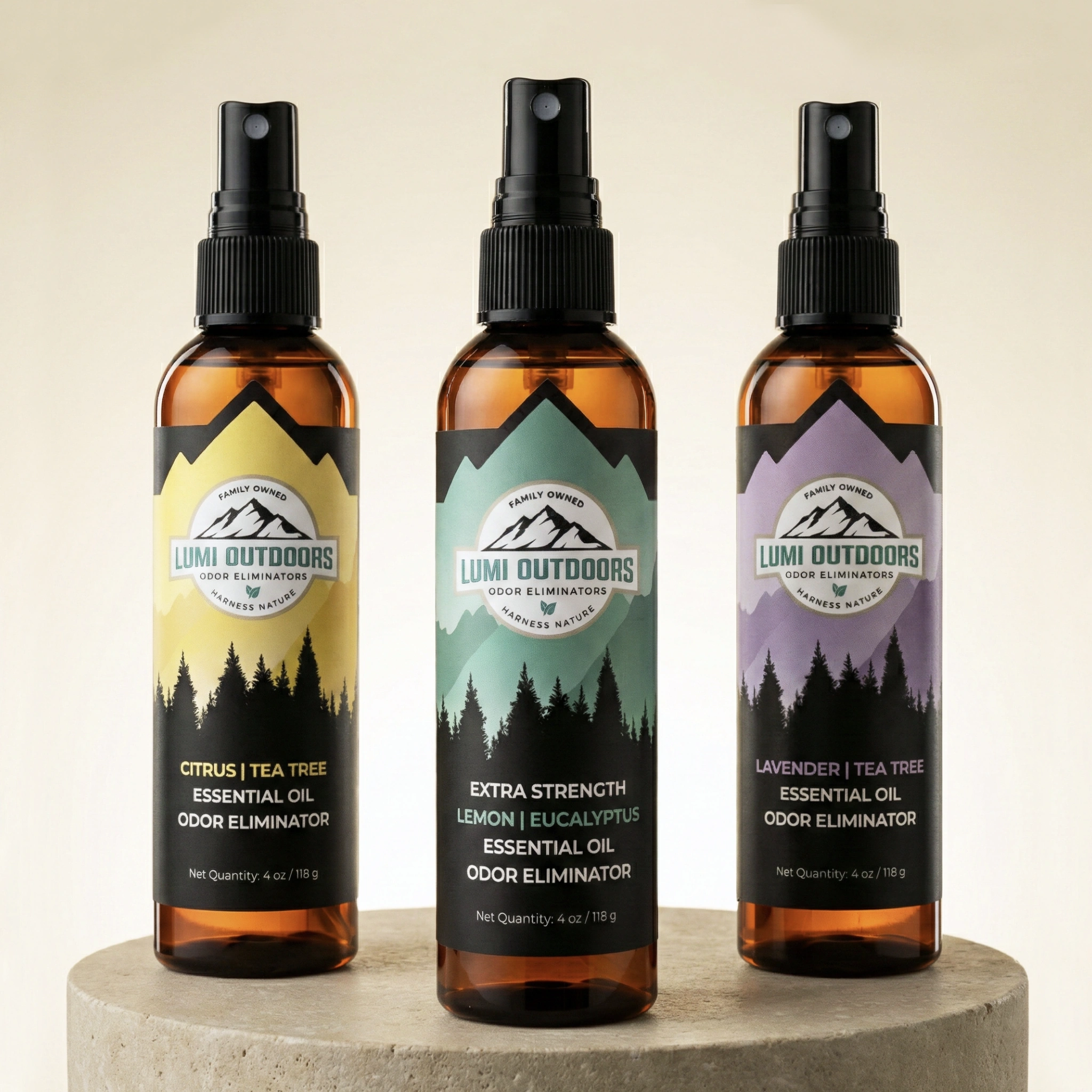
- The Variety Bundle | 3-Pack (Lemon Eucalyptus, Citrus, Lavender) Check Price →
- Baking soda (for initial odor reset)
4. Does a Barrier Spray Actually Work for an 8-Hour Shift?
Yes — a quality shoe deodorizer spray applied to the interior of your flats in the morning creates an odor-neutralizing environment that can last through a full 8-hour teaching day without any reapplication needed.
This is the heavy hitter. And it's also the part that makes the other two hacks even more effective when you combine all three.
Here's the thing about mid-day reapplication advice: nobody who writes it has ever tried to explain to a vice principal why they're spraying their shoes in the hallway between second and third period. It's not realistic. A spray that you apply before you leave in the morning, and that keeps working through six hours of classroom pacing, is what you actually need.
The Variety Bundle | 3-Pack (Lemon Eucalyptus, Citrus, Lavender) is worth mentioning here specifically because it gives you options. The Lemon Eucalyptus formula is the strongest — great for flats that have already developed some built-up odor. The Lavender is gentler and works well for daily maintenance once you've reset your shoes. Keep a bottle in your morning station, a bottle in your bag, and one at your desk for the rare after-school emergency. Three bottles, three situations handled.
We tested our natural spray against the big aerosol brands most people grab at the drugstore. The difference isn't just the smell — it's in the chemistry:
| Feature | The Variety Bundle | 3-Pack (Lemon Eucalyptus, Citrus, Lavender) | Drugstore Aerosol Spray |
|---|---|---|
| Odor Control Method | Neutralizes odor molecules at the source | Masks odor with synthetic fragrance |
| Ingredients | Plant-derived essential oils, no harsh chemicals | Synthetic perfumes, parabens, propellants |
| Safe Around Kids | Yes — no artificial fragrance or chemical aerosol | Not ideal — synthetic fragrance triggers sensitivities |
| Duration Per Application | Full 8-hour shift from one morning application | A few hours before synthetic scent fades |
| Scent Options | 3 natural scents in one bundle | Usually one generic 'fresh' scent |
| Cost Per Use | Lower — bundle pricing reduces per-bottle cost | Lower upfront, but reapplication needed more often |
5. What Should a Full Teacher Morning Prep Routine Actually Look Like?

The most effective pre-shift routine takes under two minutes: remove last night's insoles from where they dried, dust the insole with powder, spray the interior of the flat with a deodorizing spray, and let it air for 30–60 seconds before putting the shoe on.
Here's the full sequence, start to finish:
- The night before: Pull out your insoles and set them somewhere with airflow. Leave the flats near a vent or window if possible.
- Morning, step 1: Dust both insoles lightly with foot powder before replacing them in your flats.
- Morning, step 2: Give the interior of each flat 2–3 sprays of your deodorizer. Hold the nozzle about 6 inches from the opening.
- Morning, step 3: Let the shoes sit for 30–60 seconds while you finish getting ready. That short drying time makes the spray more effective.
- Before you leave: Put on moisture-wicking socks if your flats accommodate them. Even a no-show liner sock makes a real difference.
That's it. Two minutes, tops. And you've set up a layered defense — the powder absorbs moisture, the spray neutralizes odor before it forms, and the overnight drying means you're starting from a dry baseline instead of a damp one.
Teachers who deal with smelly shoes often ask if the same approach works for other household footwear. It does — and if you've got a family full of active kids, you might also want to check out these proactive tips for football moms dealing with cleat stink. Same proactive logic, different shoe.
Nothing's perfect, though. Here's the honest breakdown of how this routine actually holds up in the real world:
- The three-step morning routine takes under two minutes once it's a habit
- Plant-based formula is safe to use around students with fragrance sensitivities
- The bundle gives you the right formula for every situation — heavy-duty reset or daily maintenance
- Eliminates the need for any midday reapplication
- The routine only works if you do it consistently — skipping a few mornings lets odor rebuild quickly
- Flats with very heavy built-up odor need a dedicated reset night before the prevention routine pays off
6. Are There Natural Deodorizing Options That Are Safe to Use Around Students?
Yes — plant-derived, essential oil-based shoe sprays and room sprays contain no harsh synthetic chemicals, making them safe to use in enclosed spaces like classrooms and safe for people with sensitivities to artificial fragrances.
This matters more than most people think. You're in a classroom. Kids with asthma, allergies, and fragrance sensitivities are sitting three feet from your shoes. A harsh aerosol spray loaded with synthetic perfumes is the last thing you want to be associated with.
Natural, plant-derived formulas neutralize the odor molecules themselves rather than just layering a synthetic scent on top of them. The result is a clean smell — not that cloying "artificial ocean breeze" scent that announces itself from across the room.
The same principle applies to what you use in your car or classroom for general air freshening. The Lavender Vanilla Room Spray and the Peppermint Vanilla Room Spray both use plant-derived essential oils to neutralize odor molecules rather than mask them with synthetic fragrance. No parabens, no phthalates, no harsh chemical fog. If you're keeping a bottle in your classroom for general freshening, these are the ones to reach for.
Curious about what makes plant-based formulas different? The plant-based protocol for neutralizing shoe odor breaks down the chemistry in plain language.
7. What's the Fastest Way to Reset Flats That Already Have Built-Up Odor?
For flats with existing built-up odor, the fastest reset is removing the insoles, sprinkling baking soda inside and on the insoles, letting them sit overnight, then following the next morning with a barrier spray before wearing — this two-step approach clears old odor and prevents new odor from forming.
If your flats are already past the "fresh" stage, the prevention routine alone won't be enough to start. You need to clear the backlog first.
Pull the insoles out. Dust baking soda generously inside the shoe and directly onto both insoles. Let everything sit overnight — at least eight hours. The baking soda will pull the existing odor out. In the morning, shake out the powder, wipe the insoles with a dry cloth, and then start your prevention routine from hack #1.
After that reset night, you're starting fresh. The morning spray does its job best on shoes that aren't already saturated with odor — so clearing the slate first is worth the extra step. We also did a deep comparison on this reset-vs-maintain approach for running shoes if you want the full breakdown: why washing isn't always the answer for odor control.
Once your flats are reset, stick to the pre-shift routine every morning and you shouldn't need another deep clean for weeks.
Ready to stop dreading the end of your teaching day?
Join 1 Million+ Other People Who Chose Lumi to Conquer Their Shoe Odor.
- THE BEST VALUE: STOCK UP & SAVE
- DISCOVER YOUR FAVORITE SCENT
- PROUDLY FAMILY-OWNED & MADE IN UTAH
- THE "FRESH CONFIDENCE" GUARANTEE